
🏠 Home > 🗺️ Recipes > 👑🍲 Royal Court Broths (Soups)
👑🍲 Royal Court Broths (Soups) Recipes from Around the World
Published by Supakorn | Updated: September 2026
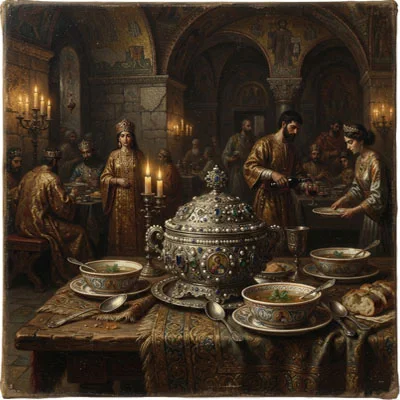
📜 The Storyteller's Intro: 1,000 Years of Aristocratic Appetites
For centuries, royal kitchens were among the world's most protected places. Long before modern cookbooks existed, palace chefs quietly perfected delicate broths, ceremonial soups, and nourishing recipes that reflected wealth, status, seasonal wisdom, and regional identity. Many of these treasured creations were never intended for ordinary households. Instead, they became culinary symbols reserved for emperors, kings, queens, princes, noble families, and distinguished guests.
Between roughly 200 and 1,000 years ago, royal courts across Asia, Africa, Europe, the Americas, and Oceania developed their own signature broths using ingredients available only through privileged trade routes, palace gardens, imperial hunting grounds, and carefully protected estates. Every bowl represented more than flavor. It expressed authority, hospitality, prosperity, and respect for tradition.
This guide explores the fascinating cultural heritage behind Royal Court Broths (Soups) around the world. Rather than revealing complete recipes, we journey through the stories, customs, famous palace dishes, and culinary philosophies that transformed simple broths into symbols of aristocratic excellence. Each continent developed unique interpretations shaped by geography, religion, climate, and generations of court etiquette.
Whether served before elaborate banquets, offered during seasonal festivals, prepared for honored guests, or enjoyed during quiet evenings inside magnificent palaces, these remarkable broths reveal how food helped shape history itself.
🏛️ The Three Eras of Elite Gastronomy
• Era One: Foundations of Noble Cuisine (Approximately 1,000–700 Years Ago)
The earliest royal kitchens focused on nourishment, ceremonial meaning, and agricultural abundance.
Key characteristics included:
• Palace gardens supplying fresh herbs throughout the year.
• Broths slowly simmered over wood fires using locally prized ingredients.
• Recipes carefully memorized instead of written.
• Noble families protecting culinary knowledge within palace walls.
• Soups often prepared for coronations, religious ceremonies, diplomatic meetings, and seasonal celebrations.
Many legendary palace broths from Asia, the Middle East, and parts of Europe trace their origins to this remarkable period.
• Era Two: The Age of Expanding Kingdoms (Approximately 700–400 Years Ago)
As kingdoms expanded through exploration and regional trade, royal kitchens gained access to remarkable new ingredients.
Elite chefs began experimenting with:
• Rare spices arriving from distant trade routes.
• Exotic vegetables cultivated inside palace estates.
• Premium mushrooms and forest herbs.
• Carefully raised poultry and game.
• Fine grains and aromatic roots.
During this era, royal soups became increasingly refined, balancing fragrance, appearance, texture, and symbolism. Presentation evolved into an art form equal to flavor itself.
• Era Three: The Golden Age of Palace Banquets (Approximately 400–200 Years Ago)
Royal dining reached extraordinary sophistication.
Court chefs developed:
• Multi-course ceremonial banquets.
• Seasonal soup menus.
• Decorative garnishes reflecting royal symbols.
• Regionally inspired palace specialties.
• Carefully layered flavors designed for distinguished guests.
Many of today's celebrated heritage soups preserve techniques developed during this elegant period, even as ingredients have adapted to modern kitchens.
👑 The Secret Culinary Rituals of the Nobles
Royal court broths represented far more than everyday meals.
Among noble households around the world, these soups often reflected cultural values and ceremonial traditions.
Common palace customs included:
• Serving the lightest broth before the grand banquet.
• Preparing different soups according to each season.
• Selecting ingredients believed to symbolize longevity, harmony, wisdom, abundance, or prosperity.
• Maintaining dedicated palace kitchens where only trusted chefs handled prestigious recipes.
• Pairing broths with carefully arranged side dishes that highlighted regional ingredients.
• Using slow cooking methods that required patience rather than haste.
• Preserving culinary secrets through apprentices rather than public instruction.
Across many kingdoms, palace soup recipes became family treasures passed quietly from one generation of royal chefs to another. Some evolved into famous national dishes, while others disappeared alongside the courts that created them.
🗺️ The Sovereign Flavor Map: Deep Dive into 6 Continents
Every continent contributed distinctive traditions to royal broth culture. Climate, geography, agriculture, trade, and court etiquette shaped remarkably different culinary identities.
The following chapters introduce six extraordinary royal culinary worlds whose heritage continues inspiring chefs today.
🛕 The Forbidden Flavors of Asia
Asia contains some of the world's oldest surviving royal culinary traditions, where broths often represented harmony, balance, elegance, and seasonal wisdom.
Notable royal court broths include:
• Imperial Bird's Nest Soup
• Palace Herbal Chicken Broth
• Royal Lotus Root Soup
• Korean Royal Beef Broth
• Japanese Court Seafood Clear Soup
• Mughal Royal Mutton Broth
• Thai Palace Coconut Aromatic Soup
• Vietnamese Imperial Consommé
Traditional palace kitchens frequently emphasized:
• Delicate layering of natural flavors.
• Aromatic herbs selected according to the season.
• Slow simmering over gentle heat.
• Beautiful presentation without unnecessary extravagance.
• Exceptional ingredient freshness.
Rather than overwhelming the palate, many Asian royal broths celebrated refinement through simplicity. Skilled palace chefs believed every ingredient should remain recognizable while contributing to a perfectly balanced whole.
Several royal households also maintained protected medicinal gardens, allowing court cooks to combine culinary artistry with generations of botanical knowledge. These practices elevated broths beyond nourishment, transforming them into symbols of wellness, prestige, and imperial hospitality.
🏺 The Sun-Drenched Heritage of Africa
African royal kitchens developed remarkable broth traditions rooted in regional biodiversity, ancient kingdoms, and vibrant cultural exchange.
Historic noble courts often celebrated:
• Rich meat broths prepared for ceremonial gatherings.
• Slow-cooked vegetable soups featuring indigenous crops.
• Aromatic spice blends unique to individual kingdoms.
• River and coastal seafood broths reserved for elite families.
• Palace recipes highlighting grains, legumes, and native herbs.
Across influential courts such as those of Ethiopia, Morocco, Nubia, Mali, Benin, and several Swahili coastal kingdoms, soup represented generosity, prosperity, and communal respect.
Many aristocratic kitchens valued ingredients harvested close to the palace, allowing chefs to showcase seasonal abundance while honoring local farming traditions. Rather than relying on excessive complexity, these broths often reflected careful balance between earthy flavors, fragrant herbs, and naturally rich stocks.
The diversity of African landscapes—from fertile highlands to tropical forests and coastal regions—gave each royal kitchen its own distinctive culinary identity, ensuring that no two palace broths tasted exactly alike.
🏰 The Imperial Banquets of Europe
European royal courts transformed broth making into one of the highest expressions of culinary refinement. Between medieval castles and Renaissance palaces, soups became the opening movement of magnificent banquets, setting the tone for every course that followed. A clear, perfectly balanced broth was often considered a reflection of a chef's mastery and a kingdom's prosperity.
Across centuries, noble households guarded recipes that showcased regional ingredients while embracing luxury through technique rather than excess. Palace kitchens became centers of innovation where generations of master cooks refined family traditions into enduring culinary legacies.
Among the most celebrated royal-inspired broths were:
• French Royal Consommé
• English Court Game Broth
• Italian Noble Chicken Brodo
• Spanish Royal Saffron Broth
• Austrian Imperial Beef Soup
• Hungarian Palace Goulash Broth
• Russian Imperial Fish Soup
• Scandinavian Noble Herb Broth
European aristocratic soup culture emphasized:
• Crystal-clear broths achieved through meticulous clarification.
• Seasonal vegetables harvested from palace gardens.
• Fresh herbs chosen for aroma and elegance.
• Slow roasting of bones before simmering for exceptional depth.
• Sophisticated garnishing that reflected the season or royal celebration.
During the Renaissance, culinary artistry flourished alongside architecture, music, and literature. Royal chefs exchanged techniques through diplomatic marriages and international alliances, allowing palace kitchens to absorb ideas from neighboring kingdoms while preserving their own regional identities.
Many European courts also believed that a well-prepared broth demonstrated discipline and patience. A chef capable of producing a flawless consommé earned immense respect because perfection depended on precision rather than extravagant ingredients.
Even today, numerous classic European soups served in fine dining restaurants trace their origins to recipes once prepared exclusively for kings, queens, emperors, and noble families.
🦅 The Grand Dynasties of North America
Long before modern nations emerged, the civilizations of North America developed sophisticated culinary traditions built upon regional ecosystems and seasonal abundance. While the continent's royal history differs from that of Europe or Asia, influential dynasties, hereditary leaders, and elite communities maintained ceremonial food traditions that elevated broths and soups to special occasions.
Royal-style broths across North America frequently reflected respect for nature, community, and the changing seasons.
Historic inspirations include:
• Elite Woodland Game Broths
• Noble Corn and Squash Soups
• Great Lakes Fish Broths
• Southwestern Heritage Stews
• Coastal Shellfish Broths
• Maple Woodland Vegetable Soup
• Ancient Turkey Broth
• Ceremonial Bean and Herb Soup
Distinctive characteristics included:
• Fresh seasonal harvests gathered at their peak.
• Wild herbs selected for fragrance and nutrition.
• Long, gentle cooking over open fires.
• Balanced combinations of vegetables, grains, and proteins.
• Respect for every harvested ingredient with minimal waste.
Rather than emphasizing extravagance, many prestigious households valued purity, sustainability, and harmony with the surrounding environment. Elite meals reflected the rhythm of nature instead of displaying imported luxuries.
As trade expanded across the continent, palace-inspired kitchens gradually incorporated new vegetables, cultivated herbs, and refined cooking vessels while preserving traditional methods passed through generations.
Today, many comforting North American soups still echo these historic traditions by celebrating local ingredients, slow cooking, and family-centered dining.
🐆 The Lost Gold Kitchens of South America
South America's ancient civilizations built remarkable royal food traditions among towering mountains, fertile valleys, dense rainforests, and thriving coastal regions. Within these sophisticated societies, noble kitchens prepared ceremonial broths that honored agriculture, seasonal cycles, and sacred cultural beliefs.
Elite cooks combined extraordinary native ingredients with techniques refined over centuries, producing nourishing soups that symbolized prosperity, resilience, and community.
Among the legendary inspirations are:
• Incan Royal Quinoa Broth
• Andean Noble Potato Soup
• Amazonian Herbal Fish Broth
• Palace Pumpkin Soup
• Golden Corn Royal Broth
• Elite Forest Mushroom Soup
• Highland Llama Broth
• Noble Vegetable Stew
Royal culinary traditions commonly emphasized:
• Ancient grains cultivated on mountain terraces.
• Fresh herbs gathered from diverse ecosystems.
• Naturally colorful vegetables.
• Slow simmering to maximize flavor and nourishment.
• Beautiful presentation during religious and seasonal ceremonies.
In many noble households, food represented gratitude toward the land. Every ingredient reflected generations of agricultural knowledge, careful cultivation, and respect for nature's balance.
Royal kitchens frequently adjusted recipes according to altitude, climate, and harvest conditions, demonstrating remarkable culinary adaptability long before modern cooking science existed.
Today, chefs throughout South America continue rediscovering these historic influences, celebrating indigenous ingredients while introducing palace-inspired recipes to contemporary fine dining.
The enduring appeal of these noble broths lies not only in their comforting flavors but also in the stories they tell—stories of powerful civilizations, remarkable landscapes, and culinary traditions that survived through generations despite dramatic historical change.
🌊 The Tribal Nobility of Australia and Oceania
The royal and tribal culinary heritage of Australia and Oceania reflects one of the most nature-connected food philosophies in the world. Across islands, reefs, and vast coastal landscapes, traditional leaders and respected elders preserved broth-making practices rooted in the ocean, land, and seasonal cycles.
Instead of heavily structured royal courts like in Europe or Asia, many societies in this region developed food traditions guided by community leadership, spiritual respect for nature, and deep environmental awareness. Broths and soups were often prepared for ceremonies, gatherings, and honoring important transitions in life.
Key inspirations from this region include:
• Coastal Fish and Herb Broths
• Tropical Root Vegetable Soups
• Ocean Shellfish Clear Broth
• Island Coconut Infused Soup
• Wild Game Island Broth
• Reef Seafood Herbal Soup
• Forest Greens Nourishing Broth
• Seasonal Root and Spice Soup
Culinary characteristics often include:
• Fresh seafood harvested from nearby reefs and coastal waters.
• Native herbs gathered from forests and island landscapes.
• Coconut-based broth foundations in tropical zones.
• Minimal but intentional seasoning to preserve natural flavors.
• Cooking methods tied closely to fire, earth, and seasonal availability.
In many traditional cultures, broth preparation was not just cooking—it was a cultural ritual. Food symbolized connection to ancestors, respect for land and sea, and gratitude for natural abundance.
🤔 Palace Kitchen Mysteries: Royal Court Broths (Soups) FAQ
Q1. Why were royal court broths considered so important in ancient palaces?
Royal broths were often the first course of ceremonial meals, symbolizing purity, hospitality, and respect. They set the tone for the entire dining experience and reflected the skill level of palace chefs.
Q2. What made royal soups different from common household soups?
Royal soups used carefully selected seasonal ingredients, precise cooking methods, and long-developed techniques passed through generations of court chefs, often resulting in more refined and balanced flavors.
Q3. Were royal broth recipes shared between different kingdoms?
In many cases, recipes were kept secret within palace kitchens. However, through diplomacy, marriage alliances, and trade, some culinary ideas gradually spread and influenced other royal cuisines.
Q4. Why do many royal soup traditions still influence modern cuisine today?
Because royal kitchens were centers of innovation, many techniques such as slow simmering, broth clarification, and herb infusion became foundational methods in modern global cooking.
🧠 Final Thoughts: Bringing Regal Legacies to Your Table
Royal Court Broths (Soups) are more than historical recipes—they are living stories of human culture, geography, and identity. Across 1,000 years, from imperial palaces to tribal gatherings, broth has always represented comfort, dignity, and connection.
What makes these traditions truly timeless is not only their ingredients, but the philosophy behind them: patience in preparation, respect for nature, and appreciation of balance in every bowl.
Today, these royal inspirations continue to shape modern kitchens around the world. Whether in fine dining restaurants or home kitchens, the essence of palace broths lives on through slow cooking, seasonal ingredients, and mindful culinary craftsmanship.
If you wish to explore deeper, each continent holds its own hidden culinary manuscript waiting to be rediscovered—from the aromatic courts of Asia to the earthy heritage of Africa, from the refined kitchens of Europe to the ancestral foodways of the Americas and Oceania.
The legacy of royal broth culture is not frozen in history—it is still simmering, still evolving, and still inviting us to rediscover the art of nourishment at its most elegant form.
Step into the world of royal kitchens, and every bowl becomes a story worth tasting.
👑🌐 Asia Royal Court Broths (Soups)
👉 🇹🇭 👑🍲 Thai Royal Court Broths Recipes
👉 🇱🇦 👑🍲 Lao Royal Court Broths Recipes
👑🌐 Africa Royal Court Broths (Soups)
👉 🇬🇭 👑🍲 Ghanaian Royal Court Broths Recipes
👉 🇬🇦 👑🍲 Gabonese Royal Court Broths Recipes
👑🌐 Europe Royal Court Broths (Soups)
👉 🇦🇱 👑🍲 Albanian Royal Court Broths Recipes
👉 🇦🇩 👑🍲 Andorran Royal Court Broths Recipes
👑🌐 North America Royal Court Broths (Soups)
👉 🇺🇸 👑🍲 American Royal Court Broths Recipes
👉 🇲🇽 👑🍲 Mexican Royal Court Broths Recipes
👑🌐 South America Royal Court Broths (Soups)
👉 🇧🇷 👑🍲 Brazilian Royal Court Broths Recipes
👉 🇬🇾 👑🍲 Guyanese Royal Court Broths Recipes
👑🌐 Australia and Oceania Royal Court Broths (Soups)
👉 🇦🇺 👑🍲 Australian Royal Court Broths Recipes
👉 🇳🇿 👑🍲 New Zealander Royal Court Broths Recipes
| 🏠 < Back | 🌐 👑🍷 < Back | Next > 🥗👑 🌐 |
| Next > 🌐 Recipes | Next > 👑 Royal Recipes | Next > 🏛️ Ancient Recipes |
| Next > 🧊 Prehistoric Recipes | Next > 🔥 Lower Paleolithic Recipes |