
🏠 Home > 🗺️ Recipes > 👑🥗 Aristocratic Garden Greens (Salads)
👑🥗 Aristocratic Garden Greens (Salads) Recipes from Around the World
Published by Supakorn | Updated: September 2026
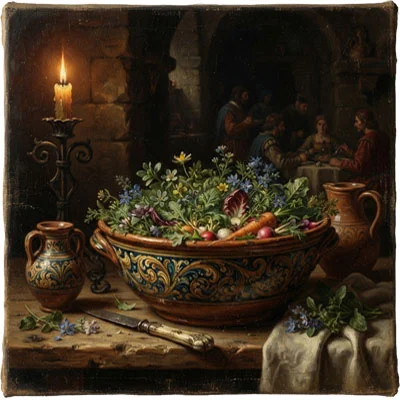
Hey there, fellow food adventurer! Have you ever wondered what the actual kings, queens, emperors, and high-society nobles were munching on before our modern-day "diet salads" took over the world? We are talking about the times when a bowl of fresh greens wasn't just a healthy side dish, but a massive flex of power, wealth, and supreme sophistication. Welcome to your ultimate underground guide to Aristocratic Garden Greens (Salads). We are peeling back the heavy velvet curtains of history to reveal the secret greens, forbidden dressings, and elite botanical rituals that graced the private tables of the world's most exclusive dynasties over the last 200 to 1,000 years. Grab your golden fork, because we are diving straight into the deep end of high-society culinary history!
📜 The Storyteller’s Intro: 1,000 Years of Aristocratic Appetites
To truly understand how a simple bowl of raw leaves became a symbol of ultimate prestige, we have to travel back in time. For the global elite, a salad was never just food; it was a complex canvas of medicinal alchemy, rare imported botanical specimens, and political statements. If you could serve crisp, perfectly preserved, exotic greens in the middle of a harsh winter or a dry season, you weren't just a rich person—you were practically a god who commanded nature itself.
🏛️ The Three Eras of Elite Gastronomy
◦ The Medieval Botanical Mastery (11th – 15th Century): This was the era of the sacred monastery gardens and fortress kitchens. Salads during this time were heavily focused on medicinal herbs, wild foraging, and intensely aromatic floral elements. Only the highest nobility could afford master gardeners who understood how to safely mix bitter wild weeds with sweet, cultivated leaves to balance the body's humors according to ancient medical texts.
◦ The Renaissance and Imperial Splendor (16th – 18th Century): As trade routes exploded across the globe, the tables of European monarchs and Asian emperors changed forever. This era introduced dazzling global exchanges. Nobles obsessed over visual architecture, creating massive, towering salad structures decorated with real gold leaf, rare citrus fruits, and intricate sugar sculptures to blow the minds of visiting foreign ambassadors.
◦ The Belle Époque and Gilded Age Refinement (19th – Early 20th Century): Moving closer to the modern era, the last 200 years shifted the focus toward extreme culinary precision, delicate knife work, and secret, highly guarded emulsion dressings. This was the birth of the ultra-exclusive country club and private estate culture, where family chefs closely guarded their signature salad sauces like multi-million-dollar state secrets.
👑 The Secret Culinary Rituals of the Nobles
◦ The Sacred Cleansing Ritual: In many ancient royal courts, raw greens were viewed with a mix of suspicion and reverence. To protect the king from poison or disease, garden greens went through intense purification rituals, washed multiple times in specialized rosewater, heavy brine, or rare mineral spring waters before they ever touched a royal plate.
◦ The Art of the Master Herbalist: Royal kitchens didn’t just have regular cooks; they employed specialized botanical masters. These experts spent their entire lives studying the precise cosmic and seasonal timing for picking elite greens like miner’s lettuce, sorrel, and nasturtium to ensure the absolute peak of flavor and vitality for the royal family.
◦ The Visual Hierarchy of Serving: Nobles never ate salads out of basic wooden bowls. These delicate greens were presented on custom-carved jade platters, hand-painted porcelain, or solid silver dishes. The arrangement of the leaves was treated like fine art, designed to reflect the geometry of the palace's own private labyrinth gardens.
◦ The Secretive Dressings: The true magic lay in the dressings, which were prepared away from prying eyes. Chefs used highly prized, fermented nectars, cold-pressed oils from ancient olive groves, and exotic ground spices that cost more than a commoner's house, ensuring that the flavor profile could never be replicated by anyone outside the palace walls.
🗺️ The Sovereign Flavor Map: Deep Dive into 6 Continents
Now, let’s take an exclusive look across the globe. Each continent developed its own incredibly unique, highly secret tradition of cultivating and tossing elite garden greens. Here is a sneak peek at the most legendary, hidden salad concepts from the world's most exclusive regional dynasties.
🛕 The Forbidden Flavors of Asia
◦ The Legacy of the Imperial Jade Courts: In the heart of ancient Asian empires, salad preparation was deeply tied to spiritual harmony and long life. The elite didn't just eat greens for taste; they ate them to achieve physical immortality and balance their internal energy.
◦ The Emerald Chrysanthemum Crown: A legendary, highly classified salad concept featuring the tenderest, young white chrysanthemum petals, flash-wilted mountain fern shoots, and rare wild ginseng threads. It was brought together by a secret dressing made from aged plum essence and cold-pressed tea seed oil, reserved exclusively for the Emperor during the autumn equinox.
◦ The Harmony of Textures: Unlike Western salads, Asian aristocratic greens focused heavily on the contrast between crisp, hand-torn lotus roots, velvety water spinach tips, and crunchy, rare wood-ear mushrooms, creating a multi-sensory experience that felt like poetry on the tongue.
🏺 The Sun-Drenched Heritage of Africa
◦ The Royal Oasis Estates: Across the great ancient kingdoms and empires of Africa, the ruling class utilized highly advanced irrigation systems to grow lush, hidden garden oases right in the middle of arid landscapes, producing exceptionally crisp, mineral-rich greens.
◦ The Golden Amaranth of the Emperors: A stunning historic green salad concept utilizing the nutrient-dense leaves of the red amaranth plant, paired with wild, peppery arugula grown along the banks of sacred rivers. The secret element was an ultra-luxurious dressing infused with crushed moringa pods, wild desert honey, and rare baobab pulp juice.
◦ The Inclusion of Sacred Ancient Grains: African noble salads often integrated delicate, fluffy pillows of cooked fonio or teff directly into the greens, transforming a light appetizer into a majestic, high-energy feast fit for warriors and queens.
🏰 The Imperial Banquets of Europe
◦ The Grand Court Showstoppers: European royalty turned salad making into a massive theatrical performance. During the height of the Renaissance and Baroque eras, grand salads were the centerpieces of multi-day feasts, designed to showcase the monarch’s absolute control over land and agriculture.
◦ The Versailles Grand Labyrinth Salad: This secret concept comes straight from the private sun-rooms of 17th-century European royalty. It combined ultra-rare variegated chicory, sweet blanched endives, and edible heirloom marigolds. The crowning glory was a highly guarded, velvety emulsion dressing made from verjuice (the tart juice of unripened grapes) and walnut oil from century-old trees.
◦ The Edible Floral Revolution: European nobles absolutely obsessed over eating flowers. Their salads were consistently covered in crystallized violets, borage blossoms, and primrose leaves, making the dish look exactly like a living oil painting.
🦅 The Grand Dynasties of North America
◦ The Pre-Colonial and Early Estate Legacies: Long before modern times, the high-ranking leaders of indigenous civilizations and the early elite landowners of North America enjoyed incredibly rich, localized botanical salads that utilized the pristine, untamed wealth of the continent's forests.
◦ The Appalachian Spring Ramp Sovereign: A legendary, private estate salad concept featuring ultra-rare, wild ramp greens harvested during a two-week window in spring, tossed with tender fiddlehead ferns and sweet wild wintergreen leaves. It was finished with a unique, rich dressing crafted from pure, fire-reduced dark maple sap and toasted hickory nut oil.
◦ The Berry and Botanical Infusions: North American elite salads uniquely paired ultra-crisp forest greens with rare, wild-foraged berries like golden raspberries and huckleberries, offering a sharp, vibrant contrast to the deep, earthy tones of the local greens.
🐆 The Lost Gold Kitchens of South America
◦ The Terraced Mountain Paradise: High up in the cloud forests and deep within the royal valleys, South American nobility developed breathtaking terraced gardens. They cultivated unique microclimates that allowed them to grow sweet, crisp greens that couldn't survive anywhere else on earth.
◦ The Sun-King’s Quinoa Leaf Treasure: A deeply historical salad concept built around the tender, young leaves of the quinoa plant—which were usually reserved only for the ruling elite—mixed with wild watercress foraged from pristine Andean glacial streams. The secret dressing relied on the vibrant, acidic punch of native goldenberry juice mixed with rich avocado seed oil.
◦ The Incorporation of Sacred Roots: These salads were frequently elevated by adding razor-thin ribbons of sweet, crunchy yacon root and jicama, adding a refreshing, hydrating crunch that perfectly balanced the bold, spicy wild herbs.
🌊 The Tribal Nobility of Australia and Oceania
◦ The Wealth of the Island Monarchs: In the vast Pacific, the high chiefs and royal families relied on a brilliant mix of coastal land botanicals and pristine ocean greens, creating a salad culture that tasted completely unlike anything else in the world.
◦ The Oceanic Sea-Pearls and Pigface Greens: A magnificent coastal salad concept combining the incredibly salty, crunchy bursts of fresh sea grapes (green caviar) with the thick, juicy leaves of coastal pigface greens and wild sea parsley. The dressing was a highly guarded island secret, utilizing the rich, thick first-press cream of wild-harvested coconuts and a dash of fermented lime juice.
◦ The Masterful Use of Earth-Oven Wilting: To create a truly unique texture, island nobles often had their tough, fibrous jungle greens wrapped in sacred leaves and gently steamed over hot volcanic stones for just a few seconds before being tossed with cold, crisp coastal herbs.
🖐️ Palace Kitchen Mysteries: Aristocratic Garden Greens (Salads) FAQ
Q1.How did ancient royal chefs keep garden greens perfectly crisp without modern refrigeration?
It was all about incredible architectural planning! Royal palaces were built with deep, underground ice houses packed with winter river ice, or cool stone cellars located next to natural underground springs. Chefs would wrap the delicate greens in damp, sterile linen cloths and store them in heavy clay jars inside these subterranean chambers, keeping them shockingly fresh and crisp for days.
Q2.Why were certain salad greens considered completely "forbidden" to the common public?
It came down to land ownership and strict class laws. Rare varieties of greens, such as specific variegated chicories or sacred amaranth plants, were grown exclusively inside the private, walled gardens of the king or high lords. If a commoner was caught picking or growing these elite botanicals, it was considered a direct theft from the crown, resulting in severe punishment.
Q3.What gave aristocratic salad dressings their unique, creamy textures before commercial thickeners?
The secret lay in masterfully natural emulsions. Palace chefs spent hours hand-grinding raw pumpkin seeds, macadamia nuts, or blanched almonds into ultra-fine, milky pastes using stone mortars. They would then slowly whisk these rich nut pastes with tart fruit juices, wild honey, and cold-pressed oils to create incredibly luxurious, velvety dressings that perfectly coated every single leaf.
Q4.Did ancient nobles eat salads at the beginning or the end of their massive banquets?
This actually varied beautifully by culture! In European courts, salads were often served at the very beginning of the feast to "open the stomach" and stimulate digestion, or right at the end to cleanse the palate after heavy meats. In Asian imperial courts, greens were carefully served throughout the meal to maintain a strict balance of hot and cold energies across all the dishes.
🧠 Final Thoughts: Bringing Regal Legacies to Your Table
There you have it! A complete, exclusive look behind the scenes of the world's most luxurious, historical Aristocratic Garden Greens (Salads). These dishes were never meant to be boring or plain; they were designed to be spectacular, mysterious, and deeply memorable expressions of culinary art.
Are you ready to unlock the actual ingredient lists, precise measurements, and step-by-step assembly secrets of these ancient noble masterworks? Your journey into the elite kitchens of the past is just getting started. Click the links below to explore our fully detailed, exclusive master recipes for each region, and start preparing authentic, jaw-dropping royal salads in your very own kitchen tonight!
👑🌐 Asia Aristocratic Garden Greens (Salads)
👉 🇹🇭 👑🥗 Thai Aristocratic Garden Greens Recipes
👉 🇱🇦 👑🥗 Lao Aristocratic Garden Greens Recipes
👑🌐 Africa Aristocratic Garden Greens (Salads)
👉 🇬🇭 👑🥗 Ghanaian Aristocratic Garden Greens Recipes
👉 🇬🇦 👑🥗 Gabonese Aristocratic Garden Greens Recipes
👑🌐 Europe Aristocratic Garden Greens (Salads)
👉 🇦🇱 👑🥗 Albanian Aristocratic Garden Greens Recipes
👉 🇦🇩 👑🥗 Andorran Aristocratic Garden Greens Recipes
👑🌐 North America Aristocratic Garden Greens (Salads)
👉 🇺🇸 👑🥗 American Aristocratic Garden Greens Recipes
👉 🇲🇽 👑🥗 Mexican Aristocratic Garden Greens Recipes
👑🌐 South America Aristocratic Garden Greens (Salads)
👉 🇧🇷 👑🥗 Brazilian Aristocratic Garden Greens Recipes
👉 🇬🇾 👑🥗 Guyanese Aristocratic Garden Greens Recipes
👑🌐 Australia and Oceania Aristocratic Garden Greens (Salads)
👉 🇦🇺 👑🥗 Australian Aristocratic Garden Greens Recipes
👉 🇳🇿 👑🥗 New Zealander Aristocratic Garden Greens Recipes
| 🏠 < Back | 🌐 👑🍲 < Back | Next > 🍞👑 🌐 |
| Next > 🌐 Recipes | Next > 👑 Royal Recipes | Next > 🏛️ Ancient Recipes |
| Next > 🧊 Prehistoric Recipes | Next > 🔥 Lower Paleolithic Recipes |