
🏠 Home > 🗺️ Recipes > 👑🍷 Noble Elixirs & Teas (Drinks)
👑🍷 Noble Elixirs & Teas (Drinks) Recipes from Around the World
Published by Supakorn | Updated: September 2026
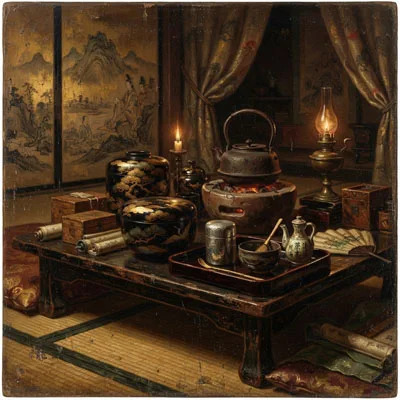
📜 The Storyteller’s Intro: 1,000 Years of Aristocratic Appetites
This is the sacred codex revealing the secret beverage traditions of noble houses and ancient aristocracies aged 200 to 1,000 years. Noble Elixirs & Teas (Drinks) were never just refreshments. They were liquid diplomacy, health doctrines, and symbols of divine right served in jade, silver, and hand-carved horn. For centuries, royal kitchens guarded these recipes like crown jewels. What the court drank defined alliances, seasons, and even the fate of empires. Today we open the gilded doors to a world where every sip was politics, medicine, and poetry in a cup. No alcohol, no common brews. Only the forbidden flavors that whispered power across dynasties.
🏛️ The Three Eras of Elite Gastronomy
Across 1,000 years of documented noble beverage culture, three distinct periods shaped what the aristocracy drank and why:
1.The Mystic Age (1026 – 1426): This 400-year span was ruled by alchemy and spiritual symbolism. Noble families believed drinks carried celestial energy. Court physicians and monks collaborated to craft elixirs from mountain herbs, sacred flowers, and aged roots. Recipes were recorded in temple manuscripts and locked in palace vaults. Drinking rituals followed lunar calendars and solstices.
2.The Imperial Renaissance (1426 – 1826): Global exploration brought new botanicals to noble tables. Empires competed not just with armies, but with spice caravans and botanical gardens. Elixirs became showcases of trade power. Royal greenhouses grew ingredients from distant colonies. Tea ceremonies and infused tonics turned into elaborate court performances with strict etiquette.
3.The Golden Revival (1826 – 2026): As monarchies modernized, old houses preserved their beverage secrets as cultural identity. Great-grandmother’s handwritten recipe books became heirlooms. Noble families began documenting regional tonics to protect them from industrialization. Today, these drinks are studied for their adaptogenic properties and historical significance.
👑 The Secret Culinary Rituals of the Nobles
Aristocratic drinking culture was never casual. Every element had meaning. Cups were chosen by time of day and guest rank. Silver was used to detect impurities, porcelain to control temperature, and carved coconut shells to honor land spirits. Infusion times were measured by incense burns or sundial shadows. Servants trained for years just to brew a single royal tonic. The most guarded secrets were not ingredients alone, but when to harvest, how to dry under specific moonlight, and who was permitted to pour. Many noble houses had a “Keeper of the Elixir,” a role passed down through bloodlines. These drinks were consumed before treaties, after hunts, during mourning, and at coming-of-age rites. They were medicine, meditation, and message.
🗺️ The Sovereign Flavor Map: Deep Dive into 6 Continents
Across six continents, noble families developed parallel worlds of flavor. Climate, belief, and lineage shaped every drop. Here are the hidden legacies still whispered in old manor halls today.
🛕 The Forbidden Flavors of Asia
Asia’s dynasties mastered balance. Chinese imperial courts brewed Eight Immortal Dew, a night-harvested chrysanthemum and snow lotus infusion served only to empresses during autumn festivals. In Joseon Korea, yangban scholars sipped Moonlit Pine Needle Tea for clarity before state exams, aged in clay jars buried for 100 days. Indian maharajas commissioned Royal Saffron Tulsi Mist, where Himalayan tulsi was infused with Kashmir saffron threads under silk cloth at dawn. Japanese kuge nobility guarded Wisteria Bloom Elixir, a floral tonic served during cherry blossom viewings to symbolize transient power. These drinks were less about thirst and more about aligning the body with court philosophy.
🏺 The Sun-Drenched Heritage of Africa
African royal compounds treated beverages as ancestral bridges. In the Ethiopian Solomonic dynasty, Koseret Monarch’s Brew blended sacred koseret leaves with wild honey and highland rose water, reserved for coronations. West African obas of the Oyo Empire consumed Dawadawa Sun Tonic, a fermented locust bean and baobab infusion believed to carry the strength of ancestors. North African Moorish nobles perfected Saharan Mint & Amber Essence, where desert mint was slow-steamed with date molasses and a single drop of tree resin. Served in brass teapots under starlight, these drinks honored lineage, land, and the spirits of the savanna.
🏰 The Imperial Banquets of Europe
European courts turned drinking into theater. The Medici family served Florentine Violet Draught, a candied violet and lemon balm tonic in crystal goblets to signal wealth and refinement. Russian tsars began winter mornings with Romanov Fire Blossom Tea, a rosehip, sea buckthorn, and dried apple infusion boiled in samovars for hours. In Versailles, Sun King’s Orchard Nectar combined pear essence, chamomile, and honeyed fig, sipped from Sèvres porcelain during garden promenades. Habsburg archdukes prized Alpine Edelweiss Tisane, a rare mountain flower infusion said to grant resilience. Each recipe was a political statement disguised as hospitality.
🦅 The Grand Dynasties of North America
Before colonization, elite lineages in North America had sophisticated beverage rites. Mississippian chiefs brewed Black Drink of Cahokia, a holly-leaf and yaupon infusion used in purification ceremonies, served in engraved conch shells. Mayan ajaw nobility consumed Sacred Cacao Blossom Water, unsweetened and infused with vanilla orchid petals, reserved for royal bloodlines. In the Pacific Northwest, tribal leaders shared Cedar Whisper Tonic, a gentle steam-distilled cedar tip and huckleberry leaf blend, marking peace agreements. These were not everyday drinks. They were ceremonial, spiritual, and strictly hierarchical.
🐆 The Lost Gold Kitchens of South America
High in the Andes and deep in the Amazon, noble classes protected elixirs that defied time. Incan panacas royalty drank Qoya’s Golden Quinoa Nectar, a toasted quinoa, maca, and purple corn infusion served warm in gold keros. The Muisca zipa rulers of Colombia offered Lagoon Elderflower Mist, gathered from mountain lake blooms and sweetened with sugarcane honey during solstice rites. Amazonian elite families crafted Forest Crown Elixir from guayusa, cupuaçu pulp, and vanilla bean, believed to connect drinkers to jungle spirits. Hidden from conquistadors, many of these recipes survived only through oral tradition in noble family lines.
🌊 The Tribal Nobility of Australia and Oceania
Island and land-based aristocracies here drew power from sea and bush. Hawaiian ali’i class sipped Royal ‘Ōlena Dawn, a turmeric root, coconut water, and mountain apple infusion served at sunrise to honor ancestors. Māori ariki leaders prepared Kawakawa Rangatira Brew, using native kawakawa leaves with manuka honey, reserved for treaty meetings. Aboriginal elder lineages in Australia guarded Lemon Myrtle Dreaming Tea, a fragrant bush infusion used in songline ceremonies. Polynesian chiefly families fermented Noble Noni & Lime Essence under tapa cloth for months. Every ingredient was foraged with protocol, and waste was considered disrespect to the land.
🖐️ Palace Kitchen Mysteries: Noble Elixirs & Teas (Drinks) FAQ
Q1. Why were so many noble drink recipes kept secret for centuries?
Recipes equaled power. Controlling rare ingredients, preparation timing, and serving rituals meant controlling health, diplomacy, and social status. Many houses wrote them in code or taught them only to heirs. Revealing them risked losing political leverage or cultural identity to rivals.
Q2. What makes a drink a “noble elixir” versus common tea?
Provenance and purpose. Noble elixirs use ingredients historically restricted by class, geography, or law. They follow documented court rituals, harvest under specific celestial or seasonal rules, and were originally served only to titled families. It’s lineage in a cup, not just flavor.
Q3. Are these ancient noble drinks safe for modern consumption?
Most are based on herbs, fruits, and spices still used today. However, historical methods included foraging rules and preparation steps we don’t always understand now. Always cross-reference with a qualified herbalist before recreating, especially for foraged or unfamiliar botanicals.
Q4. Did noble houses really have a specific person to make drinks?
Yes. Titles like “Royal Infusion Master,” “Keeper of the Elixir,” or “Palace Tisane Steward” appear in court records from China to France. They managed gardens, trained apprentices, and were responsible for the health of the ruling family. A mistake could mean exile.
🧠 Final Thoughts: Bringing Regal Legacies to Your Table
For 1,000 years, what nobles drank told the story of their world. These elixirs are time capsules of belief, botany, and power. They remind us that a drink can be a ceremony, a medicine, and a map of empire all at once. The velvet curtain has been lifted. The vault is open.
Ready to brew like royalty? Step inside the private archives. Click through to each continent’s full codex to explore the protected ingredient lists, harvest calendars, and ceremonial steps behind these noble elixirs. Your court awaits.
👑🌐 Asia Noble Elixirs & Teas (Drinks)
👉 🇹🇭 👑🍷 Thai Noble Elixirs & Teas Recipes
👉 🇱🇦 👑🍷 Lao Noble Elixirs & Teas Recipes
👑🌐 Africa Noble Elixirs & Teas (Drinks)
👉 🇬🇭 👑🍷 Ghanaian Noble Elixirs & Teas Recipes
👉 🇬🇦 👑🍷 Gabonese Noble Elixirs & Teas Recipes
👑🌐 Europe Noble Elixirs & Teas (Drinks)
👉 🇦🇱 👑🍷 Albanian Noble Elixirs & Teas Recipes
👉 🇦🇩 👑🍷 Andorran Noble Elixirs & Teas Recipes
👑🌐 North America Noble Elixirs & Teas (Drinks)
👉 🇺🇸 👑🍷 American Noble Elixirs & Teas Recipes
👉 🇲🇽 👑🍷 Mexican Noble Elixirs & Teas Recipes
👑🌐 South America Noble Elixirs & Teas (Drinks)
👉 🇧🇷 👑🍷 Brazilian Noble Elixirs & Teas Recipes
👉 🇬🇾 👑🍷 Guyanese Noble Elixirs & Teas Recipes
👑🌐 Australia and Oceania Noble Elixirs & Teas (Drinks)
👉 🇦🇺 👑🍷 Australian Noble Elixirs & Teas Recipes
👉 🇳🇿 👑🍷 New Zealander Noble Elixirs & Teas Recipes
| 🏠 < Back | 🌐 👑🍨 < Back | Next > 🍲👑 🌐 |
| Next > 🌐 Recipes | Next > 👑 Royal Recipes | Next > 🏛️ Ancient Recipes |
| Next > 🧊 Prehistoric Recipes | Next > 🔥 Lower Paleolithic Recipes |