
🏠 Home > 🗺️ Recipes > 👑🍨 Grand Finales (Desserts)
👑🍨 Grand Finales (Desserts) Recipes from Around the World
Published by Supakorn | Updated: September 2026
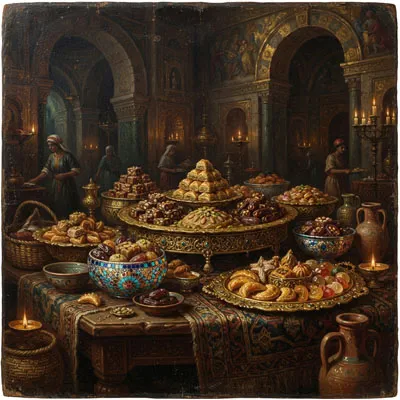
📜 The Storyteller’s Intro: 1,000 Years of Aristocratic Appetites
Welcome back, my friend! If you thought royal starters were a masterclass in culinary secrecy, wait until you step into the sweet, fragrant world of the palace pastry chambers. For over ten centuries, the ultimate climax of any grand aristocratic banquet wasn't just a simple treat—it was the "Grand Finale." These were highly guarded, jaw-dropping sugar creations and frozen delicacies designed to leave visiting royalty completely speechless. In ancient times, sugar, ice, and exotic fruits were rare luxuries that only the absolute ruling class could afford. Today, we are cracking open the secret vaults to see how ancient master pastry chefs used sweetness to display supreme power and majestic wealth.
🏛️ The Three Eras of Elite Gastronomy
The incredible evolution of royal confections and sweet masterpieces moved through three distinct, legendary historical periods:
◦ The Age of Sacred Nectars (1,000 Years Ago): Long before refined white sugar ruled the world, imperial dessert kitchens relied entirely on wild forest honey, thick sugarcane reductions, and sweet tree saps. Desserts in this era were deeply intertwined with natural medicine, utilizing rare roots and dried fruits to create dense, warming sweets for the royal court.
◦ The Sugar Renaissance (500 Years Ago): As global maritime trade lines expanded, sugar became the ultimate status symbol of European, Asian, and Middle Eastern courts. Royal pastry chefs transformed into elite sculptors, constructing massive, intricate edible castles and lifelike sugar dioramas that sat proudly in the center of the imperial banquet tables.
◦ The Era of Frozen Mastery (200 Years Ago): This dazzling period marked the perfection of temperature control. Palace kitchens built deep underground ice houses to store winter snow, allowing master chefs to surprise kings and queens with incredibly smooth frozen creams, delicate fruit water-ices, and beautifully layered cold pastries.
👑 The Secret Culinary Rituals of the Nobles
Behind the velvet curtains, the sweet habits of ancient rulers were filled with fascinating traditions and high artistic drama:
◦ The Presentation Parade: The sweet course was never just brought out quietly. In many royal courts, a parade of elite guards and musicians would trumpet the arrival of the grand dessert, turning the sweet finale into a massive theatrical show.
◦ Gold and Silver Gilding: Rulers loved eating actual wealth. Master chefs would meticulously apply whisper-thin sheets of pure edible gold and real silver leaf onto the royal cakes and puddings, believing it brought good health and unmatched majesty.
◦ The Guarded Sugar Vaults: Because refined sugar and exotic spices like vanilla and nutmeg were so ridiculously expensive, they were kept in velvet-lined boxes locked with special brass keys, which were held only by the high-ranking noble lady of the palace or the head chef.
🗺️ The Sovereign Flavor Map: Deep Dive into 6 Continents
🛕 The Forbidden Flavors of Asia
In the spectacular dynasties of the East, royal desserts were a beautiful balance of aromatic floral waters, silky coconut extracts, and precious grains. These sweets were crafted to soothe the palate after intense, fiery main courses.
◦ The Imperial Jade Rice Delicacy: A highly secret, slow-steamed sweet rice treat infused with the fresh juice of fragrant wild leaves, giving it a stunning green color, topped with thick, salted coconut cream.
◦ The Golden Royal Flower Threads: An incredibly delicate Thai court sweet made by painting rich yolk ribbons through boiling, scented sugar syrups, creating fine silk-like golden threads.
◦ The Saffron-Infused Milk Reductions: Rich, slow-simmered dairy puddings from Indian princely states, heavily perfumed with precious saffron strands, crushed green cardamoms, and real edible silver.
🏺 The Sun-Drenched Heritage of Africa
African royal dessert history shines brightly within the legendary gold-rich empires and ancient kingdoms. Sweetness here was derived from the absolute finest gifts of the earth—sun-dried fruits, wild flower honey, and rich, earthy nut oils.
◦ The Honeyed Spelt and Date Diamonds: A dense, fragrant court sweet made from hand-ground ancient grains, loaded with crushed sweet dates, and drenched in wild mountain honey.
◦ The Baobab and Hibiscus Velvet Creams: A beautifully tart, bright red cooling cream made from pressed hibiscus blossoms and thick, nutrient-dense tree fruit starches.
◦ The Roasted Tiger Nut Confections: Small, elegant noble bites created by mashing sweet, roasted native tubers with rich sesame pastes and exotic desert spices.
🏰 The Imperial Banquets of Europe
European royal pastry kitchens treated dessert as an architectural art form. From the grand, glittering halls of Vienna to the majestic palaces of the Mediterranean, sweets were creamy, flaky, and visually striking.
◦ The Mille-Feuille of the Kings: Countless layers of whisper-thin, buttery puff pastry separated by smooth, rich vanilla-bean pastry creams, dusted with snowy sugar.
◦ The Royal Rosewater Meringue Towers: Giant, crisp, snow-white baked sugar clouds flavored with the distilled essence of palace-garden roses and filled with fresh berries.
◦ The Velvet Orchard Fruit Glazes: Whole, pristine orchard fruits slow-poached in sweet fruit reductions, coated in a glossy, glass-like sugar shell that cracked beautifully under a silver spoon.
🦅 The Grand Dynasties of North America
Long before the modern era, the ancient empires and elite historical estates of North America celebrated sweetness through the brilliant utilization of native forest trees, sweet wild grains, and mountain berries.
◦ The Amber Maple Sugar Snow: A seasonal sweet tradition where thick, hot maple tree reductions were poured directly over clean winter snow to create instant, chewy, caramel-like pulled candies.
◦ The Sweet Corn and Berry Stewed Puddings: Heirloom blue and yellow corn slowly simmered with wild mountain blackberries and sweetened with natural sweet root extracts.
◦ The Roasted Squash and Pecan Clusters: Tender rounds of native autumn squash glazed with wild syrups and topped with crispy, freshly cracked wild forest nuts.
🐆 The Lost Gold Kitchens of South America
Deep within the high-cloud empires of the Andes and the lush Amazonian river courts, noble sweetness revolved around the sacred cacao bean, sweet tropical roots, and exotic jungle fruits.
◦ The Sacred Cacao Honey Pastes: A rich, intense noble treat made from stone-ground dark cacao beans mixed with wild jungle honey and spiked with a touch of sweet vanilla orchid pod.
◦ The Steamed Sweet Potato and Coconut Pockets: Smooth, vibrant purple and orange tuber mashes flavored with sweet cane juice, wrapped neatly in green leaves, and gently steamed.
◦ The Golden Incan Berry Reductions: Tart, golden mountain berries slow-cooked into a thick, glossy syrup, served over fresh, soft unripened curd cheeses.
🌊 The Tribal Nobility of Australia and Oceania
Across the emerald islands of the Pacific and the ancient landscapes of Australia, tribal chiefs and island rulers enjoyed natural, fresh grand finales sourced straight from tropical trees and coastal forests.
◦ The Slow-Baked Coconut Leaf Custards: Rich coconut creams mixed with sweet tropical fruit starches, poured into woven green leaves, and baked slowly under hot volcanic stones.
◦ The Wild Rainforest Plum Glazes: Incredibly tart native plums slow-simmered with sweet palm saps until thick, sticky, and completely dark crimson.
◦ The Roasted Macadamia and Honey Crumbles: Premium, buttery native nuts roasted over low fires, crushed and tossed with wild bush honey, served inside clean coconut shells.
👋 Palace Kitchen Mysteries: Grand Finales (Desserts) FAQ
Q1: Why was the presentation of desserts considered so politically important in ancient royal courts?
A: Serving a grand dessert was the ultimate display of wealth and technological power. Being able to serve massive sugar sculptures or frozen treats meant the ruler possessed immense riches, advanced trade networks for rare ingredients, and state-of-the-art ice storage houses.
Q2: How did ancient royal pastry chefs make colorful desserts without modern food colorings?
A: They relied entirely on the brilliant palette of Mother Nature. Chefs used vibrant red hibiscus petals for crimson, expensive saffron threads for brilliant gold, green pandan or spinach extracts for emerald green, and dark orchid roots for deep purples.
Q3: Were royal desserts always eaten with specialized utensils?
A: Yes, indeed. Rulers used exquisite dessert cutlery made specifically for sweets. This included small, beautifully balanced solid gold spoons, delicate mother-of-pearl scrapers that wouldn't alter the subtle taste of frozen creams, and polished ivory picks.
Q4: Did ancient royal families enjoy frozen desserts even in hot tropical countries?
A: Absolutely! Tropical emperors and kings paid massive teams of runners to bring fresh ice down from high mountain peaks under the cover of night. This precious ice was rushed to the palace kitchens to create exclusive, instant frozen fruit pulps for the king.
🧠 Final Thoughts: Bringing Regal Legacies to Your Table
Exploring the sweet histories of these legendary grand finales shows us that ancient desserts were never just an afterthought—they were a spectacular celebration of human creativity, natural luxury, and pure indulgence. These 200 to 1,000-year-old traditions prove that our love for a sweet ending is something we share deeply with the greatest kings, queens, and emperors of the past. The cool part? You can bring that exact same majestic energy into your dining room today.
Ready to awaken the sleeping royal pastry chef inside you and learn the exact step-by-step methods for these legendary creations? Click the exclusive links below to browse our deep-dive continent guides and start serving true aristocratic sweetness tonight!
👑🌐 Asia Grand Finales (Desserts)
👉 🇹🇭 👑🍨 Thai Grand Finales Recipes
👉 🇱🇦 👑🍨 Lao Grand Finales Recipes
👑🌐 Africa Grand Finales (Desserts)
👉 🇬🇭 👑🍨 Ghanaian Grand Finales Recipes
👉 🇬🇦 👑🍨 Gabonese Grand Finales Recipes
👑🌐 Europe Grand Finales (Desserts)
👉 🇦🇱 👑🍨 Albanian Grand Finales Recipes
👉 🇦🇩 👑🍨 Andorran Grand Finales Recipes
👑🌐 North America Grand Finales (Desserts)
👉 🇺🇸 👑🍨 American Grand Finales Recipes
👉 🇲🇽 👑🍨 Mexican Grand Finales Recipes
👑🌐 South America Grand Finales (Desserts)
👉 🇧🇷 👑🍨 Brazilian Grand Finales Recipes
👉 🇬🇾 👑🍨 Guyanese Grand Finales Recipes
👑🌐 Australia and Oceania Grand Finales (Desserts)
👉 🇦🇺 👑🍨 Australian Grand Finales Recipes
👉 🇳🇿 👑🍨 New Zealander Grand Finales Recipes
| 🏠 < Back | 🌐 👑🍝 < Back | Next > 🍷👑 🌐 |
| Next > 🌐 Recipes | Next > 👑 Royal Recipes | Next > 🏛️ Ancient Recipes |
| Next > 🧊 Prehistoric Recipes | Next > 🔥 Lower Paleolithic Recipes |