
🏠 Home > 🗺️ Recipes > 👑🍞 Artisan Royal Breads (Breads)
👑🍞 Artisan Royal Breads (Breads) Recipes from Around the World
Published by Supakorn | Updated: September 2026
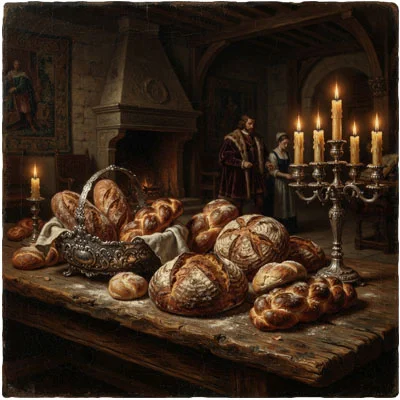
📜 The Storyteller's Intro: 1,000 Years of Aristocratic Appetites
Long before modern bakeries lined city streets, bread occupied a place of honor inside royal palaces and noble estates. Across civilizations, artisan bread was never viewed as a simple staple. It symbolized prosperity, hospitality, divine blessing, and the remarkable craftsmanship of palace bakers whose knowledge was carefully protected within royal walls.
Between 200 and 1,000 years ago, kings, queens, emperors, sultans, and aristocratic families relied on dedicated palace bakeries where carefully selected grains, rare spices, fragrant herbs, premium butter, honey, dried fruits, seeds, and ceremonial baking techniques transformed ordinary flour into extraordinary masterpieces.
Many of these breads were reserved exclusively for coronations, diplomatic receptions, seasonal festivals, royal weddings, harvest celebrations, and sacred ceremonies. Some recipes remained closely guarded family treasures, passed from one generation of palace bakers to the next without ever being written down.
This guide uncovers the fascinating history behind Artisan Royal Breads from around the world. Rather than revealing complete recipes, we explore the stories, traditions, signature palace loaves, and aristocratic dining customs that elevated bread into one of history's greatest culinary treasures.
From the magnificent imperial courts of Asia to the elegant castles of Europe, the ancient kingdoms of Africa, the ceremonial kitchens of the Americas, and the island cultures of Oceania, every region developed its own interpretation of royal bread—each reflecting centuries of cultural identity and refined craftsmanship.
🏛️ The Three Eras of Elite Gastronomy
• Era One: The Sacred Foundations of Royal Baking (Approximately 1,000–700 Years Ago)
During the earliest period of palace baking, bread represented life, prosperity, and divine favor. Royal households often maintained private granaries and dedicated ovens that supplied ceremonial breads throughout the year.
Characteristics of this era included:
◦ Stone-ground grains prepared by skilled millers.
◦ Naturally fermented dough using traditional starters.
◦ Wood-fired palace ovens.
◦ Decorative scoring inspired by royal symbols.
◦ Recipes preserved through oral tradition.
◦ Bread served during religious ceremonies and royal celebrations.
Many famous palace breads across Asia, the Middle East, and Europe originated during this foundational era.
• Era Two: The Flourishing Age of Noble Bakeries (Approximately 700–400 Years Ago)
As trade routes expanded across continents, palace bakeries gained access to remarkable ingredients from distant regions.
Royal bakers experimented with:
◦ Aromatic cinnamon and cardamom.
◦ Premium sesame and poppy seeds.
◦ Dried fruits and orchard harvests.
◦ Exotic nuts.
◦ Rare floral infusions.
◦ High-quality wheat and specialty grains.
Bread gradually evolved from daily nourishment into edible artistry, where appearance became just as important as flavor.
During this golden period, royal baking guilds emerged in many kingdoms, protecting techniques that ordinary citizens rarely experienced.
• Era Three: The Golden Age of Palace Artisan Bread (Approximately 400–200 Years Ago)
Royal baking reached extraordinary sophistication.
Elite palace bakeries produced:
◦ Multi-layer ceremonial breads.
◦ Decorative braided loaves.
◦ Golden celebration breads.
◦ Delicate milk breads.
◦ Sweet festive palace buns.
◦ Signature regional specialties.
Presentation became an essential part of aristocratic dining, with breads carefully arranged according to banquet etiquette and seasonal celebrations.
Many artisan breads still enjoyed today preserve techniques first perfected inside these historic palace kitchens.
👑 The Secret Culinary Rituals of the Nobles
For noble families, bread represented much more than nourishment.
Royal baking traditions often reflected social status, seasonal abundance, spiritual symbolism, and hospitality.
Common palace customs included:
◦ Serving freshly baked bread before the main banquet.
◦ Reserving the finest flour exclusively for the royal family.
◦ Decorating ceremonial loaves with symbolic patterns.
◦ Baking different breads according to each season.
◦ Pairing breads with palace soups, roasted dishes, and elegant spreads.
◦ Protecting starter cultures that remained active for generations.
◦ Allowing only trusted master bakers to prepare important ceremonial loaves.
In many kingdoms, palace ovens operated before sunrise so that warm bread could greet distinguished guests arriving for morning audiences or diplomatic meetings.
The aroma of freshly baked artisan bread became a familiar symbol of prosperity throughout royal residences, where every loaf reflected patience, precision, and generations of accumulated knowledge.
🗺️ The Sovereign Flavor Map: Deep Dive into 6 Continents
Although every civilization baked bread, royal kitchens transformed simple dough into expressions of cultural identity.
Across six continents, noble bakers developed extraordinary traditions shaped by climate, agriculture, trade, religion, and palace etiquette.
The following regions reveal how artisan royal breads evolved into treasured culinary legacies.
🛕 The Forbidden Flavors of Asia
Asia preserves some of humanity's oldest baking traditions, where royal breads combined refined craftsmanship with deep cultural symbolism. Palace bakeries often supplied breads for imperial banquets, religious observances, seasonal festivals, and diplomatic ceremonies.
Among the celebrated royal-inspired breads are:
◦ Imperial Sesame Bread
◦ Chinese Palace Flower Rolls
◦ Japanese Court Milk Bread
◦ Korean Royal Rice Bread
◦ Mughal Saffron Naan
◦ Persian Noble Flatbread
◦ Ottoman Palace Pide
◦ Thai Royal Coconut Bread
◦ Vietnamese Imperial Herb Bread
Royal Asian baking traditions emphasized:
◦ Carefully balanced natural sweetness.
◦ Elegant decorative patterns.
◦ Fragrant herbs and premium spices.
◦ Soft textures achieved through patient fermentation.
◦ Seasonal ingredients selected from palace gardens.
Many Asian royal bakeries believed bread should complement the entire banquet rather than dominate it. Every loaf was crafted to harmonize with soups, roasted delicacies, fragrant vegetables, and refined desserts.
Centuries of imperial influence helped preserve countless regional baking traditions that continue inspiring artisan bakers throughout the world today.
🏺 The Sun-Drenched Heritage of Africa
Africa's royal baking traditions are deeply rooted in ancient kingdoms, fertile river valleys, caravan trade routes, and remarkable agricultural diversity.
Within noble households, bread frequently represented generosity, abundance, and respect for honored guests.
Historic palace-inspired breads include:
◦ Ethiopian Royal Flatbread
◦ Moroccan Palace Semolina Bread
◦ Nubian Noble Grain Loaf
◦ Ancient Egyptian Honey Bread
◦ Swahili Coastal Coconut Bread
◦ Sahel Millet Royal Bread
◦ Berber Ceremonial Bread
◦ West African Heritage Grain Loaf
Royal African bakeries often featured:
◦ Indigenous grains adapted to local climates.
◦ Stone-ground flour.
◦ Natural fermentation.
◦ Aromatic herbs gathered from surrounding landscapes.
◦ Decorative hand-shaped loaves baked for ceremonial occasions.
Across many royal courts, bread served as the centerpiece of communal dining, symbolizing unity, prosperity, and hospitality. Palace bakers combined regional traditions with ingredients introduced through centuries of trade, creating unique breads that reflected both local heritage and international influence.
🏰 The Imperial Banquets of Europe
European royal bakeries transformed bread into one of the greatest symbols of aristocratic elegance. From medieval castles to magnificent Renaissance palaces, master bakers refined techniques that elevated humble dough into ceremonial masterpieces worthy of kings, queens, emperors, and noble families.
Within palace walls, baking was considered both a science and an art. Every loaf reflected patience, craftsmanship, and an unwavering commitment to quality. Flour was sifted with exceptional care, fermentation was closely monitored, and decorative finishes often carried symbolic meanings connected to prosperity, faith, or royal authority.
Among the most celebrated royal-inspired breads were:
◦ French Brioche Royale
◦ Italian Noble Focaccia
◦ Austrian Imperial Kaiser Rolls
◦ German Court Pretzels
◦ Spanish Palace Pan de Horno
◦ English Manor Bread
◦ Hungarian Royal Milk Bread
◦ Scandinavian Celebration Loaves
European royal baking traditions commonly emphasized:
◦ Stone-milled premium wheat flour.
◦ Long natural fermentation for exceptional texture.
◦ Decorative braids, twists, and engraved patterns.
◦ Rich dairy ingredients from palace estates.
◦ Fresh herbs cultivated in royal gardens.
◦ Carefully controlled wood-fired ovens.
During the Renaissance, royal bakeries became centers of culinary innovation. Diplomatic marriages introduced new grains, spices, and baking philosophies from neighboring kingdoms, allowing palace chefs to continually refine traditional recipes without abandoning their cultural identity.
Special ceremonial breads were created for:
◦ Royal coronations.
◦ Weddings between noble families.
◦ Religious festivals.
◦ Diplomatic receptions.
◦ Seasonal harvest celebrations.
◦ Births of royal heirs.
Many European bakeries also maintained secret starter cultures that were preserved for decades, sometimes even centuries. These living cultures gave palace breads distinctive aromas and textures that became signatures of individual royal households.
Today, countless artisan breads found throughout Europe still carry the influence of recipes first developed inside imperial kitchens centuries ago.
🦅 The Grand Dynasties of North America
Although North America's royal traditions developed differently from those of Europe and Asia, many influential civilizations, tribal leaders, and noble communities cultivated sophisticated baking practices long before modern nations emerged.
Rather than emphasizing lavish luxury, elite breads often reflected harmony with nature, seasonal harvests, and the agricultural wisdom passed through generations.
Historic royal-inspired breads include:
◦ Ancient Corn Celebration Bread
◦ Noble Blue Corn Loaf
◦ Woodland Nut Bread
◦ Maple Heritage Bread
◦ Pumpkin Seed Flatbread
◦ Ceremonial Bean Bread
◦ Great Lakes Grain Bread
◦ Coastal Harvest Loaf
Royal baking customs frequently included:
◦ Freshly milled native grains.
◦ Naturally sweet ingredients from local harvests.
◦ Seasonal seeds and forest nuts.
◦ Clay or stone baking surfaces.
◦ Slow baking over open hearths.
◦ Bread prepared for community ceremonies and important gatherings.
Many elite households believed bread represented gratitude toward the land. Harvest festivals often featured beautifully shaped loaves decorated with symbols reflecting the sun, rivers, forests, wildlife, or changing seasons.
As agriculture expanded, palace-inspired kitchens gradually introduced cultivated wheat alongside native grains, creating distinctive regional breads that blended ancient traditions with evolving culinary knowledge.
Even today, artisan bakers throughout North America continue rediscovering heirloom grains and historic techniques that echo these remarkable early traditions.
🐆 The Lost Gold Kitchens of South America
The royal kitchens of South America flourished among breathtaking mountain ranges, fertile valleys, tropical rainforests, and coastal civilizations. Ancient noble households celebrated bread not only as nourishment but also as an expression of gratitude for the earth's remarkable abundance.
Across influential civilizations, skilled bakers developed unique breads using native grains, root vegetables, seeds, and carefully cultivated crops that had sustained communities for centuries.
Among the most respected royal-inspired breads are:
◦ Incan Royal Quinoa Bread
◦ Andean Potato Bread
◦ Golden Corn Palace Loaf
◦ Amazon Forest Seed Bread
◦ Cassava Heritage Bread
◦ Noble Pumpkin Bread
◦ Highland Grain Flatbread
◦ Sacred Festival Bread
Characteristics commonly found in South American royal baking include:
◦ Ancient grains grown on mountain terraces.
◦ Naturally colorful ingredients.
◦ Indigenous herbs and aromatic seeds.
◦ Long fermentation adapted to regional climates.
◦ Decorative shaping for ceremonial occasions.
Royal kitchens frequently viewed bread as a symbol of agricultural prosperity. Each harvest influenced the flavors, textures, and appearance of ceremonial loaves served during festivals honoring both community and seasonal renewal.
Many noble bakers also adjusted recipes according to altitude, an impressive achievement that demonstrated generations of practical baking knowledge without modern equipment.
Today, contemporary artisan bakeries throughout South America continue reviving these historic techniques, celebrating native ingredients while introducing palace-inspired breads to modern audiences around the world.
From the towering Andes to the lush Amazon Basin, these royal baking traditions remain enduring reminders of civilizations whose culinary achievements continue to inspire generations of bread makers.
🌊 The Tribal Nobility of Australia and Oceania
Across Australia and the islands of Oceania, bread-making traditions evolved in harmony with nature, seasonal harvests, and the wisdom of respected tribal leaders. While many societies did not build monumental royal palaces like those of Europe or Asia, communities still honored influential chiefs, noble families, and ceremonial elders with foods prepared using exceptional care and craftsmanship.
Artisan breads in this region reflected the surrounding environment. Native grains, tropical fruits, root vegetables, coconut, and locally gathered seeds inspired unique recipes that celebrated both land and sea.
Among the most fascinating royal-inspired breads are:
◦ Island Coconut Bread
◦ Ancient Bush Seed Bread
◦ Tropical Root Flatbread
◦ Reef Community Celebration Bread
◦ Native Grain Hearth Loaf
◦ Forest Honey Bread
◦ Sweet Potato Heritage Bread
◦ Ocean Island Festival Bread
Traditional baking customs often emphasized:
◦ Native ingredients harvested sustainably.
◦ Natural fermentation whenever possible.
◦ Earth ovens and heated stone baking methods.
◦ Coconut and tropical fruit infusions.
◦ Handmade shaping techniques passed down through generations.
◦ Bread baked specifically for seasonal ceremonies and community feasts.
Many respected community leaders believed that preparing bread required patience, generosity, and gratitude. Rather than focusing on luxury alone, these artisan loaves represented unity, family, and cultural identity.
Even today, bakers across Australia and Oceania continue preserving indigenous ingredients while blending traditional methods with contemporary artisan baking, ensuring that centuries-old heritage remains alive for future generations.
❔❓ Palace Kitchen Mysteries: Artisan Royal Breads (Breads) FAQ
Q1.Why was bread considered one of the most valuable foods in royal courts?
Bread represented prosperity, stability, and hospitality. In many kingdoms, the quality of a palace bakery reflected the wealth, agricultural success, and culinary excellence of the entire royal household.
Q2.What made artisan royal breads different from ordinary village breads?
Royal breads were prepared using premium grains, carefully maintained fermentation techniques, rare spices, decorative craftsmanship, and recipes preserved exclusively by trusted palace bakers.
Q3.Did every royal family have its own signature bread?
Yes. Many kingdoms developed ceremonial loaves unique to their region, climate, religious traditions, and agricultural resources. These signature breads often became symbols of royal identity and cultural pride.
Q4.Why do traditional artisan baking techniques remain important today?
Many historic methods—including natural fermentation, stone milling, slow proofing, and wood-fired baking—produce exceptional flavor, texture, and craftsmanship that continue inspiring artisan bakers around the world.
🧠 Final Thoughts: Bringing Regal Legacies to Your Table
Artisan Royal Breads are far more than beautifully baked loaves. They are living expressions of history, culture, craftsmanship, and human creativity that have nourished royal courts and noble households for centuries.
From the imperial bakeries of Asia and the magnificent castles of Europe to the ancient kingdoms of Africa, the ceremonial traditions of the Americas, and the island cultures of Oceania, every royal loaf tells a story shaped by geography, faith, trade, and generations of skilled artisans.
Although many palace recipes remained closely guarded secrets, their influence can still be found in today's artisan bakeries. Long fermentation, premium ingredients, handcrafted shaping, and careful baking continue to define exceptional bread throughout the world.
Exploring these royal baking traditions offers more than culinary inspiration—it provides a fascinating glimpse into how food reflected power, celebration, generosity, and cultural identity across nearly a millennium of history.
Whether you admire a beautifully braided ceremonial loaf, a rustic naturally fermented bread, or a delicately enriched palace bun, every artisan creation carries echoes of the royal kitchens that first elevated bread into an enduring symbol of excellence.
Continue your journey through our Royal Court Culinary Collection, where each continent reveals its own hidden baking treasures, legendary palace recipes, and centuries-old artisan techniques waiting to be rediscovered.
Step beyond the palace gates, explore the royal bakeries of the world, and discover how every handcrafted loaf preserves a timeless legacy of flavor, tradition, and noble craftsmanship.
👑🌐 Asia Artisan Royal Breads (Breads)
👉 🇹🇭 👑🍞 Thai Artisan Royal Breads Recipes
👉 🇱🇦 👑🍞 Lao Artisan Royal Breads Recipes
👑🌐 Africa Artisan Royal Breads (Breads)
👉 🇬🇭 👑🍞 Ghanaian Artisan Royal Breads Recipes
👉 🇬🇦 👑🍞 Gabonese Artisan Royal Breads Recipes
👑🌐 Europe Artisan Royal Breads (Breads)
👉 🇦🇱 👑🍞 Albanian Artisan Royal Breads Recipes
👉 🇦🇩 👑🍞 Andorran Artisan Royal Breads Recipes
👑🌐 North America Artisan Royal Breads (Breads)
👉 🇺🇸 👑🍞 American Artisan Royal Breads Recipes
👉 🇲🇽 👑🍞 Mexican Artisan Royal Breads Recipes
👑🌐 South America Artisan Royal Breads (Breads)
👉 🇧🇷 👑🍞 Brazilian Artisan Royal Breads Recipes
👉 🇬🇾 👑🍞 Guyanese Artisan Royal Breads Recipes
👑🌐 Australia and Oceania Artisan Royal Breads (Breads)
👉 🇦🇺 👑🍞 Australian Artisan Royal Breads Recipes
👉 🇳🇿 👑🍞 New Zealander Artisan Royal Breads Recipes
| 🏠 < Back | 🌐 👑🥗 < Back | Next > 🍱👑 🌐 |
| Next > 🌐 Recipes | Next > 👑 Royal Recipes | Next > 🏛️ Ancient Recipes |
| Next > 🧊 Prehistoric Recipes | Next > 🔥 Lower Paleolithic Recipes |