
🏠 Home > 🗺️ Recipes > 👑🍲 Royal Court Broths (Soups) > 🇹🇭 Thai Royal Court Broths (Soups) Recipes
🇹🇭 👑🍲 Thai Royal Court Broths (Soups) Recipes
Published by Supakorn | Updated: July 2026
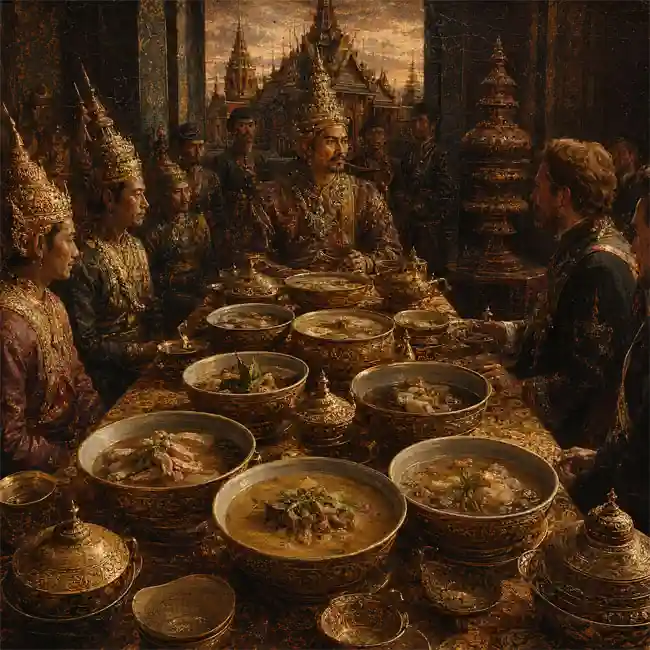
🇹🇭 👑📜 The Storyteller's Intro: Whispered Secrets from the Palace Soup Kitchens
Long before modern Thailand became one of the world's most admired culinary destinations, royal kitchens quietly shaped a sophisticated food culture that reflected elegance, diplomacy, spirituality, and extraordinary craftsmanship. Hidden behind the walls of magnificent palaces, generations of royal cooks developed refined broths and delicate soups that were rarely seen outside aristocratic circles.
Thai Royal Court Broths were never created simply to satisfy hunger. Every bowl represented harmony between nature, seasonal ingredients, regional wisdom, and court etiquette. A carefully prepared broth demonstrated patience, discipline, artistic balance, and respect for both the monarch and honored guests.
Unlike rustic village soups that celebrated bold flavors and practical cooking, palace broths emphasized clarity, fragrance, refinement, and visual perfection. Ingredients were meticulously selected, prepared, and arranged to create elegant dishes that looked almost as beautiful as they tasted.
The fascinating story of Thai Royal Court Broths stretches across nearly one thousand years, evolving through multiple historical eras while preserving the identity of Siamese culinary excellence.
👑 Early Kingdom Foundations (13th–14th Century)
During the rise of the early Thai kingdoms, river civilizations became centers of agricultural prosperity. Fertile floodplains provided freshwater fish, aromatic herbs, edible flowers, and fragrant roots that would later become essential elements of noble cuisine.
Simple herbal broths served both practical and ceremonial purposes. While common households prepared nourishing soups for daily meals, aristocratic families began refining cooking methods, paying greater attention to ingredient quality and elegant presentation.
Even at this early stage, palace cooks understood that a clear broth required skill rather than complexity.
🏯 The Ayutthaya Golden Age (14th–18th Century)
The Ayutthaya Kingdom marked one of the greatest periods of culinary innovation in Thai history.
As one of Asia's busiest international trading centers, Ayutthaya welcomed merchants, diplomats, and travelers from Persia, India, China, Japan, Portugal, and neighboring Southeast Asian kingdoms. Rather than replacing local traditions, these cultural exchanges inspired palace chefs to elevate existing recipes.
Royal soup kitchens became laboratories of creativity.
Court chefs experimented with:
• Crystal-clear fish broths
• Delicate shrimp consommés
• Coconut-infused noble soups
• Herbal aromatic broths
• Flower-scented clear soups
• Slow-simmered poultry broths
• Refined vegetable consommés
Every innovation had one purpose—to create elegance without overwhelming natural flavors.
Many legendary recipes remained exclusive to palace kitchens and noble households, rarely recorded in public manuscripts.
🌸 The Thonburi Transition
Although the Thonburi period lasted only a short time, it played an important role in preserving royal culinary traditions after the fall of Ayutthaya.
Experienced palace cooks carried handwritten knowledge, family memories, and cooking techniques into new royal residences.
This quiet transfer of wisdom prevented centuries of palace gastronomy from disappearing forever.
Many broth-making techniques survived not because they were officially documented, but because master cooks personally trained the next generation.
👑 The Early Rattanakosin Renaissance
When Bangkok emerged as the new royal capital, palace cuisine entered another golden chapter.
Royal kitchens became increasingly organized.
Specialized cooks focused on different culinary arts:
• Master broth makers
• Seafood specialists
• Vegetable artisans
• Herbal experts
• Decorative fruit and vegetable carvers
• Dessert masters
This division allowed broth preparation to become even more sophisticated.
Royal soups now emphasized:
• Extraordinary ingredient freshness
• Crystal-clear appearance
• Gentle aromas
• Balanced seasoning
• Elegant serving vessels
• Seasonal harmony
The philosophy was simple:
A perfect broth should comfort the body without overpowering the senses.
🍃 The Philosophy Behind Royal Broths
One remarkable characteristic of palace soups is restraint.
Royal cooks believed luxury was not measured by richness alone.
Instead, true refinement meant allowing every ingredient to express its natural character.
A broth might require hours of careful simmering, yet appear wonderfully simple.
This quiet elegance became the signature of Thai aristocratic cuisine.
The finest bowl often looked effortless, even though it demanded remarkable expertise.
🌺 Nature as the Greatest Royal Pantry
Thailand's extraordinary biodiversity played an essential role in palace gastronomy.
Royal kitchens sourced ingredients from:
• Fertile river basins
• Ancient forests
• Coastal waters
• Mountain foothills
• Floating gardens
• Royal orchards
Seasonality mattered greatly.
Rather than forcing ingredients out of season, palace chefs adapted menus according to nature's rhythms.
This philosophy remains one of the defining characteristics of authentic Thai heritage cuisine today.
🍲 Hidden Royal Broths That Fascinate Food Historians
Among culinary historians, several categories of palace broths continue to inspire fascination.
These include:
• Royal Clear Fish Broth
• Noble River Prawn Broth
• Palace Coconut Aromatic Soup
• Aristocratic Herbal Chicken Broth
• Lotus Blossom Clear Soup
• Royal Vegetable Consommé
• Fragrant Jasmine Leaf Broth
• Palace Winter Herbal Soup
• Royal Mushroom Essence Broth
• Ancient Court Seafood Broth
Many existed in numerous regional variations depending on the season, royal residence, and ceremonial purpose.
Some recipes changed subtly according to festivals or diplomatic occasions.
Others were prepared only for members of the royal household.
Their rarity contributes to their enduring mystique.
🥢 Dining Inside the Royal Court
Meals inside the palace reflected discipline rather than extravagance.
Royal etiquette emphasized graceful dining, moderation, and appreciation of craftsmanship.
Broths often appeared alongside carefully balanced meals consisting of rice, vegetables, seafood, fruits, and delicately seasoned side dishes.
Presentation mattered enormously.
Serving bowls, porcelain, carved garnishes, floral arrangements, and even table placement reflected the importance of harmony.
Every element contributed to a dining experience that celebrated beauty as much as nourishment.
🌿 More Than Food
Royal broths were woven into daily palace life.
They accompanied important ceremonies.
They welcomed distinguished visitors.
They comforted family members during seasonal changes.
They celebrated harvests.
They reflected generosity and refinement.
Rather than becoming extravagant displays of wealth, these soups represented cultural identity carefully preserved through generations.
Today, they continue inspiring chefs, historians, and travelers seeking authentic stories hidden beyond Thailand's famous street food.
🗺️ The Royal Culinary Tourism: Mapping Flavors to Historic Landscapes
Exploring Thai Royal Court Broths is also an unforgettable journey through Thailand's historical landscapes.
Every former royal capital, ancient trading port, river basin, and heritage community contributed ingredients, techniques, and traditions that eventually reached palace kitchens.
Modern culinary travelers often discover that understanding Thai royal cuisine begins by understanding geography.
The kingdom's rivers, forests, mountains, coastlines, and fertile plains shaped every elegant bowl served within palace walls.
🚩 Ayutthaya — The International Culinary Crossroads
Few destinations reveal royal culinary history better than the ancient capital of Ayutthaya.
Surrounded by rivers and enriched through global trade, the city introduced palace cooks to countless ingredients while preserving distinctly Thai culinary identity.
Visitors exploring temple ruins, historic neighborhoods, and riverside communities can imagine how royal chefs once selected freshwater fish, giant river prawns, herbs, edible flowers, and fragrant roots destined for noble kitchens.
Ayutthaya remains one of Thailand's most fascinating destinations for anyone interested in culinary heritage.
🏛️ Bangkok's Grand Palace Heritage
Bangkok inherited centuries of royal culinary knowledge.
As palace kitchens became increasingly sophisticated, recipes were refined with remarkable precision.
Although many original kitchens remain inaccessible, museums, cultural centers, and traditional cooking schools continue preserving elements of palace gastronomy.
Walking through Bangkok's historic districts reveals layers of culinary history hidden among temples, markets, and royal architecture.
🚤 Rivers That Fed Royal Kitchens
Thailand's great rivers were far more than transportation routes.
They supplied:
• Freshwater fish
• River prawns
• Seasonal vegetables
• Aquatic herbs
• Lotus stems
• Water lilies
• Aromatic plants
These waterways became natural extensions of palace kitchens.
Many famous royal broths originated from ingredients harvested only hours before cooking.
Freshness was considered a form of luxury.
🌾 Floating Gardens and Palace Agriculture
Royal households depended upon carefully maintained gardens that produced herbs, vegetables, fruits, and edible flowers throughout the year.
These gardens ensured consistent quality while allowing palace chefs to create beautifully balanced seasonal menus.
Today, visitors can still discover traditional farming communities whose agricultural practices echo centuries-old wisdom.
🌺 Temple Communities and Culinary Preservation
Many traditional cooking techniques survived thanks to temple communities and extended families connected with former palace staff.
Recipes passed quietly between generations, often preserved through festivals, religious celebrations, and community gatherings.
Travelers interested in authentic heritage cuisine frequently find remarkable stories outside major tourist attractions.
🌊 Coastal Influences
Although palace cuisine is often associated with inland royal capitals, coastal regions contributed exceptional seafood and aromatic ingredients.
Fresh shellfish, ocean fish, sea herbs, and coconut products expanded the diversity of noble broths without compromising their refined character.
This marriage between inland traditions and coastal abundance enriched Thai royal gastronomy.
🌿 The Art of Seasonal Travel
Every season offered new culinary experiences.
Rainy months highlighted tender herbs and freshwater abundance.
Cool seasons encouraged comforting aromatic broths.
Warm months emphasized lighter, refreshing soups built around vegetables and delicate seafood.
For culinary explorers, following the seasons offers a deeper understanding of why Thai Royal Court Broths remained endlessly diverse.
🧭 Walking Through Living History
Royal culinary tourism is not simply about tasting soup.
It is about discovering:
• Ancient capitals
• Historic waterways
• Heritage markets
• Traditional farming villages
• Palace architecture
• Temple communities
• Royal gardens
• Local ingredient traditions
Together, these destinations create an immersive journey through the landscapes that quietly shaped one of Asia's most elegant culinary traditions.
Every stop reveals another chapter in the remarkable story of Thai Royal Court Broths—a heritage where geography, craftsmanship, history, and culture continue to simmer together across the centuries.
🚣 Cradle of Royal Delicacies: River Kingdoms, Coastal Treasures, and the Birthplaces of Palace Broths
Behind every elegant bowl served inside the royal courts of Siam stood an extraordinary landscape. Long before modern transportation connected the kingdom, rivers acted as the lifelines of civilization, while coastlines opened gateways to international trade. Together, these natural environments supplied palace kitchens with ingredients that inspired generations of aristocratic chefs.
For travelers seeking authentic Thai Royal Court Broths, the journey is not limited to museums or historic palaces. It extends across riverbanks, floating markets, coastal villages, ancient ports, and fertile agricultural communities that continue preserving culinary traditions shaped hundreds of years ago.
Rather than focusing only on recipes, understanding where each ingredient originated reveals why royal soups became symbols of refinement.
🌊 The Chao Phraya River – Thailand's Royal Lifeline
The Chao Phraya River has often been called the River of Kings for good reason.
For centuries, it connected royal capitals, agricultural communities, merchants, and palace kitchens. Boats carried fragrant herbs, freshwater fish, vegetables, lotus flowers, giant river prawns, and seasonal produce directly toward the heart of the kingdom.
Royal cooks relied heavily on ingredients harvested only hours before preparation.
This extraordinary freshness became one of the defining characteristics of palace broths.
Visitors traveling along the Chao Phraya today can still experience historic communities where traditional food culture survives beside centuries-old temples and waterways.
🚤 Ayutthaya's River Islands
The ancient capital of Ayutthaya sits where several rivers meet, creating one of Southeast Asia's richest freshwater ecosystems.
This abundance gave palace kitchens access to exceptional ingredients throughout the year.
Among the ingredients historically associated with aristocratic soups were:
• Fresh river prawns
• Delicate freshwater fish
• Lotus stems
• Lotus seeds
• Young bamboo shoots
• Water spinach
• Banana blossoms
• Aromatic herbs
These natural resources inspired elegant clear broths celebrated for their clean flavors and graceful simplicity.
Walking through Ayutthaya today allows visitors to appreciate how geography influenced palace gastronomy centuries ago.
🦐 The Noble River Prawn Tradition
Large freshwater prawns became prized delicacies among noble households.
Rather than masking their sweetness with heavy seasonings, palace chefs prepared delicate broths designed to highlight the prawns' natural richness.
The philosophy reflected one of the greatest principles of royal cuisine:
Luxury should enhance nature—not overpower it.
Modern culinary travelers often visit riverside restaurants and historic communities to better understand the legacy of these aristocratic seafood traditions.
🌺 Floating Markets as Living Heritage
Although today's floating markets serve both locals and visitors, they continue reflecting an older trading culture that supplied royal households.
These waterways once overflowed with:
• Fresh herbs
• Seasonal vegetables
• Aromatic flowers
• Local fruits
• Handmade seasonings
• Freshly harvested fish
Every morning brought new ingredients, encouraging palace cooks to adapt menus according to nature rather than rigid recipes.
This seasonal flexibility remains one of Thailand's greatest culinary strengths.
🌹 Lotus – The Flower of Royal Elegance
Few plants symbolize Thai royal cuisine more beautifully than the lotus.
Beyond its spiritual significance, nearly every part of the plant found culinary use.
Palace kitchens appreciated:
• Lotus stems
• Lotus seeds
• Young leaves
• Blossoms used for decoration
Lotus-inspired broths represented purity, elegance, and balance.
Even today, lotus ponds surrounding ancient temples offer travelers a glimpse into landscapes that once inspired palace chefs.
🌾 Central Plains – The Kingdom's Garden
Thailand's fertile central plains supplied an astonishing variety of produce.
Rice fields stretched toward the horizon while orchards, vegetable gardens, and herb farms flourished nearby.
Royal kitchens received daily deliveries of:
• Fragrant herbs
• Young vegetables
• Citrus fruits
• Edible flowers
• Aromatic roots
• Fresh coconuts
The diversity of this agricultural heartland allowed palace soups to evolve with every changing season.
🥥 Coastal Coconut Heritage
Thailand's Gulf coastline contributed another defining element of aristocratic soups.
Coconut was treasured not simply for richness but for elegance.
Royal cooks transformed coconut into delicate broths with remarkably smooth textures.
Combined with seafood, herbs, flowers, or vegetables, these refined soups demonstrated balance instead of excess.
Travelers exploring coastal provinces still discover communities where coconut cultivation remains deeply connected to traditional cuisine.
🐟 Ancient Fishing Communities
Long before refrigeration existed, coastal fishing villages developed remarkable knowledge of seafood handling.
Fresh catches arrived daily at royal kitchens through carefully organized supply networks.
Among the prized ingredients were:
• Sea fish
• Shellfish
• Coastal herbs
• Sea vegetables
• Natural sea salt
Rather than creating heavy seafood stews, palace chefs emphasized clarity and freshness through refined broth-making techniques.
🚢 Historic Maritime Trade Routes
Thailand's coastlines connected the kingdom with neighboring civilizations for centuries.
Merchants introduced unfamiliar spices, vegetables, cooking tools, and preservation methods.
Royal kitchens selectively embraced these influences while preserving their distinctly Thai identity.
This cultural openness transformed palace cuisine into one of Asia's most sophisticated culinary traditions.
🌅 Heritage Destinations for Modern Culinary Travelers
Visitors interested in Thai Royal Court Broths often include these experiences:
• Walking through Ayutthaya Historical Park
• Exploring riverside heritage communities
• Visiting floating markets
• Discovering traditional coconut plantations
• Touring ancient fishing villages
• Learning from family-run heritage kitchens
• Visiting local museums dedicated to Thai culinary history
Each destination tells another chapter in the remarkable story of royal soups.
⛰️ Kingdom of Wild Aromatics & Heritage: Mountains, Ancient Forests, and Nature's Royal Pantry
While Thailand's rivers nourished palace kitchens with freshwater abundance, the mountains and forests contributed something equally precious—rare herbs, fragrant roots, medicinal plants, edible flowers, mushrooms, and wild aromatics that elevated royal broths beyond ordinary cooking.
Many of these ingredients traveled remarkable distances before reaching royal kitchens.
Royal supply networks connected remote mountain communities with palace chefs who understood the extraordinary value of seasonal wild harvests.
🌿 Forest Wisdom Passed Through Generations
Before written cookbooks became common, botanical knowledge lived within local communities.
Experienced gatherers understood:
• Which herbs flourished after rainfall
• Which flowers bloomed only briefly
• Which roots produced gentle aromas
• Which leaves created refreshing broths
This traditional ecological knowledge quietly influenced palace gastronomy for centuries.
🍃 Aromatic Herbs of the Highlands
Thailand's mountainous landscapes produced herbs that became treasured ingredients inside aristocratic kitchens.
Rather than creating overwhelming flavors, these botanicals introduced gentle fragrance and natural complexity.
Royal cooks appreciated ingredients that enhanced clarity while preserving the delicate character of each broth.
This philosophy distinguished palace cuisine from heavier regional cooking styles.
🌸 Edible Flowers in Noble Cuisine
Flowers were never mere decorations.
Many contributed subtle aromas and elegant colors.
Among the blossoms historically admired in refined cuisine were those chosen for:
• Gentle fragrance
• Seasonal beauty
• Symbolic meaning
• Visual elegance
Royal chefs believed that dining should delight every sense, making edible flowers an essential part of palace presentation.
🍄 Forest Mushrooms and Seasonal Luxury
Wild mushrooms represented one of nature's most anticipated seasonal treasures.
Collected carefully from healthy forests, they added remarkable depth without overwhelming delicate broths.
Because their availability depended entirely on rainfall and climate, they became symbols of seasonal exclusivity.
The rarity of these ingredients increased their prestige within noble households.
🌳 Ancient Forests as Living Pantries
Thailand's forests supplied much more than herbs.
Royal kitchens also valued:
• Aromatic bark
• Medicinal roots
• Tender shoots
• Wild vegetables
• Natural spices
• Edible vines
• Seasonal fruits
Each ingredient reflected centuries of environmental knowledge shared between rural communities and palace cooks.
🏔️ Northern Mountain Heritage
Northern Thailand's cooler climate encouraged an entirely different collection of edible plants.
Although regional traditions remained unique, selected ingredients eventually found their way into royal kitchens through tribute, diplomacy, and seasonal exchange.
This exchange enriched palace broths without diminishing local identities.
Today, travelers exploring northern heritage towns often encounter traditional markets filled with botanical ingredients that echo centuries-old culinary practices.
🌱 Respecting Nature's Calendar
One defining principle of royal cuisine was patience.
Ingredients were harvested only when naturally available.
Rather than forcing production throughout the year, palace menus adapted to changing seasons.
This respect for nature created healthier ecosystems while ensuring superior flavor.
Modern sustainable gastronomy continues embracing this timeless philosophy.
🏡 Village Knowledge Supporting Royal Excellence
Many ingredients celebrated inside royal courts originated from humble rural communities.
Farmers, herbalists, fishermen, and forest gatherers supplied the kingdom with exceptional natural products.
Their expertise deserves equal recognition alongside palace chefs.
Without generations of local knowledge, royal broths could never have achieved their legendary refinement.
🥾 Heritage Trails for Culinary Explorers
Modern visitors interested in mountain food culture can experience:
• Heritage walking villages
• Traditional herb gardens
• Forest learning centers
• Botanical conservation projects
• Local produce markets
• Historic mountain temples
• Agricultural museums
These destinations reveal how biodiversity shaped one of Southeast Asia's most admired culinary traditions.
🌏 A Living Connection Between Landscape and Cuisine
Thai Royal Court Broths are far more than elegant soups.
They represent centuries of cooperation between nature and civilization.
Rivers supplied freshness.
Coastlines opened cultural exchange.
Mountains offered fragrant botanicals.
Forests preserved biodiversity.
Communities protected traditional knowledge.
Palace kitchens united these gifts into refined culinary masterpieces admired across generations.
For travelers, every landscape tells part of the story.
Every river whispers history.
Every forest preserves forgotten aromas.
Every mountain path leads closer to understanding why Thai Royal Court Broths remain among the world's most graceful expressions of royal gastronomy.
🙋 Royal FAQ: Unlocking Palace Kitchen Mysteries
Royal Thai cuisine has fascinated historians, chefs, and curious travelers for generations. While many people recognize famous Thai curries, stir-fries, and desserts, the refined world of Thai Royal Court Broths often remains one of the kingdom's best-kept culinary treasures.
Below are some of the most common questions asked by international food lovers who wish to explore the remarkable heritage behind these elegant palace soups.
Q1.What makes Thai Royal Court Broths different from everyday Thai soups?
The greatest difference lies in philosophy rather than ingredients alone.
Traditional household soups were created to nourish families using seasonal ingredients available within local communities. Palace broths, however, were elevated through exceptional craftsmanship, refined presentation, balanced seasoning, and meticulous preparation.
Royal cooks believed every ingredient deserved respect. Instead of overwhelming natural flavors with heavy seasoning, they carefully highlighted freshness, aroma, texture, and visual harmony.
A single bowl reflected patience, precision, and centuries of culinary wisdom.
Many palace soups also followed strict standards regarding ingredient quality, serving etiquette, porcelain selection, and decorative garnishes.
The result was cuisine that celebrated elegance without unnecessary extravagance.
Q2.Were royal soup recipes kept secret inside the palace?
In many cases, yes.
For centuries, palace kitchens operated as highly organized culinary institutions where knowledge was passed directly from experienced cooks to trusted apprentices.
Rather than publishing detailed cookbooks, techniques were often preserved through observation, practice, and oral instruction.
Some recipes gradually entered noble households, while others evolved as palace staff later shared their expertise with future generations.
Because of this careful transmission, historians continue discovering fascinating variations of aristocratic broths that differ slightly from one royal period to another.
The mystery surrounding these recipes adds to their enduring appeal.
Q3.Why were herbs and natural aromatics so important in royal cuisine?
Thailand's extraordinary biodiversity offered palace chefs an incredible collection of fragrant herbs, edible flowers, roots, leaves, and seasonal botanicals.
Royal cooks viewed these ingredients as tools for creating harmony rather than intensity.
Instead of producing overwhelming flavors, carefully selected herbs introduced gentle fragrance, freshness, and complexity.
Seasonality also played an essential role.
Menus changed throughout the year according to harvests, weather, and ingredient availability, ensuring that every broth reflected nature's own rhythm.
This philosophy continues inspiring sustainable culinary practices today.
Q4.Can travelers still experience authentic Thai Royal Court Broths today?
Absolutely.
Although many original palace kitchens are no longer active in their historical form, the legacy survives through cultural institutions, traditional restaurants specializing in heritage cuisine, culinary schools, family recipes, museums, and dedicated chefs committed to preserving Thailand's gastronomic history.
Visitors interested in royal cuisine often combine several experiences during their journey:
• Exploring former royal capitals.
• Visiting historic neighborhoods and riverside communities.
• Discovering heritage markets filled with seasonal produce.
• Learning from traditional cooking demonstrations.
• Touring museums dedicated to Thai culinary history.
• Experiencing carefully preserved interpretations of royal dishes.
While some original palace recipes remain difficult to verify in every detail, the philosophy behind Thai Royal Court Broths continues living through Thailand's rich culinary culture and the people who proudly protect it.
🧠 Final Thoughts: The Timeless Allure of Aristocratic Gastronomy
Thai Royal Court Broths are far more than elegant soups served inside magnificent palaces.
They represent an extraordinary dialogue between history, geography, craftsmanship, agriculture, artistry, and cultural identity.
For nearly a millennium, generations of royal cooks transformed humble natural ingredients into refined expressions of hospitality and wisdom. Every carefully prepared broth reflected not only culinary expertise but also respect for seasonal rhythms, regional diversity, and the beauty of simplicity.
Unlike many luxurious cuisines around the world that emphasize richness alone, Thailand's palace gastronomy often celebrated restraint.
A perfectly balanced broth demonstrated confidence.
Clear flavors required exceptional technique.
Natural aromas spoke louder than excessive seasoning.
Fresh ingredients became the true stars of every bowl.
This quiet sophistication remains one of the defining characteristics of authentic Thai royal cuisine.
For modern travelers, discovering these culinary traditions opens an entirely different perspective on Thailand.
Beyond vibrant street food, bustling night markets, and famous curries lies another remarkable world waiting to be explored—a world of historic capitals, ancient waterways, royal gardens, botanical knowledge, and generations of palace craftsmanship.
Every destination adds another chapter to the story.
Every historic temple reflects centuries of royal life.
Every riverside community preserves echoes of forgotten kitchens.
Every seasonal ingredient connects today's visitors with traditions that have survived remarkable historical change.
As this culinary series continues, we will journey deeper into the individual masterpieces that once graced royal dining tables.
Future articles will explore the stories, historical backgrounds, cultural significance, and traditional preparation philosophies behind some of Thailand's most celebrated palace broths—one remarkable recipe at a time.
The next chapter is only beginning.
The hidden world of Thai Royal Court Broths still holds countless stories waiting to be rediscovered.
👑 Credit to the Keepers of the Culture (The Legacy)
Every great culinary tradition survives because someone chooses to protect it.
Thai Royal Court Broths are no exception.
This remarkable heritage has endured through the dedication of countless individuals whose names history may never fully record, yet whose contributions remain woven into every surviving tradition.
Respect is extended to:
• The royal households that encouraged culinary excellence across generations.
• Palace cooks whose discipline transformed simple ingredients into timeless works of art.
• Noble families who carefully preserved culinary customs through changing historical periods.
• Farming communities whose fertile fields supplied exceptional seasonal ingredients.
• Fishermen who brought the freshest river and coastal harvests to royal kitchens.
• Forest gatherers and herbal experts who safeguarded generations of botanical knowledge.
• Artisans who created the elegant porcelain, serving vessels, and handcrafted utensils that elevated royal dining.
• Temple communities that quietly preserved cultural traditions during times of political transition.
• Historians, scholars, archivists, and researchers whose work continues to deepen our understanding of Thailand's culinary past.
• Traditional chefs, culinary educators, and heritage restaurants that respectfully interpret classical royal cuisine for modern audiences.
• Local communities across Thailand that continue protecting regional ingredients, seasonal wisdom, and family food traditions.
Their combined efforts remind us that heritage is not preserved by buildings alone.
It survives through people.
It survives through memory.
It survives through respect.
Most importantly, it survives when each new generation values authenticity over imitation and chooses to celebrate cultural traditions with curiosity, humility, and care.
Thai Royal Court Broths remain one of Southeast Asia's most graceful culinary legacies—not simply because of their refined flavors, but because they embody centuries of shared knowledge, artistic dedication, and harmony between people and nature.
May this enduring legacy continue to inspire chefs, historians, travelers, and food lovers around the world to discover the extraordinary depth of Thailand's royal culinary heritage—one timeless bowl at a time.
👑🍲 A Journey Through Thailand's Forgotten Royal Palace Broths
👉 Explore Thai Elite Royal Court Broths
| 🌐 👑🍲 < Back | 🇹🇭 👑🍷 < Previous | Next > 🥗👑 🇹🇭 |