
🏠 Home > 🗺️ Recipes > 👑🍨 Grand Finales (Desserts) > 🇹🇭 Thai Grand Finales (Desserts) Recipes
🇹🇭 👑🍨 Thai Grand Finales (Desserts) Recipes
Published by Supakorn | Updated: July 2026
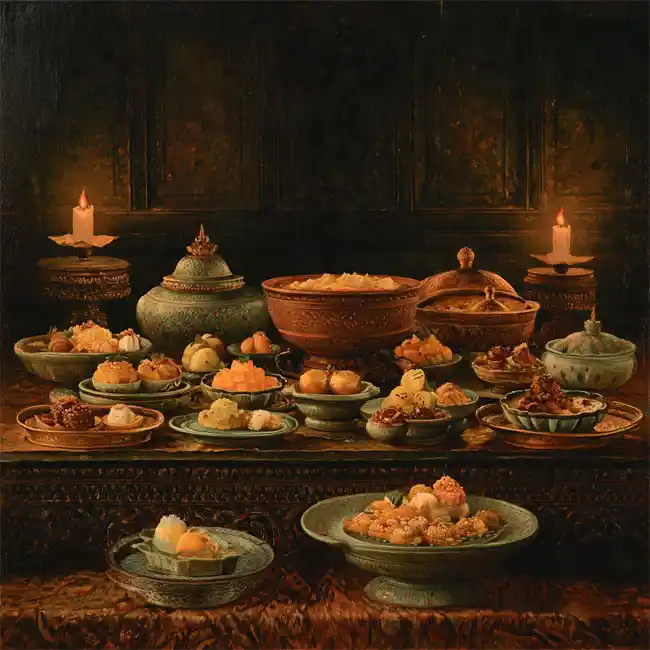
🇹🇭 👑📜 The Storyteller’s Intro: The Whispers of Forbidden Kitchens and 1,000 Years of Sweet Deception
Hey there, fellow food explorer! Grab a comfortable seat and let me let you in on a massive secret. When you think of Thai food, your mind probably jumps straight to a fiery bowl of Tom Yum or a rich plate of Pad Thai. But what if I told you that the true pinnacle of Thai culinary art isn’t savory at all? What if the real masterpiece is hidden at the very end of the meal—the grand finale? We are talking about ancient, sacred, and deeply guarded royal Thai desserts. This isn't just everyday street food; this is a highly confidential culinary archive containing recipes that are between 200 and 1,000 years old. For centuries, these sweets were treated like state secrets, locked away inside high palace walls and accessible only to royalty and the highest-ranking aristocrats.
To truly understand how deep this rabbit hole goes, we have to look at the timeline of the elite. The history of Thai grand finales spans four distinct, legendary eras of high-society living:
◦ The Sukhothai Era (approx. 700–1,000 years ago): The dawn of Thai sweet identity. Life back then was deeply connected to nature, spiritual animism, and early Buddhism. Sweets were simple but sacred, often made from pure local coconut sugar, sticky rice, and fresh coconut meat. They were used as holy offerings to the gods and enjoyed by the earliest kings during grand full-moon festivals.
◦ The Ayutthaya Era (approx. 250–600 years ago): This is where things became incredibly glamorous and international. Ayutthaya was a massive global trading hub. Aristocrats and foreign diplomats mingled, leading to a legendary culinary revolution. A famous lady of mixed Portuguese-Japanese-Bengali heritage working in the royal court permanently altered Thai history by introducing egg yolks and refined sugar refinement techniques to the palace. Suddenly, simple rice sweets transformed into golden, intricate, heavenly creations.
◦ The Thonburi Era (approx. 250 years ago): A short, intense period of rebuilding and fierce cultural preservation. The elite focused on survival, yet they meticulously documented and rescued the scattered culinary secrets of the fallen Ayutthaya kingdom, ensuring that the ancient royal sweet-making techniques wouldn’t be lost to time.
◦ The Rattanakosin Era (200 years ago to the present): The era of peak sophistication, art, and absolute refinement in Bangkok. Palace kitchens became competitive arenas of high art. Every single dessert had to be visually stunning, perfectly sculpted, and infused with complex, heavenly aromas that lasted for hours.
The daily lifestyle of these old-money aristocrats and palace insiders was a masterclass in slow living and extreme mindfulness. Making desserts wasn’t a chore; it was a highly respected spiritual and artistic discipline for noblewomen. Imagine spending three days just to prepare the ingredients for a single bite-sized treat! The royal kitchen was a silent, hyper-focused sanctuary where the outside world stopped existing. Nobility judged a family’s status not just by their gold, but by the delicate texture, perfect balance, and intoxicating aroma of the sweets served at their tables. It was an elite language of luxury, communicated entirely through sugar, smoke, and flower petals.
🗺️ The Royal Culinary Tourism: Mapping Flavors to Historic Landscapes
If you want to experience these ancient grand finales, you can’t just walk into any modern bakery. To truly understand them, you have to become a culinary time traveler and journey to the specific geographic landscapes where these secret recipes were born. The flavors of elite Thai desserts are deeply tied to the soil, the water, and the microclimates of historic Thailand.
Today, high-end food tourism is shifting. Travelers don't just want a plate of food; they want to stand in the exact spot where a queen once perfected a recipe 400 years ago. By mapping these flavors to historical landscapes, we can trace how the natural environment directly shaped the lavish lifestyles of the old aristocracy. Let’s look at the two primary geographical cradles that birthed these legendary sweets.
🚣 Cradle of Royal Delicacies: The River Plains and the Sun-Drenched Coasts
The heart of old Thai royalty beat along the sweeping river basins of Central Thailand and extended down to the maritime trade routes of the coastal regions. This unique topography created a paradise of abundance that fueled the complex demands of palace kitchens.
◦ The Amphawa and Samut Songkhram River Basins: This is the undisputed capital of coconut sugar. The brackish water of these coastal river plains, where fresh river water meets the salty sea, creates a highly specific soil condition. The coconut trees growing here produce a sap that is uniquely salty-sweet, rich, and incredibly complex. This sugar became the foundation for the smooth, melt-in-your-mouth textures of the earliest Sukhothai and Ayutthaya royal confections.
◦ The Ancient Orchards of Nonthaburi: Located just north of Bangkok along the Chao Phraya River, this fertile alluvial plain was the personal fruit basket for the Rattanakosin royalty. The elite would commission exclusive harvests of ultra-rare fruits, which were then preserved, carved into breathtaking miniature shapes, or steeped in cold, jasmine-infused rains.
◦ The Maritime Trade Gateways: The coastal regions allowed palace chefs to access rare foreign luxuries like white granulated sugar, heavy spices, and unique cooking utensils brought by merchant ships. The coastal breeze and access to pristine salt pans also allowed chefs to master the delicate art of using a microscopic pinch of sea salt to elevate the natural sweetness of coconut milk, creating a balanced flavor profile that amazed visiting foreign dignitaries.
⛰️ Kingdom of Wild Aromatics & Heritage: The Misty Peaks and Deep Forest Monasteries
While the river plains provided the core ingredients, it was the wild, untamed highlands and deep forest landscapes of the North and West that gave royal desserts their mystical soul. The elite looked to these rugged territories for the rare aromatics that turned simple sweets into spiritual experiences.
◦ The Wild Forests of Kanchanaburi and Phetchaburi: These dense, mountainous jungles were the source of rare wild woods, unique resins, and sacred leaves used exclusively for the art of scenting food. Noble families sent specialized foragers into the deep woods to gather wild pandan leaves, unique barks, and specific varieties of fragrant candles that were used to smoke-infuse the desserts overnight.
◦ The Floral Terraces of Historic Outer Provinces: The cooler air of the higher elevations allowed for the cultivation of incredibly fragrant, pristine flowers like jasmine, bread flower (Chommanard), and ylang-ylang. These blossoms weren't just decorative; they were treated like high-grade cosmetic ingredients, cultivated away from city pollution to ensure their essential oils remained pure enough to scent the drinking water used in royal jelly and flour-based creations.
◦ The Mountain Mineral Springs: The pure, mineral-rich water flowing from underground mountain caves was highly prized by palace pastry masters. They believed that using standard city well water would ruin the delicate crystalline structures of royal sugars, so they went to immense lengths to transport pure mountain spring water to the capital just to clarify their syrups.
🙋♂️ Royal FAQ: Unlocking Palace Kitchen Mysteries
Q1: Why are authentic royal Thai desserts so incredibly difficult and time-consuming to make?
A: Because to the old aristocracy, time was the ultimate status symbol. Royal desserts were designed to showcase absolute perfection, patience, and devotion. For instance, many elite recipes require chefs to manually stir a single pot of starch and sugar over an incredibly low, steady charcoal fire for six to eight hours without stopping for even a second. The goal was to achieve a completely translucent, glass-like texture that could never be replicated using modern high-heat methods. If the temperature fluctuated by even a few degrees, or if a single air bubble formed, the entire batch was thrown away. It was an exercise in extreme discipline and artistic perfection.
Q2: What is the secret behind that intoxicating, heavenly aroma found in ancient elite desserts?
A: The secret lies in a highly classified, multi-sensory technique called Op-Kwan-Tien (the art of candle smoking) combined with Narm-Dok-Mai (flower-infused water). Palace kitchens used custom-crafted, beeswax-based dessert candles infused with hidden blends of frankincense, pure musk, and dried aromatic herbs. The cooked desserts were placed in airtight ceramic jars, the candle was lit and then gently blown out inside the jar, and the lid was sealed tight. The sweets would absorb the fragrant smoke for a whole night. Furthermore, the water used to knead the flours was infused with fresh jasmine buds gathered only at dusk when their scent was most potent.
Q3: How did the old Thai nobility manage to keep these dessert recipes a secret for hundreds of years?
A: Palace kitchens were running a highly secretive operation, almost like an ancient intelligence agency. The inner court of the palace was a forbidden zone where ordinary citizens, especially men, were strictly banned from entering. The recipes were never written down on paper; instead, they were passed down purely through oral tradition and strict master-apprentice relationships from a mother to her chosen daughter. Each noble house had its own signature twist—a secret ratio of flower water or a hidden technique for folding flour—that gave them a competitive edge during royal banquets. Revealing these secrets to an outsider was seen as a massive betrayal of the family's honor.
Q4: Is it true that some ancient Thai desserts were created as a form of royal medicine?
A: Absolutely. The elite followed a sophisticated system of dietary balance rooted in ancient wellness philosophies. Desserts were carefully curated to balance the body's internal energies depending on the season. During the scorching summer months, desserts utilized cooling ingredients like water chestnut, palm fruit, and jasmine-scented ice to soothe the nervous system and lower body heat. In the rainy or cooler seasons, recipes subtly incorporated warming elements like aged ginger, toasted sesame, and specific wild root flours to boost immunity and improve digestion. Eating a grand finale was meant to heal the mind, spirit, and body all at once.
🧠 Final Thoughts: The Timeless Allure of Aristocratic Gastronomy
There is something deeply magical about knowing that when you look at a truly authentic royal Thai dessert, you are looking at centuries of living history, romance, political intrigue, and absolute artistic dedication. These aren't just sweet treats to satisfy a casual sugar craving; they are edible works of fine art, carefully preserved through generations of silent devotion within the walls of ancient palaces.
But here is the most exciting part: this is only the beginning of our grand journey together. We’ve explored the rich history, we’ve unraveled the high-society lifestyle, and we’ve mapped out the fascinating geography that made these grand finales possible. But I know what you’re really craving... you want to know how to actually create these masterpieces yourself. You want the secret steps, the exact ingredients, and the forbidden techniques.
Well, you won't have to wait long! Keep your eyes locked on this page and make sure to bookmark us right now. In our upcoming exclusive releases, we are going to break the silence and blow the vault wide open. We will be dropping individual, deeply detailed, step-by-step masterclass guides for each of these legendary, 1,000-year-old royal desserts. You’ll learn the exact secrets to smoking flour, infusing water with rare blossoms, and creating the ultimate golden grand finales right in your own kitchen. Trust me, you do not want to miss a single chapter of what's coming next!
👑 Credit to the Keepers of the Culture (The Legacy)
This deep dive into the hidden world of ancient Thai grand finales would be completely impossible without expressing our profound gratitude, respect, and admiration for the true Keepers of the Culture. We extend our highest honors to the ancestral royal line, the dedicated historians, and the elderly noble matriarchs who protected these delicate traditions through centuries of war, peace, and immense societal change.
We thank the silent culinary masters of the Inner Palace courts who viewed cooking as a sacred form of art and devotion. It is because of their incredible discipline, flawless memory, and love for their heritage that these ancient flavors have survived into the modern era. By honoring their legacy today, we ensure that the breathtaking artistry of these 1,000-year-old aristocratic sweets will continue to inspire, amaze, and sweeten the world for generations to come.
👑🍨 The Lost Culinary Archives: Mastering 200-Year-Old Royal Thai Desserts
👉 Indulge in Thai Rare Grand Finales
| 🌐 👑🍨 < Back | 🇹🇭 👑🍝 < Previous | Next > 🍷👑 🇹🇭 |