
🏠 Home > 🗺️ Recipes > 👑🥘 Signature Royal Sauces (Sauces) > 🇱🇦 Laos Signature Royal Sauces (Sauces) Recipes
🇱🇦 👑🥘 Laos Signature Royal Sauces (Sauces) Recipes
Published by Supakorn | Updated: July 2026
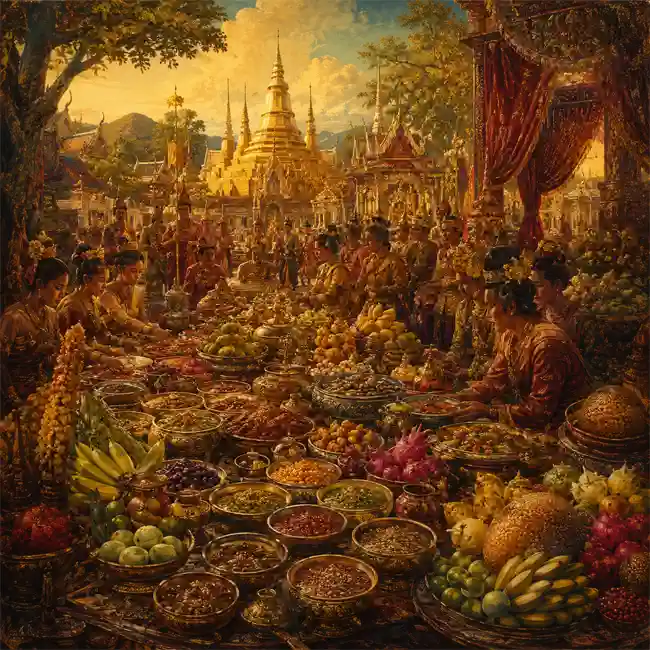
🇱🇦 📜 The Storyteller’s Intro: The Sealed Vault of Lan Xang’s Whispering Kitchens
Hey there, fellow flavor hunter! Have you ever wondered what it feels like to sit at a grand, hand-carved teakwood table, looking out over the misty Mekong River while being served dishes so exclusive that commoners would have faced banishment just for smelling them? Today, we are opening a literal time capsule. We are digging into the ultimate culinary bible of Lao aristocratic gastronomy, featuring secrets spanning from 200 to over 1,000 years old. This isn't just everyday comfort food like the standard sticky rice or simple street side bites you see on travel vlogs. This is the sophisticated, deeply aromatic universe of Laos Signature Royal Sauces (or as history dictates for our grand lineage, the sublime Aristocratic Sauces of the ancient Lan Xang Kingdom).
To truly understand how incredible these flavors are, we have to take a look at the spectacular timeline of high-society eating in Laos. The culinary evolution of the Lao elite can be broken down into three grand historic eras, each adding layers of complexity to their elite kitchens:
◦ The Ancient Genesis (14th to 17th Century - The Lan Xang Era): This was the glorious dawn of unified Lao identity under King Fa Ngum. Food was deeply connected to spiritual purity and majestic territorial dominance. During this period, elite kitchens mastered the extraction of hyper-local wild forest herbs and rare river ingredients. They elevated the standard fermented elements into complex, crystal-clear aromatic liquids and deeply concentrated herbal pastes that formed the very baseline of aristocratic identity.
◦ The Divided Principalities & Luang Prabang Golden Age (18th to 19th Century): When the kingdom split into regional powerhouses like Luang Prabang, Vientiane, and Champasak, the culinary scene became fiercely competitive. The court of Luang Prabang, in particular, transformed food prep into a meticulous art form. This was the era where sauces became exceptionally refined, perfectly balancing bitter, sour, sweet, and umami profiles without letting any single note overwhelm the palate. It was high-society dining where presentation and balance meant everything.
◦ The French-Indochinese Symbiosis (Late 19th to Mid-20th Century): A dramatic shift occurred when Western diplomatic elements entered the picture. The elite Lao chefs took sophisticated colonial presentation styles and merged them seamlessly with their deep-rooted heritage techniques. They utilized wild citrus reductions, clarified animal fats, and complex leaf extracts to create velvety, complex masterpiece sauces that stunned international dignitaries.
The daily life of these ancient nobles was an elegant dance of luxury, patience, and absolute secrecy. Unlike modern times where we rush through fast food, the aristocratic kitchens operated at a meditative pace. A single sauce base could require days of slow simmering, precision hand-pounding in heavy stone mortars, and meticulous cloth-filtering to ensure absolute clarity and smooth texture. The elite did not eat just to fill their stomachs; they dined to align their elements, display their social standing, and celebrate the natural bounty of their pristine kingdom. These recipes were never written down for the public; they were whispered from master court chefs to chosen apprentices, safely kept away from the outside world—until now.
🗺️ The Royal Culinary Tourism: Mapping Flavors to Historic Landscapes
If you are planning an authentic journey to Laos, you cannot separate the geographic landscape from the flavors that defined its high-society history. Traveling through Laos with an aristocratic lens turns a regular vacation into a historical treasure hunt. The elite of Laos didn't get their ingredients from mass markets; they mapped their menus directly to the grand physical geography of their beautiful country, turning every mountain pass, river bend, and hidden forest valley into a specialized pantry.
Today, luxury culinary tourism in Laos is absolutely booming because travelers want more than just a selfie at a temple—they want to taste the history of the soil. When you explore the ancient architecture, you are walking through the exact spaces where these sophisticated flavor profiles were perfected. The misty mornings, the sound of traditional instruments, and the slow pace of life all set the perfect stage for experiencing a historic cuisine that has survived centuries of transformation.
🚣 Cradle of Royal Delicacies - The Mighty River Ecosystems
Let's map our first flavor stop along the magnificent riverbanks. The historic river systems of Laos, specifically the majestic Mekong and its rushing tributaries like the Nam Khan, served as the ultimate lifeline for aristocratic culinary creation. This unique aquatic environment gave birth to some of the most exclusive, hidden sauce bases known to Southeast Asian history. Here are the core highlights of this incredible riverbound food heritage:
◦ The Geographic Anchor: The ancient royal capital of Luang Prabang, beautifully cradled by the intersection of the Mekong and Nam Khan rivers. This slow-moving, nutrient-rich water network provided rare river flora and fauna that could never be successfully replicated in inland kitchens.
◦ The Secret Aristocratic Menu Items:
• Jaew Bong Nam Khan: A highly refined, sweet-and-savory caramelized relish infused with sun-dried water buffalo skin, wild shallots, and rare river-growing herbs. Unlike the common version, the elite recipe utilized a clarified reduction that gleamed like liquid amber.
• Mekong Algae Essence Coup: A magnificent, dark, herb-infused dipping sauce specifically formulated to accompany crispy, sun-dried river weed (Kai Pen). The sauce relied heavily on hand-pressed root juices and wild citrus zest to cut through the intense mineral richness of the river greens.
◦ The High-Society Lifestyle Connection: The elite regularly hosted lavish riverboat floating feasts. They drifted along the dramatic limestone cliffs, dining on freshly caught Mekong giant catfish and delicate river prawns paired with these complex, shelf-stable dipping sauces that highlighted the purity of the clean waters.
◦ Modern Travel Keyword Integration: For travelers searching for authentic Luang Prabang culinary tours, exploring the local morning markets along the riverbanks reveals the exact locations where these ancient ingredients are still carefully harvested by local families keeping the ancient tradition alive.
⛰️ Kingdom of Wild Aromatics & Heritage - The High Mountain Forests
Now, let’s hike up into the clouds. The rugged northern highlands, deep mountain valleys, and dense, untouched jungles of Phongsaly, Xiangkhouang, and the high peaks surrounding Luang Prabang offered a completely different world of ingredients for the old nobility. This mountainous terrain was a treasure trove of wild, untamed botanicals that added unmatched depth to the palace kitchens. Let’s dive into the mountainous secrets:
◦ The Geographic Anchor: The high-altitude misty mountain ranges and ancient primary forests of northern Laos, where microclimates allowed rare wild ginger varieties, deep-forest peppers, and unique mosses to grow completely undisturbed.
◦ The Secret Aristocratic Menu Items:
• Phou Doi Wild Herb Reduction: An exceptionally rare, intensely aromatic green paste sauce made from hand-foraged wild coriander, mountain peppercorns, and the elusive forest cardamoms. It was reserved exclusively for seasoning wild game and roasted mountain meats served to high-ranking officials.
• The Lost Highland Citrus Melange: A sophisticated, ultra-sour yet perfectly balanced sauce that used the juices of wild, thick-skinned mountain citruses combined with smoked forest galangal root. This sauce was crafted to cleanse the palate during multi-course aristocratic banquets.
◦ The High-Society Lifestyle Connection: Nobles frequently organized grand royal hunting expeditions into the deep highland forests. The master court chefs traveled with them, carrying heavy stone mortars up the mountains to prepare fresh, highly aromatic dipping sauces using ingredients plucked straight from the surrounding jungle floor.
◦ Modern Travel Keyword Integration: If you are planning an adventure trek or looking into sustainable eco-tourism in Northern Laos, you are walking the exact paths where ancient royal foragers searched for rare botanicals to satisfy the demanding palates of the old Lao courts.
🧐 Royal FAQ: Unlocking Palace Kitchen Mysteries
Q1: What truly makes a Lao aristocratic sauce different from the standard Lao sauces we find in everyday modern cooking?
A1: It all comes down to two major elements: perfect balance and extreme processing care. Everyday Lao food is beautifully bold, often leaning very heavily into intense chilies, pungent fermented fish paste (Padaek), and rustic herbs. Aristocratic sauces, however, avoid extreme, shocking flavors. The palace chefs worked to achieve a delicate harmony where no single ingredient dominated. They used highly refined, multi-filtered variations of fermented essences, removed bitter seeds from chilies by hand, and incorporated complex sweetening agents like wild forest honey and caramelized palm fruit juices to create a smooth, multi-layered taste experience that developed slowly on the palate.
Q2: Why are these legendary recipes referred to as 'lost' or 'hidden' for so many generations?
A2: In the old Lao courts, culinary knowledge was considered a highly valuable form of intellectual property and political influence. Recipes were never written down in public books; they were kept entirely memorized or recorded in highly guarded, private family leaf-manuscripts. A master chef's status depended entirely on keeping their unique flavor blends a complete secret from rival noble families. Furthermore, during the major political shifts and turbulent conflicts of the 20th century, many family lineages were scattered across the globe, causing these fragile oral traditions to nearly vanish into history.
Q3: How did the physical geography of the Lan Xang Kingdom shape the unique flavor profiles of these elite sauces?
A3: Laos is a completely landlocked nation characterized by dramatic mountains and deep river valleys, meaning the old elite had no direct access to sea salt or oceanic ingredients. To create deep, satisfying umami notes, they had to innovate using their immediate environment. They turned to the rivers for mineral-rich algae and freshwater fish, and to the deep forests for unique alkaline wood ashes, wild mushrooms, and specialized roots. The incredible variety of microclimates across the mountain ranges meant that every valley produced a slightly different variety of herb, giving the noble sauces an unmatched regional depth and complexity found nowhere else in the world.
Q4: Are these historic aristocratic sauces heavily influenced by neighboring culinary traditions like Thailand or Vietnam?
A4: While there has always been a material exchange of culture across historical borders, Lao aristocratic gastronomy maintains a completely distinct identity. For instance, while Thai royal cuisine often leans into rich, creamy coconut milk bases and intricate spice pastes, Lao court cooking focuses heavily on fresh herb extractions, wild forest aromatics, bitterness as a sophisticated palate cleanser, and the master use of local river ingredients. It values clean, natural, earthy flavors elevated through highly complex preparation techniques, rather than relying on heavy imported dry spices.
🧠 Final Thoughts: The Timeless Allure of Aristocratic Gastronomy
There is an undeniable magic in discovering a flavor profile that has survived through centuries of whispers, secret handshakes, and hidden kitchen doors. The aristocratic sauces of Laos represent far more than just brilliant cooking; they are a living, breathing testament to a grand culture that knew exactly how to find luxury in the pure bounty of the earth, the rivers, and the mountains. This introductory guide is just the beginning of our journey together, my friend.
We are currently working behind the scenes, carefully decoding the exact ingredient measurements, historical preparation steps, and authentic substitutes for these legendary, centuries-old sauces. We are getting ready to drop the ultimate step-by-step masterclass recipes that will allow you to recreate these exact elite flavors right in your own home kitchen. Make sure to bookmark this page, keep your notifications turned on, and stay tuned. You definitely do not want to miss the grand recipe drop that is coming up next!
👑 Credit to the Keepers of the Culture (The Legacy)
We want to express our deepest respect and gratitude to the incredible cultural historians, the surviving elders of the historic Luang Prabang lineages, and the dedicated local artisans of Laos who have fiercely protected these oral traditions through generations of immense change. It is their unwavering pride, beautiful memories, and love for their heritage that allow us to honor, study, and appreciate this breathtaking culinary art form on the global stage today. Thank you for keeping the ancient fires of the Lan Xang kitchens burning bright.
👑🥘 The Sacred Flavors of Lan Xang: Unlocking the Millennium-Old Masterpieces of Lao Aristocratic Sauces
| 🌐 👑🥘 < Back | 🇱🇦 👑🍱 < Previous |