
🏠 Home > 🗺️ Recipes > 👑🍝 Imperial Mains (Main Dishes) > 🇧🇷 Brazil Imperial Mains (Main Dishes) Recipes
🇧🇷 👑🍝 Brazil Imperial Mains (Main Dishes) Recipes
Published by Supakorn | Updated: September 2026
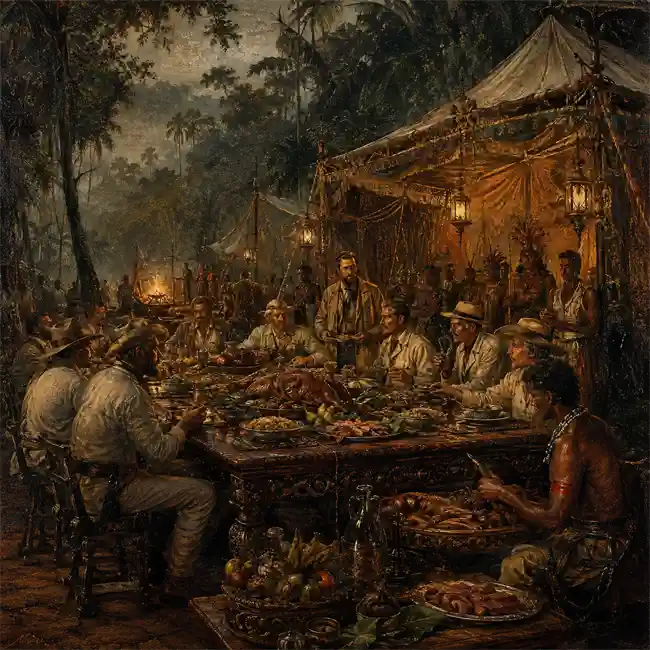
👑📜 The Storyteller’s Intro: The Whispering Walls of the Imperial Pantry
Let us slip behind the heavy velvet drapes of 19th-century Rio de Janeiro and Petrópolis, straight into the bustling pantries of Brazil’s imperial and aristocratic elite. When you think of Brazilian food today, your mind probably jumps straight to a casual, sun-soaked beach BBQ or a rustic Saturday feijoada shared with friends. But if we rewind the clock between 200 and nearly 1,000 years—tracing the deepest Indigenous roots, Moorish-Portuguese heritage, and African culinary genius that converged in the 1800s—you find a completely different world of gastronomy.
Brazil’s aristocratic food scene wasn't just about survival or comfort; it was an intense display of power, prestige, and global intrigue. To truly understand how the high-class nobility dined, we have to look at the three main historical eras that built this extravagant culinary identity:
• The Pre-Colonial Indigenous Foundation (Up to 500+ Years Ago): Long before European crowns set foot in South America, native tribes held deep, highly guarded knowledge of local roots, wild game, river fish, and botanical aromatics. Indigenous techniques like smoking fish over mocarra wood, fermenting wild cassava juices into golden elixirs, and using native peppers were preserved by local elders. When European elites eventually settled, these ancient forest traditions were absorbed into the high-court kitchen culture, giving royal dishes a unique wild backbone.
• The Portuguese Royal Flight & Court Establishment (1808–1822): Everything shifted drastically when King João VI and the entire Portuguese royal court packed up their belongings, boarded ships, and moved the capital of the Portuguese Empire straight to Rio de Janeiro. Virtually overnight, a tropical colonial outpost had to transform into a opulent European court. Portuguese aristocrats brought along their obsession with game meats, complex spice trades, heavy copper pots, and intricate slow-cooking methods, blending European royal demands with tropical ingredients.
• The Brazilian Empire Era (1822–1889): Under Emperor Dom Pedro I and Emperor Dom Pedro II, Brazil forged its own distinct imperial identity. The culinary landscape peaked during this golden age. Aristocratic planters, coffee barons, and court nobles built grand estates across the country. They hired French-trained chefs who worked alongside master African and Indigenous cooks inside estate kitchens. This created a secret fusion cuisine: refined French techniques applied to rare Amazonian fish, Bahia spices, and native highland game, served on imported European porcelain and sparkling crystal.
The day-to-day lifestyle of the Brazilian aristocracy was a grand performance. Elite families hosted multi-course banquets that lasted for six to eight hours. Dining rooms were cooled by hand-operated fans, illuminated by hundreds of beeswax candles, and perfumed with dried orange peels and cloves to keep tropical humidity at bay. Every main dish served was a statement of wealth. Spices like cinnamon, nutmeg, and black pepper—once worth their weight in gold—were used lavishly in savory braises to signal that the host had direct access to global trade routes.
🗺️ The Royal Culinary Tourism: Mapping Flavors to Historic Landscapes
If you want to experience the spirit of Brazil’s imperial past today, you have to follow the trail left by the old nobility. The food of the high court was intimately tied to the geography of the land, as wealth flowed from coastal ports to mountain retreats and sprawling inland plantations. Exploring these historic culinary landscapes feels like stepping straight into a time machine.
• Petrópolis (The Imperial Mountain City): Tucked away in the lush, cool mountains of Rio de Janeiro state, Petrópolis was the summer retreat of Emperor Dom Pedro II and high-society aristocrats escaping the coastal heat. The food culture here was heavily influenced by mountain hunting estates and European styling. High-altitude herbs, cold-water trout, wild bird stews, and heavy clay-pot braises dominated the dining halls of the mountain palaces.
• Rio de Janeiro’s Historic Center & Santa Teresa: As the seat of the Empire, Rio was the beating heart of high-society banqueting. Neighborhoods like Santa Teresa and the downtown historic district housed grand urban mansions where foreign ambassadors were entertained. The culinary focus here was on refined coastal seafood banquets, exotic spiced rice dishes, and elaborate game platters paired with imported European preserves.
• The Coffee Valley (Vale do Café): Spanning the Paraíba River Valley, this region was once home to the world’s wealthiest coffee barons—the unofficial royalty of 19th-century Brazil. Their sprawling fazendas (plantations) operated like self-contained kingdoms. The main dishes that came out of these estate kitchens combined deep rural comfort with high-court luxury, utilizing slow-roasted meats, rich root purées, and complex savory-sweet sauces.
• Pelotas & The Southern Estates (Rio Grande do Sul): In the far south, aristocratic cattle ranchers (barões da carne) created a distinct style of nobility food. Far from the French-influenced salons of Rio, their main dishes celebrated prime cuts of beef, slow-braised wild game, and rich savory pies baked in massive brick ovens, bringing a rugged yet deeply opulent style to the table.
🚣 Cradle of Royal Delicacies - Coastal Waters & River Basins
The waterways of Brazil provided the imperial court with some of its most prized, exclusive main dishes. Royal cooks treated river and ocean treasures with immense reverence, elevating humble sea life into masterpieces fit for emperors.
• Empadão Imperial de Lagostim e Palmito Assado: A showstopping main dish reserved for high-court galas. This was a rich, flaky pastry pie stuffed with sweet coastal crayfish, tender hearts of palm harvested from coastal rainforests, and a silky cream sauce infused with nutmeg and native white pepper.
• Moqueca da Corte com Peixe-Nobre e Leite de Coco Artesanal: Unlike the casual street seafood stews of today, the court version of this coastal classic used exclusively prized deep-sea fish fillets cooked in hand-pressed coconut cream, infused with sweet peppers, fragrant herbs, and aged palm oils, served over golden fragrant rice.
• Pirarucu Selado ao Reduzido de Tucupi Roxo: A secret dish originating from Amazonian river estates and brought to Rio by aristocratic naturalists. Massive, tender fillets of wild Pirarucu river fish were pan-seared and bathed in a reduced, sweet-and-sour wild yellow-and-purple cassava broth (tucupi), seasoned with native Amazonian aromatics.
• Arroz de Garoupa e Especiarias da Lapa: A luxurious main dish favored by Rio’s urban elites. Pristine cuts of grouper were gently simmered with aromatic long-grain rice, saffron, toasted nuts, and subtle clove infusions inside heavy copper kettles, creating a fragrant dish that bridged European and tropical traditions.
• Ensopado Imperial de Bacalhau Fresco com Ervas das Serras: A high-society adaptation of traditional salted cod. Imperial chefs preferred using fresh, thick-cut white fish poached gently in aromatic broths laced with mountain herbs, caramelized baby onions, and velvet root purées.
⛰️ Kingdom of Wild Aromatics & Heritage - High Highlands & Deep Interior
Inland from the coast, the Brazilian interior offered an abundance of wild game, rich livestock, and exotic mountain botanicals that filled the banqueting tables of coffee barons and land grant lords.
• Pato no Tucupi Real com Erva-Jambu: A legendary main dish served during secret court gatherings. Tender roast duck was slow-simmered in a tangy, aromatic wild root broth infused with jambu leaves, which created a gentle, tingling sensation on the palate that fascinated visiting European diplomats.
• Leitoa Recheada dos Barões do Café: The ultimate centerpiece of plantation banquets. A whole suckling pig was marinated for days in citrus juices, wild garlic, and mountain herbs, then stuffed with a savory mixture of roasted nuts, herbs, and smoked meats before being roasted to crackling golden perfection.
• Perdiz Estofada em Panela de Pedra com Frutas Nativas: Wild partridge braised inside heavy soapstone pots carved in Minas Gerais. The game bird was slow-cooked with wild forest berries, sweet native roots, and earthy aromatic spices until the meat melted off the bone.
• Lombo de Cervo Selvagem ao Molho de Jabuticaba e Especiarias: Reserved for elite hunting banquets, this main dish featured tender cuts of wild venison seared over hardwood coals and drizzled with a deep, glossy sauce made from reduced native jabuticaba berries and cracked black pepper.
• Carne de Sol de Vitela Glaciada com Purê de Mandioquinha Rústica: A highly refined take on traditional dried meat. Prime veal cuts were lightly cured using sea salt and sun-drying techniques, then glazed with wild honey and served alongside a rich, buttery purée of highland golden roots.
🏯 Royal FAQ: Unlocking Palace Kitchen Mysteries
Q1: Did the Brazilian royal family actually eat native Indigenous ingredients, or did they only want European food?
A: While early royal arrivals tried to import familiar European goods, Emperor Dom Pedro II and local aristocrats took immense pride in native ingredients. High-court chefs routinely took wild Amazonian fish, forest fruits, and native cassava derivatives and prepared them using classic French and Portuguese techniques. It was considered the height of sophistication to serve exotic local flavors in refined European styles.
Q2: How were these aristocratic main dishes kept secret for so long?
A: Imperial kitchens operated under strict privacy. Head chefs hired by noble families tightly guarded their master recipes, passing them down verbally only to trusted kitchen apprentices or recording them in handwritten family ledgers (livros de receitas de família). These journals remained locked in estate libraries for generations, away from the general public.
Q3: What made an imperial main dish different from everyday colonial cooking?
A: The main differences were preparation time, ingredient rarity, and presentation. While common folk ate simple, one-pot boiled meals for sustenance, aristocratic dishes involved multi-day marinations, laborious hand-grinding of rare spices, high-end copper cookware, and complex layering of sweet and savory flavor profiles.
Q4: Can these historic main dishes be replicated in modern kitchens today?
A: Absolutely! While some rare wild game meats are now protected, the fundamental flavor profiles—combining slow-braised meats, native root purées, sweet fruit glazes, and rich herb broths—can easily be recreated using accessible modern substitutes while retaining their historic magic.
🧠 Final Thoughts: The Timeless Allure of Aristocratic Gastronomy
Stepping into the world of Brazil’s imperial main dishes reveals a side of South American history that is often overlooked. It is a story of grand mountain palaces, glittering candlelit banquets, and a breathtaking blend of global culinary traditions coming together in the heart of the tropics. This wasn't just food to fill a plate—it was art, politics, and culture served on silver platters.
We are just beginning to scratch the surface of this magnificent culinary heritage. Make sure to keep this page bookmarked and keep a close watch right here! Very soon, we will be unlocking the vaults and releasing the exclusive, step-by-step secret recipes for every single one of these historic main dishes. You'll be able to recreate these centuries-old imperial feasts right in your own kitchen!
👑 Credit to the Keepers of the Culture (The Legacy)
We extend our deepest gratitude and respect to the historical guardians of Brazilian culture: the traditional Indigenous communities, the master African cooks whose immense skill built the foundation of Brazilian flavor, the historical archivists, and the old estate families who preserved these precious handwritten recipe books through generations. Without their dedication to maintaining these culinary traditions, these incredible secrets of the past would have been lost to history forever.
👑🍝 Ancient Flavors of Brazil: Forgotten Imperial Main Dishes Reborn
👉 Taste Authentic Brazilian Imperial Mains
| 🌐 👑🍝 < Back | 🇧🇷 👑🥪 < Previous | Next > 🍨👑 🇧🇷 |