
🏠 Home > 🗺️ Recipes > 👑🍱 Royal Court Side-Bites (Snacks) > 🇬🇭 Ghana Royal Court Side-Bites (Snacks) Recipes
🇬🇭 👑🍱 Ghana Royal Court Side-Bites (Snacks) Recipes
Published by Supakorn | Updated: July 2026
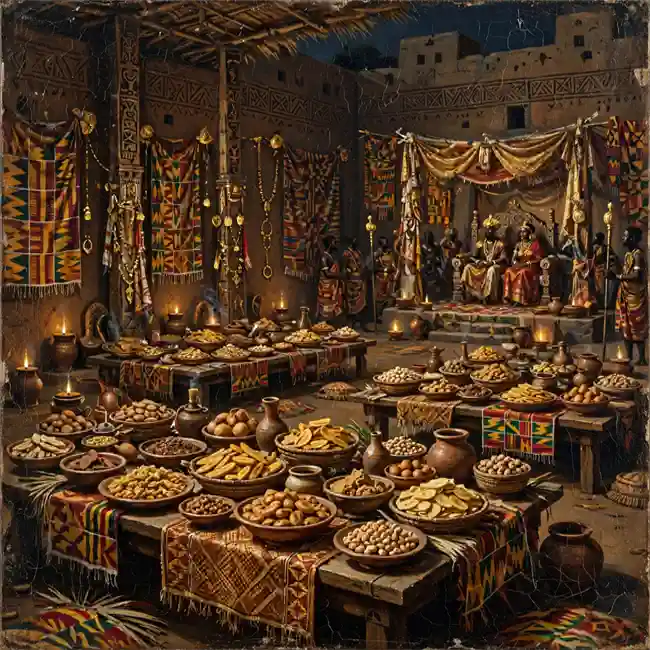
🇬🇭 📜 The Storyteller's Intro: Unlocking the Hidden Snack Tables of Ghana's Noble Courts
When people think of Ghanaian cuisine, they often picture hearty stews, rich soups, grilled meats, and comforting starches enjoyed by families across the country. Yet hidden behind these familiar dishes lies another fascinating chapter—a world of elegant side-bites once prepared for royal compounds, noble households, respected chiefs, queens, and distinguished visitors.
This collection is not about everyday street snacks. Instead, it explores the forgotten culinary traditions inspired by the courts of historic Ghanaian kingdoms, especially between roughly 200 and 1,000 years ago, when powerful states flourished across forests, savannahs, river valleys, and coastal trading centers.
Rather than imagining one single royal cuisine, it is more accurate to understand Ghana as home to several influential kingdoms, each developing its own refined dining customs.
Some of the most influential historical periods include:
◦ 👑 Early forest chiefdoms that established ceremonial food traditions.
◦ 🛡️ The rise of Akan-speaking kingdoms where court etiquette became increasingly sophisticated.
◦ 🦁 The growth of the Ashanti Empire, famous for elaborate royal ceremonies and palace hospitality.
◦ 🌊 Coastal kingdoms that blended inland traditions with influences brought through centuries of regional trade.
Throughout these centuries, side-bites played surprisingly important roles.
They were offered before important meetings.
They welcomed honored guests.
They accompanied storytelling, music, royal announcements, and diplomatic gatherings.
They celebrated harvest festivals and sacred occasions.
Unlike large ceremonial feasts, palace snacks demonstrated refinement through careful preparation, beautiful presentation, seasonal ingredients, and symbolic meaning rather than overwhelming size.
Many palace cooks guarded recipes within families serving noble households. Certain spice combinations, roasting techniques, wrapped delicacies, and ceremonial treats were shared only during important festivals or court celebrations.
Some recipes gradually became part of local traditions, while others quietly disappeared as kingdoms modernized.
This guide celebrates those forgotten culinary stories—not by claiming every recipe survived unchanged, but by exploring the remarkable traditions that inspired generations of Ghanaian hospitality.
🗺️ The Royal Culinary Tourism: Mapping Flavors to Historic Landscapes
One of the most fascinating ways to understand Ghanaian royal snacks is through geography.
Every historical region contributed unique ingredients that shaped noble kitchens.
Travelers exploring Ghana today can still discover echoes of these traditions through local markets, cultural festivals, historic palaces, and artisan food communities.
👑 Forest Kingdom Heritage
The lush forests provided:
◦ Fragrant leaves used for wrapping ceremonial snacks.
◦ Tree nuts and seeds valued by palace kitchens.
◦ Wild mushrooms gathered seasonally.
◦ Forest herbs treasured for delicate aromas.
These ingredients transformed ordinary bites into elegant offerings.
🌾 Savannah Inspirations
Northern landscapes introduced:
◦ Ancient grains.
◦ Roasted legumes.
◦ Smoked flavors.
◦ Carefully dried spices.
◦ Rich nut-based preparations.
Many noble kitchens prized northern ingredients because they traveled well and symbolized long-distance trade.
🌊 Coastal Royal Connections
The Atlantic coastline brought:
◦ Premium seafood.
◦ Sea salt.
◦ Coastal herbs.
◦ Coconut-inspired recipes.
◦ Imported spices arriving through regional commerce.
Royal chefs often combined inland ingredients with coastal delicacies to impress distinguished guests.
🛕 Palace Compounds
Historic palace compounds served as culinary laboratories.
Court cooks constantly refined recipes for:
◦ Coronations.
◦ Diplomatic receptions.
◦ Religious observances.
◦ Seasonal festivals.
◦ Marriage celebrations.
◦ Victory ceremonies.
Presentation mattered almost as much as flavor.
Beautiful woven baskets, carved wooden trays, polished brass vessels, and symbolic serving arrangements reflected status and hospitality.
🚣 Cradle of Royal Delicacies
The river systems and coastal regions formed lifelines connecting kingdoms for centuries.
Trade routes allowed palace kitchens to access rare ingredients from remarkable distances.
Several culinary traditions likely evolved from these exchanges.
🌊 Coastal Royal Side-Bites
Elegant palace snacks often featured combinations of:
◦ Delicately roasted seafood.
◦ Coconut-infused pastries.
◦ Palm-based ingredients.
◦ Fragrant herbs.
◦ Light spice blends.
These refined treats welcomed merchants, visiting nobles, and respected diplomats.
🚣 River Market Traditions
River communities supplied:
◦ Fresh fish.
◦ Plantains.
◦ Yams.
◦ Seasonal vegetables.
◦ Forest fruits.
Royal kitchens transformed these everyday ingredients into sophisticated ceremonial creations through skilled preparation and artistic presentation.
🏰 Historic Places Worth Exploring
Food lovers interested in Ghana's royal heritage often visit:
◦ Historic palace sites.
◦ Traditional chief compounds.
◦ Heritage museums.
◦ Cultural festivals.
◦ Artisan markets.
◦ Historic coastal settlements.
Every destination offers another piece of Ghana's remarkable culinary story.
⛰️ Kingdom of Wild Aromatics & Heritage
The forests surrounding many historical kingdoms supplied extraordinary natural ingredients rarely found elsewhere.
Royal cooks understood seasonal harvesting better than almost anyone.
Many ingredients appeared only during certain months, making some palace snacks available only for special celebrations.
🌿 Noble Forest Aromatics
Hidden forest treasures included:
◦ Wild herbs.
◦ Aromatic leaves.
◦ Medicinal spices.
◦ Edible flowers.
◦ Natural flavoring bark.
◦ Rare seeds.
These ingredients elevated simple recipes into luxurious palace delicacies.
🌰 Precious Nuts and Seeds
Royal kitchens highly valued:
◦ Roasted groundnuts.
◦ Sesame.
◦ Indigenous seeds.
◦ Tiger nuts.
◦ Palm kernels.
These ingredients created delicate textures rarely found in everyday meals.
🍃 Traditional Wrapping Techniques
Wrapping food served practical and ceremonial purposes.
Leaves protected food while adding subtle aromas.
The wrapping itself often reflected regional identity.
Different kingdoms favored different leaves depending on climate and local vegetation.
🔥 Mastering Fire
Ancient palace cooks mastered cooking over charcoal and wood fires.
Rather than rushing the process, they carefully controlled heat to create:
◦ Gentle roasting.
◦ Slow smoking.
◦ Crisp exteriors.
◦ Soft interiors.
◦ Layered aromas.
These techniques remain admired today.
🍱 Legendary Ghana Royal Court Side-Bites
Historical traditions and oral heritage have inspired numerous noble-style snacks associated with palace hospitality.
Among the most celebrated are:
◦ 👑 Royal Kelewele with carefully balanced noble spice blends.
◦ 🌿 Palace Leaf-Wrapped Yam Bites.
◦ 🥜 Golden Groundnut Crunch prepared for honored guests.
◦ 🍌 Ashanti Plantain Jewels.
◦ 🌰 Royal Tigernut Delicacies.
◦ 🍠 Noble Yam Croquettes.
◦ 🧆 Ceremonial Bean Cakes served during festivals.
◦ 🌽 Palace Corn Cakes prepared for seasonal celebrations.
◦ 🍃 Forest Herb Savory Parcels.
◦ 🥥 Coconut Heritage Cakes reserved for distinguished visitors.
These names represent traditions inspired by royal culinary heritage rather than standardized historical recipes.
Many communities continue preserving similar family specialties today.
👑 Life Inside Ghana's Noble Dining Culture
Royal households followed etiquette that extended far beyond the food itself.
Meals reflected respect.
Hospitality reflected leadership.
Sharing reflected community.
Some customs included:
◦ Guests receiving food before discussions began.
◦ Elders enjoying the first selections.
◦ Beautiful serving arrangements emphasizing harmony.
◦ Seasonal ingredients chosen to honor nature.
◦ Decorative carving and wrapping techniques.
◦ Quiet appreciation of skilled cooks whose names rarely appeared in written history.
The smallest snack could symbolize friendship, diplomacy, gratitude, or celebration.
🏺 Why Palace Snacks Were Different
Royal side-bites differed from everyday snacks because they emphasized:
◦ Ingredient quality.
◦ Seasonal freshness.
◦ Artistic presentation.
◦ Rare spices.
◦ Balanced flavors.
◦ Cultural symbolism.
◦ Ceremonial timing.
Luxury came through craftsmanship rather than extravagance.
Even humble ingredients became extraordinary in experienced hands.
🌍 Why Travelers Love Discovering Ghana's Royal Food Heritage
Modern visitors increasingly seek authentic cultural experiences.
Exploring royal culinary history allows travelers to appreciate Ghana beyond famous landmarks.
Visitors often enjoy:
◦ Historic royal museums.
◦ Traditional festivals.
◦ Cultural villages.
◦ Artisan food demonstrations.
◦ Historic marketplaces.
◦ Heritage cooking experiences.
◦ Palace architecture.
◦ Local storytelling traditions.
Food becomes a doorway into centuries of history.
👑 Royal FAQ: Unlocking Palace Kitchen Mysteries
Q1.Did Ghana really have royal snack traditions?
Yes. While recipes differed among kingdoms, palace households maintained refined culinary customs for ceremonies, diplomacy, festivals, and honored guests. Many traditions survive today through oral heritage and family practices.
Q2.Why were leaves so important in noble kitchens?
Leaves protected food during cooking while adding subtle natural aromas. Different regions selected different varieties based on local landscapes and culinary traditions.
Q3.Were these snacks eaten every day?
Generally no. Many elegant side-bites appeared during festivals, palace meetings, royal ceremonies, seasonal celebrations, or when welcoming distinguished visitors.
Q4.Can travelers still experience these traditions?
Although original palace recipes may have evolved over time, visitors can still discover many traditional snacks, heritage festivals, artisan food markets, royal museums, and cultural centers that preserve the spirit of Ghana's noble culinary heritage.
🧠 Final Thoughts: The Timeless Allure of Aristocratic Gastronomy
The story of Ghana's royal side-bites is ultimately a story of people, landscapes, craftsmanship, and hospitality.
Across forests, rivers, coastlines, and historic kingdoms, generations of cooks transformed local harvests into elegant expressions of culture.
Their greatest achievement was never simply creating delicious snacks.
It was creating unforgettable moments.
Every carefully wrapped parcel, roasted delicacy, crisp cake, and fragrant bite welcomed guests with dignity while celebrating local identity.
Many original palace recipes remain hidden within oral traditions, family memories, and regional customs waiting to be explored.
This guide serves as the opening chapter.
In future articles, we will dive much deeper into individual palace-inspired snacks—examining their cultural background, traditional ingredients, preparation methods, historical symbolism, and the culinary wisdom that has quietly survived for centuries.
The journey into Ghana's forgotten royal kitchens has only just begun.
👑 Credit to the Keepers of the Culture (The Legacy)
Every culinary tradition belongs first and foremost to the communities that have protected it across generations.
This article respectfully celebrates the enduring heritage of Ghana's traditional kingdoms, royal households, chiefs, queen mothers, elders, historians, artisans, cooks, farmers, storytellers, and local families whose knowledge continues to preserve these remarkable food traditions.
Their wisdom reminds us that recipes are more than instructions.
They are living records of identity, hospitality, craftsmanship, and history.
As interest in traditional African gastronomy continues to grow around the world, honoring these cultural guardians ensures that Ghana's royal culinary heritage is appreciated with respect, curiosity, and gratitude for generations to come.
👑🍱 Discover the Hidden Palace Snacks of Ancient Ghana
👉 Unlock Rare Ghanaian Royal Court Side-Bites
| 🌐 👑🍱 < Back | 🇬🇭 👑🍞 < Previous | Next > 🥘👑 🇬🇭 |