
🏠 Home > 🗺️ Recipes > 👑🥪 Royal Starters (Appetizers) > 🇬🇦 Gabon Royal Starters (Appetizers) Recipes > 👑🥪 1.Rainforest Noble Cassava & Smoked River Fish Croquettes
👑🥪 Discover the Forgotten Aristocratic Appetizers of Ancient Gabon
Published by Supakorn | Updated: July 2026
🇬🇦 🏛️ The Forgotten Aristocratic Legacy of Gabon: The Kingdoms of Loango, Orungu, and the Ancient Courtly Traditions
Long before modern borders defined Central Africa, the lands now known as Gabon were home to flourishing kingdoms, influential trading communities, and respected noble families whose influence extended across forests, rivers, and coastal settlements. Among the most remarkable were the Kingdom of Loango, the Orungu Kingdom, and several respected aristocratic clans whose leaders governed through diplomacy, ancestral wisdom, and carefully preserved traditions.
Although Gabon never developed the grand stone palaces often associated with European monarchies, its noble households cultivated an equally refined culinary culture. Prestige was measured not only by wealth but also by generosity, hospitality, and the ability to present extraordinary meals during ceremonies, diplomatic gatherings, marriage celebrations, harvest festivals, and sacred ancestral rituals.
Within these elite households, appetizers were far more than small bites before the main feast. They served as symbols of welcome, prosperity, and respect. Every carefully prepared morsel announced that honored guests had entered a place where tradition, craftsmanship, and generosity were deeply valued.
Many of these elegant dishes relied on ingredients gathered directly from Gabon's extraordinary rainforests, fertile riverbanks, and Atlantic coastline. Wild herbs, aromatic leaves, smoked fish, forest mushrooms, palm products, cassava, plantains, tropical nuts, and carefully selected spices were transformed into sophisticated creations that reflected centuries of accumulated culinary knowledge.
Preparation itself became an act of ceremony. Experienced family cooks passed techniques from one generation to another without written recipes. Measurements were remembered through observation, touch, aroma, and experience rather than precise instruments. Young apprentices spent years learning how to recognize perfect textures, ideal roasting temperatures, and harmonious flavor combinations before they were trusted to prepare dishes for distinguished guests.
Today, many of these culinary customs survive only through oral history, regional traditions, and the memories of local communities. While exact historical recipes have naturally evolved over centuries, their spirit continues to inspire modern interpretations that celebrate Gabon's remarkable cultural heritage.
This article revives one such elegant appetizer by respectfully blending historical inspiration with practical techniques suitable for today's home kitchen, allowing modern food lovers to experience a taste inspired by Gabon's aristocratic past.
📜 The Storyteller's Intro
Imagine stepping back nearly five centuries.
The evening air is warm beneath towering rainforest trees as the final rays of sunlight disappear beyond the Atlantic horizon. Deep within an aristocratic residence built from polished timber and surrounded by carved ancestral symbols, preparations for an important gathering quietly unfold.
Experienced cooks move gracefully between clay hearths, woven baskets, and polished wooden serving platters. Fresh cassava has already been carefully prepared. Plantains slowly roast over glowing embers while fragrant forest herbs release delicate aromas into the air.
No voice is raised.
Every movement follows traditions learned from generations before.
An elder carefully inspects each ingredient before granting approval. Younger assistants arrange carved serving trays decorated with woven palm fibers and symbolic patterns representing prosperity, unity, and respect for ancestors.
Tonight, influential elders, respected hunters, traders, community leaders, and honored visitors will gather around a ceremonial table. Before the grand feast begins, beautifully crafted appetizers will be presented—not simply to satisfy hunger, but to communicate dignity, gratitude, and friendship.
Each small dish tells a story.
Each carefully selected ingredient reflects the surrounding rainforest.
Each bite carries the memory of generations who believed that welcoming guests with exceptional food strengthened both families and communities.
Although centuries have passed, the atmosphere remains easy to imagine whenever these traditional flavors are prepared again.
🌍 The Global Value
Across history, nearly every civilization developed recipes reserved exclusively for society's highest ranks. Gabon's aristocratic households were no exception.
The finest ingredients were often gathered specifically for ceremonial occasions rather than daily meals. Certain forest mushrooms appeared only during particular seasons. Fresh river fish were selected before sunrise. Rare spices, carefully processed palm products, and premium cassava preparations required exceptional skill and patience.
These recipes were never simply about luxury.
Instead, they reflected knowledge accumulated over hundreds of years—knowledge about local ecosystems, sustainable harvesting, seasonal rhythms, preservation methods, and balanced flavor combinations that could only be mastered through experience.
Because these traditions were primarily preserved through oral teaching rather than written cookbooks, countless details gradually disappeared as generations changed, kingdoms evolved, and colonial influences reshaped regional food culture.
Fortunately, many communities throughout Gabon have continued protecting fragments of these remarkable traditions through festivals, family gatherings, and everyday cooking.
Modern historians, chefs, and cultural researchers increasingly recognize that these dishes represent something far greater than recipes alone.
They are living expressions of identity.
They preserve agricultural knowledge, craftsmanship, hospitality, environmental wisdom, and ancestral memory.
By exploring these forgotten aristocratic appetizers today, we help celebrate a culinary heritage that deserves recognition alongside the world's most respected historical cuisines.
✨ The Collection
This collection is not intended to recreate history with absolute certainty.
Instead, it respectfully brings together historical inspiration, regional culinary traditions, archaeological understanding, and long-preserved cooking practices to imagine how Gabon's aristocratic tables may have welcomed distinguished guests nearly five hundred years ago.
Each featured recipe has been thoughtfully adapted for the modern kitchen while honoring traditional ingredients, authentic flavor profiles, and the welcoming spirit that defined Gabon's noble households.
Rather than focusing on extravagant luxury, these recipes celebrate balance, freshness, craftsmanship, and respect for nature—values that continue to shape Gabonese cuisine today.
The appetizer you are about to discover represents more than a delicious beginning to a meal.
It is a window into forgotten ceremonies.
A tribute to skilled ancestral cooks.
A celebration of forest abundance.
And above all, an invitation to bring a small piece of Gabon's remarkable culinary legacy back to life in your own kitchen.
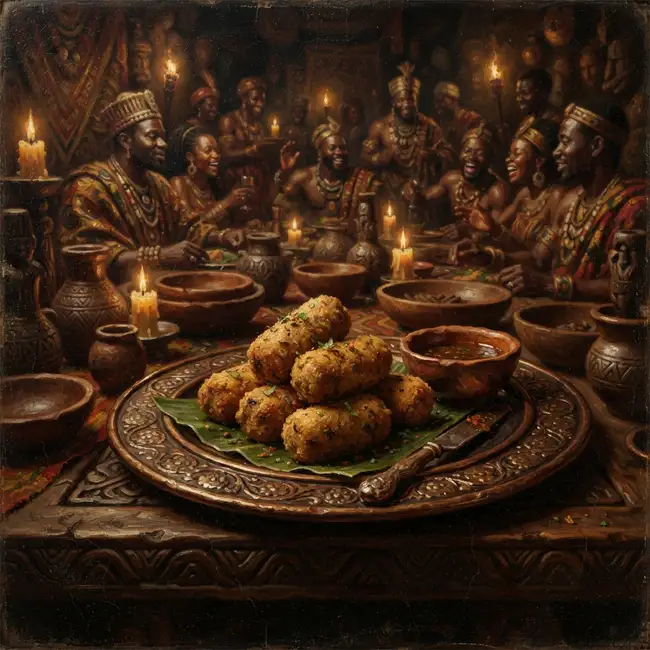
🍽️ Recipe: Rainforest Noble Cassava & Smoked River Fish Croquettes
👑 About this Aristocratic Secret
Among the many dishes believed to have graced the ceremonial tables of Gabon's aristocratic households, few appetizers better represent the harmony between forest, river, and community than these elegant Rainforest Noble Cassava & Smoked River Fish Croquettes.
While no single written manuscript has survived from five centuries ago describing this exact recipe, historians and culinary researchers agree that smoked fish, cassava, plantains, palm products, wild herbs, and aromatic spices formed the foundation of many prestigious meals prepared for respected leaders and honored guests throughout the region.
This modern historical interpretation is inspired by those enduring traditions.
Imagine an important gathering within an aristocratic residence during the height of the dry season.
Village elders have successfully negotiated peace with neighboring communities. Distinguished hunters return from the rainforest with valuable gifts. Skilled traders arrive carrying woven baskets filled with precious goods gathered along the Atlantic coast and inland rivers.
Such occasions deserved food that reflected gratitude rather than excess.
Before the grand feast officially began, attendants carefully carried beautifully carved wooden platters filled with warm appetizers to every honored guest. These first bites encouraged conversation, demonstrated generosity, and symbolized the host family's prosperity.
The crispy cassava exterior represented the fertile lands that sustained the community.
The smoky river fish honored Gabon's abundant waterways.
Fresh herbs celebrated the rainforest that protected and nourished generations.
Palm oil added both vibrant color and rich flavor, while carefully roasted spices created aromas that welcomed every visitor long before the first bite was taken.
Unlike modern appetizers designed simply to satisfy hunger, these ceremonial dishes carried meaning.
Serving beautifully prepared food showed respect.
Sharing food strengthened alliances.
Accepting food demonstrated trust.
Every carefully crafted croquette reminded guests that hospitality was one of the highest virtues within Gabon's aristocratic traditions.
Today, this recipe captures that same welcoming spirit while adapting traditional techniques for contemporary kitchens, allowing anyone to enjoy flavors inspired by one of Central Africa's richest culinary heritages.
🌿 Ingredients & The Aristocratic Touch
🌾 The Aristocratic Pantry
Every remarkable appetizer begins with remarkable ingredients.
Centuries ago, noble households selected only the freshest harvests available from the surrounding rainforest, rivers, and cultivated gardens. Experienced cooks believed each ingredient should complement the next rather than compete for attention.
Cassava provided a smooth, satisfying texture that symbolized abundance.
Freshly smoked river fish contributed layers of deep, savory flavor developed through slow traditional smoking techniques.
Plantains offered natural sweetness that balanced earthy ingredients without overwhelming them.
Palm oil delivered its distinctive golden-red color, creating an inviting appearance worthy of ceremonial gatherings.
Fresh herbs added brightness, while carefully toasted spices completed a flavor profile that felt both comforting and sophisticated.
Rather than relying on expensive imported ingredients, Gabon's aristocratic cooks celebrated the incredible diversity of their homeland, proving that true elegance comes from quality, balance, patience, and respect for nature.
🥬 Modern Substitutes
To make this historical-inspired recipe practical for today's kitchens, the following alternatives work beautifully while preserving its traditional character.
• Smoked river fish → Smoked mackerel
• Smoked tilapia → Smoked trout
• Fresh cassava → Frozen cassava
• Cassava flour → Fine potato starch (if needed for binding)
• Red palm oil → Sustainable palm oil or light olive oil
• Forest spinach → Baby spinach
• Wild African basil → Fresh basil
• Local rainforest herbs → Flat-leaf parsley
• Bird's eye chili → Mild red chili or paprika
• Fresh forest mushrooms → Shiitake mushrooms
• Roasted ground egusi → Ground pumpkin seeds
• Traditional clay oven roasting → Conventional oven
• Banana leaves → Baking parchment for steaming
• Fresh rainforest peppers → Sweet bell pepper for milder flavor
These substitutions allow home cooks worldwide to experience the essence of Gabon's aristocratic cuisine using ingredients commonly available in supermarkets.
📋 The Measurements
Base Mixture
• 2 cups boiled cassava, mashed until smooth
• 250 grams smoked mackerel or smoked river fish, flaked
• 1 medium ripe plantain, finely mashed
• 2 tablespoons sustainable palm oil
• 1 small onion, finely diced
• 2 cloves garlic, minced
• 1 teaspoon freshly grated ginger
• 2 tablespoons finely chopped parsley
• 1 tablespoon chopped basil
• 1 small red chili, finely chopped (optional)
• 1 teaspoon smoked paprika
• ½ teaspoon ground white pepper
• 1 teaspoon sea salt
• ½ teaspoon ground coriander
• ¼ teaspoon ground nutmeg
Crispy Coating
• 1 cup fine cassava flour
• ½ cup finely crushed roasted cassava flakes or plain breadcrumbs
• 1 teaspoon smoked paprika
• ½ teaspoon sea salt
For Cooking
• 2 tablespoons palm oil for brushing
• Baking paper or banana leaves (optional)
• Fresh parsley for garnish
• Thin slices of roasted plantain for serving
🌿 Why These Ingredients Matter
Every ingredient contributes not only flavor but also historical authenticity.
Cassava became one of Central Africa's most dependable staple foods because it thrives in tropical climates and stores well after harvest.
Smoked fish reflects generations of preservation techniques developed along Gabon's rivers and coastline, allowing valuable protein to remain available throughout changing seasons.
Plantains soften the earthy flavor of cassava while adding gentle sweetness without refined sugar.
Palm oil has been an essential ingredient across many Central and West African cuisines for centuries, appreciated for both its vibrant color and distinctive richness.
Fresh herbs brighten every bite, reminding us that aristocratic cuisine often emphasized freshness just as much as complexity.
The gentle spice blend avoids overwhelming heat. Instead, it creates balanced layers of aroma that gradually unfold, allowing every ingredient to remain recognizable.
This philosophy of harmony over intensity reflects many traditional African culinary practices that continue to inspire chefs today.
When these ingredients come together, they create more than an appetizer.
They recreate a welcoming gesture that once greeted respected visitors entering Gabon's most distinguished households—a simple yet elegant beginning worthy of a memorable feast.
🍳 The Chef's Ritual
Preparing these Rainforest Noble Cassava & Smoked River Fish Croquettes is more than following a recipe—it is an invitation to slow down and appreciate the thoughtful rhythm that once guided aristocratic kitchens across ancient Gabon. Every step reflects patience, balance, and respect for the ingredients.
Unlike hurried modern cooking, noble household cooks believed that each stage deserved its own attention. They understood that exceptional flavor was created through careful preparation long before the food reached the serving platter.
Follow these steps to recreate that timeless spirit.
🔥 Step 1: Prepare the Cassava
If using fresh cassava, peel away the thick outer skin completely and remove the woody center core.
Cut the cassava into medium-sized pieces and simmer in lightly salted water for about 25–30 minutes, or until perfectly tender.
Drain thoroughly and allow any excess moisture to evaporate before mashing into a smooth, creamy consistency.
If using frozen cassava, cook according to the package instructions before mashing.
The drier the mashed cassava, the easier it will be to shape beautiful croquettes.
🧅 Step 2: Build the Flavor Base
Warm a small amount of palm oil in a skillet over medium heat.
Add the diced onion and cook gently until soft and translucent.
Stir in the garlic and grated ginger, allowing their aromas to develop for about one minute.
Avoid browning the garlic too much, as gentle sweetness is preferred over bitterness.
Remove from the heat and allow the mixture to cool slightly.
🐟 Step 3: Combine the Noble Filling
Place the mashed cassava into a large mixing bowl.
Add the flaked smoked fish, mashed plantain, cooked onion mixture, chopped herbs, paprika, coriander, white pepper, nutmeg, chili if using, and sea salt.
Mix gently with a wooden spoon or clean hands until everything is evenly combined.
The mixture should feel soft yet firm enough to hold its shape.
If it seems too wet, add a small amount of cassava flour.
If too dry, mix in one or two teaspoons of warm water.
The goal is a smooth mixture that forms easily without sticking excessively.
✋ Step 4: Shape with Care
Scoop approximately two tablespoons of mixture for each croquette.
Roll gently between your palms into small oval or round shapes.
Uniform size helps every croquette cook evenly.
Historically, elegant presentation reflected the discipline and skill of the household preparing the meal.
Neatly shaped appetizers quietly communicated respect toward every guest.
🌾 Step 5: Create the Crispy Coating
In a shallow bowl, combine:
• Cassava flour
• Crushed cassava flakes or breadcrumbs
• Smoked paprika
• Sea salt
Roll each croquette carefully until evenly coated.
Press lightly so the coating adheres without becoming thick or heavy.
The finished coating should appear delicate rather than bulky.
🔥 Step 6: Bake Until Golden
Preheat the oven to 200°C (400°F).
Arrange the croquettes on a baking tray lined with baking paper.
Brush each one lightly with palm oil.
Bake for 20–25 minutes, turning halfway through cooking.
The outside should become crisp and lightly golden while the inside remains soft and flavorful.
For an extra crisp finish, broil for one or two minutes during the final stage while watching carefully.
🌿 Step 7: Present Like an Aristocratic Feast
Arrange the warm croquettes on a carved wooden board, ceramic platter, or rustic serving dish.
Garnish with:
• Fresh parsley
• Roasted plantain slices
• Lightly roasted pumpkin seeds
• Fresh herb leaves
Serve immediately while the exterior remains crisp and the filling stays warm and tender.
The presentation should feel welcoming, natural, and abundant rather than overly decorated.
The beauty lies in simplicity inspired by nature.
👨🍳 Secrets of the Palace Kitchen (Tips & Mistakes)
Centuries ago, experienced cooks relied on observation rather than written instructions. These practical techniques helped ensure every ceremonial appetizer met the high expectations of noble households.
✨ Palace Tips
• Always allow cooked cassava to cool slightly before mixing. Warm cassava absorbs flavors more evenly without becoming sticky.
• Choose high-quality smoked fish with a rich aroma rather than an overly salty variety.
• Finely chop herbs so their fragrance spreads throughout every bite.
• Roast whole spices briefly before grinding to deepen their natural aroma.
• Let the croquette mixture rest for 15–20 minutes before shaping. This improves texture and makes handling easier.
• Brush lightly with palm oil instead of soaking the croquettes. A thin coating creates a crisp exterior without becoming greasy.
• Shape each croquette to a similar size for even cooking.
• Bake rather than deep-fry if you prefer a lighter interpretation while preserving excellent texture.
• Garnish just before serving so herbs remain vibrant and fresh.
• Serve warm, never piping hot. Allowing the croquettes to rest for three to five minutes helps the flavors settle beautifully.
⚠️ Common Mistakes
• Using cassava that still contains excess water creates soft croquettes that lose their shape.
• Adding too much salt can overpower the naturally smoky fish.
• Overmixing the ingredients may produce a dense texture.
• Chopping herbs too early causes them to lose freshness before cooking.
• Baking at very high heat can brown the outside before the center is fully heated.
• Making oversized croquettes often results in uneven cooking.
• Applying too much coating hides the delicate balance between cassava and smoked fish.
• Skipping the resting time makes shaping much more difficult.
• Turning the croquettes too often during baking may break their delicate crust.
• Serving them long after baking reduces their crisp texture.
Remember that aristocratic cooking valued balance above all else.
Every ingredient should complement the others, creating harmony instead of competition.
👑❓ Royal FAQ
Question 1. Can I prepare the croquettes in advance?
Yes. Shape the croquettes and refrigerate them for up to 24 hours before baking. This actually helps them hold their shape even better.
Question 2. Can I freeze them?
Absolutely.
Freeze the uncooked croquettes on a tray until firm, then transfer them to an airtight container. Bake directly from frozen, adding approximately 8–10 extra minutes to the cooking time.
Question 3. What can I serve alongside these appetizers?
Fresh tropical fruit, roasted vegetables, leafy salads, cassava chips, grilled plantains, or a selection of fresh herbs all pair beautifully with these croquettes while maintaining their historical inspiration.
Question 4. Is this an authentic historical recipe?
This recipe is a respectful historical interpretation inspired by traditional Gabonese ingredients, culinary practices, and aristocratic dining customs. Exact written recipes from five centuries ago are extremely rare, so this version carefully combines historical knowledge with modern cooking techniques.
📜 The Taste of History (Summary)
Every bite of these Rainforest Noble Cassava & Smoked River Fish Croquettes offers more than satisfying flavor.
They celebrate the generosity of noble households that welcomed honored guests with carefully prepared food.
They reflect the remarkable biodiversity of Gabon's rainforests, rivers, and fertile landscapes.
They honor generations of skilled cooks who preserved culinary knowledge through memory, practice, and family tradition rather than written cookbooks.
The creamy cassava, delicate sweetness of plantain, fragrant herbs, and rich smoked fish combine to create an appetizer that feels comforting while remaining elegant enough for special occasions.
Although adapted for today's kitchens, the recipe preserves the values that once defined aristocratic hospitality—patience, craftsmanship, balance, and respect for nature.
Preparing this dish is not simply cooking.
It is participating in a living tradition inspired by centuries of cultural heritage.
With every carefully shaped croquette, you help keep a remarkable culinary story alive for future generations to discover and enjoy.
🌟 Final Thoughts: Bringing History to Your Table
History is often remembered through monuments, manuscripts, and treasured artifacts, but one of its most meaningful legacies is found around the dining table. Recipes have the remarkable ability to preserve stories that written records sometimes overlook. Every ingredient, cooking technique, and shared meal carries the memory of the people who prepared it generations ago.
These Rainforest Noble Cassava & Smoked River Fish Croquettes are inspired by the enduring culinary traditions of Gabon's aristocratic households. While the exact recipes from five centuries ago have largely been lost to time, the values behind them remain beautifully relevant today: hospitality, patience, respect for nature, and the joy of bringing people together.
One of the most fascinating qualities of traditional Gabonese cuisine is its harmony with the surrounding environment. The forests, rivers, and fertile lands provided an incredible variety of fresh ingredients, encouraging cooks to create dishes that celebrated natural flavors rather than masking them. Simplicity, when combined with exceptional ingredients and careful technique, became a hallmark of refined dining.
This historical interpretation embraces that same philosophy.
By combining creamy cassava, delicately smoked fish, fragrant herbs, and gentle spices, this appetizer creates a balance of texture and flavor that feels both comforting and elegant. It is suitable for family dinners, holiday celebrations, cultural events, or simply for anyone who enjoys exploring the rich culinary traditions of Africa.
More importantly, preparing this recipe offers an opportunity to appreciate a culture whose food heritage deserves wider international recognition. Every step connects modern kitchens with centuries of knowledge passed from one generation to the next through observation, storytelling, and shared meals.
🌿 The Encouragement
Do not worry if your first batch is not perfectly shaped or identical in size.
Even the most experienced traditional cooks refined their skills through years of practice, learning from parents, grandparents, and respected community elders.
Take your time.
Enjoy the aromas as the herbs release their fragrance.
Listen to the gentle crackle as the croquettes become golden in the oven.
Appreciate the vibrant colors inspired by Gabon's lush landscapes.
Most importantly, share the finished dish with family and friends. Traditional food has always been about creating memories together, and every shared meal helps keep cultural traditions alive.
With thoughtful preparation and a little patience, anyone can recreate a dish inspired by Gabon's aristocratic culinary heritage and experience a taste of history from the comfort of home.
📣 The Call to Action (The Golden Hook)
If you enjoy discovering forgotten recipes, ancient culinary traditions, and the remarkable stories behind historical cuisine, you are helping preserve an important part of our shared cultural heritage.
Every traditional recipe tells a story.
Every regional ingredient reflects centuries of local knowledge.
Every recreated historical dish keeps a valuable tradition alive for future generations.
Join us as we continue exploring remarkable recipes inspired by aristocratic households, royal courts, noble families, and historic kitchens from around the world.
Share these culinary stories with fellow food lovers, history enthusiasts, and curious home cooks who believe that the world's greatest recipes deserve to be remembered—not forgotten.
Together, we can celebrate the diversity of global food culture, inspire new generations of cooks, and ensure that remarkable culinary traditions continue to flourish for years to come.
Because preserving history is not only about protecting ancient buildings or priceless artifacts.
Sometimes, preserving history begins with preparing a single unforgettable recipe.
🏛️ Credit to the Keepers of the Culture (The Legacy)
This recipe is respectfully inspired by the traditional culinary heritage of Gabon, drawing upon historical studies, regional food customs, oral traditions, and the enduring cooking practices preserved by local communities across generations.
Because many aristocratic recipes from Central Africa were transmitted orally rather than recorded in written cookbooks, this modern interpretation thoughtfully combines historical inspiration with contemporary kitchen techniques to make the dish accessible while honoring its cultural origins.
It is created as a tribute to the cooks, elders, families, artisans, farmers, fishers, and cultural guardians whose knowledge has helped preserve Gabon's remarkable gastronomic heritage through centuries of social and historical change.
We recognize that traditional cuisine is a living cultural treasure. Regional variations naturally exist, and every community contributes its own unique flavors, ingredients, and cooking methods to the rich mosaic of Gabonese food culture.
May this recipe encourage greater appreciation for Gabon's culinary traditions and inspire continued respect for the people who have safeguarded these remarkable practices across generations.
"This recipe is inspired by the historical culinary traditions of Gabonese aristocratic households. The ingredients, measurements, and cooking methods have been carefully adapted for modern kitchens while honoring the cultural spirit, hospitality, and enduring legacy of Gabon's rich culinary heritage."