
🏠 Home > 🗺️ Recipes > 🏛️🍖 Hearth-Roasted Mains > 🗿 Olmec: Hearth-Roasted Mains Recipes
🗿 🏛️🍖 Olmec: Hearth-Roasted Mains Recipes
Published by Supakorn | Updated: October 2026
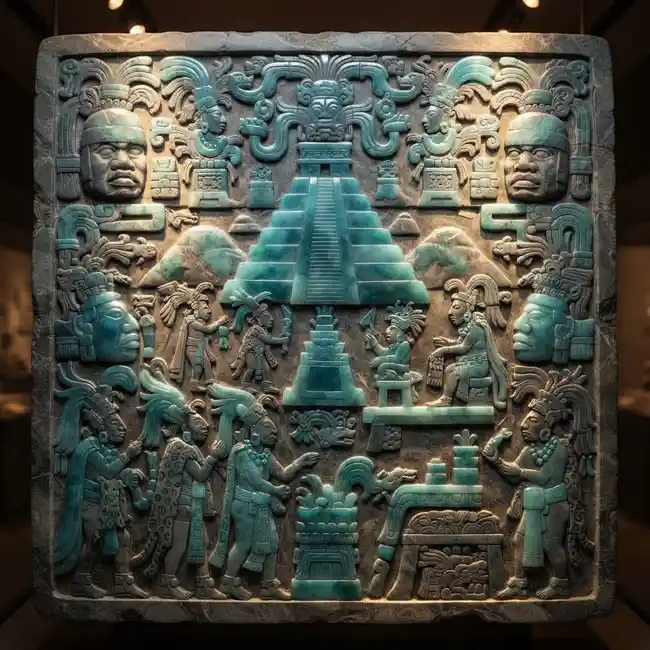
🛎️📜 The Storyteller’s Intro: 5,000 Years of Ancestral Flavors
Hey friend, let's go back. Way, way back before tacos, before tortillas as you know them, before anyone even thought about writing a cookbook.
We are talking about the Olmec. The people the Aztecs and Maya called the Rubber People because they lived where rubber trees grew wild along the steamy Gulf Coast of what is now Veracruz and Tabasco, Mexico. Archaeologists call them the Mother Culture of Mesoamerica, and for good reason.
When we say 5,000 years of flavor, here is what we actually mean:
✦ The Pre-Olmec Archaic Roots (c. 3000 - 1600 BCE): This is where it all simmers. Foraging bands in the tropical lowlands were already domesticating corn, squash, and beans. They were learning how to coax fire from damp wood and roast with hot stones in pit hearths. This is the deep flavor memory the Olmec inherited.
✦ The Early Olmec Awakening (c. 1600 - 900 BCE): The first villages around San Lorenzo become powerful. Monumental heads are being carved, but in the kitchens, something just as monumental is happening. The three-sisters agriculture is perfected, and the earth-oven becomes the center of community life.
✦ The Florescence - The Golden Age (c. 900 - 400 BCE): This is the peak of La Venta. Massive ceremonial centers, trade routes stretching for hundreds of miles for obsidian and jade, and royal feasts where hearth-roasted mains were not just food, but political power on a plate.
✦ The Epi-Olmec Echo (c. 400 BCE - 250 CE): The big centers fall, but the cooks don't disappear. Their knowledge travels. To Tres Zapotes, to the highlands, and eventually whispers its way into Maya and Aztec kitchens. Every barbacoa you have ever loved has a little Olmec smoke in it.
So the Olmec didn't have refrigerators, they didn't have metal pans, but they had something better: time, volcanic stone, and the world's first true understanding of low-and-slow roasting. Their hearth wasn't a stove. It was a hole in the earth, lined with clay and superheated rocks, sealed with leaves. It was magic.
📜 Iconic Excavated Menus: The Sacred Earth-Oven Ledger
This is my favorite part. We don't have an Olmec recipe book, but we have something cooler. We have charred seeds, animal bones with cut marks, burnt earth ovens, stone metates with corn residue, and ancient trash pits (middens) that tell us exactly what was on the fire. Here are the iconic hearth-roasted mains scholars have pieced together:
🦌 The Lord's Hunts: Wild Game from the Jungle Heart
The Olmec elite showed power by serving meat that was hard to get. These were not daily meals, these were statement dishes.
◦ Tamachtili Masatl - Smoked White-Tailed Deer in Hoja Santa: A whole haunch of white-tailed deer, rubbed with sea salt and ground chiltepin chilies, then slow-roasted for hours in a pib-style earth oven over smoldering zapote wood. Wrapped in giant sacred hoja santa leaves that perfume the meat with an anise-like aroma. The bones found at San Lorenzo show this exact butchering pattern.
◦ Coyameh Pitzotl - Pit-Roasted Collared Peccary with Wild Onions: Peccary, a wild pig-like animal of the jungle, was leaner and wilder than anything domestic. The Olmec would pack the cavity with wild scallions, avocado leaves, and sour tomatillos, then seal it in a clay jacket and bury it in hot coals. The fat renders into the meat.
◦ Tohtli Ihuicatl - Charred Wild Turkey with Pumpkin Seeds: The ancestor of all domesticated turkeys in Mexico. Plucked, flattened, and roasted directly on scorching basalt slabs. Before serving, it was showered with toasted, ground squash seeds (pepitas) and a paste of smoked chilies. Turkey bones are one of the most common finds in Olmec hearths.
◦ Ahoatzin Tepezcuintli - Clay-Baked Lowland Paca: A large, spotted forest rodent prized for its incredibly tender, almost pork-like meat. The Olmec method was to encase it whole in thick river clay and throw it into the embers. When the clay cracked, the meat inside was fall-off-the-bone soft. Think of it as the original jungle barbacoa.
🌽 The Three Sisters Mains: Where Maize Becomes Meat
For common folks and for ceremonial days, roasted plants WERE the main course. Hearty, smoky, and deeply satisfying.
◦ Tlaolli Nexcomitl - Ash-Roasted Cacao-Corn Tamales: This is not a side dish. This is a meal. Coarse nixtamalized corn dough mixed with ground cacao nibs and a pinch of salty tehuacan salt, wrapped in fresh corn husks and roasted in the ash of the hearth until the outside is charred and the inside is steamy and smoky.
◦ Etl-Centli Mamal - Hearth-Roasted Black Beans and Fresh Corn Bundle: A complete protein before anyone knew what protein was. Fresh sweet corn kernels and heirloom black beans tossed with strips of roasted chilacayote squash, bundled in banana leaves, and roasted until everything caramelizes together.
◦ Xonacatl Ayotl - Charred Alligator Squash with Chili Ash: A massive, primitive squash similar to today's calabaza. Cut into thick steaks, rubbed with chili ash salt (chilies burnt to ash and mixed with salt for umami), and roasted directly on coals until the edges are blackened and sweet.
◦ Huauhtli Patties - Amaranth and Seed Cakes Roasted on Stone: Tiny amaranth seeds popped on a hot comal-like stone, then mixed with ground sunflower seeds and a little honey from stingless bees, formed into patties and hearth-toasted until crunchy outside, chewy inside. The ultimate ancient travel food.
🐊 Waterside Gifts: River and Coastal Roasts
The Olmec lived between rivers and the sea. Their roasts reflect that.
◦ Michin Papalotl - Smoked River Catfish Wrapped in Leaves: Whole armored catfish from the Coatzacoalcos River, scored, stuffed with wild herbs like epazote, wrapped in layers of bijao leaves, and slow-smoked over green wood in a pit. The skin peels right off.
◦ Acatl Cuetlachtli - Earth-Oven Turtle with Wild Tomatillo: Freshwater turtles were a huge protein source. The Olmec would place the whole turtle on its back in the earth oven with sour tomatillos and green chilies in its shell, letting it roast in its own juices. Archaeological finds of turtle shells with heat scorching confirm this.
🗺️ Olmec Living and Culinary Pilgrimage: Following the Rubber People's Footsteps
Let's talk about how these people actually lived and how YOU can taste their echo today. The Olmec kitchen was never separate from the world.
◦ The Kitchen Was The Universe: An Olmec house was a thatched hut with no walls, and in the center was always the hearth. Three stones for the fire. That fire never went out. It was for cooking, for warmth, for telling stories, for keeping jaguars away. To eat their food is to understand that cooking was sacred.
◦ How They Ate - The Kneel-Down Feast: No tables. No chairs. Food was served on large, hand-formed pottery plates or fresh leaves on the ground. You ate with your hands, tearing roasted meat and scooping beans with folded corn dough. Meals were communal and silent at first, out of respect for the earth that gave it.
◦ Where To Go Today - Your Olmec Food Trail:
• San Lorenzo, Veracruz: The oldest Olmec center. Walk the plateau and you can still find ancient metates (grinding stones) just lying in the fields. The local markets still sell hoja santa and chiltepin exactly as the Olmec used.
• La Venta, Tabasco: Now an incredible open-air museum park (Parque-Museo La Venta). After seeing the colossal heads, find a local cook who still makes carne en pozo - meat in a hole. It is the direct descendant of Olmec hearth roasting.
• Tres Zapotes: Less touristy, more authentic. This is where you can visit small family farms growing criollo corn with cobs the size of your thumb - the same type the Olmec domesticated.
◦ The Living Flavor Trick: If you go, ask for anything cooked a la leña or en horno de tierra. That wood-fired, earth-oven taste - smoky, mineral, leafy - is the closest you will ever get to tasting 3,000-year-old history.
🚣 The River Heart: The Coatzacoalcos and Papaloapan Sacred Basins
You cannot talk Olmec food without talking water. These rivers were their highways, their supermarkets, and their seasoning.
◦ Why The Rivers Mattered For Roasting: The Gulf lowlands flood for six months a year. The earth oven was genius because it was above the flood line and used water-resistant clay. The rivers also provided the perfect sealing materials - huge, waxy leaves from the papatla and banana plants that grew on the banks.
◦ The Salt That Made It Possible: The Olmec got their salt from the salt flats near the coast where the rivers meet the Gulf. This coastal salt was full of minerals and slightly briny. It was traded inland and was the essential first rub for any hearth-roasted main. Without river transport, no salt, no roast.
◦ River Flavors In The Pit: The smoke was not just smoke. They used riverbank woods like guava and jobo plum wood for smoking, which gave a sweet, fruity smoke completely different from oak or hickory. And they tossed freshwater mussels and river snails into the coals alongside the meat to add a smoky, briny steam that flavored everything in the pit.
◦ Travel Tip - Paddle and Taste: Today you can take small boat tours on the Coatzacoalcos River. Your guide will likely roast a fresh catch of fish on the riverbank using three stones and leaves. Watch closely. You are watching an unbroken 3,000-year-old technique.
🏜️ From Jungle Swamp to Volcanic Highlands: The Smoke That Traveled
Wait, desert? The Olmec heartland was actually the opposite - a steaming jungle swamp. But their influence reached to dry, volcanic places, and that's where hearth-roasting evolved.
◦ The Tuxtla Mountains Connection: Just inland from the Olmec centers are the Tuxtlas - volcanic mountains. The Olmec quarried their basalt metates and grinding stones here. Those porous volcanic stones were the ultimate roasting slabs. They hold heat for hours. An Olmec cook would heat a basalt slab until it was white-hot, then sear meat directly on it for that incredible crust.
◦ The Oasis Effect - Highland Trade: The Olmec traded with people in the dry highlands of Oaxaca and Puebla. They sent lowland tropical flavors - cacao, vanilla, allspice - up there, and got highland obsidian knives and high-desert chilies in return. Those highland chilies are what gave Olmec roasts their heat.
◦ How Desert Wisdom Improved Jungle Cooking: The highland technique of drying chilies and grinding them into powders for rubs was adopted by the Olmec lowland cooks. Suddenly, their roasts were not just smoky, but layered with deep, smoky-sweet chili flavor that could survive the humidity of the jungle.
◦ The Ultimate Fusion: The best Olmec hearth-roasted mains were literally a map of Mesoamerica in one bite - Gulf Coast meat, volcanic stone heat, highland chili, tropical lowland leaves, and coastal salt. No other civilization at that time was cooking with such a huge pantry.
🗿❓ Ancient Civilization FAQ: Unlocking Palace Kitchen Mysteries
Q1: Did the Olmec really have recipes if they had no writing?
This is such a good question. No, they didn't have a written recipe system like we do. So how do we know? We have three sources that are even better. First, lipid analysis - scientists scrape the inside of ancient pottery and can tell if it held deer fat or corn or cacao. Second, coprolites - yes, fossilized poop - which show exactly what someone ate. Third, living tradition - indigenous Zoque-Popoluca cooks in Veracruz still use earth ovens called pib with techniques their grandmothers said came from los antiguos, the ancient ones. It's an oral recipe passed down for 100 generations.
Q2: What made Olmec hearth-roasting different from just grilling over fire?
Grilling is fast and hot. Hearth-roasting, or earth-oven cooking, is slow, moist, and sealed. You dig a pit, light a massive fire, toss in volcanic stones until they are glowing, remove the coals, lay your leaf-wrapped food on the stones, cover it with more leaves, bury it with dirt, and walk away for 6 to 12 hours. The food doesn't grill, it steams, smokes, and braises in its own juices at around 200°F. The result is meat that falls apart with your fingers and vegetables that are sweet and smoky. It's the mother of all modern barbacoa and cochinita pibil techniques.
Q3: Were Olmec meals spicy?
Yes and no. They had access to the wild ancestor of all chilies, the tiny chiltepin, which is incredibly hot. But they didn't use it to blow your head off. They used it like salt - a tiny pinch, smoked or toasted, to make other flavors pop. Their heat was smoky and aromatic, not just burning. They balanced it with sour tomatillos, sweet squash, and anise-like herbs. So the heat was there, but it was wise, not aggressive.
Q4: Who got to eat these hearth-roasted mains?
Everyone, but not the same version. A farmer might have hearth-roasted squash and beans with a little turkey. A chieftain or shaman at La Venta would host a feast where 20 deer and peccaries were roasted at once for the whole village after a successful monument was erected. The feasts were political. The more meat you could roast and share, the more powerful you were. Food was currency, religion, and politics all roasting in the same pit.
🧠 Final Thoughts: The Timeless Allure of Antique Gastronomy
So here we are, thousands of years later, still obsessed with the same thing the Olmec were obsessed with: how to make fire taste like home.
The Olmec didn't just invent hearth-roasted mains. They invented the idea that cooking slow is cooking with respect. That if you take a tough piece of wild game, wrap it in leaves from the river, bury it with hot stones from a volcano, and wait, the earth itself will cook it for you.
Every time you smell wood smoke, every time you unwrap a tamale and see the steam escape, every time you eat meat that is so tender you don't need a knife - you are tasting the echo of an Olmec earth oven.
This is just the beginning, the appetizer if you will. We have only talked about the what and the why. In the next chapter, we will unlock the how - the full, hands-on earth-oven techniques, the exact stone temperatures, and the reconstructed Olmec rubs you can try in your own backyard pit.
The fire is still burning. Are you ready to dig in?
🏛️ Credit to the Keepers of the Culture (The Legacy)
This content was created with deep respect and gratitude. Our knowledge of Olmec culinary heritage stands on the shoulders of giants.
• To the Olmec themselves, the Rubber People: The first chefs of Mesoamerica. For domesticating corn, for listening to the earth, for showing us that food is memory.
• To the Zoque-Popoluca communities of Veracruz and Tabasco: The living descendants and keepers of the earth-oven tradition, who still cook with hoja santa and pib pits.
• To the archaeologists of San Lorenzo and La Venta: Particularly the teams led by Matthew Stirling, Ann Cyphers, and Rebecca González Lauck, whose meticulous work on hearths, middens, and chemical residue analysis gave us back these lost menus.
• To the INAH (Instituto Nacional de Antropología e Historia) of Mexico: For protecting these sacred sites so we can continue to learn.
We write not as owners of this story, but as students of it. Any errors are our own; all wisdom belongs to them.
🏛️🍖 The Forgotten Flame: Recreating The Olmec Warrior's Sacred Fire-Roasted Feast
👉 Unlock Iconic Olmec: Hearth-Roasted Mains
| 🌐 🏛️🍖 < Back | 🗿 🌾 < Previous | Next > 🍲 🗿 |