
🏠 Home > 🗺️ Recipes > 🏛️🌾 Primitive Grains & Flatbreads > 🗿 Olmec: Primitive Grains & Flatbreads Recipes
🗿 🏛️🌾 Olmec: Primitive Grains & Flatbreads Recipes
Published by Supakorn | Updated: October 2026
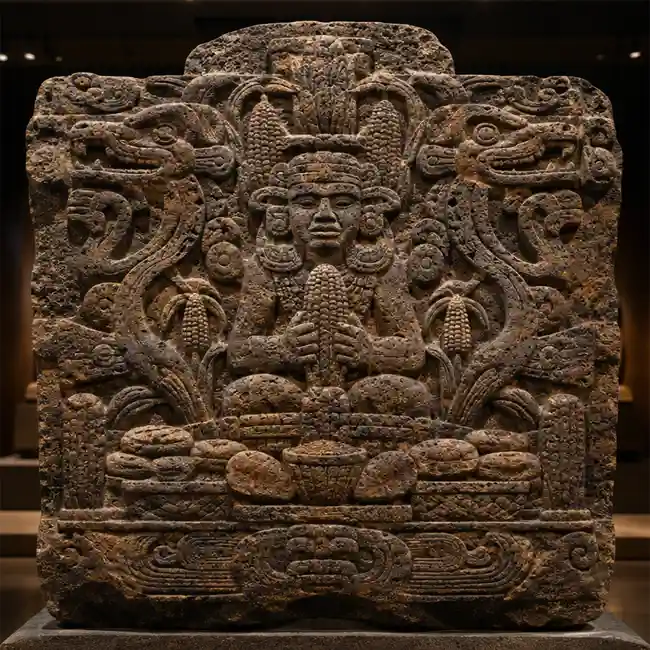
🗿📜 The Storyteller’s Intro: 5,000 Years of Ancestral Flavors
Hey there, fellow food explorer! Have you ever wondered what the air smelled like when humans first figured out how to turn tough, wild grains into something soft, aromatic, and deeply satisfying? To truly understand the story of bread and grain, we have to travel back nearly 5,000 years to the tropical lowlands of ancient Mesoamerica. Long before the Aztecs built their floating islands or the Maya carved their towering pyramids, there was a foundational culture that set the entire region's culinary clock in motion: the enigmatic Olmec civilization.
Nestled along the lush, swampy river basins of modern-day Veracruz and Tabasco in Mexico, the Olmec culture flourished primarily during two distinct archaeological periods. First came the Early Olmec era, stretching from roughly 1500 BCE to 900 BCE, centered around the majestic site of San Lorenzo. This was an era of massive urban planning, incredible stone carving, and early agricultural experimentation. Following this, the Late Olmec era took hold from about 900 BCE to 400 BCE, with its beating heart at La Venta. During these centuries, the Olmecs perfected complex farming techniques, established widespread trade networks, and transformed wild plants into staple foods that would feed millions across generations.
When you picture the Olmecs, your mind might instantly jump to those colossal, stern-faced basalt heads buried deep in the jungle. But behind those grand monuments was a culture deeply connected to the Earth, the cycles of rain, and the magic of the soil. They were the original innovators who transformed wild teosinte—a humble grass with tiny, rock-hard kernels—into ancestral maize. They discovered that by combining primitive grains with natural alkaline ash and limestone, they could unlock incredible nutrition and create malleable doughs. Every time you bite into a warm corn tortilla or enjoy an heirloom flatbread today, you are tasting a living thread of culinary history that began right here in the Olmec hearths.
📜 Iconic Excavated Menus: Archaeological Discoveries
Archaeologists and paleobotanists digging through the rich sediment of the Gulf Coast have unearthed incredible evidence of Olmec foodways. Through ceramic residue analysis, ancient hearth excavations, and microscopic starch grain testing, researchers have reconstructed the iconic dishes that nourished this mother culture of Mesoamerica. Here are the standout ancestral menu items identified through historical and archaeological records:
✨ Nixtamalized Heirloom Teosinte-Maize Flatbread: The ancient prototype of the classic tortilla, crafted from early domesticated maize soaked in alkaline wood-ash water, ground on stone metates, and seared on clay griddles.
✨ Wild Amaranth & Chia Energy Cakes: Dense, nutrient-rich hearth cakes made from puffed amaranth seeds and crushed chia seeds, bound with native fruit pulps and baked near hot coals.
✨ Riverine Sedge & Primitive Grain Mash: A warm, comforting porridge combining cracked early maize, wild grass seeds, and crushed palm nuts, simmered slowly in thick ceramic vessel pots.
✨ Sacred Cacao & Toasted Maize Infusion: A thick, savory froth made by grinding roasted cacao beans alongside toasted primitive corn kernels and native herbs, served during sacred rituals.
✨ Roasted Squash Seed & Herb Flatbread: A rustic, crispy flatbread enriched with crushed pumpkin seeds (pipian precursor) and infused with wild jungle greens for earthy flavor.
✨ Clay-Baked Herb & Kernel Cakes: Compact grain cakes packed with early maize dough, seasoned with wild chilies and aromatic herbs, wrapped in green leaves and baked beneath glowing earth embers.
🗺️ Daily Life, Hearth Traditions, and Exploring the Olmec Lands
Life in an ancient Olmec village revolved around the rhythms of the sun, the river currents, and the seasonal harvest. Imagine stepping into an Olmec compound 3,000 years ago. The morning air is thick with humidity and the sweet, earthy aroma of toasted corn warming on volcanic stone griddles called comales. Cooking was not just a daily chore; it was a sacred art form practiced around central hearths that served as the social and spiritual core of every home.
The Olmec diet was a masterclass in biodiversity and sustainable living. Beyond their primitive grains, they relied heavily on what grew naturally in their lush surroundings. Families gathered wild fruits, harvested native squash, and gathered nutritious seeds like amaranth and chia. The rivers provided abundant protein through fish, turtles, and freshwater mollusks, while the surrounding forests offered wild game. Cooking techniques were wonderfully primitive yet effective: stone boiling in clay pots, baking food underground wrapped in broad leaves, and searing flatbreads over open wood fires.
If you are a modern traveler with a passion for historical foodways, visiting the ancestral homeland of the Olmecs is an unforgettable journey. You can travel to the state of Veracruz and explore the famous Museo de Antropología de Xalapa, which houses one of the world's most impressive collections of Olmec artifacts, including the famous giant heads and ancient grinding tools. From there, head south toward La Venta Archaeological Park in Villahermosa, Tabasco, where you can walk among the ancient earthwork pyramids and imagine the thriving markets that once operated in these tropical river valleys. Local food markets across Veracruz and Tabasco still honor these ancient roots, serving hand-patted heirloom corn cakes, traditional herb mashes, and ancestral corn beverages that carry the authentic spirit of the Olmec kitchen.
🚣 The Mighty Coatzacoalcos River Basin: Mesoamerica’s Food Highway
You cannot talk about Olmec cuisine without celebrating the massive water network that made their agricultural revolution possible. The Coatzacoalcos River basin, along with its intricate web of tributaries, marshes, and oxbow lakes, acted as the vital pulse of the Olmec world. This rich river valley provided a constant supply of mineral-rich silt during seasonal floods, creating exceptionally fertile soils that allowed primitive maize and early grains to flourish without the need for synthetic fertilizers or complex plowing.
The river was also the primary highway for trade and cultural exchange. Olmec traders glided along the calm riverways in heavy dugout canoes, transporting raw basalt, jade, obsidian, and finished goods alongside prized food supplies. Baskets of dried heirloom corn kernels, bundles of wild amaranth, clay jars of cacao, and fresh river harvests moved continuously between coastal settlements and inland ceremonial centers like San Lorenzo.
Living along the riverbanks shaped the very essence of Olmec gastronomy. The constant availability of fresh water allowed for continuous grain processing, soaking, and stone grinding. The river mud was sculpted into sturdy ceramic pots and griddles, while the lush riverside vegetation provided broad leaves used to wrap grain cakes before steaming them over open fires. The Coatzacoalcos River was truly the cradle that sustained Mesoamerica's earliest urban centers and nurtured its foundational culinary techniques.
🐆❓ Ancient Civilization FAQ: Unlocking Palace Kitchen Mysteries
Q1.How did the Olmecs process primitive maize to make flatbreads without modern machinery?
The Olmecs relied on stone tools called metates (flat volcanic grinding stones) and manos (handheld grinding stones). Before grinding, they soaked the hard corn kernels in water mixed with wood ash or slaked lime. This process, known as nixtamalization, softened the outer hull, made the corn easy to grind into dough (masa), and dramatically boosted its nutritional value.
Q2.Were Olmec flatbreads the exact same as modern corn tortillas?
While they are the direct ancestors of modern tortillas, Olmec flatbreads were generally thicker, more rustic, and varied in size. The primitive maize varieties used had darker, denser kernels with rich, nutty flavors compared to modern commercial corn. They were often combined with wild seeds like amaranth or chia for added texture and nutrition.
Q3.Did the Olmecs consume cacao as a sweet treat like modern chocolate?
No, the Olmecs enjoyed cacao primarily as a savory, thick beverage or grain enhancement. They roasted and ground the cacao beans alongside toasted corn kernels, chili peppers, and local herbs, frothing the mixture with water. It was a savory, energizing, and highly prized ceremonial food rather than a sweet dessert.
Q4.What primitive grains were used alongside early maize in the Olmec diet?
Alongside early domesticated maize varieties, the Olmecs heavily utilized amaranth, chia seeds, wild river grass seeds, and seeds from native squash (Cucurbita species). These grains and seeds provided a balanced mix of proteins, healthy fats, and carbohydrates essential for their active lifestyle.
🧠 Final Thoughts: The Timeless Allure of Antique Gastronomy
Stepping back into the world of the Olmecs reminds us that cooking is one of humanity's oldest and most profound forms of creativity. Five thousand years ago, in the humid river valleys of Mesoamerica, ordinary people experimented with wild seeds, wood ashes, and hot stones to solve a fundamental human need. In doing so, they created a culinary foundation that outlived their temples, outlasted their empires, and continues to feed billions of people across the globe every single day.
There is a captivating, grounded magic in understanding where our everyday foods come from. When we look at a simple flatbread, we are not just looking at mealtime convenience; we are looking at millennia of human ingenuity, botanical mastery, and cultural survival. The rustic grain cakes of San Lorenzo and La Venta tell a story of harmony between humans and the natural world—a reminder to slow down, respect our ingredients, and honor the hearth.
Stay tuned, curious food lovers! In our upcoming deep-dive guides, we will be taking these ancient principles out of the history books and straight into your modern kitchen. We will uncover step-by-step culinary reconstructions, teaching you how to work with heirloom grains, master rustic flatbread techniques, and bring the authentic, comforting flavors of the ancient Olmec hearth directly to your dining table!
🏛️ Credit to the Keepers of the Culture (The Legacy)
To truly honor the rich culinary heritage of the Olmec civilization, we must acknowledge the modern guardians who keep these ancient traditions alive. The deep gastronomic wisdom of the Olmecs survives today through the indigenous communities of southern Veracruz and Tabasco, including the Popoluca, Nahua, and Chontal Maya peoples. For generations, traditional home cooks, known lovingly as cocineras tradicionales, have preserved the sacred arts of nixtamalization, hand-grinding on volcanic stone metates, and cooking over open clay fires.
We also express our deepest respect and gratitude to the dedicated archaeologists, paleobotanists, and anthropologists working with institutions like Mexico's Instituto Nacional de Antropología e Historia (INAH). Their painstaking excavations, pottery residue analyses, and botanical research provide the invaluable scientific foundation that allows us to reconstruct and understand ancient foodways accurately. By blending scientific discovery with living indigenous wisdom, we ensure that the legendary legacy of Mesoamerica's mother culture continues to inspire, nourish, and educate future generations.
🏛️🌾 Unveiling Mesoamerica’s Sacred Heritage: The Lost Olmec Cacao Grain Mash
👉 Explore Secret Olmec: Primitive Grains & Flatbreads
| 🌐 🏛️🌾 < Back | Next > 🍖 🗿 |