
🏠 Home > 🗺️ Recipes > 🏛️🍲 Clay-Pot Broths & Stews
🏛️🍲 5,000 Years of Clay-Pot Broths & Stews: Ancient Civilization Origins
Published by Supakorn | Updated: September 2026
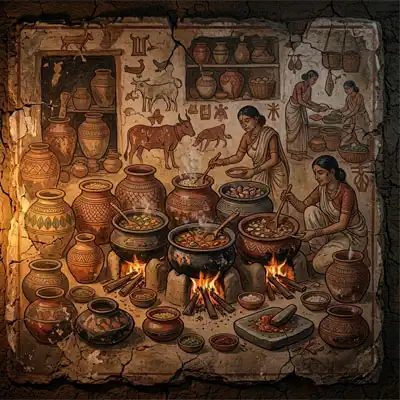
🥣 The Sacred Vessel: 5,000 Years of Primordial Clay-Pot Legacies
Long before written cookbooks existed, humanity gathered around glowing hearths where simple clay vessels transformed wild harvests into nourishing meals. Around 5,000 years ago, one of civilization's greatest culinary breakthroughs arrived—the fireproof clay pot. It allowed communities to slowly simmer grains, roots, herbs, vegetables, fish, and meat into rich broths that stretched precious ingredients while unlocking remarkable flavors.
The history of ancient clay-pot broths can be viewed through several major evolutionary periods:
• Early Tribal Hearth Era (c. 5000–4000 BCE)
• Rise of River Civilizations (c. 4000–3000 BCE)
• Temple & Royal Kitchen Expansion (c. 3000–2000 BCE)
• Bronze Age Culinary Innovation (c. 2000–1200 BCE)
• Regional Refinement & Cultural Exchange (c. 1200 BCE onward)
Across these eras, clay pots became symbols of survival, hospitality, family unity, seasonal wisdom, and sacred ritual. Every civilization slowly developed its own signature simmering traditions using local herbs, grains, vegetables, roots, and animal proteins.
Rather than rushing food over intense flames, ancient cooks trusted patience. Gentle heat extracted nutrients, softened difficult ingredients, and blended countless natural aromas into deeply satisfying broths that became daily staples for both humble villages and magnificent royal courts.
🍲 The Evolutionary Epochs of Early Clay Simmering & Slow-Boiling
Primitive clay cooking evolved together with agriculture. Early potters discovered that thicker earthenware tolerated long hours above glowing embers. Families began preparing meals that quietly simmered throughout the day while communities farmed, hunted, gathered, and crafted tools.
Important characteristics of early clay-pot cooking included:
• Slow extraction of herbal flavors.
• Gentle softening of grains and legumes.
• Efficient cooking using limited fuel.
• Seasonal combinations of roots, wild greens, mushrooms, and edible flowers.
• Family-sized communal meals shared from a single vessel.
• Preservation of valuable nutrients through gentle simmering.
• Development of regional spice and herb traditions.
The clay pot soon became more than cookware—it became the center of domestic life.
👑 God-Kings & Royal Cauldrons: The First Elite Liquid Menus
As kingdoms expanded, royal kitchens elevated humble broths into refined ceremonial cuisine. Palace chefs carefully selected rare herbs, fragrant roots, premium meats, freshwater fish, aromatic seeds, and seasonal vegetables.
Elite clay-pot broths were commonly associated with:
• Religious festivals.
• Temple offerings.
• Royal family banquets.
• Healing traditions.
• Seasonal celebrations.
• Military victory feasts.
• Diplomatic hospitality.
Many ancient societies believed that slowly simmered broths symbolized harmony between earth, fire, water, and human life itself.
🗺️ The Sovereign Broth Codex: Deep Dive into 7 Legendary Ancient Stew Origins
🧱 1. The Clay-Pot Simmered Empires of Mesopotamia & Egypt
The fertile valleys of the Tigris, Euphrates, and Nile produced some of humanity's earliest sophisticated stew traditions.
Notable legendary dishes included:
• Lentil Clay Stew
• Barley Lamb Broth
• Date Herb Soup
• River Fish Clay Pot
• Onion Garlic Simmer
• Ancient Fava Bean Broth
• Reed Marsh Vegetable Stew
These nourishing recipes reflected agricultural abundance, temple rituals, and royal banquet culture.
🛕 2. The Stone-Ground Herb Broth Realms of the Indus Valley
Indus Valley settlements mastered balanced herbal cooking using stone-ground spices and slow earthen simmering.
Traditional favorites included:
• Green Gram Clay Soup
• Ancient Turmeric Broth
• Sesame Vegetable Stew
• Ginger Root Simmer
• Wild Lentil Clay Pot
• Coriander Herb Soup
• Aromatic Millet Broth
The cuisine emphasized harmony, freshness, botanical diversity, and careful spice preparation.
🏯 3. The Imperial Tonic Kitchens of Huaxia & Yellow River
Early northern Chinese civilizations embraced long-simmered soups that balanced grains, medicinal herbs, vegetables, and nourishing roots.
Remarkable dishes included:
• Millet Herbal Broth
• Wild Root Clay Soup
• Ancient Mushroom Stew
• Forest Herb Tonic
• Ginger Grain Broth
• Mountain Vegetable Clay Pot
• Early Ginseng Root Soup
These slow-cooked meals reflected philosophy, seasonal balance, and holistic nourishment.
🏟️ 4. The Olive-Infused Coastal Stews of Minoan & Mediterranean
Mediterranean civilizations celebrated coastal abundance through fragrant vegetable stews and aromatic clay-pot cooking.
Traditional specialties included:
• Olive Herb Stew
• Coastal Bean Broth
• Goat Cheese Vegetable Soup
• Wild Greens Clay Pot
• Chickpea Garden Stew
• Mountain Herb Soup
• Ancient Mediterranean Root Broth
Fresh herbs, coastal vegetables, and fragrant olive oil shaped these timeless traditions.
🗿 5. The Botanical Elixir Shrines of Mesoamerican & Andean
Mountain civilizations created hearty clay-pot stews using native crops uniquely adapted to high elevations.
Legendary preparations included:
• Ancient Potato Stew
• Maize Herbal Soup
• Quinoa Clay Broth
• Wild Chili Vegetable Stew
• Pumpkin Seed Soup
• Forest Mushroom Simmer
• Highland Root Clay Pot
These nourishing dishes demonstrated remarkable agricultural innovation and biodiversity.
🏰 6. The Hearth-Simmered Wildwood Broths of Celtic & Nordic Tribes
Northern Europe embraced robust woodland broths prepared over slow-burning hearth fires.
Traditional favorites included:
• Smoked Boar Stew
• Forest Mushroom Broth
• Barley Woodland Soup
• Root Vegetable Clay Pot
• Wild Berry Herbal Stew
• Cabbage Hearth Soup
• Ancient Oat Broth
Long winters encouraged deeply comforting meals that brought entire communities together.
🏝️ 7. The Volcanic Ash Infused Soups of Ancient African & Oceanic Tribes
Across Africa and Oceania, ingenious communities combined clay pots with heated stones to prepare nourishing soups where fuel or cookware varied.
Traditional creations included:
• Yam Root Broth
• Cassava Clay Stew
• Island Herb Soup
• Coconut Vegetable Simmer
• Wild Leaf Broth
• Sweet Root Clay Pot
• Highland Forest Vegetable Soup
These recipes celebrated local ecosystems while demonstrating extraordinary culinary adaptability.
🤔 Ancient Cauldron Mysteries: Civilization Stews FAQ
Q1.Why were clay pots so important to early civilizations?
Clay pots distributed heat evenly, required less fuel, preserved moisture, and made slow simmering practical for everyday family meals.
Q2.Did ancient civilizations share similar broth traditions?
Yes. Although ingredients differed, many cultures independently developed slow-cooked soups using grains, herbs, roots, vegetables, legumes, and locally available proteins.
Q3.Why was slow simmering preferred over fast cooking?
Gentle cooking softened tougher ingredients, blended flavors naturally, improved digestibility, and allowed valuable nutrients to remain within the broth.
Q4.Why do ancient clay-pot recipes still inspire modern cooking?
Their focus on patience, seasonal ingredients, balanced nutrition, and simple preparation continues to influence traditional kitchens around the world.
🧠 Time-Traveled Tastes: Reclaiming Your Imperial Legacy
Clay-pot broths and stews tell the remarkable story of civilization itself. From the first riverside settlements to magnificent royal kitchens, these humble earthen vessels united families, nourished kingdoms, and preserved culinary knowledge across thousands of years.
Every bowl reflects generations of observation, survival, craftsmanship, and cultural identity. Behind every ancient stew lies a forgotten chapter of human history waiting to be rediscovered.
Continue exploring our complete Ancient Civilization Origins collection to uncover the full recipes, traditional ingredients, regional cooking techniques, and hidden culinary treasures preserved from the world's earliest civilizations.
🏛️🌐 Mesopotamia & Egypt Origins: Clay-Pot Broths & Stews
👉 🧱 🏛️🍲 Ancient Egyptian: Clay-Pot Broths & Stews Recipes
👉 🧱 🏛️🍲 Babylonian: Clay-Pot Broths & Stews Recipes
🏛️🌐 Indus Valley Origins: Clay-Pot Broths & Stews
👉 🛕 🏛️🍲 Harappan: Clay-Pot Broths & Stews Recipes
👉 🛕 🏛️🍲 Mohenjo-Daro: Clay-Pot Broths & Stews Recipes
🏛️🌐 Huaxia & Yellow River Origins: Clay-Pot Broths & Stews
👉 🏯 🏛️🍲 Sanxingdui: Clay-Pot Broths & Stews Recipes
👉 🏯 🏛️🍲 Five Emperors Era: Clay-Pot Broths & Stews Recipes
🏛️🌐 Minoan & Mediterranean Origins: Clay-Pot Broths & Stews
👉 🏟️ 🏛️🍲 Minoan Crete: Clay-Pot Broths & Stews Recipes
👉 🏟️ 🏛️🍲 Mycenaean Greek: Clay-Pot Broths & Stews Recipes
🏛️🌐 Mesoamerican & Andean Origins: Clay-Pot Broths & Stews
👉 🗿 🏛️🍲 Pre-Classic Maya: Clay-Pot Broths & Stews Recipes
👉 🗿 🏛️🍲 Olmec: Clay-Pot Broths & Stews Recipes
| 🏠 < Back | 🌐 🏛️🍖 < Back | Next > 🍯🏛️ 🌐 |
| Next > 🌐 Recipes | Next > 👑 Royal Recipes | Next > 🏛️ Ancient Recipes |
| Next > 🧊 Prehistoric Recipes | Next > 🔥 Lower Paleolithic Recipes |