
🏠 Home > 🗺️ Recipes > 🏛️🍯 Wild Earth Sweets & Foraged Bites > 🛕 Harappan: Wild Earth Sweets & Foraged Bites Recipes
🛕 🏛️🍯 Harappan: Wild Earth Sweets & Foraged Bites Recipes
Published by Supakorn | Updated: July 2026
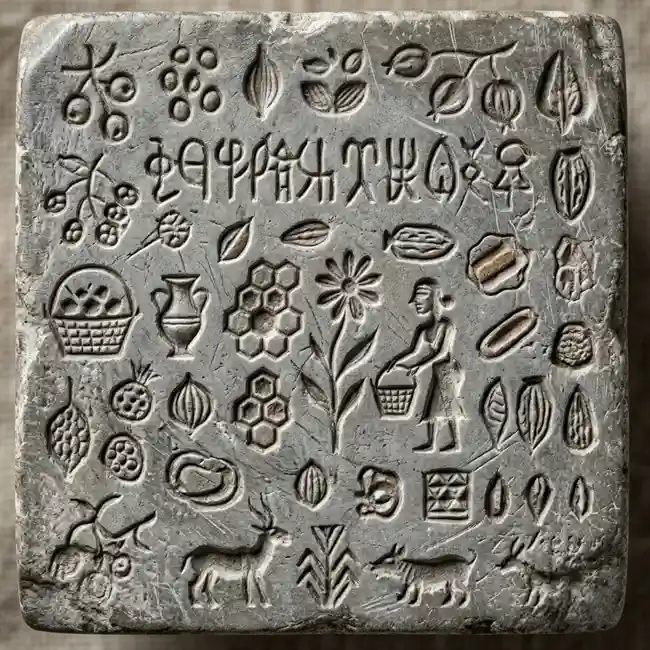
🛕 📜 The Storyteller’s Intro: 5,000 Years of Ancestral Flavors
Imagine stepping back five millennia into the bustling brick-paved streets of Mohenjo-daro and Harappa. Long before the rise of imperial Rome or the grand construction of classical Greek monuments, the Indus Valley Civilization—often recognized as the Harappan culture—was quietly pioneering one of the most sophisticated, sustainable, and nutrient-dense culinary ecosystems in human history. Thriving roughly between 3300 BCE and 1300 BCE along the fertile basins of the Indus River, these early innovators did not just eat to survive; they cultivated a harmonious, deeply intuitive relationship with the earth, the rivers, and the wild terrain surrounding them.
To truly understand how this legendary civilization ate, historians break down their timeline into three distinct developmental chapters. First came the Early Harappan Phase, lasting from roughly 3300 BCE to 2600 BCE. During this formative era, nomadic pastoral communities began settling into organized agrarian villages. They learned to tame wild grasses, domesticate zebu cattle, and forage dense seasonal forests for wild roots, berries, and native spices. Next arrived the Mature Harappan Phase, spanning 2600 BCE to 1900 BCE. This was the golden age of urban planning, cross-continental trade, and culinary brilliance. Cities featured standardized mud-brick architecture, advanced covered drainage networks, and massive public granaries designed to keep food stocks safe year-round. Finally, the Late Harappan Phase unfolded between 1900 BCE and 1300 BCE. As regional climate shifts altered monsoonal rainfall and dried up key river systems, the population gradually dispersed into smaller agrarian enclaves, adapting their food ways toward drought-resistant millets and highly localized foraging techniques.
What makes Harappan food culture so wildly fascinating to modern food lovers is their deeply rooted connection to raw, unrefined ingredients. Their sweets were not born from processed white sugar, but rather from wild floral honeys, concentrated fruit syrups, roasted native millets, and sun-dried fruits. Their savory bites were forged from wild botanicals, pulses, river weeds, and nutrient-rich seeds. They were the ultimate farm-to-table—and forest-to-plate—pioneers. When you look into an ancient Harappan cooking pot, you aren't just looking at fuel for the body; you are looking at a masterclass in living in complete harmony with nature’s natural rhythms.
📜 Iconic Excavated Menus: From Clay Tablets to Archaeobotanical Finds
While the undeciphered Indus script means we do not have written cookbooks on clay tablets like ancient Mesopotamia, modern bio-archaeology and paleobotany have unlocked the exact ingredients resting inside ancient Harappan hearths. By analyzing lipid residues trapped inside porous terracotta cooking pots, examining micro-botanical starch grains on ancient grinding stones, and carbon-dating charred seeds from ancient hearths, researchers have reconstructed the legendary menu items of the Indus world.
Here are the standout culinary creations and ancestral bites identified through modern excavations across Harappan settlements:
• Wild Mahua Blossom Honey Bites: Delicate, energy-dense sweet spheres crafted from sun-dried Madhuca longifolia (Mahua) flowers, cold-pressed sesame oil, and toasted small millets, naturally sweetened by wild jungle honey.
• Charred Jujube & Dates Paste: A rich, sticky confection made by mashing wild Indian jujubes (ber) and imported dried dates, thickened with stone-ground barley flour and scented with crushed cardamom-like wild seeds.
• Sesame & Jaggery Til-Laddoo Archetypes: Earthy, iron-rich sweet balls made from dry-roasted black and white sesame seeds, bound together with concentrated palmyra palm sap or early raw sugar extractions.
• Spiced Broken Barley Porridge with Wild Berries: A comforting breakfast staple featuring coarse-cracked barley slow-cooked in rich zebu milk, topped with dried forest berries and a drizzle of raw floral honey.
• Kodo Millet & Wild Herb Fritters: Savory, crisp-baked or shallow-panned patties prepared from fermented Kodo millet paste mixed with wild amaranth leaves, native mustard seeds, and sea salt.
• Slow-Simmered Black Gram & Elephant Foot Yam Mash: A deeply nourishing daily dish combining earthen-pot simmered urad dal (black gram) with roasted wild tubers, tempered with native ginger, garlic, and wild turmeric.
• Clay-Oven Baked Flatbreads with Wild Mustard Greens: Early precursors to modern tandoori breads, baked directly against the internal walls of terracotta pit ovens, served alongside aromatic stewed river basin greens.
• Toasted Flaxseed & Melon Seed Energy Squares: Portable travel rations used by traders, packed with toasted flaxseeds, pumpkin seeds, melon seeds, and naturally dried forest fig paste.
• Steamed Lentil & Wild Botanical Leaf Parcels: Tender jungle leaves wrapped around a seasoned paste of ground pulses, ginger, and green botanicals, steamed over earthenware water pots.
• Smoked River Fish & Dried Lentil Cakes: A coastal and riverine specialty utilizing sun-dried or clay-smoked freshwater fish mashed with chickpea flour and native green herbs.
🗺️ Indus Valley Culinary Tourism: Mapping Flavors to Historic Landscapes
If you are a passionate traveler who loves pairing history with culinary discovery, tracing the ancient Harappan civilization offers one of the most breathtaking road trips across South Asia. The Indus Valley footprint stretches across modern-day Pakistan and northwestern India, offering a vivid landscape of sun-drenched ruins, expansive desert plains, and lush river valleys that once fed millions.
Visiting these iconic archaeological sites allows you to walk through the exact spaces where ancient chefs tended their earthen hearths and prepared ancestral feasts:
• Rakhigarhi (Haryana, India): Recognized as one of the largest Harappan sites ever discovered, this destination gives visitors an intimate look at ancient domestic kitchens. Strolling through the excavated residential sectors reveals large ceramic storage jars, multi-flued hearths, and grinding stones that once processed ancient grains.
• Lothal (Gujarat, India): Located near the Gulf of Khambhat, Lothal was the premier maritime trade hub of the Indus civilization. Here, you can walk along the world's earliest known tidal dockyard where ships arrived laden with foreign spices, copper, and precious stones, and explore ancient marketplace ruins where street-food vendors served toasted seed snacks to weary sailors.
• Dholavira (Rann of Kutch, Gujarat, India): Set amidst the stark, stunning white salt desert of the Rann of Kutch, Dholavira features extraordinary stone architecture and monumental water reservoirs. Visiting this UNESCO World Heritage Site provides deep insight into how ancient Harappans harvested wild desert plants, stored fresh water, and preserved seasonal food supplies in arid environments.
• Kalibangan (Rajasthan, India): Situated along the dried bed of the ancient Ghaggar-Hakra River, Kalibangan offers a fascinating window into early agriculture. It features the world's earliest excavated plowed agricultural field, showing a dual-cropping grid system where mustard and chickpeas were grown simultaneously side by side.
• Mohenjo-daro & Harappa (Sindh & Punjab, Pakistan): The twin crown jewels of the civilization. Exploring the grand public granaries, wide avenues, and intricate brick ovens of these massive urban centers connects you directly to the scale of food distribution that kept an ancient metropolis thriving.
🚣 The Indus & Ghaggar-Hakra River Basins: Riverbed Agriculture
The secret power behind the Harappan civilization's culinary success was its masterclass in riverbed agriculture. The civilization flourished along two major river systems: the grand Indus River network and the ancient, legendary Ghaggar-Hakra River system (often linked with the Vedic Saraswati River). These glacial rivers did not just provide fresh drinking water; they brought life-giving, nutrient-rich alluvial silt down from the Himalayas every single year during the seasonal flood cycles.
Rather than fighting the natural flood cycles, Harappan farmers worked hand-in-hand with the water. As the summer floodwaters slowly receded, they sowed their crops directly into the soft, moisture-rich mud without needing complex clearance tools. This allowed them to practice a sophisticated dual-cropping agricultural system long before most world cultures managed a single harvest. During the winter months (Rabi season), they grew winter staples like wheat, barley, chickpeas, mustard, and lentils. During the monsoon summer months (Kharif season), they cultivated warm-weather crops like rice, sesame, cotton, and drought-hardy millets.
The rivers also acted as natural highways for food distribution. Flat-bottomed wooden boats glided up and down the waterways, transporting fresh river fish, aquatic lotus roots (kamal kakdi), water chestnuts, and regional harvests directly into city centers. Terracotta strainers, massive ceramic storage vessels, and specialized perforated pots found along riverbank sites prove that Harappans were experts at processing river produce, fermenting plant bases, and curdling milk products right at the water's edge.
🏜️ Oasis & Desert Trade Route Banquets: Caravan Luxuries
The Harappan people were not isolated river dwellers; they were master traders who built an extensive commercial network stretching across deserts, mountain passes, and open seas. Caravan routes crisscrossed the Thar Desert, connected with the Iranian plateau, and linked directly with the kingdom of Dilmun (modern Bahrain) and the ancient cities of Mesopotamia (Sumer).
Traveling across hundreds of miles of scorching desert terrain required specialized, non-perishable luxury foods that could withstand long journeys under the sun. Out on the trade routes, Harappan merchants and caravan leaders dined on brilliantly engineered long-life foods. They packed dense energy balls made from roasted pulse flours, dried dates, ghee-preserved nut pastes, and wild seed mixes sealed tightly inside clay jars with natural beeswax seals.
When long distance trading caravans met at desert oases or major border cities, food became a celebration of cultural exchange and economic power. Caravan banquets were vibrant, colorful affairs featuring an incredible blend of local and imported flavors:
• Imported Mesopotamian Dates & Syrian Figs: Sweet delicacies traded for Harappan carnelian beads, ivory, and timber.
• Wild Pistachios & Mountain Pine Nuts: Brought down by overland traders traveling through the rugged northern mountain passes.
• Exotic Aromatic Spices: Early black pepper, cardamom, and wild cinnamon sourced from southern coastal trade routes.
• Ghee-Preserved Meats & Sun-Dried Fish: Salt-cured and steeped in clarified butter to maintain freshness across weeks of desert travel.
• Rare Botanical Syrups: Concentrated fruit juices, wild pomegranate molasses, and sweet floral syrups kept in narrow-necked clay flasks.
These desert gatherings proved that Harappan cuisine was dynamic, cosmopolitan, and constantly enriched by world flavors.
✋ Ancient Civilization FAQ: Unlocking Palace Kitchen Mysteries
Q1: Did the ancient Harappans have access to modern Indian spices like chili peppers and processed sugar?
A: Absolutely not! Red and green chili peppers are native to the Americas and were only introduced to South Asia by Portuguese traders in the late 16th century. Similarly, modern white refined sugar did not exist. Instead, ancient Harappan cooks achieved vibrant spice profiles using native black pepper, wild ginger, garlic, mustard seeds, turmeric, coriander, and cumin. For sweetness, they relied entirely on raw floral honey, sun-dried dates, wild figs, palmyra palm jaggery, and sweet fruit reductions.
Q2: What kind of cookware did Harappan chefs use to prepare their meals?
A: Harappan kitchens relied heavily on highly sophisticated terracotta pottery. Archaeologists have uncovered a wide range of specialized ceramic vessels, including hand-carved stone querns for grinding spices, heavy clay cooking pots (handis) designed for slow-simmering lentils over open fires, perforated pottery bowls used for making cheese or straining plant extracts, and large underground clay pit ovens similar to modern tandoors.
Q3: Was the Harappan diet strictly vegetarian, or did they eat meat and seafood?
A: The Harappan diet was remarkably diverse and omnivorous, tailored carefully to regional availability. While they consumed massive amounts of plant-based foods like barley, millets, lentils, and wild greens, archaeozoological evidence shows they also consumed domesticated zebu cattle, water buffalo, sheep, and goats. Along coastal and river sites like Lothal and Balakot, marine fish, freshwater fish, mollusks, and sea turtles were major dietary staples.
Q4: How do modern scientists know what Harappans ate if they didn't leave written recipes?
A: Scientists use cutting-edge bio-archaeology tools! By taking ceramic shards from excavated cooking pots and analyzing the microscopic fat molecules (lipid residues) absorbed into the clay, scientists can pinpoint whether a pot held dairy, meat, or plant oil thousands of years ago. Additionally, analyzing fossilized plant remains (phytoliths and starch grains) stuck to ancient teeth and grinding stones reveals the exact grains, tubers, and spices consumed.
🧠 Final Thoughts: The Timeless Allure of Antique Gastronomy
Exploring the foodways of the Harappan civilization reminds us that great cooking has always been about respect—respect for the land, respect for natural ingredients, and respect for the seasons. Long before the modern wellness movement popularized terms like "clean eating," "foraged foods," or "ancient grains," the inhabitants of the Indus Valley were living those exact principles every single day. Their ability to transform humble wild botanicals, native millets, and raw forest sweets into wholesome, delicious, and sustaining meals is a powerful testament to human ingenuity.
There is a captivating magic in knowing that the simple flavors of toasted sesame, floral honey, cracked barley, and aromatic ginger were delighting food lovers 5,000 years ago on the very same earth we walk today. As we continue to uncover the archaeological secrets buried beneath ancient mounds, our connection to these ancestral chefs only grows stronger.
Stay tuned, food historians and curious cooks! In our upcoming feature, we will finally step out of the history books and straight into the kitchen as we release our complete, step-by-step recipe guide for recreating these ancient Harappan wild earth sweets and foraged bites right in your own modern home. Get your mixing bowls and clay pots ready!
🏛️ Credit to the Keepers of the Culture (The Legacy)
Reconstructing the fascinating culinary world of the Indus Valley Civilization would be entirely impossible without the tireless dedication, passion, and scientific breakthroughs of modern researchers, archaeologists, and institutions across the globe.
We offer our deepest respect and gratitude to the primary organizations, field researchers, and academic bodies whose painstaking excavations and bio-archaeological studies preserve this invaluable human heritage:
• The Archaeological Survey of India (ASI): For decades of monumental excavation, preservation, and ongoing protection of key Harappan sites including Lothal, Dholavira, Kalibangan, and Rakhigarhi.
• The Department of Archaeology and Museums, Pakistan: For their stewardship and meticulous conservation of the world-famous urban centers of Mohenjo-daro and Harappa.
• The TwoRains Project (University of Cambridge & Banaras Hindu University): For ground-breaking archaeobotanical and paleoclimatic research uncovering how ancient Harappan populations adapted their farming and dietary practices to changing environmental conditions.
• The Deccan College Post-Graduate and Research Institute (Pune, India): For pioneering lipid residue analysis, ancient DNA research, and detailed dietary studies on excavated Indus Valley materials.
• Independent Bio-Archaeologists & Archaeobotanists Worldwide: Whose incredible work analyzing microscopic seeds, starch grains, and ancient organic residues bridges the gap between ancient soil and modern culinary understanding.
🏛️🍯 We Finally Cracked the Code: The 5,000-Year-Old Sweet That Built Mohenjo-Daro
👉 Savor Harappan’s Rare Wild Earth Sweets & Foraged Bites
| 🌐 🏛️🍯 < Back | 🛕 🍲 < Previous | Next > 🧪 🛕 |