
🏠 Home > 🗺️ Recipes > 🏛️🧪 Sacred Infusions & Botanical Tonics > 🛕 Harappan: Sacred Infusions & Botanical Tonics Recipes
🛕 🏛️🧪 Harappan: Sacred Infusions & Botanical Tonics Recipes
Published by Supakorn | Updated: July 2026
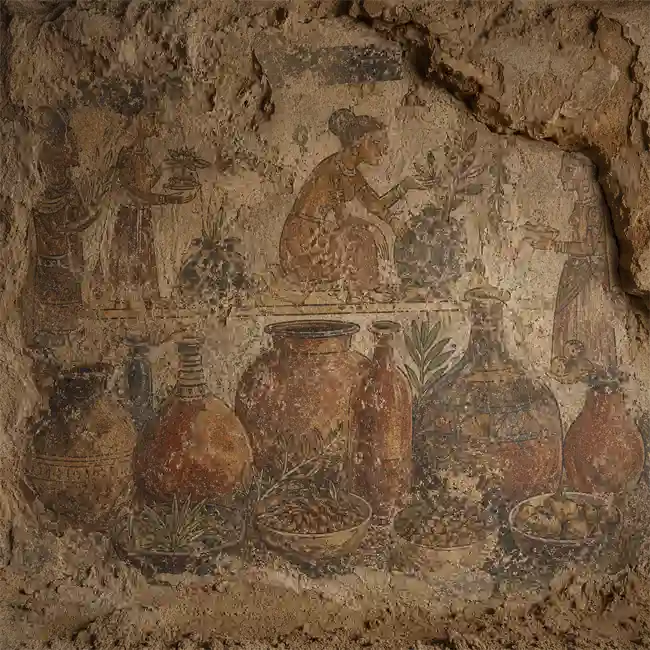
🛕 📜 The Storyteller's Intro: 5,000 Years of Ancestral Flavors
Long before towering castles, medieval kingdoms, or famous empires ruled vast territories, another remarkable civilization quietly flourished across the fertile plains of South Asia. Today we know it as the Harappan Civilization, or the Indus Valley Civilization, one of humanity's earliest urban societies dating back nearly 5,000 years, from approximately 3300 BCE to 1300 BCE, with its golden age lasting between 2600 BCE and 1900 BCE.
Unlike many ancient civilizations that celebrated kings through monumental inscriptions or military victories, the Harappans left behind something equally fascinating—an organized society built around agriculture, craftsmanship, trade, sanitation, and surprisingly sophisticated food traditions.
Among those traditions were what modern historians often describe as sacred botanical infusions and herbal tonics. These were not beverages in the modern commercial sense but carefully prepared plant-based refreshments crafted from locally available herbs, aromatic seeds, fragrant flowers, spices, fruits, and healing botanicals gathered throughout the Indus River basin.
Although no surviving written recipe books have ever been discovered, archaeologists continue uncovering pottery vessels, grinding stones, botanical remains, charred seeds, and ritual containers that provide valuable clues about how Harappans interacted with medicinal plants and aromatic ingredients.
These discoveries reveal a civilization deeply connected to nature.
Rather than separating food from wellness, ancient Harappans viewed both as parts of everyday life.
Their kitchens likely served multiple purposes:
◦ Preparing nourishing meals
◦ Creating seasonal botanical infusions
◦ Preserving harvested herbs
◦Grinding fragrant spices
◦ Supporting ceremonial gatherings
◦ Welcoming travelers arriving through thriving trade cities
The Harappan world extended across present-day:
◦ Pakistan
◦ Northwestern India
◦ Parts of Afghanistan
◦ Western India
◦ Gujarat
◦ Haryana
◦ Punjab
◦ Rajasthan
This enormous civilization covered more than one million square kilometers, making it one of the largest Bronze Age civilizations ever known.
Its cities amazed archaeologists with:
◦ Sophisticated drainage systems
◦ Carefully planned streets
◦ Brick architecture
◦ Public wells
◦ Storage facilities
◦ Agricultural innovation
Water shaped nearly every aspect of Harappan life.
Rivers nourished crops.
Seasonal floods enriched farmland.
Community wells supplied fresh water.
These same water sources almost certainly supported the preparation of herbal infusions using locally grown botanicals harvested throughout changing seasons.
Today, many historians believe Harappan food culture represents one of humanity's earliest examples of sustainable agriculture blended with botanical knowledge, making these forgotten culinary traditions endlessly fascinating for modern food lovers and history enthusiasts alike.
📜 Iconic Excavated Menus: From Clay Tablets to Ancient Excavations
Unlike Mesopotamia, the Harappan script remains undeciphered, meaning no confirmed written recipes have yet been translated. Instead, archaeologists reconstruct Harappan cuisine through excavated ingredients, vessels, residues, and botanical evidence.
Among the most iconic reconstructed culinary traditions are:
◦ Sacred Botanical Seed Infusion
◦ Riverbank Mint Herbal Tonic
◦ Wild Fennel Aromatic Brew
◦ Coriander Seed Morning Infusion
◦ Sesame & Date Nourishing Elixir
◦ Barley Wellness Infusion
◦ Ginger Root Botanical Blend
◦ Sacred Tulsi-Style Herbal Preparation (possible botanical equivalent)
◦ Fragrant Cumin Seed Infusion
◦ Floral Blossom Ceremonial Tonic
◦ Tamarind Fruit Cooling Infusion
◦ Pomegranate Botanical Refreshment
◦ Honey & Herb Healing Preparation
◦ Ancient Spice Seed Digestive Blend
◦ River Reed Aromatic Botanical Drink
Other remarkable foods discovered alongside botanical remains include:
◦ Barley breads
◦ Wheat flatbreads
◦ Lentil stews
◦ Chickpea preparations
◦ Sesame-based dishes
◦ Date fruit collections
◦ Mustard seed usage
◦ Dairy products
◦ River fish
◦ Seasonal fruits
◦ Wild berries
◦ Legume porridges
Each archaeological discovery continues adding another small piece to the culinary puzzle of one of humanity's greatest forgotten civilizations.
🗺️ Ancient Culinary Tourism: Following the Flavors of the Indus Valley
Traveling through former Harappan territories today feels like walking across one of archaeology's greatest open-air museums.
Many famous excavation sites allow visitors to imagine how ancient communities once harvested herbs, collected fresh river water, cultivated grains, and prepared nourishing botanical refreshments.
Some of the most remarkable destinations include:
🏺 Harappa
The civilization's namesake city reveals:
◦ Residential neighborhoods
◦ Storage buildings
◦ Ancient wells
◦ Brick streets
◦ Workshops
◦ Granaries
🚿 Mohenjo-daro
Perhaps the world's most famous Harappan city, featuring:
◦ The Great Bath
◦ Sophisticated drainage
◦ Public gathering spaces
◦ Water management systems
◦ Residential districts
🌊 Dholavira
Located in Gujarat, India, this UNESCO World Heritage Site showcases:
◦ Massive water reservoirs
◦ Stone architecture
◦ Urban planning
◦ Rainwater harvesting systems
⚓ Lothal
An extraordinary ancient port city known for:
◦ Maritime trade
◦ Dockyard remains
◦ Bead workshops
◦ Commercial warehouses
🏜️ Rakhigarhi
One of the largest Harappan settlements ever excavated, offering ongoing insights into daily domestic life and food preparation.
Modern visitors often combine archaeological tourism with regional culinary exploration, discovering ingredients whose ancestors may have nourished Harappan families thousands of years ago.
Walking these ancient landscapes encourages a deeper appreciation of how geography shaped one of history's earliest sophisticated food cultures.
🌊 The Indus River Civilization: Lifeblood of Botanical Agriculture
Unlike civilizations centered around deserts, the Harappan world thrived because of rivers.
The mighty Indus River and its extensive network of tributaries transformed seasonal floodplains into productive agricultural landscapes.
These fertile environments supported remarkable biodiversity.
Ancient farmers likely cultivated:
◦ Wheat
◦ Barley
◦ Sesame
◦ Peas
◦ Lentils
◦ Chickpeas
◦ Mustard
◦ Cotton
◦ Dates
◦ Melons
Nearby wetlands and riverbanks also provided numerous aromatic plants useful for culinary and botanical preparations.
Seasonal gathering probably included:
◦ Fragrant grasses
◦ Medicinal herbs
◦ Flower blossoms
◦ Aromatic leaves
◦ Wild seeds
◦ Healing roots
Fresh water made botanical infusions practical throughout the year.
Instead of relying solely on preserved ingredients, communities could enjoy fresh seasonal plant harvests that reflected the rhythms of nature.
This close relationship between agriculture and waterways helped establish one of the world's earliest sustainable food systems.
Even today, many farming traditions across the Indus region continue honoring ancient agricultural wisdom rooted in seasonal harvest cycles.
🐪 Ancient Trade Routes: Botanical Treasures Across Bronze Age Networks
The Harappans were not isolated.
They maintained extensive trade networks connecting South Asia with distant civilizations.
Archaeological evidence shows commercial exchanges with:
◦ Mesopotamia
◦ Oman
◦ Bahrain
◦ Central Asia
◦ Iranian Plateau
◦ Persian Gulf communities
Trade introduced exciting botanical possibilities.
Merchants likely transported:
◦ Aromatic woods
◦ Rare spices
◦ Medicinal resins
◦ Dried fruits
◦ Precious stones
◦ Exotic seeds
Caravans crossing semi-arid landscapes depended upon practical, nourishing plant preparations that were lightweight, transportable, and easy to prepare.
These exchanges helped expand culinary diversity while encouraging experimentation with locally available herbs and imported aromatics.
Markets within Harappan cities likely became vibrant centers where farmers, traders, craftsmen, and herbal specialists exchanged knowledge alongside goods.
Food became more than nourishment.
It became a bridge connecting civilizations across thousands of kilometers.
💬 Ancient Civilization FAQ: Unlocking Palace Kitchen Mysteries
Q1.Were Harappan botanical tonics medicinal or culinary?
Evidence suggests they may have served both purposes. Ancient societies often viewed herbs, spices, nourishment, and wellness as interconnected parts of everyday living rather than separate practices.
Q2.Did archaeologists discover complete Harappan recipes?
No. The Harappan writing system remains undeciphered. Researchers reconstruct culinary traditions through excavated botanical remains, pottery, grinding stones, food residues, and comparative archaeological evidence.
Q3.Why are Harappan kitchens considered advanced?
Excavations reveal carefully planned homes featuring storage areas, cooking spaces, wells, drainage systems, and food-processing tools, indicating organized household food preparation.
Q4.Why does Harappan cuisine matter today?
It represents one of humanity's oldest sustainable agricultural traditions, demonstrating how early urban societies combined local biodiversity, seasonal farming, craftsmanship, and community life into a resilient food culture that still inspires modern researchers.
🧠 Final Thoughts: The Timeless Allure of Antique Gastronomy
The story of Harappan Sacred Infusions & Botanical Tonics reminds us that some of humanity's greatest culinary achievements were never written inside royal cookbooks.
Instead, they lived within communities.
They passed from one generation to another through observation, seasonal rhythms, shared harvests, and everyday experience.
Every excavated seed, pottery vessel, grinding stone, and ancient well adds another chapter to this remarkable culinary story.
Although many original recipes have disappeared beneath thousands of years of history, archaeology continues revealing the extraordinary sophistication of Harappan food culture.
Their botanical traditions celebrate balance rather than excess.
They reflect harmony with rivers, changing seasons, fertile soils, and diverse landscapes.
These ancient culinary practices continue inspiring historians, chefs, archaeobotanists, travelers, and curious readers searching for the forgotten origins of the world's oldest food traditions.
In the next chapter, we'll move beyond history and archaeology to explore a carefully reconstructed recipe inspired by these remarkable Harappan Sacred Infusions & Botanical Tonics, bringing one of the world's oldest culinary legacies into the modern kitchen.
🏛️ Credit to the Keepers of the Culture (The Legacy)
The enduring legacy of Harappan food culture belongs to countless generations whose knowledge was preserved not through surviving cookbooks but through landscapes, archaeological discoveries, traditional farming practices, and the tireless work of researchers.
We extend our deepest respect to:
◦ Archaeologists who continue excavating Harappan cities.
◦ Archaeobotanists who analyze ancient seeds, pollen, and plant remains.
◦ Historians reconstructing Bronze Age foodways through scientific evidence.
◦ Museum curators preserving fragile artifacts for future generations.
◦ Local communities living near ancient Indus Valley sites who help safeguard this remarkable heritage.
◦ Farmers whose seasonal agricultural traditions echo practices rooted in antiquity.
Their dedication allows us to appreciate not only the architecture and engineering of the Indus Valley Civilization but also its quieter legacy—a profound respect for nature, sustainable agriculture, botanical knowledge, and the timeless connection between food, community, and the land.
As we continue exploring the forgotten culinary heritage of ancient civilizations, these discoveries remind us that every seed, every vessel, and every excavation carries another story waiting to be rediscovered.
🏛️🧪 Discover the Sacred Herbal Tea Traditions of the Harappan Civilization
👉 Sip Harappan’s Sacred Infusions & Botanical Tonics
| 🌐 🏛️🧪 < Back | 🛕 🍯 < Previous |