
🏠 Home > 🗺️ Recipes > 🏛️🍖 Hearth-Roasted Mains > 🛕 Harappan: Hearth-Roasted Mains Recipes
🛕 🏛️🍖 Harappan: Hearth-Roasted Mains Recipes
Published by Supakorn | Updated: July 2026
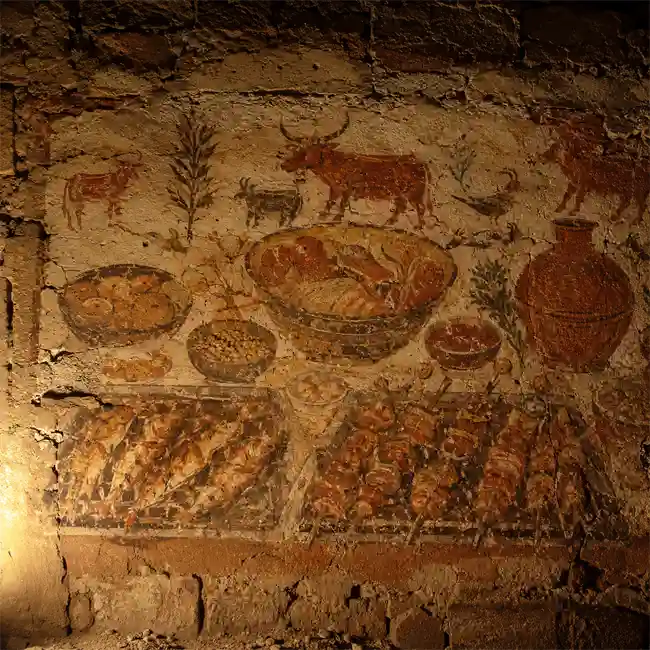
🛕 📜 The Storyteller's Intro: 5,000 Years of Ancestral Flavors
Long before massive empires rose across Asia, before magnificent temples reached toward the sky, and centuries before famous kingdoms dominated history books, another remarkable civilization quietly transformed everyday life. The Harappan Civilization, also known as the Indus Valley Civilization, flourished nearly 5,000 years ago, making it one of humanity's earliest urban cultures.
Stretching across what is now Pakistan and northwestern India, the Harappans built sophisticated cities including Harappa, Mohenjo-daro, Dholavira, Rakhigarhi, Ganeriwala, Lothal, and Kalibangan. These settlements amazed archaeologists with carefully planned streets, advanced drainage systems, standardized brick construction, public wells, and organized marketplaces.
The civilization is generally divided into several major phases:
• Early Harappan Period (around 3300–2600 BCE)
• Mature Harappan Period (around 2600–1900 BCE)
• Late Harappan Period (around 1900–1300 BCE)
While historians continue working to decipher the still-mysterious Harappan script, archaeological discoveries reveal surprisingly rich details about daily meals, farming traditions, food preparation, and communal dining.
Unlike many ancient civilizations that celebrated extravagant royal feasts in surviving texts, Harappan culinary history is reconstructed from archaeological evidence.
Researchers have uncovered:
• Clay ovens
• Hearths for roasting foods
• Grinding stones
• Storage jars
• Carbonized grains
• Animal bones
• Fish remains
• Charred seeds
• Cooking vessels
• Agricultural tools
Together these discoveries paint the picture of a civilization where hearth-roasted foods played a central role in everyday nutrition.
The cooking style appears wonderfully practical.
Rather than relying on elaborate palace kitchens, Harappan families likely gathered around warm clay hearths where meats, fish, vegetables, legumes, and breads slowly roasted over glowing embers. Smoke, clay, natural spices, and careful fire management probably created incredibly rich flavors despite using simple ingredients.
What makes Harappan cuisine especially fascinating is its balance between agriculture and trade.
Farmers cultivated wheat, barley, peas, lentils, sesame, mustard, and cotton while merchants connected cities across enormous trade networks extending toward Mesopotamia, Central Asia, and the Arabian Gulf.
Food reflected both local harvests and international connections.
Every roasted meal told the story of rivers, fertile floodplains, hardworking farmers, skilled craftsmen, and merchants crossing vast landscapes.
Today, every archaeological excavation uncovers another piece of this forgotten culinary puzzle.
📜 Iconic Excavated Menus: From Ancient Hearths to Archaeological Discoveries
Unlike Egypt or Mesopotamia, the Harappans left no fully translated recipe collections.
Instead, archaeologists reconstruct menus by combining excavated food remains, cooking equipment, botanical analysis, zooarchaeology, and residue studies.
Among the most recognizable Harappan-inspired hearth-roasted mains are:
• Sacred River Fish Hearth Roast
• Clay Hearth Roasted Goat
• Ember-Roasted River Carp
• Harappan Barley-Crusted Lamb
• Fire-Roasted Wild Fowl
• Slow Hearth Roasted Water Buffalo
• Roasted Blackbuck with Native Herbs
• Indus Valley Smoked River Catfish
• Hearth-Grilled Freshwater Turtle (known from faunal discoveries)
• Clay Oven Roasted Hare
• Fire-Roasted Quail
• Hearth-Roasted Lentil Cakes
• Charred Barley Flatbread
• Roasted Sesame-Crust Grain Loaves
• Clay Hearth Vegetable Medley
• Roasted Chickpea Patties
• Ember-Baked Wheat Cakes
• Hearth-Roasted Eggplant
• Fire-Roasted Wild Onion Bundles
• Clay-Roasted Seasonal Roots
Archaeological discoveries supporting these culinary reconstructions include evidence from:
• Mohenjo-daro
• Harappa
• Dholavira
• Rakhigarhi
• Farmana
• Kalibangan
• Banawali
• Lothal
Excavations have revealed:
• Burnt animal bones
• Fish skeletons
• Shell remains
• Charcoal deposits
• Hearth structures
• Clay roasting platforms
• Domestic ovens
• Grain storage facilities
• Grinding equipment
• Ceramic cooking vessels
Rather than suggesting luxurious banquets, these discoveries illustrate balanced meals prepared for families, neighborhoods, travelers, and artisans.
The emphasis appears to have been freshness, seasonal ingredients, and careful roasting over controlled fire.
Modern historians often describe Harappan cuisine as one of humanity's earliest examples of sustainable local food traditions.
🗺️ Ancient Culinary Tourism: Following the Footsteps of the Indus Valley
One of the most exciting ways to appreciate Harappan food culture is by exploring the landscapes where this remarkable civilization flourished.
The Indus Valley is far more than an archaeological destination.
It is a living landscape shaped by rivers, seasonal farming, traditional villages, and centuries of cultural continuity.
Travelers interested in ancient culinary heritage often begin with famous archaeological sites.
Highlights include:
• Mohenjo-daro, one of the world's earliest planned cities
• Harappa, the civilization's namesake
• Dholavira, famous for remarkable water management
• Rakhigarhi, among the largest Harappan settlements ever discovered
• Lothal, known for its ancient dockyard
• Kalibangan, featuring evidence of early agriculture
• Banawali
• Farmana
Walking through these ancient streets allows visitors to imagine:
• Community cooking spaces
• Family courtyards
• Clay ovens glowing at sunset
• Farmers returning with harvests
• Fishermen unloading fresh catches
• Merchants exchanging spices and grains
• Children gathering around evening fires
Nearby landscapes still produce many crops associated with Harappan agriculture.
These include:
• Wheat
• Barley
• Lentils
• Chickpeas
• Sesame
• Mustard
• Dates
• Melons
Traditional cooking methods in surrounding rural communities occasionally preserve techniques that resemble ancient hearth roasting, clay baking, and slow-fire cooking.
Although modern recipes have evolved enormously over thousands of years, the relationship between people, rivers, agriculture, and fire remains remarkably familiar.
For history lovers, visiting these archaeological landscapes transforms ancient food from an abstract topic into a vivid cultural experience.
🌊 The Great Indus River Civilization: River Valley Agriculture
Unlike civilizations centered on the Nile or the Fertile Crescent, the Harappan world was built around the mighty Indus River system and its extensive network of tributaries.
These waterways sustained one of the largest urban civilizations of the Bronze Age.
Seasonal flooding enriched surrounding farmland with fertile soil.
Farmers developed highly productive agricultural systems that supplied expanding cities with reliable harvests.
Major agricultural products included:
• Wheat
• Barley
• Millet
• Lentils
• Chickpeas
• Field peas
• Sesame
• Mustard
• Dates
• Melons
• Cotton
Animal husbandry also played an important role.
Evidence indicates the raising of:
• Zebu cattle
• Water buffalo
• Sheep
• Goats
• Pigs
Fishing supplied additional protein from rivers, canals, wetlands, and coastal regions.
Roasting over open hearths made practical sense.
It required relatively simple equipment while preserving the natural flavor of fresh ingredients.
Clay ovens, earthen hearths, charcoal, and carefully arranged embers allowed cooks to prepare nourishing meals with remarkable efficiency.
These agricultural traditions supported thriving cities for centuries.
Their success depended on careful environmental management, seasonal planning, and community cooperation rather than excessive exploitation of natural resources.
This balance between agriculture and sustainability remains one of the civilization's most admired achievements.
🐪 Ancient Trade Networks: Caravan Routes and Culinary Exchange
Although the Harappan Civilization was not dominated by vast deserts like some neighboring cultures, long-distance trade still shaped its culinary identity.
Merchants traveled impressive distances using overland caravan routes and maritime trade across the Arabian Sea.
Trade connected the Indus Valley with:
• Mesopotamia
• Oman
• Bahrain (ancient Dilmun)
• Iran
• Afghanistan
• Central Asia
These connections introduced valuable resources including:
• Semi-precious stones
• Copper
• Tin
• Marine shells
• Timber
• Minerals
• Exotic raw materials
Food products likely moved alongside these commercial exchanges.
Spices, dried fruits, oil seeds, grains, and preserved foods may have circulated between distant communities.
Traveling merchants required meals that were practical and filling.
Hearth-roasted meats, grain cakes, roasted legumes, dried foods, and baked breads would have been ideal companions during long journeys.
Archaeological evidence also suggests remarkable standardization across Harappan settlements.
Weights, measures, pottery styles, and urban planning remained surprisingly consistent over vast distances.
This consistency may have extended to food preparation traditions as well.
Rather than isolated regional cuisines, many communities likely shared familiar cooking methods centered on hearths, clay ovens, and locally grown ingredients.
Every caravan not only transported goods but also carried ideas, flavors, farming knowledge, and culinary traditions across ancient South Asia.
🧐 Ancient Civilization FAQ: Unlocking Palace Kitchen Mysteries
Q1.Did the Harappans really roast food over open fires?
Yes. Archaeological excavations have uncovered numerous hearths, clay ovens, charcoal deposits, and roasting areas that strongly suggest roasting was a common cooking technique.
Q2.What foods were most important in the Harappan diet?
Evidence points toward wheat, barley, lentils, peas, chickpeas, sesame, fish, goat, sheep, cattle products, vegetables, and seasonal fruits.
Q3.Why are there no surviving Harappan cookbooks?
The Harappan writing system remains undeciphered. While thousands of seals and inscriptions have been discovered, scholars cannot yet confidently translate them into readable texts or recipes.
Q4.Why is hearth roasting considered significant?
Roasting requires minimal equipment, preserves ingredients naturally, and reflects one of humanity's oldest cooking traditions. Archaeological discoveries suggest it played a major role in everyday Harappan life.
🧠 Final Thoughts: The Timeless Allure of Antique Gastronomy
The story of Harappan Hearth-Roasted Mains is not merely about ancient food.
It is about one of humanity's greatest civilizations and the ordinary people who transformed fertile river valleys into thriving urban communities nearly five millennia ago.
Although no complete cookbook has survived, archaeology continues revealing extraordinary clues hidden beneath layers of earth.
Every clay oven.
Every hearth.
Every grain of charred barley.
Every fish bone.
Every roasting pit.
Together they tell the story of innovation, sustainability, family traditions, and culinary wisdom that predates many of history's most famous kingdoms.
These reconstructed dishes remind us that remarkable cuisine does not always emerge from royal palaces.
Sometimes the greatest culinary legacies begin around a simple household hearth, where families gathered at sunset to share food, stories, and generations of knowledge.
In the next chapter, we'll explore complete reconstructed recipes inspired by archaeological discoveries, bringing these remarkable hearth-roasted traditions from the ancient Indus Valley into today's kitchen.
🏛️ Credit to the Keepers of the Culture (The Legacy)
The remarkable story of Harappan cuisine belongs to countless generations of farmers, potters, fishermen, traders, craftspeople, and families who lived throughout the Indus Valley over 5,000 years ago.
Modern understanding of their food heritage is made possible through the careful work of archaeologists, historians, archaeobotanists, zooarchaeologists, conservation specialists, and local communities dedicated to preserving these extraordinary sites.
While many culinary details remain mysteries awaiting future discoveries, every excavation deepens our appreciation for one of the world's earliest urban civilizations.
By studying, preserving, and respectfully sharing this heritage, we honor not only the achievements of the Harappans but also the enduring human story of gathering around the hearth, preparing nourishing meals, and passing cultural traditions from one generation to the next.
🏛️🍖 Rediscover the Fire-Roasted Feasts of the Ancient Harappans
👉 Discover Secret Harappan Hearth-Roasted Mains
| 🌐 🏛️🍖 < Back | 🛕 🌾 < Previous | Next > 🍲 🛕 |