
🏠 Home > 🗺️ Recipes > 🏛️🍯 Wild Earth Sweets & Foraged Bites > 🧱 Ancient Egyptian: Wild Earth Sweets & Foraged Bites Recipes
🧱 🏛️🍯 Ancient Egyptian: Wild Earth Sweets & Foraged Bites Recipes
Published by Supakorn | Updated: July 2026
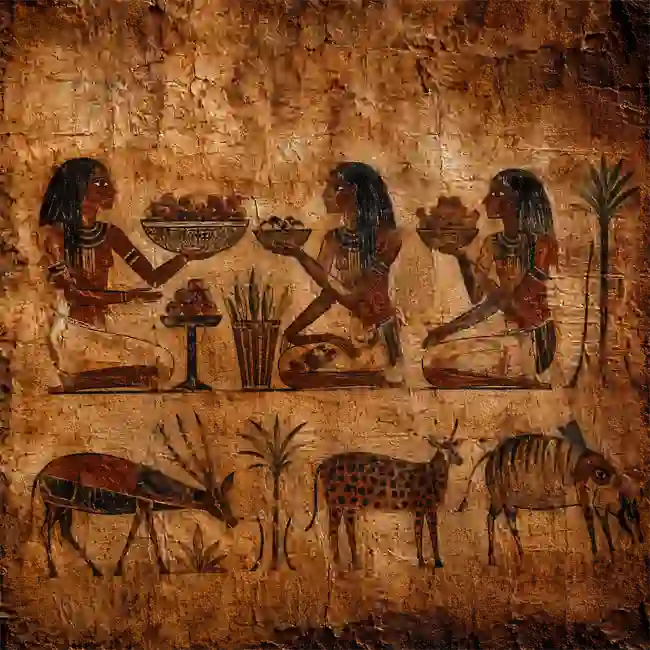
🧱 📜 The Storyteller’s Intro: 5,000 Years of Ancestral Flavors
Hey friend, let’s time-travel 5,000 years back to the banks of the Nile, where civilization literally baked its first loaves and figured out how to turn wild earth into something sweet. Ancient Egyptian food culture wasn’t just about surviving the desert. It was about celebrating the river, the gods, and the seasons with flavors that were equal parts practical and sacred.
Think of Ancient Egypt as three epic food chapters. First, the Predynastic Period, 5000-3100 BCE, when early farming villages along the Nile started domesticating emmer wheat and barley. This is where wild earth sweets began. People were grinding grain on stone querns, mixing it with wild honey from desert cliffs, and pressing dates they foraged from oasis groves. No refined sugar yet, but nature was already handing out candy.
Then comes the Old Kingdom, 2686-2181 BCE, the Pyramid Age. This is peak Pharaoh energy. Food became political, spiritual, and deeply organized. Granaries fed thousands of pyramid builders, and temple bakers were creating offerings for the gods. Emmer bread wasn’t just food. It was currency, wages, and ritual. Sweets were still wild and earthy: figs dried under the Giza sun, tiger nuts dug from Nile mudflats, and honey cakes left in tombs to feed the ka spirit for eternity.
Fast forward to the New Kingdom, 1550-1070 BCE, Egypt’s “golden empire” era. Trade exploded. Caravans brought carob pods from the Levant, almonds from Syria, and spices from Punt. The elite started experimenting. Palace kitchens layered dates with crushed nuts, perfumed dough with coriander, and shaped confections into sacred symbols like the Eye of Horus. But even with all that luxury, the soul of Egyptian sweets stayed rooted in the land. Foraged, sun-dried, river-nurtured, and deeply connected to the Nile’s flood cycle.
What’s wild is that these aren’t just myths. We’ve found actual bread loaves in tombs, still holding their shape after 4,000 years. We’ve got tomb paintings showing fig harvests, honey hunts, and women grinding tiger nuts. The flavors of Ancient Egypt weren’t written in cookbooks. They were pressed into clay, painted on limestone, and buried with kings. And today, we’re digging them back up.
📜 Iconic Excavated Menus: From Clay Tablets to Pharaoh Tombs
Let’s geek out over the real MVPs. These dishes were actually found, documented, or depicted by archaeologists. No modern guessing. Just hard evidence from the sand.
🥖 Bread & Grain-Based Sacred Bites
◦ Emmer Wheat Honey Cakes: Round, flat cakes made from coarsely ground emmer, mixed with wild Nile honey. Found in workers’ village sites at Giza and in Tutankhamun’s tomb.
◦ Tiger Nut Sweets: Called wa’ah in old texts. Ground chufa tubers, foraged from marshes, pressed into dense cakes with dates. Discovered as tomb offerings from the Middle Kingdom.
◦ Barley Date Loaves: Fermented barley dough studded with whole dried dates. Tomb paintings in Deir el-Medina show these being shaped into conical loaves for temple offerings.
🌴 Foraged Fruits & Desert Confections
◦ Sun-Dried Fig Clusters: Whole figs, strung and dried, then pressed into discs. King Djoser’s Step Pyramid storage rooms held jars of them, still fragrant after millennia.
◦ Dôm Palm Nut Candy: The fibrous fruit of the doum palm, native to Upper Egypt, was pounded and mixed with honey into chewy, rustic sweets. Found in New Kingdom burial caches.
◦ Sycamore Fig Paste: Wild sycamore figs, considered sacred to Goddess Hathor, were mashed and sun-set into leather-like sheets. Think ancient fruit roll-ups.
🍯 Temple & Tomb Offering Sweets
◦ Honeyed Carob Pods: Wild carob, foraged from the Eastern Desert, was split and drizzled with honey as a simple offering. Documented in Ramesside offering lists.
◦ Lotus Seed Confections: Blue lotus seeds, harvested from the Nile, were roasted and rolled in honey. Found in ceremonial bowls at Karnak Temple.
◦ Perséa Fruit Cakes: The avocado-like persea fruit was sacred. Mixed with ground nuts and honey, then molded into small votive cakes for the dead.
🌾 Everyday Forager’s Bites
◦ Roasted Papyrus Rhizome Chunks: The lower stalk of papyrus wasn’t just for paper. The starchy core was roasted and eaten like a sweet, nutty snack by marsh workers.
◦ Christ’s Thorn Jujube Chews: Tiny wild jujubes were dried and eaten as natural candy. Tutankhamun was buried with a basket of them.
◦ Fenugreek Seed Sweets: Sprouted fenugreek seeds were ground with dates into a sweet, malty paste. Medical papyri also list it as a health tonic.
Each one of these tells you something: Ancient Egyptians didn’t separate “dessert” from “sustenance.” Sweet was energy, medicine, and a message to the gods.
🗺️ Ancient Culinary Tourism: Mapping Flavors to Historic Landscapes
Want to eat like an Ancient Egyptian? You have to follow the Nile. The river wasn’t just water. It was the menu.
🌊 The Nile Delta: The Breadbasket & Fig Country
The north, where the Nile fans out, was ancient Egypt’s pantry. The marshes gave us tiger nuts and lotus. The floodplains grew emmer and barley. Villages here pressed figs and made date wine offerings. If you visit modern-day Tell el-Dab’a or Tanis, you’re standing where field workers snacked on roasted papyrus and honeyed fig cakes during harvest.
🏛️ Thebes & Luxor: Temple Kitchen Powerhouses
New Kingdom Thebes was like the Michelin-star capital of 1300 BCE. Karnak and Luxor temples had massive bakeries and honey storages. Priests produced thousands of honey cakes daily for Amun-Ra. Tomb paintings in the Valley of the Nobles show banquet scenes with pyramid stacks of fruit, nuts, and sweet breads. Today, you can walk through those same offering halls and imagine the smell of baking emmer and warm honey.
🐪 Faiyum Oasis: The Forager’s Paradise
This lush depression southwest of Cairo was the ancient foraging hotspot. The Faiyum grew doum palms, olives, and grapes, but the wild edges gave us jujubes and carob. Graeco-Roman texts say Faiyum honey was the best in Egypt. Travelers today still hunt for wild dôm fruit in the oasis markets, just like they did in 2000 BCE.
⛏️ Deir el-Medina: Eating Like a Pyramid Builder
This village housed the artisans who built the royal tombs. And we know exactly what they ate because their trash piles survived. Archaeologists found date pits, fish bones, and bread molds. Their wages were paid in bread and beer, but sweets came from foraged figs and home-pressed tiger nut cakes. Visiting the site today hits different when you realize people were meal-prepping here 3,200 years ago.
Ancient food tourism isn’t about restaurants. It’s about landscapes. The Nile’s flood, the desert’s oases, and the temple’s storehouses were the original “farm to tomb” movement.
🚣 The Fertile Crescent & Nile Sovereignty: Riverbed Agriculture
You can’t talk Egyptian sweets without bowing to the Nile. The Fertile Crescent gets all the press, but the Nile was Egypt’s own green miracle. Every August, the river flooded, dropping black silt that Egyptians called kemet, the black land. That silt grew everything.
🌾 Emmer & Barley: The Desert Gold
Emmer wheat was stubborn, nutty, and perfect for storage. It didn’t make fluffy bread. It made dense, chewy loaves that lasted. Mixed with honey and dates, it became the first energy bar. Barley was the workhorse grain. Sprouted for sweetness, it added malty notes to cakes.
🌴 Date Palms: The Original Candy Store
Date palms were planted near every village. They needed little water and gave massive yields. Fresh, dried, or pressed into syrup, dates were the sugar of the ancient world. Tomb art shows monkeys climbing palms to knock fruit down for harvesters. That’s how valued they were.
🌱 Wild Foraging Along the Nile Banks
When the flood receded, it left behind tiger nuts, lotus tubers, and wild herbs. Kids would dig tiger nuts from the mud, wash them in the river, and chew them raw. Sweet, earthy, and filling. Papyrus wasn’t just for writing. The lower stem was peeled and eaten like sugarcane.
The Nile didn’t just give Egypt life. It gave it dessert. The river’s cycle decided when you baked, when you foraged, and when you feasted for the gods.
🏜️ Oasis & Desert Trade Route Banquets: Caravan Luxuries
Now let’s talk about the spice roads. Egypt wasn’t isolated. It was a hub. And when caravans rolled in from Punt, Libya, and the Levant, they brought game-changing flavors.
🐪 The Incense Route & Sweet Imports
Caravans from Punt, modern-day Eritrea/Somalia, brought myrrh and frankincense, but also tamarind and exotic gums used to thicken sweets. From the Levant came almonds, pistachios, and carob. These weren’t daily foods. They were luxury. Think of them as the “truffle oil” of 1400 BCE.
🏺 Oasis Stops: Siwa & Kharga
The Western Desert oases were ancient rest stops. Siwa was famous for dates and olives. Kharga produced some of the best honey in Egypt, thanks to wildflowers after rare desert rains. Traders would rest, trade, and swap recipes. That’s likely how date-and-nut cakes got upgrades with almonds and spices.
👑 Royal Banquets in the Desert
Pharaohs on military campaigns didn’t eat rations. They brought bakers. Inscriptions tell us Ramesses II had mobile field kitchens making honeyed cakes during Syrian campaigns. Imagine eating a tiger nut and date bar while riding a chariot. That’s ancient power dining.
The desert was harsh, but it made people inventive. Sun-drying, honey preserving, and nut-packing were all desert survival hacks that turned into culinary arts.
🙋♂️ Ancient Civilization FAQ: Unlocking Palace Kitchen Mysteries
Q1.Did Ancient Egyptians have “dessert” like we do today?
Not really. They didn’t do a three-course meal with sweets at the end. Sweet foods were woven into every meal, ritual, and work break. Honey cakes were breakfast, wages, and god offerings. Foraged fruits were snacks and medicine. The line between “food” and “sweet” just didn’t exist.
Q2.Why did they put honey cakes and bread in tombs?
Egyptians believed the ka, your life force, needed to eat in the afterlife. Dry, honey-soaked breads and date cakes wouldn’t spoil, so they were perfect tomb food. Plus, honey was sacred to the gods. It was basically a bribe to get into the Field of Reeds, their heaven.
Q3.Were these sweets only for pharaohs and elites?
Nope. That’s the cool part. Emmer, dates, figs, and tiger nuts were common. Workers got bread and dates as wages. The difference was in extras. Royals got almonds, imported carob, and elaborate shapes. A farmer’s honey cake was plain. A queen’s was stamped with a lotus and perfumed with coriander.
Q4.How do we know these recipes are real and not just guesses?
Because Egypt is a desert. Dry sand preserves everything. We’ve found actual loaves of bread, baskets of figs, and jars of honey in tombs. We have tomb paintings showing every step: harvesting, grinding, baking. And we have medical papyri listing ingredients. This isn’t Indiana Jones fanfic. It’s archaeology.
🧠 Final Thoughts: The Timeless Allure of Antique Gastronomy
So why are we still obsessed with 5,000-year-old sweets? Because they’re honest. No refined sugar, no factories. Just wild earth, river floods, and human hands. Ancient Egyptian foraged bites remind us that luxury started as necessity. A dried fig was survival. A honey cake was hope.
These flavors survived pyramids, invasions, and 50 centuries of sandstorms. They’re in your grocery store right now: dates, figs, honey, tiger nuts. The same stuff Cleopatra might have snacked on.
Next time you bite into a date or drizzle honey on toast, you’re tasting a legacy. The Nile is still feeding us. And trust me, the full recipes are even wilder. Stick around. We’re just getting started.
🏛️ Credit to the Keepers of the Culture (The Legacy)
Massive respect to the archaeologists, Egyptologists, and local Egyptian heritage teams who dig, preserve, and decode this stuff. Special nod to the Egyptian Ministry of Tourism and Antiquities, the Griffith Institute at Oxford, and the excavators at Deir el-Medina and Amarna. Their work keeps these ancient culinary secrets alive and accurate.
Also, huge love to the modern Egyptian farmers and oasis communities who still grow emmer, harvest doum palm, and keep tiger nuts on the table. You’re the living bridge to 5,000 years of flavor.
This content draws from published archaeological reports, tomb studies, and museum collections, not modern speculation. We’re here to honor the culture, not rewrite it.
🏛️🍯 Unearthing the Sweetness of Eternity: The Sacred Honey Date Treats of the Pharaohs
👉 Master Rare Ancient Egyptian: Wild Earth Sweets & Foraged Bites
| 🌐 🏛️🍯 < Back | 🧱 🍲 < Previous | Next > 🧪 🧱 |