
🏠 Home > 🗺️ Recipes > 🏛️🍯 Wild Earth Sweets & Foraged Bites > 🧱 Ancient Egyptian: Wild Earth Sweets & Foraged Bites Recipes > 🏛️🍯 1.Royal Egyptian Mersu (Ancient Honey Date Confections)
🏛️🍯 Unearthing the Sweetness of Eternity: The Sacred Honey Date Treats of the Pharaohs
Published by Supakorn | Updated: July 2026
🧱 🏺 Ancient Civilization Origins: Ancient Egypt
✨ The Storyteller’s Intro: 5,000 Years of Ancestral Flavors
Imagine standing on the warm, sun-kissed banks of the Nile River five millennia ago. The air is thick with the sweet aroma of blooming lotus flowers, the earthy scent of drying papyrus, and a mysterious, irresistible fragrance drifting from the heavily guarded mud-brick kitchens of the grand royal palace. This isn't just any sweet scent; it is the intoxicating aroma of a sacred confection crafted exclusively for the divine ruler of the two lands. In the ancient world, food wasn't just sustenance—it was a literal portal to the divine, a physical manifestation of cosmic balance, and a precious offering meant to secure immortality. Today, we are bridging the massive chasm of five thousand years to bring that exact experience straight into your modern kitchen. Get ready, friend, because you're about to taste actual history.
For the people of ancient Kemet, sweet treats were exceptionally rare gems. Sugar as we know it didn't exist; it wouldn't arrive in Egypt until thousands of years later. Instead, the royal pastry chefs relied heavily on nature's most perfect, untamed sweeteners: thick, golden wild honey gathered from wild hives perched high on desert cliffs, and rich, sticky, sun-dried dates plucked from towering palm oases. These ingredients weren't just simple kitchen staples; they were deeply revered as sacred gifts from the gods themselves. To bite into a royal date confection was to absorb the very life-giving energy of the sun god, Ra. When you make this recipe, you aren't just baking a quick dessert; you are actively participating in a beautiful, thousands-of-years-old culinary ritual that has survived through the rise and fall of countless mighty empires.
🌍 The Global Value of Antique Heritage
There is something incredibly grounding about exploring the foods of our oldest ancestors. In our modern, fast-paced world of highly processed ingredients and artificial flavorings, we have largely lost our ancestral connection to the earth and the deep, rich stories behind what we consume. By reviving this antique recipe, we aren't just satisfying a sweet tooth; we are safeguarding a brilliant piece of universal human heritage that was very nearly lost to the sands of time. This isn't just a simple regional dish—it represents the foundational dawn of global pastry arts, a monumental culinary milestone that paved the way for sweet traditions across the Mediterranean and the entire globe.
When archeologists carefully excavated the silent, sacred tombs of Valley of the Kings, they didn't just find glittering gold, majestic sarcophagi, and ornate jewelry. Tucked away in dark, quiet corners, inside sealed earthenware jars, they discovered completely petrified food offerings—including remnants of these exact honey-drenched date sweets. They were placed alongside the pharaohs to ensure that the royal soul would never go hungry during their treacherous, epic journey through the underworld to the field of reeds. This shows us just how incredibly vital these treats were to their culture; they were considered so universally precious that they were literally deemed necessary for the afterlife. Honoring this legacy allows us to keep that profound historical connection alive and vibrant today.
🔥 The Culinary Resurrection
Resurrecting this lost formula is like stepping directly into an archeological adventure. The ancient scribes didn't leave behind convenient, modern cookbooks with precise milligram measurements or exact temperature settings. Instead, we have to look closely at ancient tomb wall paintings, decipher complex hieroglyphic temple inscriptions, and study the brilliant writings of early historians who witnessed these ancient kitchens in full operation. Piecing this puzzle together is an act of pure culinary love, combining rigorous historical accuracy with modern kitchen practicality so that you can experience the true, authentic opulence of the Pharaohs' court right at home.
This culinary resurrection is all about honoring the pure, unadulterated flavors of the Bronze Age. We are stripping away the complex artificial stabilizers, refined white sugars, and highly processed elements of today's cooking to celebrate the raw, powerful, and deeply complex flavor profiles that our ancestors cherished. The deep, dark, molasses-like rich sweetness of dates combined with the brilliant floral brightness of unpasteurized honey creates a taste experience that feels incredibly sophisticated, even by modern standards. It is a stunning testament to the sheer brilliance of ancient chefs who, with nothing more than a simple open hearth and a few raw gifts from the land, created a timeless masterpiece.
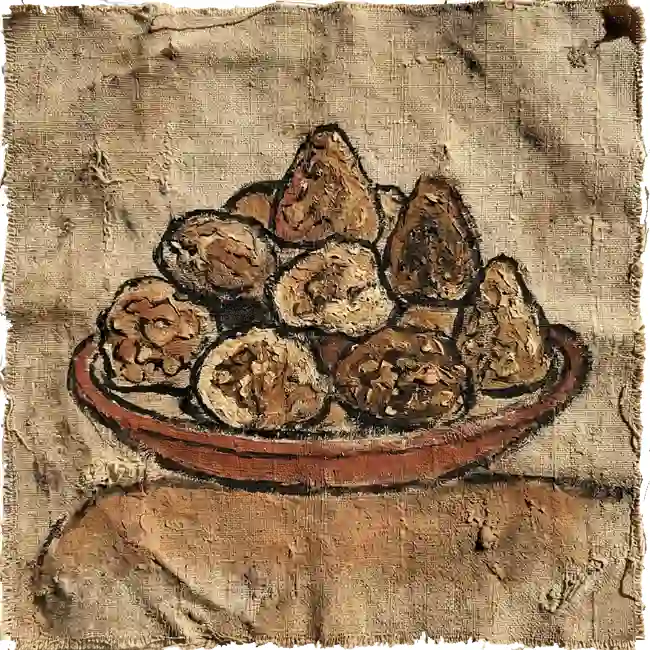
👑 Recipe: Royal Egyptian Mersu (Ancient Honey Date Confections)
📜 Legends Behind This Excavated Secret
The specific treat we are resurrecting today is known to historians and archeologists as "Mersu." Mentioned across several ancient administrative papyri and explicitly depicted in vivid, colorful wall paintings within the grand tomb of Rekhmire—a powerful royal vizier during the glorious 18th Dynasty—Mersu was the pinnacle of high-status luxury. It was a delicacy served during massive state banquets, coronation ceremonies, and sacred religious festivals honoring the fertility gods. The secret of its preparation was closely guarded by the royal household staff, passed down orally from master chef to chosen apprentice over generations.
Legend has it that this specific blend of dates, honey, and aromatic spices was used by royal physicians not just as an indulgent food, but as a potent restorative remedy capable of boosting vitality, enhancing mental clarity, and filling the body with enduring physical strength. The inclusion of early cultivated grains and Tiger nuts added a subtle, deeply satisfying texture that made it a truly elite fuel. As we prepare to make this, remember that you are working with a formula that was once reserved exclusively for the most powerful individuals on the face of the earth.
🌾 Ingredients & The Noble Pantry
◦ The Ancestral Staples
To truly honor the authenticity of this majestic treat, it helps to understand the incredible raw materials we are working with. The ancient Egyptians used native True Date Palms, which yielded fruits that were small, intensely concentrated in sugars, and deeply rich in fiber. Their honey wasn't filtered or treated in a modern factory; it was raw, deeply aromatic wild honey gathered from bees that fed on local desert flora and wild acacia blossoms, giving it a distinct, complex, slightly smoky undertone. The flour used was made from Emmer wheat or barley, ancient grain varieties that possess a wonderfully nutty, rustic flavor profile vastly different from modern white flour. Tiger nuts, which are actually small, highly nutritious tubers, were widely prized for their sweet, almond-like crunch and were frequently ground up to bind these royal treats together perfectly.
◦ Modern Substitutes
Since you likely don't have a wild acacia hive or an ancient field of Emmer wheat in your backyard, we can easily use high-quality, easily accessible modern equivalents that respect the original flavor profiles beautifully. Instead of wild ancient dates, Medjool dates are your absolute best choice because of their incredibly soft, jam-like texture and deep caramel notes. For the flour, choosing an unbleached whole wheat flour, spelt flour, or barley flour will replicate that wonderful, hearty ancient texture perfectly. If you cannot find authentic tiger nuts at your local health food store, raw almonds or walnuts provide a fantastic, historically appropriate texture and flavor contrast that elevates the treat beautifully. Lastly, seek out a high-quality, raw, unpasteurized honey—preferably wildflower or clover—to truly capture that genuine, old-world aromatic depth.
◦ Ancient Proportions
Here are the precise measurements adapted beautifully for your modern kitchen. Please ensure your ingredients are fresh and high quality for the best historical results:
• 2 cups of premium Medjool dates, carefully pitted and packed tight
• 4 tablespoons of high-quality raw, unpasteurized wildflower honey
• 1/2 cup of raw almonds, walnuts, or tiger nuts, finely crushed
• 1/3 cup of whole wheat flour, spelt flour, or barley flour
• 1 teaspoon of ground cinnamon (a highly prized ancient trade luxury)
• 1/2 teaspoon of ground cardamom or coriander seeds (for that true, exotic palace aroma)
• 2 tablespoons of pure warm water (only if needed to help bind the dough)
• 3 tablespoons of extra finely crushed nuts, reserved separately for coating the final treats
🥣 The Chef’s Ancient Ritual
• Step 1: Preparing the Sacred Fruits
Take your pitted Medjool dates and place them into a heavy bowl. Using your hands or a heavy wooden pestle, actively mash and knead the dates until they begin to break down entirely, forming a thick, uniform, and incredibly sticky fruit paste. If your dates feel a bit firm, you can steam them over warm water for three minutes beforehand to soften them up beautifully, but authentic Medjools are usually soft enough to work with right away.
• Step 2: Toasting the Grain
Take your whole wheat or barley flour and place it into a dry, heavy-bottomed skillet over medium-low heat. We are going to gently dry-toast the flour. Stir it continuously with a wooden spoon for about three to five minutes. Watch it very closely! As soon as the flour turns a light, beautiful golden brown and gives off a gorgeous, nutty, roasted aroma, immediately remove it from the heat and let it cool. This simple toasting process completely eliminates the raw grain taste and replicates the rustic, sun-baked earthiness of ancient open-hearth baking.
• Step 3: Bringing the Grand Alliance Together
Add your toasted, cooled flour, the finely crushed nuts, the ground cinnamon, and the ground cardamom directly into your sticky date paste. Pour the luxurious, raw honey over the mixture. Now, use your hands to thoroughly knead all these ingredients together. It will feel incredibly thick and intensely sticky, which is exactly what we want. Keep kneading until the spices and flour are completely integrated, and you are left with a single, magnificent, cohesive ball of fragrant ancient dough. If it feels just a bit too dry or crumbly to hold its shape, add a tiny splash of warm water to smooth it out.
• Step 4: Shaping the Royal Offerings
Pinch off a small piece of the dough and roll it firmly between your palms to form a beautiful, smooth, bite-sized sphere, roughly the size of a walnut. Once shaped, immediately roll the sphere through your bowl of finely crushed reserved nuts, pressing gently so the outer crunch adheres beautifully to the sticky surface. Repeat this beautiful process until all your dough is beautifully transformed into magnificent royal gems. Place them gently onto a serving platter and let them rest for at least thirty minutes in a cool place to firm up before serving.
🔥 Secrets of the Ancestral Hearth
• Watch the Heat Closely: Never burn your flour during the dry-toasting phase. Because there are no oils in the pan, flour can transition from beautifully toasted to completely burnt in a matter of seconds. Keep it moving constantly, and trust your nose—once it smells nutty, it is done.
• Master the Texture: Ensure your nuts are crushed to the right consistency. You want a beautiful mix of fine dust to help bind, and tiny, crunchy pieces to provide a wonderful contrast to the soft dates. Avoid over-processing them into a greasy nut butter.
• The No-Stick Trick: If the dough sticks excessively to your palms while rolling, lightly coat your hands with a tiny bit of water or a drop of olive oil. This creates a natural barrier and allows you to roll perfect, smooth spheres effortlessly.
• Serve at Room Temperature: Do not refrigerate these for too long before serving. While they can be stored in an airtight container for weeks, serving them at true room temperature allows the natural aromatic oils of the honey, dates, and spices to fully open up and coat your palate beautifully.
🤨 Ancient Civilization Origins FAQ
Q1: Did average citizens in ancient Egypt eat these honey date treats daily?
A: Absolutely not, friend! Honey was incredibly expensive and tightly controlled by royal and religious monopolies, while dates required significant labor to harvest and dry. Average citizens enjoyed a diet centered heavily on emmer bread and beer, reserving precious sweets like Mersu exclusively for grand weddings, major religious festivals, or special family milestones.
Q2: Can I make this recipe entirely gluten-free?
A: Yes, you easily can! To maintain a historically authentic texture without using wheat or barley, swap the flour for finely ground tiger nut flour or oat flour. This keeps the rustic, earthy vibe intact while making the recipe completely accessible to everyone at your modern table.
Q3: How long can these royal date treats be safely stored?
A: Because dates and raw honey both possess incredibly low moisture levels and powerful natural preservative properties, these treats keep exceptionally well. They will easily last for up to three weeks when stored in an airtight container at room temperature, making them an excellent make-ahead option for gatherings.
🏺 The Taste of Archeology
When you take your very first bite of this finished masterpiece, take a moment to close your eyes and really analyze the flavors dancing across your tongue. The initial sensation is a magnificent, bright crunch from the exterior nuts, immediately followed by the deeply complex, rich, and velvety sweetness of the date paste. Then, the warmth of the toasted flour cuts through the density, grounding the sweetness and providing a wonderfully rustic balance. Finally, as you chew, the floral notes of the raw honey and the exotic, lingering warmth of the cardamom reveal themselves, leaving a beautiful, highly sophisticated aftertaste.
It is an incredible realization to recognize that this exact flavor profile is precisely what delighted the minds and palates of historical legends like Hatshepsut, Tutankhamun, and Ramesses the Great. It doesn't taste like a modern, sugar-loaded candy bar; instead, it possesses a deep, grounding, and majestic complexity that feels entirely unique. It tastes like time itself—a beautiful, edible piece of living archeology that proves true culinary excellence never goes out of style.
🏠 Final Thoughts: Bringing Antiquity to Your Modern Table
Bringing the deep magic of the ancient world into our modern homes is one of the most beautiful things we can do as home cooks. It completely transforms a simple evening meal or weekend baking project into an educational, deeply immersive journey through time. When you serve these magnificent Royal Honey Date Treats to your family, friends, or dinner guests, you aren't just presenting a plate of delicious snacks; you are offering an incredible conversation starter, a tangible piece of human history that people can touch, smell, and taste directly.
Don't be afraid to experiment and truly make this ritual your own. Cooking should always be a living, breathing art form, just as it was in the royal palace oases of old Kemet. By incorporating these old-world techniques and flavor combinations into your regular modern routine, you help demystify history, making it feel wonderfully accessible, alive, and profoundly delicious for generations to come.
🤝 The Golden Hook (The Sacred Union)
Now that you hold the keys to this long-forgotten royal kitchen secret, you have officially become an essential part of its enduring story! We are on a passionate, lifelong mission to unearth, reconstruct, and preserve the world's most magnificent ancient culinary arts, and we absolutely cannot do it without incredible history lovers like you. By making this recipe, sharing it with your loved ones, and talking about the incredible origins of human food, you help ensure that the profound wisdom of our ancestors is never permanently swallowed by the desert sands.
If you felt a spark of pure magic while creating this ancient treat, we warmly invite you to join our global community of culinary time-travelers. Subscribe to our regular updates, share your beautiful kitchen creations with us online, and let us know how your royal Mersu turned out! Together, we can continue to breathe vibrant new life into the ancient past, one incredible, historic bite at a time.
📜 Credit to the Keepers of the Culture (The Legacy)
This recipe is inspired by the ancient culinary archives, tomb wall reliefs, and papyrus inscriptions of Ancient Egypt. We have carefully adapted the measurements for modern kitchens while preserving its sacred ancestral soul. Eternal gratitude is owed to the dedicated archeologists, meticulous historians, and passionate cultural preservationists who work tirelessly across the globe to uncover these beautiful human stories, allowing us to safely guide them from the ancient hearth straight to your modern table.
| 🧱 🏛️🍯 < Back |