
🏠 Home > 🗺️ Recipes > 🏛️🧪 Sacred Infusions & Botanical Tonics > 🧱 Ancient Egyptian: Sacred Infusions & Botanical Tonics Recipes
🧱 🏛️🧪 Ancient Egyptian: Sacred Infusions & Botanical Tonics Recipes
Published by Supakorn | Updated: July 2026
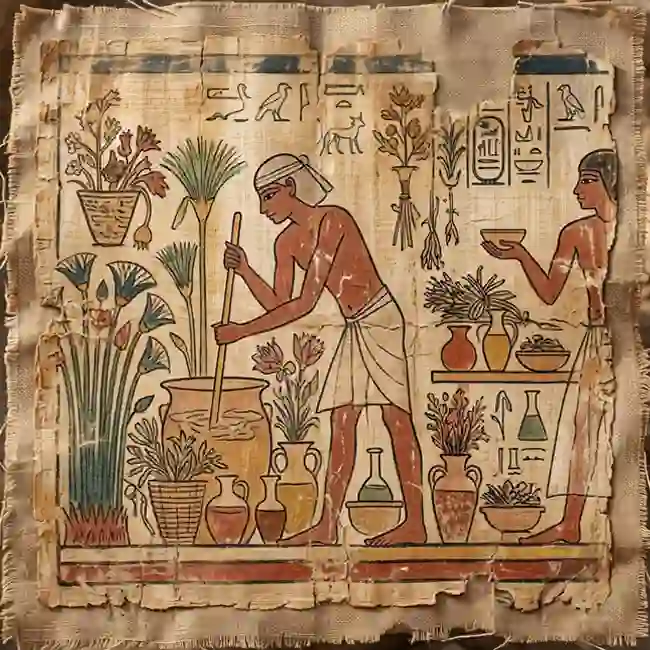
🧱 📜 The Storyteller’s Intro: 5,000 Years of Ancestral Flavors
Imagine stepping out of a time machine and right onto the sun-drenched, muddy banks of the Nile River exactly 5,000 years ago. The air is thick with the sweet, heavy scent of blooming blue lotus flowers, crushed coriander seeds, and fresh-baked flatbread cooling in clay ovens. You aren't just looking at history; you are breathing it in. For the ancient Egyptians, food and drink weren’t just about survival or filling a rumbling stomach. To them, every meal was a sacred ritual, a divine gift from the gods, and a beautiful bridge connecting the earthly world to the eternal afterlife.
To truly understand how this legendary culinary identity was forged, we have to look at the three grand eras that shaped Egypt's destiny: the Old Kingdom (the age of the monumental pyramid builders), the Middle Kingdom (the golden era of cultural rebirth and classic literature), and the New Kingdom (the powerhouse empire of famous pharaohs like Ramesses II and King Tutankhamun). Throughout these massive shifts in time, power, and architecture, one magnificent element remained absolutely constant: the life-giving Nile River.
Every single year, the Nile would swell and overflow its banks, leaving behind a thick, velvety layer of black, nutrient-rich soil known as kemet. This wasn't just dirt; it was agricultural gold. In this fertile mud, ancient Egyptian farmers cultivated Emmer wheat—a robust, ancient grain that became the absolute backbone of their entire civilization. This legendary wheat was used to bake the hearty, rustic Emmer bread that fueled everyone from the humble laborers carving out the Sphinx to the elite high priests chanting inside the dimly lit temples. Alongside their bread, the Egyptians mastered the art of brewing sacred botanical infusions and tonics. These weren't your average everyday drinks; they were carefully crafted herbal remedies, wellness elixirs, and spiritual potions packed with local flora like hibiscus, mint, and dates. Let's dive deep into this aromatic world where gastronomy, spirituality, and nature blended into a single, delicious lifestyle.
📜 Iconic Excavated Menus: From Clay Tablets to Pharaoh Tombs
Archaeologists scraping away the desert sands have uncovered some truly breathtaking culinary history. From detailed hieroglyphic carvings on limestone walls to actual, petrified food offerings left inside dark pharaonic tombs to accompany royalty into the afterlife, the menu of ancient Egypt has been preserved beautifully. Here are the most prominent, documented names of sacred infusions, botanical tonics, and historic staples that have been recovered from clay tablets and ancient tomb inscriptions:
• The Infusion of Karkadeh (Sacred Crimson Hibiscus Tonic): A vibrant, ruby-red botanical infusion made from dried hibiscus calyces. This drink was highly revered for its cooling properties in the scorching desert heat and was often enjoyed by pharaohs during grand palace celebrations.
• The Blue Lotus Elixir of Serenity: A highly spiritual, aromatic tonic prepared by steeping the petals of the sacred Blue Water Lily (Nymphaea caerulea). Recorded on temple walls, this infusion was used by high priests and royals to achieve a state of meditative calm and divine connection.
• The Golden Fenugreek Wellness Brew (Hulba): A deeply comforting, earthy herbal infusion made from boiled fenugreek seeds. Tomb records show this warm tonic was highly prized for its exceptional medicinal qualities, promoting digestion, skin health, and physical vitality.
• The Wild Mint and Licorice Root Digestif: A refreshing, sweet botanical tonic blending native wild mint leaves with crushed Egyptian licorice root (Erkous). It was commonly consumed after heavy banquets to soothe the stomach and refresh the palate.
• The Sacred Date and Fig Palm Nectar: A rich, naturally sweet, thick botanical syrup made by infusing ripe palm dates, sycamore figs, and honey into pure spring water. This precious liquid was used as both a luxurious celebratory beverage and a holy offering to the goddess Isis.
• The Pharaoh’s Coriander and Cumin Herbal Broth: A savory, warming botanical infusion made by steeping freshly cracked coriander seeds, cumin, and a hint of wild garlic. This clear, fragrant broth was utilized to boost the immune systems of royal court members during seasonal changes.
• The Emmer Wheat Ritual Water (Kyphi Infused): A unique, nourishing tonic made from steeping roasted Emmer wheat grains with a subtle blend of Kyphi ingredients (a sacred temple incense mixture containing resins, honey, and botanicals), creating a deeply meditative, earthy drink.
🗺️ Ancient Culinary Tourism: Mapping Flavors to Historic Landscapes
If you were a traveler wandering through ancient Egypt, your culinary experience would completely change depending on the spectacular landscape you found yourself in. The way people lived, ate, and gathered was beautifully tied to the unique geography of their surroundings. Traveling along the Nile was like navigating a massive, open-air food market that stretched across hundreds of miles of stunning terrain.
In the bustling urban hubs like Memphis and Thebes, the culinary scene was fast-paced, glamorous, and incredibly diverse. Here, the grand palaces of the pharaohs sat alongside sprawling public markets. As a traveler, you would witness a daily lifestyle centered around grand communal dining, where massive clay ovens baked fresh Emmer loaves around the clock. The air in these cities was constantly filled with the aromas of roasting waterfowl, fresh green onions, and sweet honeyed cakes. Elite citizens hosted lavish evening banquets where guests wore fragrant wax cones on their heads that slowly melted, releasing scents of myrrh and lotus into the air while they sipped on chilled hibiscus infusions served in delicate alabaster cups.
Move away from the grand cities and head out toward the rural villages, and you would experience the authentic, wholesome heartbeat of Egyptian daily life. Here, the lifestyle was beautifully simple and grounded. Farmers, fishermen, and artisans lived in cozy mud-brick homes with open-air rooftop kitchens. Their daily diet was highly sustainable and deeply tied to the seasons. A typical meal consisted of a thick wedge of rustic Emmer bread, a handful of crisp radishes, fresh papyrus shoots, and a bowl of lentil stew, washed down with a refreshing wild mint tonic. Cooking was an intimate, family affair, usually done in heavy earthenware pots over glowing charcoal embers. Visitors to these villages were always treated with immense hospitality, offered the freshest catch from the river and a cool shade to rest under.
🚣 The Fertile Crescent & Nile Sovereignty: Riverbed Agriculture
To truly appreciate the incredible flavors of Egypt's sacred infusions, we have to look at the sheer genius of their riverbed agriculture. While the neighboring Fertile Crescent relied on its own rich river systems, Egypt’s absolute sovereignty over the Nile allowed them to build one of the most sophisticated, organized agricultural empires the ancient world had ever seen.
The entire calendar of Egyptian life was split into three distinct, natural seasons based entirely on the behavior of the river: Akhet (the flooding season), Peret (the planting season), and Shemu (the harvesting season). During the flooding season, when the fields were completely underwater, farmers spent their time maintaining tools, caring for livestock, and working on royal construction projects. As the water receded, leaving behind the legendary, glistening black mud, the planting season began.
Farmers used lightweight wooden plows pulled by oxen to gently turn the rich soil, scattering seeds of Emmer wheat, barley, flax, chickpeas, and lentils. They engineered an brilliant system of canals, dykes, and manual water-lifting devices called shadoofs to carefully direct water from the Nile into distant fields. This precise control over their environment created an unbelievable abundance of crops. The edges of these irrigation canals became the perfect breeding ground for wild botanical treasures. Mint grew abundantly along the damp soil, wild celery flourished by the water's edge, and majestic lotus flowers blossomed in the quiet shallows. This incredible harmony between human ingenuity and natural river cycles ensured that the Egyptian kitchens were always stocked with fresh, vibrant ingredients to create their legendary botanical tonics.
🏜️ Oasis & Desert Trade Route Banquets: Caravan Luxuries
Beyond the lush, green ribbon of the Nile River lay a massive, harsh world of golden sand dunes and towering rocky cliffs. Yet, the desert was far from empty. It was a bustling highway for daring trade caravans that traveled across vast distances, connecting Egypt with the mysterious lands of Punt, the Mediterranean, and the deep interiors of Africa. And right in the middle of these grueling desert treks lay the miraculous oases—lush, green paradises like Siwa and Bahariya, bursting with freshwater springs and shady palm groves.
When a weary trade caravan finally arrived at a desert oasis, it was cause for a spectacular celebration. Oasis banquets were a magnificent blend of rugged desert survival and unmatched luxury. Traveling merchants brought exotic, highly prized goods from distant lands, including fragrant frankincense, precious myrrh, sweet cinnamon, and rare spices. In return, the oasis communities offered their own incredible local treasures: sweet, juicy dates, fresh pomegranates, and rich sycamore figs.
The food and drink served at these desert trading posts were designed to rejuvenate the body and soul after weeks of traveling under a unforgiving sun. Large fires were lit under the starry desert sky, and communal feasts were prepared. Guests would gather on woven reed mats to enjoy roasted gazelle or desert hare seasoned with exotic cumin and coriander. To combat the dry, dusty air, hosts served massive bowls of cooling botanical tonics. These infusions were packed with local oasis mint, naturally sweet crushed dates, and imported spices, creating a refreshing drink that restored vital nutrients and lifted the spirits of the tired travelers. These caravan banquets were a beautiful melting pot of cultures, where stories, music, and culinary secrets were shared freely under the desert stars.
🤴❓ Ancient Civilization FAQ: Unlocking Palace Kitchen Mysteries
Q1: Did the ancient Egyptians use any natural sweeteners in their sacred infusions and everyday drinks?
A: Absolutely! Refined sugar didn't exist back then, so the ancient Egyptians relied heavily on nature's finest treats. For the wealthy elite and pharaohs, wild honey was the ultimate luxury sweetener, gathered carefully from clay beehives. For everyday citizens, sweetening drinks was done beautifully by infusing ripe, crushed fruits directly into the tonics. Dates, sycamore figs, and carob pods were incredibly popular choices, adding a rich, deep, caramel-like sweetness to their botanical brews while providing an excellent energy boost.
Q2: How did archaeologists actually discover what the ancient Egyptians ate and drank 5,000 years ago?
A: It’s a fascinating mix of archaeology and modern science! Researchers look at three main sources. First, the incredible wall paintings and hieroglyphics inside tombs and temples show vivid step-by-step scenes of farming, baking, and banquet hosting. Second, the Egyptians left physical food and drink offerings in sealed jars inside tombs for the deceased's journey to the afterlife. Modern scientists use advanced chemical analysis to test the organic residue left inside these ancient pottery jars, identifying the exact chemical footprints of herbs, grains, and fruits.
Q3: Was Emmer wheat only used for making bread, or did it have other culinary uses in ancient Egypt?
A: While Emmer wheat was the undeniable star of the bakery, its culinary uses went far beyond traditional loaves. It was used to make thick, hearty breakfast porridges sweetened with dates and honey. Additionally, as discovered on ancient clay tablets, roasted Emmer wheat grains were steeped in hot water to create a comforting, nutty, grain-based wellness water. This starchy, nutrient-dense beverage was consumed by laborers and farmers to sustain their energy during long, grueling hours working under the hot sun.
Q4: Were these botanical tonics and infusions used purely for pleasure, or did they have a medicinal purpose?
A: In ancient Egypt, medicine, food, and spirituality were completely intertwined; there was no real separation between them! A refreshing drink like hibiscus (Karkadeh) was enjoyed because it tasted amazing, but it was also consciously consumed to lower body temperature and support heart health. Fenugreek infusions were served at banquets but were also highly prescribed by temple physicians to soothe digestion and heal skin ailments. Every time an Egyptian drank a botanical tonic, they were nourishing their physical body and honoring the gods simultaneously.
🧠 Final Thoughts: The Timeless Allure of Antique Gastronomy
There is something deeply magical and grounding about exploring the culinary habits of a civilization that thrived 5,000 years ago. The ancient Egyptians understood a profound truth that we often forget in our fast-paced modern lives: that food and drink are sacred expressions of our connection to the earth, the seasons, and to each other. Their brilliant use of native botanicals, their immense respect for the life-giving waters of the Nile, and their ability to turn simple ingredients like Emmer wheat and wild herbs into legendary elixirs is nothing short of inspiring.
While we’ve explored the rich history, the vibrant culture, the bustling trade routes, and the fascinating lifestyle surrounding these ancient elixirs today, we’ve only just scratched the surface of this aromatic world. The true culinary magic lies in how these incredible flavors actually taste on the palate. Keep your senses sharp and stay tuned, because in our upcoming feature, we will be unlocking the vaults of history to share the exact, step-by-step master recipes for these sacred infusions and botanical tonics. You'll learn exactly how to recreate the pharaonic ruby hibiscus blend, the soothing blue lotus elixir, and the sweet date palm nectar right in your very own modern kitchen!
🏛️ Credit to the Keepers of the Culture (The Legacy)
This deep dive into the magnificent culinary traditions of ancient Egypt is made possible through the tireless work, passion, and dedication of global historians, Egyptologists, and experimental archaeologists. We owe a debt of gratitude to the brilliant minds at the Grand Egyptian Museum and international research institutions who painstakingly translate ancient hieroglyphic papyri, analyze ancient pottery residues, and preserve the breathtaking tombs along the Nile Valley. It is through their incredible dedication to uncovering the past that these 5,000-year-old traditions, ancestral flavors, and sacred botanical secrets continue to live on, inspiring kitchens and modern food lovers all across the world today.
🏛️🧪 Brewing the Pharaoh’s Kitchen: DIY Sacred Elixirs From Ancient Egypt
👉 Sip Signature Ancient Egyptian: Sacred Infusions & Botanical Tonics
| 🌐 🏛️🧪 < Back | 🧱 🍯 < Previous |