
🏠 Home > 🗺️ Recipes > 🏛️🍖 Hearth-Roasted Mains > 🧱 Ancient Egyptian: Hearth-Roasted Mains Recipes
🧱 🏛️🍖 Ancient Egyptian: Hearth-Roasted Mains Recipes
Published by Supakorn | Updated: July 2026
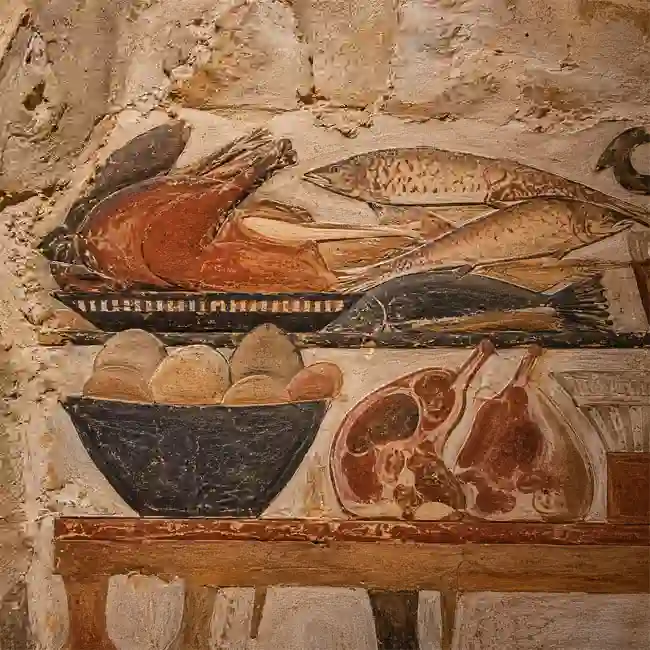
🧱📜 The Storyteller’s Intro: 5,000 Years of Ancestral Flavors
Let’s talk about food that’s literally older than the pyramids. When we think of Ancient Egypt, we picture gold, mummies, and massive stone temples. But what about dinner? For over 3,000 years, the Egyptians turned the Nile Valley into one of the world’s first food empires, and the hearth was the heart of it all.
• Predynastic Period: 6000–3100 BCE
Before pharaohs, before hieroglyphs, early settlements along the Nile were already mastering fire. Archaeological digs at Hierakonpolis show us circular hearth pits lined with mudbrick. Families roasted wild geese, Nile perch, and cuts of ox over open flames. There were no cookbooks yet, but charred seeds of emmer wheat and barley tell us bread was already the backbone of every meal. This was survival cooking, but it was also the start of flavor memory — smoke, salt from the desert, and fat dripping into embers.
• Old Kingdom: 2686–2181 BCE — The Pyramid Builder’s Diet
Fast forward to the age of the Great Pyramid of Giza, and food got organized. Tomb reliefs in Saqqara show entire teams of bakers, brewers, and butchers feeding thousands of workers. The hearth became a communal beast. Oxen were trussed and slow-roasted for days during festivals. Emmer flatbreads were slapped onto the sides of clay tannur ovens, puffing up with that signature smoky char. This era gave us the first “restaurant logic”: standardized portions, ration lists, and meals designed to fuel a civilization. If you were hauling limestone blocks, you got hearth-roasted beef, onions, and beer-bread. No alcohol talk here, but that bread was life.
• New Kingdom: 1550–1070 BCE — Pharaohs, Feasts, and Global Flavors
By the time of Tutankhamun and Ramses II, Egypt was a superpower. Trade with Canaan, Nubia, and the Mediterranean brought cumin, coriander, dill, and fenugreek into the mix. Tomb paintings in Thebes show lavish banquets with whole roasted ducks, crusted with herbs and honeyed dates, hanging by their feet over glowing hearths. The kitchen wasn’t just functional anymore — it was political. Serving a perfectly roasted haunch of oryx meant you had power, wealth, and favor from the gods. The hearth was where diplomacy and dinner met.
So why “hearth-roasted mains”? Because in Egypt, the hearth wasn’t a stove. It was a social contract. You gathered around it, you cooked for the temple, you fed your ancestors in the afterlife. And 5,000 years later, the soot marks are still there.
📜 Iconic Excavated Menus: From Clay Tablets to Pharaoh Tombs
We don’t have a “Pharaoh’s Food Network” archive, but we do have something better: walls, tombs, and garbage pits. Here’s what archaeologists actually found — no speculation, just edible evidence.
• Roasted Ox Haunch with Emmer Crust
Listed on Middle Kingdom offering tables and seen in the Tomb of Rekhmire. Priests would coat a leg of beef in crushed emmer grain and salt, then slow-roast it in a covered hearth pit. The grain formed a protective crust, keeping the meat moist for hours. It was carved for gods first, nobles second.
• Mud-Baked Nile Perch
Found in preserved form at Amarna. Whole perch were packed in Nile clay mixed with chaff, then buried in hot hearth coals. When cracked open, the skin peeled off with the clay, leaving steamy, herb-scented fish. Laborers’ food, but genius.
• Honey-Date Glazed Wild Duck
Documented in the Tomb of Nebamun, 1350 BCE. Ducks from the Delta marshes were trussed, stuffed with figs and tiger nuts, and roasted on spits. Tomb art shows the glaze bubbling — dates were Egypt’s sugar.
• Emmer Flatbread-Stuffed Pigeon
Pigeon towers were huge in Ancient Egypt. Workers at Deir el-Medina got rations of squab stuffed with stale emmer bread, onions, and green herbs, then roasted in communal hearths. Found as lunch remnants in worker villages.
• Ash-Roasted Onions and Garlic Bulbs
Not a “main” by today’s standards, but these were excavated by the dozens in Giza worker barracks. Buried directly in hearth ash, they turned sweet and jammy. Served alongside every roasted cut of meat as the original flavor booster.
• Oryx Roast for the Sed Festival
Reserved for pharaohs during the Sed Festival of renewal. Reliefs show oryx, a desert antelope, slow-roasted whole. The ritual meant the king was “recharged,” and the meat was distributed to nobles. Think of it as the ultimate status roast.
These aren’t recipes yet. They’re snapshots. Clues left in charcoal and carvings that tell us Egyptians loved smoke, texture, and feeding a crowd.
🗺️ Ancient Culinary Tourism: Mapping Flavors to Historic Landscapes
If you’re walking through Egypt today, you’re walking through a menu. The food wasn’t just made in kitchens — it was shaped by the land. Here’s how to eat with your eyes when you travel the Nile.
• Giza Plateau: The Worker’s Feast Trail
Stand where 4,500 years ago, thousands of laborers ate hearth-roasted beef and onion stew. The nearby “Worker’s Town” excavation revealed communal hearths, cattle bones, and fish scales. Locals today still roast meats in underground pits called zarb in the Western Desert — a direct descendant. Tour tip: visit after sunrise. The light hits the pyramids the same way it hit the breakfast fires.
• Luxor’s West Bank: Tomb-to-Table
The Tombs of the Nobles are basically ancient Yelp reviews. Paintings show banquet scenes with roasted ducks, bread cones, and platters of meat. After touring Rekhmire’s tomb, head to a modern Luxor home kitchen. Families still bake eish shamsi, sun-fermented bread, in domed clay ovens that look identical to New Kingdom murals.
• Faiyum Oasis: Where Duck Was King
Faiyum was the duck capital of Ancient Egypt. The wetlands produced thousands of birds yearly. Archaeologists found duck bones with cut marks near hearth sites. Today, Faiyum farmers still spit-roast duck over wood fires for holidays. The landscape hasn’t changed — and neither has the flavor profile.
• Aswan and Nubia: The Southern Spice Gate
Southern Egypt was the entry point for Nubian spices and African game. Elephantine Island digs show hearths with traces of coriander and cumin from 2000 BCE. A modern spice market stroll in Aswan connects you straight to those same routes. The heat, the smell, the smoke — it’s sensory time travel.
Eating like an Egyptian isn’t about reenactment. It’s about recognizing that the Nile still decides the menu.
🚣 The Fertile Crescent & Nile Sovereignty: Riverbed Agriculture
You can’t talk hearth-roasted mains without talking dirt and water. The Nile wasn’t just a river. It was a 4,000-mile grocery store.
• The Black Land Advantage
Egyptians called it Kemet, “the black land,” because the annual flood left behind mineral-rich silt. That silt grew emmer wheat, barley, and flax. Emmer was the key to roasting: ground into coarse flour, it became the crust for meats or the stuffing for birds. No Nile flood, no roast. Simple as that.
• Cattle Culture on the Floodplain
Tomb scenes show vast herds of longhorn cattle grazing on floodplain grass. Cattle were wealth, and a roasted haunch was the ultimate offering. The best cuts went to temples, but workers got their share too. Heqanakht Letters from 2000 BCE complain about beef rations — proof that roasted meat was an expected right, not a luxury.
• Marshes as the Original Pantry
The Delta’s marshes gave Egypt ducks, geese, and fish. Fowlers used nets and decoys, just like today. Once caught, birds were taken straight to hearths. The Nile perch, up to 6 feet long, was mud-baked because it kept the flesh from drying out over long roasting times. Riverbed cooking was zero-waste before it was cool.
• Seasonal Feasting Logic
Shemu was harvest season — April to June. That’s when new grain, onions, and garlic came in, and hearths ran hottest. Major festivals like Opet meant whole oxen roasted for days. The river set the clock, and the hearth followed it.
The Nile didn’t just feed Egypt. It taught Egypt how to cook.
🏜️ Oasis & Desert Trade Route Banquets: Caravan Luxuries
Egypt wasn’t all Nile. The deserts were highways, and oases were the ancient truck stops. When caravans rolled in, the hearth became international.
• The Western Desert Oases: Kharga and Dakhla
These oases were breadbaskets in the sand. Excavations show massive bakeries and hearths from the Roman era, but the tradition started millennia earlier. Caravans brought dates, olives, and desert herbs like wild thyme. Locals would pit-roast goat with date paste for traders. It was desert diplomacy — feed the caravan, get safe passage.
• The Sinai Trade Corridor
Connecting Egypt to Canaan, Sinai was the spice road. Coriander, cumin, and juniper berries moved through here. Egyptians used them as dry rubs on hearth-roasted meats. The “Ways of Horus” forts had dedicated hearth kitchens to feed soldiers and merchants. Imagine the smell: smoke, meat, and spice in the desert night.
• Nubian Gold, Nubian Flavor
Trade with Nubia wasn’t just gold and ivory. It was sorghum, gourds, and new ways to roast. Nubian pottery shards near Aswan hearths suggest fusion cooking as early as 2500 BCE. Oryx and gazelle from the desert were roasted whole during treaty feasts. The message: we eat together, we stay at peace.
• Oasis Banquets as Power Moves
Pharaohs built rest houses in oases with huge hearths to host nomadic chiefs. Roasting a whole ox in the middle of the desert was flexing. It said, “My reach is so long, I can throw a feast where nothing grows.” The desert didn’t limit Egyptian cuisine — it expanded it.
So next time you see a sand dune, remember: someone probably roasted dinner on it.
🤔 Ancient Civilization FAQ: Unlocking Palace Kitchen Mysteries
Q1.How did Egyptians roast meat without metal ovens?
They used bedja ovens — conical clay structures — and open hearth pits. Meat was either spitted over coals, buried in ash, or sealed in clay. The insulation from clay and ash gave “low and slow” results we’d recognize today. Tomb models from Meketre’s tomb show tiny butchers and bakers working hearths, so we know the workflow.
Q2.Was hearth-roasted food only for pharaohs?
Nope. Ration lists from Deir el-Medina show workers got 10 loaves of bread and 2 portions of meat/fish daily. The difference was cut and frequency. Pharaohs got oryx and ox haunch. Workers got pigeon, mullet, and onions. But everyone had access to the hearth. It was the great equalizer.
Q3.What made Egyptian roasting unique compared to Mesopotamia?
Emmer wheat. Mesopotamians used barley. Egyptians had emmer, which makes a denser, nuttier crust. They also used Nile mud as a cooking vessel, which is rare elsewhere. Plus, the religious angle: Egyptians roasted food for the ka, or spirit, first. Presentation mattered because the dead “ate” with their eyes.
Q4.Do any hearth-roasted traditions survive today?
Absolutely. Fatta in Egypt is layers of rice, bread, and slow-roasted meat — a direct descendant of temple offerings. Bedouin zarb cooking in the desert is pit-roasting unchanged for millennia. And hamam mahshi, stuffed pigeon, is still roasted in clay ovens in rural villages. The hearth never died. It just changed names.
🧠 Final Thoughts: The Timeless Allure of Antique Gastronomy
Ancient Egyptian hearth-roasted mains aren’t just old food. They’re proof that flavor is memory. The way smoke sticks to meat, the way clay seals in juices, the way a crowd gathers when something’s roasting — none of that’s changed in 5,000 years.
What’s wild is how practical it all was. No thermometers, no timers. Just fire, salt, and knowing when the fat sizzled right. Yet they fed armies, honored gods, and sealed treaties with it.
We’ll get to the full recipes soon. For now, just picture it: the Nile at dusk, a hearth glowing, and the smell of emmer-crusted beef rolling across the sand. Some cravings are truly ancient.
🏛️ Credit to the Keepers of the Culture (The Legacy)
This exploration stands on the work of Egyptologists, archaeobotanists, and local Egyptian communities who preserve these traditions. Deep respect to the teams at Hierakonpolis, Amarna Project, and Deir el-Medina excavations for documenting hearth sites and food remains. To the bakers in Luxor still using sun and clay, and the Bedouin families keeping zarb alive — you’re the living archive.
Sources referenced include tomb paintings from Nebamun and Rekhmire, the Heqanakht Papyri, and findings published by the Ancient Egyptian Heritage and Archaeology Fund. This content aims to honor, not appropriate, a culinary legacy that belongs to Egypt and humanity.
Stay tuned — the actual ancient hearth-roasted mains recipes are coming next.
🏛️🍖 Recreating Pharaohs’ Feast: 5000-Year-Old Egyptian Roast Beef at Home
👉 Explore Signature Ancient Egyptian: Hearth-Roasted Mains
| 🌐 🏛️🍖 < Back | 🧱 🌾 < Previous | Next > 🍲 🧱 |