
🏠 Home > 🗺️ Recipes > 🏛️🌾 Primitive Grains & Flatbreads > 🗿 Olmec: Primitive Grains & Flatbreads Recipes > 🏛️🌾 1.Olmec Sacred Pure Cacao Grain Mash
🏛️🌾 Unveiling Mesoamerica’s Sacred Heritage: The Lost Olmec Cacao Grain Mash
Published by Supakorn | Updated: October 2026
🗿🏛️ Ancient Civilization Origins: Olmec Empire & Mesoamerican Heartland
🌌 The Storyteller’s Intro: 3,000 Years of Ancestral Flavors
Imagine standing deep within the lush, rainforests of ancient Mesoamerica along the Mexican Gulf Coast around 1200 BCE. Long before the Aztecs built their island metropolis or the Maya raised towering stone pyramids to the stars, the Olmecs were quietly laying the foundations of Mesoamerican culture. They were the original innovators, urban builders, stone sculptors, and master foragers of the ancient world.
When we think of cacao today, our minds usually picture sweet chocolate bars, wrapped neatly in foil. But to the Olmecs, cacao was not a sweet treat or a dessert. It was a potent, sacred staple infused with raw energy, reverence, and spiritual meaning. They were the very first human civilization to domesticate and transform raw cacao, combining it with ancient whole grains to create a thick, earthy, and nutrient-packed porridge known as cacao grain mash.
Every time you prepare this dish, you are step-by-step re-enacting an ancient culinary ritual that nourished builders, shamans, and rulers alike thousands of years ago. Let’s leave our modern conveniences behind for a moment, light the ancient hearth, and dive into a flavor profile that has been buried in history for millennia.
🌐 The Global Value of Antique Heritage
Food is far more than mere sustenance; it is the living thread that connects us across millennia to the very roots of human intelligence and creativity. The Olmec cacao grain mash represents a vital turning point in human agricultural history—the precise moment when wild rainforest plants were transformed into nourishing culinary art.
Unearthing these ancient recipes restores lost biodiversity and deepens our respect for traditional food processing techniques. Long before industrial processing stripped grains of their nutrient-rich hulls, ancient civilisations utilized whole grains, natural nixtamalization, and stone grinding to extract maximum nutrition from every single seed. By celebrating and reviving this antique culinary heritage, we gain a profoundly fresh perspective on modern sustainability, natural wellness, and holistic cooking.
🏺 The Culinary Resurrection
For centuries, the exact preparation method of the original Olmec cacao grain mash was shrouded in mystery, known primarily through ceramic residues recovered from archaeological digs in San Lorenzo and La Venta. Today, through painstaking archaeological research and botanic study, we are resurrecting this sacred, forgotten secret.
This isn't just cooking; it is culinary paleontology. We are bringing a vibrant, sacred dish back from the shadows of forgotten history straight to your modern kitchen counter.
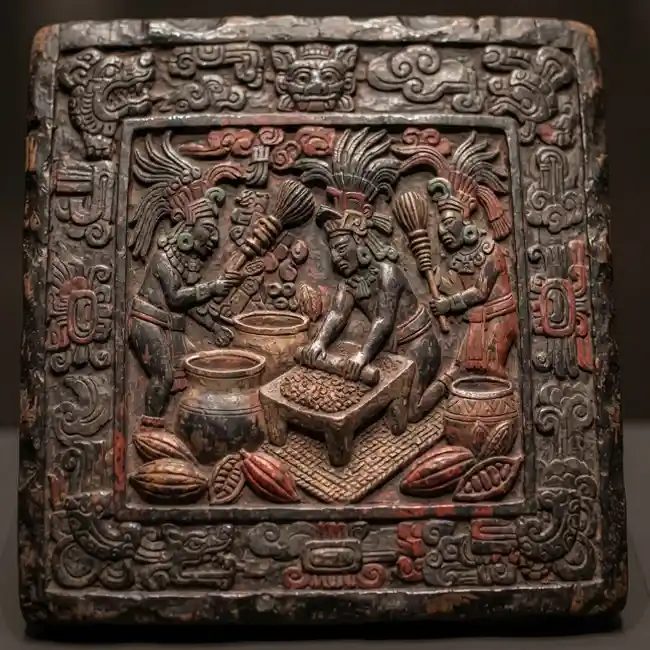
🥣 Recipe: Olmec Sacred Pure Cacao Grain Mash
🗿 Legends Behind This Excavated Secret
Carved giant stone heads are not the only legacy the Olmecs left behind. Deep within ceramic jars excavated from ancient Mesoamerican ceremonial sites, archaeologists discovered traces of theobromine—the signature biological marker of pure cacao.
Legend holds that the Olmecs believed cacao was a direct gift from the gods of creation, designed to sustain human strength during demanding stone-carving projects and spiritual ceremonies. It was held in such high regard that consuming it was considered a physical communion with the earth spirits. This grain mash was crafted to be rich, deeply grounding, mildly bitter, and immensely satisfying.
🌾 Ingredients & The Noble Pantry
📜 The Ancestral Staples
The original Olmec pantry relied entirely on what nature provided in the tropical Mesoamerican lowlands. The foundation consisted of raw cacao nibs harvested directly from native trees, paired with ancient corn strains (maiz) and pseudo-grains like amaranth. Fresh spring water, pure raw honey, native chili pods, and wild aromatic herbs provided the warmth, body, and balancing natural sweetness.
🔄 Modern Substitutes
You don't need access to an ancient tropical forest to recreate this historical masterpiece at home! Here is how you can easily match the ancient ingredients with items from your local grocer:
• Raw Unroasted Cacao Nibs or 100% Pure Dark Cocoa Powder: Replaces hand-harvested wild cacao pods. Look for organic, minimally processed cacao for the most authentic bitter, complex tone.
• Coarse Whole Yellow Cornmeal or Polenta Grain: Replaces ancient landrace flint corn. Make sure to use coarsely ground cornmeal to achieve the authentic thick texture.
• Whole Grain Amaranth or Quinoa: Adds an ancient grain crunch and high-protein base that mimics Mesoamerican seeds.
• Raw Unfiltered Honey or Pure Agave Nectar: Replaces native wild forest honey to gently balance the natural bitterness of the cacao.
• Ancho Chili Powder or Dried Poblano Pepper: Offers a gentle, sweet, smoky warmth without overwhelming heat.
• A Dash of Ground Allspice and Vanilla Extract: Mimics wild forest herbs and native orchid pods used by ancient Mesoamerican healers.
• Filtered Spring Water: The foundation of the mash, keeping the dish pure and authentic.
📏 Ancient Proportions
(Measurement units provided in standard culinary cups and tablespoons—no complex ratios or monetary symbols included!)
• Coarse Yellow Cornmeal: 1 cup
• Whole Amaranth Seeds: 0.25 cup
• Raw Cacao Nibs (crushed) or 100% Pure Cocoa Powder: 0.33 cup
• Filtered Spring Water: 3.5 cups
• Raw Unfiltered Honey or Agave Nectar: 2 tablespoons (adjust to taste)
• Ground Ancho Chili Powder: 0.25 teaspoon
• Ground Allspice: 0.125 teaspoon
• Pure Vanilla Extract: 1 teaspoon
• Sea Salt: 1 generous pinch
🔥 The Chef’s Ancient Ritual
✦ Step 1: Toasting the Sacred Grains
Place a heavy-bottomed pan or cast-iron skillet over medium heat. Do not add any oil or fat. Add the coarse cornmeal and whole amaranth seeds to the dry pan. Gently toast the grains for about 3 to 5 minutes, stirring continuously with a wooden spoon. Listen closely for a light popping sound from the amaranth and watch for a delicate golden color. The aroma will turn deeply nutty and warm.
✦ Step 2: Grinding the Cacao Base
If using whole raw cacao nibs, place them into a mortar and pestle (or a spice grinder) and crush them into a coarse, fragrant meal. Leave small tiny bits intact to provide an authentic, rustic texture to your mash.
✦ Step 3: Igniting the Liquid Hearth
In a medium saucepan, bring the 3.5 cups of filtered spring water to a gentle rolling boil over medium-high heat. Add the pinch of sea salt into the water.
✦ Step 4: Combining the Ancestral Elements
Gradually whisk the toasted cornmeal and amaranth into the boiling water, stirring continuously to prevent any clumping. Lower the heat to low, cover the pan with a lid, and let it simmer gently for 15 to 18 minutes. Stir occasionally until the grains soften and absorb the water, forming a thick, luxurious grain mash.
✦ Step 5: Infusing Cacao and Earthy Spices
Reduce the heat to the lowest setting. Fold in the crushed cacao nibs (or cacao powder), ancho chili powder, and ground allspice. Stir thoroughly for 2 to 3 minutes until the cacao melts into the warm grain mash, turning the mixture a dark mahogany brown.
✦ Step 6: The Final Blessing of Sweetness
Remove the pan completely from the heat source. Stir in the pure vanilla extract and raw honey or agave nectar. Allow the grain mash to sit covered for 3 minutes off the heat so the complex flavors meld together smoothly.
✦ Step 7: Sacred Presentation
Spoon the warm, rich mash into wooden or earthenware bowls. Top with an extra sprinkle of crushed cacao nibs and a light dusting of chili powder for a visually stunning finishing touch. Serve warm and enjoy!
💡 Secrets of the Ancestral Hearth
• Avoid Overheating the Cacao: Never add your pure raw cacao into rapidly boiling water at high heat. Excessive temperature destroys cacao’s natural complex flavors and renders the bitterness harsh rather than smooth.
• Toasting is Essential: Skipping the dry-toasting step for your cornmeal and amaranth will result in a flat, watery porridge. Toasting brings out the deep, nutty, roasted notes that make this ancient recipe truly exceptional.
• Texture Control: If your mash gets too thick while simmering, simply add an extra quarter cup of warm water and whisk gently until you reach a creamy, porridge-like consistency.
• Balance the Earthiness: Authentic Olmec cacao mash is intentionally rich and slightly savory-bitter. If your palate is accustomed to sweet modern breakfasts, don't hesitate to add an extra tablespoon of honey or a splash of warm plant milk to smooth it out.
• Keep the Stirring Constant: Whole grains like coarse cornmeal settle quickly at the bottom of the pot. Stir regularly with a rustic wooden spoon to avoid sticking or burning at the bottom.
🐆❓ Ancient Civilization Origins FAQ
Q1: Is this Olmec Cacao Grain Mash sweet like modern hot chocolate oatmeal?
Answer: Not naturally! Original Mesoamerican recipes focused on deep, earthy, savory, and complex spicy profiles. While we include a hint of honey or agave in this adapted recipe to balance the raw cacao, it remains far more subtle and nourishing than modern sugary breakfasts.
Q2: Can I make this ancient mash ahead of time for meal prep?
Answer: Absolutely! You can store cooked Olmec cacao grain mash in an airtight container in the refrigerator for up to 4 days. When reheating, simply add a splash of warm water or plant milk and stir over low heat to bring back its original creamy texture.
Q3: What makes raw cacao different from regular cocoa powder?
Answer: Raw cacao is made by cold-pressing unroasted cocoa beans, preserving all the vital antioxidants, minerals, and natural biochemical compounds. Regular cocoa powder has been processed at much higher temperatures, which softens its bitter edge but reduces its natural health benefits.
Q4: Is this ancient recipe gluten-free?
Answer: Yes! Both pure cornmeal and whole amaranth are naturally gluten-free grains, making this historic dish a fantastic ancient option for modern gluten-sensitive diets.
🍲 The Taste of Archeology
Tasting this Olmec Cacao Grain Mash is like opening a direct sensory portal into 1200 BCE. The deep, grounding essence of dark roasted cacao merges seamlessly with the sweet, nutty warmth of toasted corn and amaranth. The subtle whisper of ancho chili leaves a gentle, warming glow at the back of your throat, reminding you that food was once prepared as a high art of balancing energies and honoring nature.
🍽️ Final Thoughts: Bringing Antiquity to Your Modern Table
Taking time to prepare long-forgotten recipes is one of the most rewarding ways to slow down in our fast-paced modern world. Cooking this Olmec Cacao Grain Mash connects your daily routine with the timeless traditions of ancient human history. It reminds us that long before processing plants and artificial flavors existed, humans created deeply satisfying, nutrient-rich meals straight from the earth.
Give this recipe a try during a cozy weekend morning or whenever you need a hearty, energetic boost before a long day. You'll be amazed at how a 3,000-year-old culinary secret can feel so fresh, nourishing, and exciting today!
🌟 The Golden Hook (The Sacred Union)
Are you ready to join an exclusive community of modern culinary explorers who keep ancient food culture alive? Don't let these priceless recipes fade away into dusty history books!
Try making this Olmec Cacao Grain Mash in your home kitchen today, snap a photo of your earthen bowl, and share your experience with us in the comments below. Subscribe to our lost recipe newsletter to unlock more secret culinary formulas excavated straight from the world's greatest ancient civilizations!
🏛️ Credit to the Keepers of the Culture (The Legacy)
We honor and express our deepest gratitude to the indigenous communities of Mesoamerica, as well as the dedicated archaeologists, ethnobotanists, and culinary historians whose tireless field work and research made the recovery of ancient foodways possible. By preserving traditional seed strains, documenting ancestral techniques, and respecting indigenous heritage, these guardians ensure that the ancient culinary wisdom of the Olmec civilization continues to inspire and nourish generations around the world.
| 🗿 🏛️🌾 < Back |