
🏠 Home > 🗺️ Recipes > 🏛️🍖 Hearth-Roasted Mains > 🏟️ Mycenaean Greek: Hearth-Roasted Mains Recipes
🏟️ 🏛️🍖 Mycenaean Greek: Hearth-Roasted Mains Recipes
Published by Supakorn | Updated: September 2026
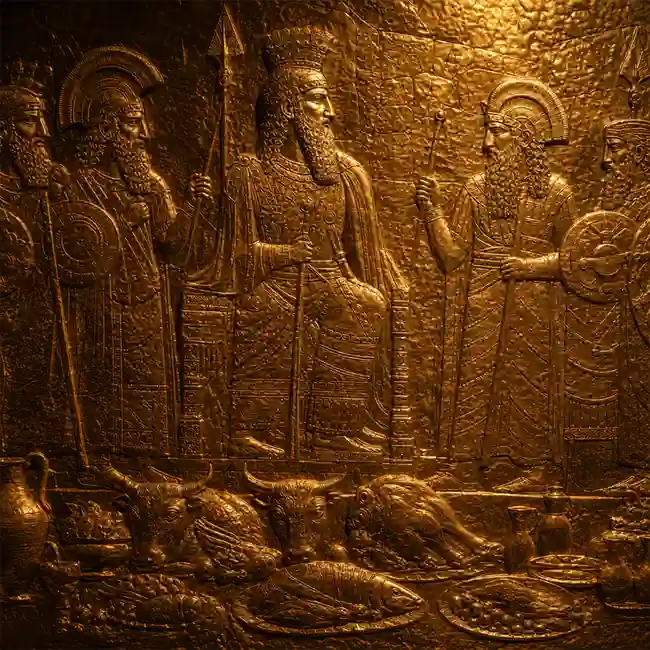
🏰📜 The Storyteller’s Intro: 5,000 Years of Ancestral Flavors
Hey there, fellow food lover and history explorer! Have you ever stood over a sizzling grill, caught a whiff of charred meat seasoned with wild mountain herbs, and felt this sudden, strange connection to the deep past? Well, you are not alone. Long before modern culinary trends, social media food photos, or high-tech kitchen gadgets came onto the scene, our ancestors were already mastering the art of the open flame. Today, we are taking a massive leap backward through time—roughly 5,000 years—to explore the bold, smoke-infused culinary world of Mycenaean Greece.
When we think about ancient Greece, our minds often jump straight to classical Athens, philosophers in white robes debating politics, or the grand marble columns of the Parthenon. But if you rewind the clock even further to the Late Bronze Age (around 1600 BCE to 1100 BCE), you land right in the heart of the Mycenaean civilization. This was the legendary era of hero-kings, fortified citadel palaces, grand bronze armor, and epic stories that later inspired Homer’s Iliad and Odyssey. But beyond the battlefields and gold-filled tombs, there was a rich, vibrant daily life powered by incredible food centered around monumental clay hearths.
To truly understand how this ancient gastronomy came to be, it helps to look at the sweeping timeline of Aegean history across its major evolutionary eras:
✨ The Early Bronze Age (c. 3000 BCE – 2000 BCE): The foundational era where early farming communities across the Peloponnese and Aegean islands began expanding. Simple flatbreads, wild green foraging, basic legumes, and the early cultivation of olives and grapes laid the groundwork for regional Aegean survival and basic culinary trade.
✨ The Middle Bronze Age (c. 2000 BCE – 1600 BCE): A transformational period marked by growing maritime trade networks. Influences from Minoan Crete drifted north, bringing refined pottery styles, advanced agricultural storage techniques, and sophisticated hearth construction to mainland Greek settlements.
✨ The Late Bronze Age or Mycenaean Palatial Era (c. 1600 BCE – 1100 BCE): The absolute golden age of Mycenaean power! Citadel palaces like Mycenae, Tiryns, and Pylos dominated the landscape. Monumental circular hearths sat at the heart of palace throne rooms (the Megaron), and administrative scribes meticulously recorded livestock, spice harvests, and feast rations on clay tablets written in Linear B.
✨ The Post-Palatial & Sub-Mycenaean Period (c. 1100 BCE – 1050 BCE): A dramatic era of geopolitical shifts and palace collapses across the Eastern Mediterranean. While grand royal banquets faded away, the core rustic cooking techniques—hearth roasting, clay spit roasting, and herb marinades—survived in rural villages, eventually forming the bedrock of Archaic and Classical Greek cooking.
Imagine stepping into a Mycenaean palace thousands of years ago. The air is thick with the aroma of roasting wild boar, tender spring lamb, and rich goat meat dripping onto glowing charcoal embers. Aromatic smoke carrying notes of wild thyme, sage, coriander, and crushed juniper berries drifts upward through the roof vent of the great hall. Diners gather around, tearing into succulent hearth-roasted meats paired with dense barley breads, salted sheep’s cheeses, sweet figs, and rich olive oils. It wasn't just fuel for the body; it was a sensory celebration of power, hospitality, community, and divine connection.
📜 Iconic Excavated Menus: Recorded Delicacies of the Bronze Age
How do we actually know what royal heroes and palace cooks were eating five millennia ago? We don't have to guess! Archeologists, epigraphers, and archaeobotanists have uncovered an absolute treasure trove of evidence. The primary written sources come directly from clay tablets inscribed with Linear B—the earliest deciphered form of the Greek language. These tablets served as palace administrative ledgers, recording detailed inventory lists for massive state banquets, religious offerings, and royal pantries.
Complementing these written records are physical archaeological finds: fixed ceramic hearths, portable tripod cooking pots, charcoal braziers, terracotta spit-holders (affectionately known by archaeologists as "souvlaki trays"), and burned animal bone fragments found in ancient refuse pits.
Here are the most iconic, historically verified Mycenaean main dishes and meat preparations revealed through excavated clay records and palace digs:
✦ Linear B Banquet Roasted Pork (Sū-we-jo Meat): Recorded repeatedly on administrative tablets from the Palace of Nestor at Pylos, pig harvests were central to elite palace feasts. Whole or quartered pigs were spit-roasted or slow-cooked over central hearth embers, basted with olive oil, sea salt, and aromatic sage.
✦ Spit-Roasted Mountain Kid & Lamb (A-ke-ro Spit Mains): Goat and sheep livestock listings dominate Linear B records. Tender young goats and lambs were impaled on wooden or bronze spits, resting on notched terracotta spit-holders set over long charcoal trenches, producing tender meat seasoned with wild oregano and garlic.
✦ Venison & Wild Boar Steaks (Rawa-ra-ta Game Roast): Hunted by Mycenaean nobles in the dense woodlands of the Peloponnese, wild game meat was a symbol of strength and status. Bones uncovered in palace refuse heaps show clear cut marks and heavy scorching from high-heat hearth searing.
✦ Coriander & Honey Glazed Ox Ribs (Qo-u Feast Cut): Cattle were highly prized and reserved for major religious celebrations and palatial gatherings. Cut into large prime portions, ox beef was braised or hearth-roasted, continuously brushed with a marinade of wild forest honey, cider vinegar, crushed coriander seeds, and olive oil.
✦ Herbed Waterfowl & Quail Skewers: Waterfowl from Aegean wetlands and migrating quail were trapped, cleaned, wrapped in wild fig leaves or clay coatings, and roasted directly in hot hearth ashes to lock in natural juices and subtle herb flavors.
✦ Legume-Stuffed Slow Hearth Roasts: Whole roasts were often stuffed with coarse mixtures of cracked emmer wheat, chickpeas, broad beans, garlic, and wild celery leaves, allowing the savory pan drippings of the meat to season the filling as it cooked slowly near the hearth coals.
🗺️ Hearth, Home, and Travel: Wandering the Peloponnesian Cradle
Eating like a Mycenaean wasn't just about satisfying hunger; it was deeply woven into their daily lifestyle, social hierarchy, and spatial environment. Life in a Late Bronze Age citadel revolved around the central hearth. The hearth wasn't pushed away into a hidden back kitchen—it was placed right in the middle of the Megaron (the great royal hall). It served as the primary source of warmth, light, religious ritual, and communal bonding.
When royal guests, foreign merchants, or local warriors visited a palace, hospitality (xenia) demanded that a fresh fire be stoked, an animal sacrificed and butchered, and a grand feast prepared right in front of the gathered crowd. Common folk in outer villages cooked over smaller clay braziers or open courtyard fires, but the fundamental cooking methods remained identical: fire, smoke, clay, and fresh local ingredients.
If you are a passionate travel lover who wants to walk in the footsteps of these ancient cooks, the original heartland of the Mycenaean world in southern Greece (the Peloponnese region) offers an unforgettable journey. You can literally stand on the exact floors where these hearths once burned!
• The Citadel of Mycenae (Argolis): The legendary home of King Agamemnon. As you walk through the monumental Lion Gate, you can explore the royal palace complex, inspect the remains of ancient storerooms that once held thousands of liters of olive oil, and marvel at the breathtaking views over the Argive plain.
• The Palace of Nestor at Pylos (Messenia): Located in southwestern Greece, this is one of the best-preserved Mycenaean palace sites in existence. It features a beautifully protected circular hearth in the main Megaron hall, and it was here that archaeologists unearthed the famous Linear B tablets detailing royal feast menus and spice inventories!
• Tiryns Citadel (Argolis): Renowned for its massive Cyclopean stone walls, Tiryns provides an intimate look at Bronze Age engineering, royal reception halls, and ancient kitchen storage chambers built directly into the massive stone fortification walls.
• Archaeological Museum of Chora (Messenia): A hidden gem near Pylos housing actual Mycenaean cooking vessels, bronze spits, intact terracotta tripod pots, and Linear B clay tablets showing real Bronze Age food administration.
• Modern Culinary Exploration in Argolis & Messenia: Today, visiting the towns around Mycenae, Nafplio, and Kalamata allows you to experience the direct living descendants of this ancient cuisine. Local tavernas still roast mountain lamb on open spits over wood coals, heavily seasoned with wild oregano, garlic, and olive oil sourced from ancient groves.
🚣 Maritime Flavors of the Ancient Aegean Waters
You cannot discuss Mycenaean civilization without talking about the Aegean Sea. The Mycenaean Greeks were master mariners, fearless sailors, and skilled naval traders. Their specialized galley ships crisscrossed the Mediterranean, connecting mainland Greece with Minoan Crete, the Cycladic islands, Cyprus, Egypt, and the Levant.
While hearth-roasted land meats were the ultimate status symbol for palace banquets, the sea provided a constant, protein-rich foundation for coastal communities, sailors, and daily household meals. Sea salt harvested from natural coastal rock pools was essential for preserving meats and creating rich, savory brines.
• Saronic Gulf Coastal Trade Route: Mycenaean coastal outposts along the Saronic Gulf gathered fresh catch including sea bass, sea bream, and octopus. Octopus was famously beaten against sea rocks to tenderize the meat, then hung on lines to dry under the Mediterranean sun before being seared over hot wooden coals.
• The Cycladic Island Passages: Island stops like Melos, Delos, and Santorini (Thera) served as vital trading posts. Vessels transported prized Aegean sea salt, dried fish cakes, capers, and aromatic herbs across maritime trade channels back to mainland palace kitchens.
• Ancient Argolic Gulf Fisheries: The deep waters near Tiryns and Nauplion provided rich harvests of cuttlefish and squid. Mycenaean cooks charred squid skewers over charcoal braziers, finishing them with sea salt, crushed wild fennel, and splash marinades of sour grape juice.
🏜️ Rustic Argive Plains & Mountain Grazing Grounds
Moving inland from the coast, the dramatic landscape of mainland Greece transforms into rugged limestone mountains, fertile river valleys, and sweeping coastal plains. The Argive Plain and the rolling hills of Arcadia and Messenia formed the agricultural backbone of Mycenaean life.
The hot, dry summers and cool, breezy winters shaped how livestock was managed and how ingredients were preserved. Herders practiced transhumance—moving sheep and goat flocks up into cool mountain pastures during high summer and back down to sunny valleys in winter. This wild mountain grazing produced meat and goat milk cheese packed with intense herbal flavors from wild mountain thyme, sage, and winter savory.
• Arcadian Mountain Pastures: The high altitude regions provided ideal summer grazing for sheep and goats. Meat harvested from mountain herds possessed a distinctly aromatic flavor profile due to the dense wild herb scrub (phrygana) the animals consumed daily.
• The Fertile Argive Basin: Home to vast olive orchards, grain fields, and fig groves. The soil produced abundant barley crops, which were ground into dense hearth breads, perfect for soaking up rich meat juices from hearth-roasted dishes.
• Eurotas Valley Scrublands (Laconia): Long before Sparta rose to prominence, Mycenaean settlements flourished in the Eurotas valley. The landscape provided abundant wild game, chestnuts, and acorn-fed wild pigs that yielded richly marbled hearth roasts.
🕍 Ancient Civilization FAQ: Unlocking Palace Kitchen Mysteries
Q1.What kind of cooking equipment did Mycenaeans use for hearth roasting?
Mycenaean cooks were surprisingly advanced in their cookware engineering! They used heavy terracotta tripod pots that sat directly over hot coals, long rectangular ceramic spit-holders with notched edges to hold wooden or bronze meat skewers, portable charcoal braziers, and flat ceramic griddles with one smooth side and one perforated side used for baking flatbreads.
Q2.Did Mycenaean Greeks use garlic, onions, and modern Mediterranean spices?
Yes to garlic and onions, but no to modern items like tomatoes, potatoes, or chili peppers, which originated in the Americas thousands of years later! Mycenaean seasoning relied heavily on garlic, wild onions, leeks, coriander seeds, cumin, wild celery seed, sesame, mustard seed, bay leaves, sage, and wild thyme. Sweetness came from wild honey, dried figs, and raisins.
Q3.How did Linear B tablets help us discover ancient recipes?
Linear B tablets were administrative records made of unfired clay that accidentally baked and preserved when royal palaces burned down during historical conflicts. Scribes recorded exact numbers of animals (pigs, sheep, oxen), jars of olive oil, bags of coriander, figs, and barley allocated for specific palace banquets and religious sacrifices, giving us a precise ingredient shopping list used by royal cooks.
Q4.Was hearth-roasted meat eaten every day by common people?
Not usually. Meat was a precious resource. While common folk ate legumes (chickpeas, lentils, broad beans), barley porridge, olives, cheese, wild greens, and small fish on a daily basis, hearth-roasted meats were typically enjoyed during religious festivals, seasonal harvest celebrations, family gatherings, or when palace rulers hosted large public banquets.
🧠 Final Thoughts: The Timeless Allure of Antique Gastronomy
Exploring the hearth-roasted mains of Mycenaean Greece reminds us that food is the ultimate time machine. While technologies, empires, and millennia come and go, the core elements of cooking over an open fire—heat, smoke, salt, herbs, and high-quality ingredients—remain completely unchanged.
When you strip away modern complexity and look back at the Bronze Age hearth, you discover a cuisine that was bold, deeply connected to the land, and built around genuine hospitality. The Mycenaeans understood that a great meal cooked over glowing coals had the power to bring people together, form lasting alliances, and turn an ordinary evening into an unforgettable story.
Get ready, because in our upcoming guides, we are going to dive straight into step-by-step, kitchen-tested modern adaptations of these ancient hero-style recipes! You'll learn exactly how to recreate these Bronze Age feast mains right in your own backyard or modern kitchen. Stay tuned, keep your fires burning, and get your palate ready for a culinary adventure 5,000 years in the making!
🏛️ Credit to the Keepers of the Culture (The Legacy)
A deep debt of gratitude and respect goes to the tireless efforts of international archaeologists, epigraphers, historians, and cultural institutions who have dedicated their lives to uncovering and preserving the Mycenaean heritage.
Special recognition belongs to The Hellenic Ministry of Culture and Sports, The Ephorate of Antiquities of Argolida and Messenia, The American School of Classical Studies at Athens (ASCSA), and the pioneering researchers who deciphered Linear B—Michael Ventris and John Chadwick.
We also honor the work of contemporary archaeobotanists, zooarchaeologists, and experimental chefs who meticulously analyze ancient organic residues in ceramic pots, seed remains, and bone fragments. Their extraordinary scientific discoveries allow us to accurately recreate the vibrant sensory world of Bronze Age Greek gastronomy today.
🏛️🍖 Unearthing the Bronze Age: The Legend of Homer’s Roasted Wild Lamb
👉 Explore Mycenaean Greek: Hearth-Roasted Mains
| 🌐 🏛️🍖 < Back | 🏟️ 🌾 < Previous | Next > 🍲 🏟️ |