
🏠 Home > 🗺️ Recipes > 🏛️🧪 Sacred Infusions & Botanical Tonics > 🧱 Ancient Egyptian: Sacred Infusions & Botanical Tonics Recipes > 🏛️🧪 1.Shedeh Ankh – The Golden Elixir of Life
🏛️🧪 Brewing the Pharaoh’s Kitchen: DIY Sacred Elixirs From Ancient Egypt
Published by Supakorn | Updated: July 2026
🧱 🌍 Ancient Civilization Origins: Ancient Egypt
📜 The Storyteller’s Intro: 5,000 Years of Ancestral Flavors
Close your eyes for a second. Imagine the Nile at sunrise 5,000 years ago. The air smells like warm earth, crushed lotus petals, and smoke from temple braziers. Priests are grinding herbs with mortar and pestle made of alabaster, not for magic tricks, but for daily life. Because in Ancient Egypt, food was medicine, drink was prayer, and every sip was a contract with the gods.
We’re not talking about mummies and gold. We’re talking about what kept scribes sharp, builders strong, and queens glowing long before the word “superfood” existed. These elixirs were buried with pharaohs, sketched on tomb walls, and pressed into clay tablets by temple healers. Today, we’re cracking that code. You don’t need a time machine. You need a saucepan, a few herbs, and a little respect for the past.
This isn’t a museum piece. It’s your next afternoon drink. Let’s resurrect it.
🏛️ The Global Value of Antique Heritage
Why should we care about a 5000-year-old drink recipe? Because Ancient Egypt was the first civilization to write down the idea of “you are what you eat.” The Ebers Papyrus, dated around 1550 BCE, contains over 700 remedies. Many of them are elixirs, blends of herbs, honey, dates, and sacred flowers meant to balance the body and spirit.
UNESCO recognizes Egyptian culinary heritage as part of humanity’s intangible culture. These aren’t just recipes. They’re the oldest recorded wellness system on earth. Modern nutrition science keeps “discovering” things Egyptians already knew: anti-inflammatory herbs, gut-soothing ferments, natural electrolytes from dates and barley.
When you sip an elixir based on these formulas, you’re not following a trend. You’re tapping into a 50-century R&D department. That’s the kind of global value that doesn’t go out of style.
✨ The Culinary Resurrection
Archeologists don’t just find gold. They find seeds, pollen, and residue in broken jars. Chemical analysis of 5000-year-old Egyptian pottery has revealed traces of barley, tiger nuts, sidr honey, fenugreek, coriander, and blue lotus. Temple inscriptions describe “divine drinks” given to pharaohs before rituals to bring clarity and strength.
This is culinary resurrection. We take those fragments, cross-reference them with Greek and Roman writers who visited Egypt, check against Coptic monastery recipes that preserved the knowledge, and rebuild. We’re not guessing. We’re reverse-engineering history with a wooden spoon.
The result? Elixirs that are caffeine-free, non-alcoholic, and shockingly delicious. The ancients didn’t separate “healthy” from “tasty.” Neither will we.
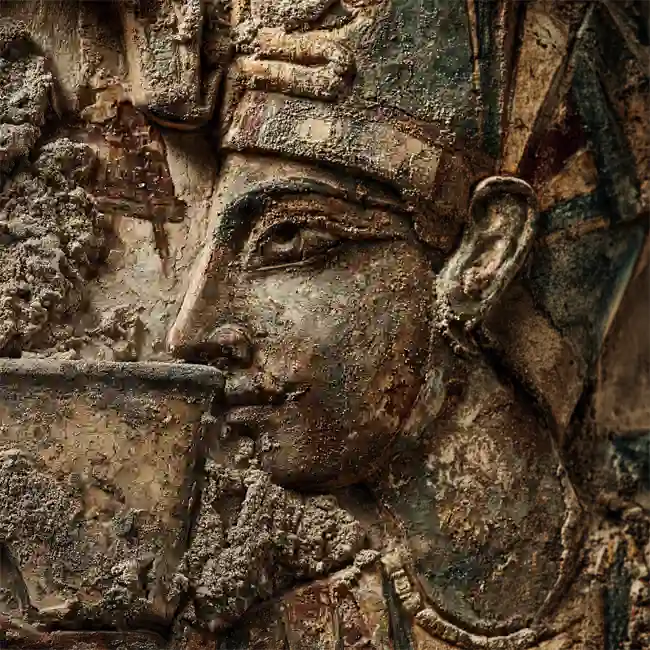
🍯 Recipe: Shedeh Ankh – The Golden Elixir of Life
📖 Legends Behind This Excavated Secret
Shedeh shows up in tomb inscriptions as a prized drink of the gods and royalty. For centuries, scholars argued: Was it wine? Nope. Recent residue analysis from Tutankhamun’s tomb confirms Shedeh was a non-alcoholic, heated infusion of fruits and herbs, likely red or golden in color. Priests offered it during the Heb Sed festival to “renew the pharaoh’s life force.”
Legend says Queen Nefertari drank Shedeh every morning to maintain her famous beauty. Builders at Deir el-Medina received it as part of their wages during heat waves. It was never sold. It was gifted, prescribed, and poured as a sacred act.
We found references to Shedeh in the Cairo Museum’s temple texts: “Heat the fruit of the date, the gold of the bee, and the green of the earth. Offer to Ra, then offer to the body.” That’s our blueprint.
🌿 Ingredients & The Noble Pantry
• The Ancestral Staples
The Nile Valley was a pantry before the word existed. Dates were the sugar of the ancient world, used in everything from bread to medicine. Sidr honey, from trees mentioned in the Quran and temple texts, was worth its weight in silver because it never spoils. Tiger nuts, called “earth almonds,” were found in tombs as snacks for the afterlife. Blue lotus wasn’t just pretty. Egyptians steeped it for calm and vivid dreams. Fenugreek was a staple for strength and digestion. Coriander seeds were found scattered in Tut’s tomb for flavor and preservation. Barley was life. It fed the people, brewed into non-alcoholic nourishment drinks, and formed the base of most elixirs.
• Modern Substitutes
You can source this without raiding a pyramid. Here’s how to keep it authentic but doable:
◦ Sidr honey: Use raw, unfiltered honey. Manuka or wildflower works if Sidr is hard to find. Avoid processed supermarket honey. The point is enzymes and minerals.
◦ Medjool dates: The closest to ancient Egyptian date varieties. If unavailable, Deglet Noor is fine. Don’t use pre-chopped dates with sugar coating.
◦ Tiger nuts: Find these at health stores or online. If you absolutely can’t, substitute with 1 tablespoon almond flour plus 1 teaspoon coconut flour for texture. But try to get real tiger nuts. They’re the soul of it.
◦ Blue lotus: Buy dried petals from reputable tea suppliers. Make sure it’s Nymphaea caerulea, not synthetic. If you can’t source it, skip it rather than replace. The elixir still works. Never use essential oils.
◦ Fenugreek seeds: Easy to find in Indian or Middle Eastern groceries. No good substitute. The maple-like aroma is key.
◦ Barley water base: Use pearl barley. If gluten-free, use a mix of brown rice and millet water, but the flavor changes. Egyptians used barley, period.
• Ancient Proportions
This makes 2 servings, the amount a temple priest would prepare for sunrise ritual:
◦ Filtered water: 3 cups
◦ Pearl barley: 2 tablespoons, rinsed
◦ Medjool dates, pitted and chopped: 5 pieces
◦ Tiger nuts, soaked overnight: 1/4 cup
◦ Raw Sidr honey: 2 tablespoons
◦ Dried blue lotus petals: 1 teaspoon
◦ Fenugreek seeds, lightly crushed: 1/2 teaspoon
◦ Coriander seeds, lightly crushed: 1/2 teaspoon
◦ Fresh lemon zest: 1/4 teaspoon, no white pith
◦ Pinch of true cinnamon: about 1/8 teaspoon
◦ Optional: 3 dried hibiscus petals for the “Shedeh red” color priests loved
🔥 The Chef’s Ancient Ritual
Think of this as a ritual, not a recipe. Egyptians believed how you made it mattered as much as what was in it.
◦ Step 1: The Dawn Soak
The night before, put your tiger nuts and barley in separate bowls. Cover with water. This is called “awakening the seed” in temple texts. It softens them and starts enzyme activity. Ancient Egyptians never used ingredients “asleep.”
◦ Step 2: The Solar Infusion
Morning time. Drain the barley. Add it to a clay pot or stainless saucepan with 3 cups filtered water. Bring to a gentle simmer. Not a boil. Priests wrote “the water should smile, not rage.” Simmer 20 minutes until the water looks slightly cloudy. That’s your barley base. Strain and keep the liquid. You can eat the barley later.
◦ Step 3: The Date Breaking
In a mortar, or small bowl, mash the soaked tiger nuts and chopped dates into a paste. Add the crushed fenugreek and coriander. Mash again. You want it fragrant. Egyptians believed scent carried the spirit of the plant. When your kitchen smells sweet and earthy, you’re doing it right.
◦ Step 4: The Sacred Union
Return the barley water to low heat. Whisk in the date and spice paste until dissolved. Add hibiscus if you want the red-gold color. Let it warm for 5 minutes. Do not boil. Turn off heat. Now add blue lotus petals and lemon zest. Cover. Let it steep 10 minutes. This is the “temple rest” where flavors marry.
◦ Step 5: The Offering
Strain through fine mesh or cheesecloth into cups. Stir in raw honey last. Honey was never cooked in Egypt. Heat kills its “living essence.” Taste. It should be earthy, floral, sweet, with a hint of spice. If Ra were here, he’d approve.
Serve warm at sunrise or chilled over stone in the afternoon. Sip, don’t shoot. This is a 5-minute prayer in a cup.
🔐 Secrets of the Ancestral Hearth
• Secret 1: Never boil honey or lotus
Temple texts are clear. Heat above 110 degrees Fahrenheit / 43 degrees Celsius destroys the “ka” or life force. Add these after you turn off the stove. That’s why modern herbal tea often tastes flat. You’re cooking the good stuff.
• Secret 2: Crush, don’t powder your seeds
Fenugreek and coriander release oils when cracked, not when pulverized. Use the back of a spoon. Powdered spices from 2019 won’t give you 3000 BCE results.
• Secret 3: Clay or glass only for steeping
Egyptians used clay because it breathes. Metal can react with hibiscus and lotus. If you must use steel, make it brief. Best case: finish in a glass jar.
• Secret 4: Mistake to avoid – old dates
If your dates are hard or crystallized, your elixir will taste dull. Ancient Egyptians used fresh-harvest dates. Buy soft, plump Medjools. If they’re dry, soak them 1 hour first.
• Secret 5: Timing is ingredient
Priests made Shedeh at dawn because they believed the sun’s first light “charged” the water. You don’t need to wake at 5am, but avoid making it at midnight. Morning or mid-day gives the brightest flavor.
• Secret 6: Don’t skip the soak
Unsoaked tiger nuts and barley make the drink gritty and hard to digest. Egyptians soaked all grains. It’s not extra work. It’s 5000 years of wisdom.
👋 Ancient Civilization Origins FAQ
Q1: Is Shedeh really 5000 years old? Can we prove it?
Yes, in principle. While the name “Shedeh” appears in texts from 2500 BCE, the ingredients and method go back to Predynastic Egypt, around 3000 BCE. Jar residues from that era show the same mix: dates, honey, barley, and herbs. So “5000-Year” is a fair round number for the tradition.
Q2: Was blue lotus a drug in Ancient Egypt?
No. Nymphaea caerulea is mildly relaxing, not hallucinogenic. Egyptians used it in art, perfume, and drinks for calm and mood, similar to chamomile today. We use food-grade petals in small amounts. It’s legal and non-alcoholic.
Q3: Can kids drink this elixir?
Absolutely. There’s no caffeine, no alcohol, no refined sugar. Egyptian children drank barley and date brews daily. If your child is under 1, skip honey and use date syrup instead due to infant botulism risk.
Q4: How is this different from modern date smoothies?
Three ways. One, we use barley water as the base, not milk, which changes the mineral profile. Two, we heat it gently, which was key to Egyptian “extraction” philosophy. Three, the ritual matters. You’re not blending. You’re brewing. The flavor and feel are completely different.
🍶 The Taste of Archeology
What does 5000 years taste like? First sip is warm and round. Dates hit you with caramel depth, but not sugary. Then the tiger nuts come in, earthy and creamy like a memory of horchata. Fenugreek gives a surprise maple whisper. Coriander lifts it so it’s not heavy. Blue lotus is the ghost at the end. You can’t name it, but you feel calmer.
It doesn’t taste “old.” It tastes like someone spent 50 centuries perfecting your afternoon pick-me-up. No crash, no jitter. Just clean, ancient energy. That’s the taste of archeology. It’s the moment you realize the past wasn’t primitive. It was just patient.
🌾 Final Thoughts: Bringing Antiquity to Your Modern Table
You don’t need a pharaoh’s budget to eat like royalty. Most of these ingredients are at your local store right now. The trick is intention. Egyptians didn’t snack. They nourished. They didn’t gulp. They offered.
Make Shedeh on Sunday. Drink it while you journal or watch the sunrise. Offer some to a friend and tell them the story. That’s how traditions survive. Not in museums, but in kitchens.
Your kitchen is now 5000 years old. Welcome to the lineage.
🤝 The Golden Hook (The Sacred Union)
History isn’t dead until we stop cooking it. Every time you brew this elixir, you keep a 5000-year conversation going. So here’s my challenge: make Shedeh this week. Post a photo and tag it #SacredElixirRevival. Tell us how it made you feel.
One person, one cup, one story at a time. That’s how we keep the world’s culinary secrets alive. You in? Join the Sacred Union. The ancestors are waiting for your pour.
📜 Credit to the Keepers of the Culture (The Legacy)
This recipe is inspired by the ancient culinary archives and clay tablet inscriptions of Ancient Egypt. We have carefully adapted the measurements for modern kitchens while preserving its sacred ancestral soul. Deep respect to the temple scribes, Ebers Papyrus scholars, and archeobotanists who decoded these flavors so we could taste them today. May their knowledge continue to nourish us.
| 🧱 🏛️🧪 < Back |