
🏠 Home > 🗺️ Recipes > 🏛️🍲 Clay-Pot Broths & Stews > 🛕 Mohenjo-Daro: Clay-Pot Broths & Stews Recipes > 🏛️🍲 1.Mohenjo-Daro Slow-Simmered Heritage Potage
🏛️🍲 5,000-Year-Old Mohenjo-Daro Slow-Simmered Heritage Potage
Published by Supakorn | Updated: July 2026
🛕 🏺 Ancient Civilization Origins: Mohenjo-Daro
📜 The Storyteller's Intro: A Sacred Hearth That Has Burned for Five Millennia
Imagine standing at sunrise beside broad streets carefully laid out with remarkable precision, where sturdy mud-brick homes line organized neighborhoods and artisans prepare for another day of work. The air carries the comforting aroma of grains slowly simmering in clay vessels, fragrant herbs drying beneath the warm sun, and freshly harvested vegetables arriving from fertile river fields. This is Mohenjo-Daro, one of humanity's earliest great urban civilizations, flourishing nearly 5,000 years ago in the magnificent Indus Valley.
Long before modern kitchens existed, families here gathered around simple earthen hearths that transformed humble harvests into nourishing meals. Every carefully tended fire represented more than cooking—it symbolized family, prosperity, tradition, and the enduring rhythm of everyday life. While kings and empires often dominate history books, the true heartbeat of an ancient civilization lived inside its kitchens.
Unlike many ancient cultures that left behind grand tales of conquest, the people of Mohenjo-Daro revealed themselves through quieter treasures. Archaeologists uncovered grinding stones polished smooth by generations of hands, clay cooking pots darkened by thousands of meals, storage jars filled with traces of grains, and sophisticated drainage systems that demonstrated a remarkable concern for cleanliness and organized living.
These discoveries paint a picture of a civilization that deeply valued balance, craftsmanship, and community. Meals were rarely extravagant displays of wealth. Instead, they celebrated the richness of the surrounding land, transforming everyday ingredients into comforting dishes that sustained families through changing seasons.
The Indus River was more than a waterway—it was the civilization's lifeline. Each annual flood renewed fertile soil that produced wheat, barley, lentils, peas, sesame, and countless native plants. Farmers, potters, merchants, fishermen, and herders all contributed to an interconnected food culture where nothing valuable was wasted.
A slowly simmered potage would have fit naturally within this world. Clay vessels retained gentle heat for hours, allowing grains to soften, vegetables to release their sweetness, herbs to infuse every spoonful, and legumes to become silky without constant attention. Such meals nourished workers after long days, welcomed travelers into family homes, and gathered generations around the warmth of a shared fire.
Although no complete written recipe has survived from Mohenjo-Daro, archaeological evidence offers fascinating clues. Carbonized grains, ancient cooking vessels, botanical remains, and studies of early agricultural practices allow historians and culinary researchers to imagine how these nourishing dishes may have tasted. Modern recreations are therefore not exact replicas but respectful interpretations inspired by archaeological discoveries rather than fantasy.
That is precisely what makes ancient recipes so captivating.
They invite us to cook with history instead of merely reading about it.
Every ingredient becomes a storyteller.
Every clay pot becomes a time capsule.
Every slow stir echoes thousands of forgotten family meals.
Rather than chasing luxury, Mohenjo-Daro's cooks embraced patience. A meal was never rushed because good food, like a thriving civilization, required care, attention, and harmony with nature. That timeless philosophy continues to inspire modern kitchens, reminding us that simplicity often creates the most memorable flavors.
Today, as more people seek authentic culinary heritage instead of fleeting food trends, ancient recipes are experiencing a remarkable revival. Home cooks, historians, archaeologists, and travelers alike are rediscovering the beauty of dishes rooted in real civilizations rather than modern inventions.
This heritage potage is part of that rediscovery—a tribute to one of humanity's oldest urban societies and the anonymous cooks whose wisdom quietly nourished generations long before history remembered their names.
🌍 The Global Value of Antique Heritage
Mohenjo-Daro is not simply an archaeological site. It represents one of the greatest milestones in human civilization, demonstrating astonishing achievements in engineering, architecture, sanitation, agriculture, and urban planning that continue to amaze researchers today.
When people think of ancient wonders, they often picture towering pyramids or monumental temples. Yet the kitchens of Mohenjo-Daro tell an equally compelling story. Food reveals how people truly lived—how they farmed, shared resources, celebrated seasonal harvests, cared for children, and built resilient communities.
Ancient cuisine offers a rare connection between modern life and prehistoric civilization because eating is one of humanity's few universal experiences that has remained unchanged across thousands of years. Technologies evolve, languages disappear, and kingdoms rise and fall, but families continue gathering around warm meals.
The ingredients themselves become historical artifacts.
Barley reminds us of early farming innovations.
Lentils reflect sustainable agriculture.
Sesame demonstrates ancient trade and cultivation.
Wild herbs reveal deep ecological knowledge passed through generations.
Each humble ingredient carries a legacy that extends far beyond nutrition.
Around the world, museums increasingly recognize culinary archaeology as an essential part of cultural preservation. Cooking vessels, grain residues, charred seeds, botanical remains, and food preparation tools provide invaluable evidence about civilizations whose written records remain limited or undeciphered.
This growing appreciation has inspired historians, chefs, and food enthusiasts to reconstruct ancient meals with careful respect for archaeological evidence. Rather than claiming perfect historical accuracy, these recreations celebrate the spirit of ancient cooking while adapting techniques for contemporary kitchens.
Such efforts preserve more than recipes.
They preserve human stories.
Every recreated meal encourages curiosity about ancient agriculture, environmental sustainability, regional biodiversity, traditional craftsmanship, and the remarkable ingenuity of early civilizations.
For travelers, discovering ancient food traditions transforms archaeological destinations into living experiences. Visitors no longer see only weathered ruins—they begin imagining bustling marketplaces, fragrant kitchens, family courtyards, and communal meals that once filled those ancient streets with life.
That emotional connection is invaluable.
History becomes something tasted rather than merely observed.
The enduring legacy of Mohenjo-Daro reminds us that culinary heritage deserves preservation alongside monuments, artifacts, and architecture. Food carries memories that transcend languages, connecting people across continents and centuries through shared nourishment.
As interest in heritage cooking continues growing worldwide, ancient recipes become ambassadors of cultural understanding. They encourage respect for forgotten civilizations while inspiring sustainable, seasonal cooking practices that remain surprisingly relevant today.
Perhaps the greatest lesson these ancient kitchens offer is wonderfully simple:
The finest meals have never depended on extravagance.
They have always depended on patience, gratitude, and the generous sharing of nature's gifts.
🔥 The Culinary Resurrection
Many ancient recipes disappear quietly.
Some are lost when civilizations decline.
Others fade as trade routes change, climates shift, or new cultures introduce unfamiliar ingredients and techniques. Over countless generations, practical knowledge once passed from parent to child gradually slips into silence.
Yet history has an extraordinary way of preserving fragments.
A clay cooking vessel buried beneath layers of earth.
Microscopic grain residues hidden inside ancient pottery.
Charred seeds resting untouched for thousands of years.
Grinding stones worn smooth by countless hands.
Together, these humble discoveries allow modern researchers to piece together remarkable glimpses of forgotten kitchens.
The Mohenjo-Daro Heritage Potage represents that spirit of culinary resurrection.
Rather than attempting to invent an imaginary royal feast, this recipe honors the everyday meals that likely sustained ordinary families, skilled artisans, merchants, farmers, and travelers throughout the Indus Valley civilization. It celebrates practical wisdom instead of luxury—a philosophy that feels surprisingly modern.
Recreating such a dish requires more than following ingredients.
It requires embracing ancient values.
Cooking slowly.
Respecting seasonal harvests.
Allowing simple flavors to develop naturally.
Sharing meals generously.
Wasting nothing.
These timeless principles transcend centuries and remain deeply meaningful in today's kitchens.
Modern archaeological cuisine is not about perfect historical replication. Instead, it is about building a respectful bridge between the past and the present. By combining archaeological research, historical agriculture, botanical evidence, and practical culinary knowledge, we can honor ancient civilizations while creating dishes that contemporary families can genuinely enjoy.
Every simmering pot becomes an act of remembrance.
Every shared bowl becomes a tribute.
Every recipe revived helps preserve a cultural legacy that might otherwise remain silent beneath the earth forever.
As you continue through this journey, you will discover how simple grains, earthy legumes, fragrant herbs, and patient cooking come together to recreate a meal inspired by one of humanity's oldest civilizations.
This is more than preparing dinner.
It is participating in a living conversation that began nearly five thousand years ago beside the fertile banks of the mighty Indus River—a conversation carried not through words alone, but through the enduring language of food.
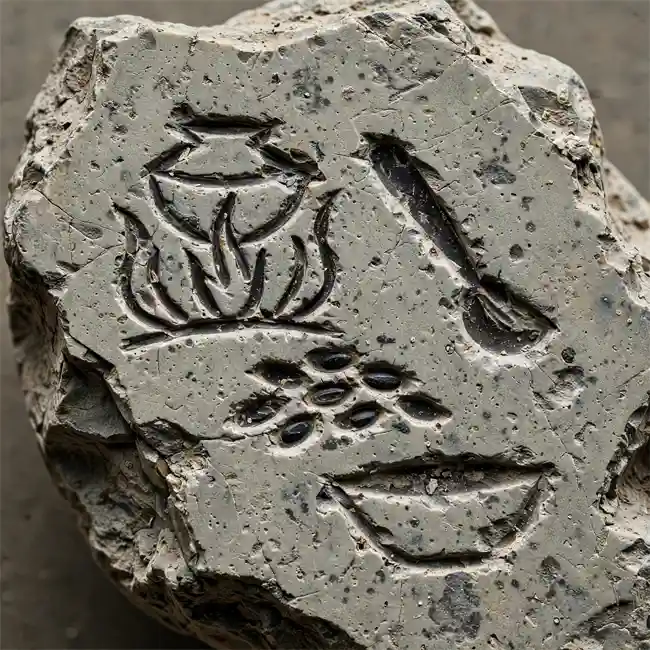
🍲 Recipe: Mohenjo-Daro Slow-Simmered Heritage Potage
📖 Legends Behind This Excavated Secret
Every ancient recipe begins with a mystery.
Unlike many later civilizations that carefully recorded elaborate banquets or palace feasts, the people of Mohenjo-Daro left behind no surviving cookbook. Their script remains one of archaeology's greatest unsolved puzzles, leaving modern historians to interpret everyday life through the objects they carefully buried beneath layers of earth over thousands of years.
Yet those silent artifacts speak volumes.
Archaeologists have uncovered clay cooking pots stained by repeated use, hand-carved grinding stones worn smooth by generations of families, storage jars once filled with precious grains, and traces of lentils, barley, wheat, sesame, mustard, herbs, and native plants preserved within ancient settlements. Together, these discoveries reveal a civilization whose kitchens celebrated nourishment, simplicity, and remarkable resourcefulness.
Among culinary historians, there is a romantic belief that slow-simmered grain soups and nourishing potages formed the heart of everyday dining throughout the Indus Valley. Such dishes required only a single clay vessel, a steady fire, and ingredients harvested from nearby fields. They fed farmers before sunrise, sustained merchants returning from distant trade routes, comforted elders during cooler evenings, and welcomed travelers with generous hospitality.
Although no inscription names this particular potage, its spirit is inspired by those archaeological clues.
Imagine a family courtyard nearly five thousand years ago.
A clay hearth glows softly beneath an earthen cooking pot.
Fresh barley has just been milled by hand.
Lentils have soaked since dawn.
Wild onions, garlic, and fragrant herbs wait nearby in woven baskets.
Children gather firewood while grandparents quietly stir the pot with carved wooden paddles, adding handfuls of seasonal vegetables collected from fertile riverbanks.
The meal simmers slowly for hours.
No clocks measure the cooking time.
Instead, patience becomes the recipe.
The aroma gradually fills the courtyard, drifting through narrow streets lined with sun-dried brick homes. Neighbors greet one another, exchanging stories, seeds, and harvest news while the evening meal quietly transforms from simple ingredients into something deeply comforting.
That scene may never be proven exactly as it happened.
Yet it remains beautifully consistent with everything archaeology has revealed about daily life in Mohenjo-Daro.
This recreated Heritage Potage is therefore not presented as an exact historical formula.
Rather, it is an archaeological interpretation—a respectful tribute inspired by excavated evidence, ancient agriculture, regional ingredients, and cooking methods believed to have been common throughout the Indus Valley civilization.
Preparing it today allows us to experience history in an unusually personal way.
Not through museum glass.
Not through textbooks.
But through the timeless act of sharing food around a warm table.
🌾 Ingredients & The Noble Pantry
Ancient kitchens did not rely upon long ingredient lists or rare luxuries. Instead, they celebrated harmony between the land, the seasons, and the people who cultivated them. Every ingredient earned its place because it was nourishing, practical, and deeply connected to the rhythms of nature.
The following pantry combines archaeological evidence from the Indus Valley with carefully selected modern ingredients that remain faithful to the region's ancient agricultural traditions.
🌱 The Ancestral Staples
Before gathering your ingredients, imagine walking through the bustling marketplace of Mohenjo-Daro.
Merchants display baskets overflowing with newly harvested barley. Farmers arrive carrying lentils dried beneath the warm sun. Fresh onions and garlic perfume the morning air, while fragrant herbs collected from nearby fields rest beside woven bundles of leafy greens.
Nothing appears extravagant.
Everything appears purposeful.
Every ingredient reflects a civilization that understood sustainability thousands of years before the concept had a name.
The soul of this Heritage Potage begins with wholesome grains that slowly release their natural richness during long cooking. Lentils provide satisfying texture and nourishing protein, while aromatic vegetables create a gentle sweetness without overpowering the delicate flavors of the broth.
Earthy spices add warmth rather than heat.
Fresh herbs brighten every spoonful.
Seasonal vegetables contribute subtle complexity, reminding us that ancient recipes naturally evolved with each harvest.
Above all, patience remains the most important ingredient.
Just as generations of Indus Valley families allowed clay pots to simmer gently over glowing embers, this recipe rewards slow cooking that coaxes every layer of flavor from the simplest pantry staples.
🌿 Modern Substitutes
Although some ancient plants are difficult to obtain today, modern home cooks can recreate the same comforting character using widely available ingredients without sacrificing the historical inspiration behind the recipe.
If whole barley is unavailable, you may use:
• Pearl barley for a slightly softer texture.
• Hulled barley for a more traditional whole-grain experience.
• Whole wheat berries for a pleasantly chewy alternative.
For the legumes:
• Brown lentils closely resemble ancient cooking traditions.
• Green lentils hold their shape beautifully during long simmering.
• Split yellow lentils create a smoother, creamier consistency.
• Red lentils may be used when a silkier potage is preferred.
Vegetables may be adjusted according to seasonal availability:
• Leeks may replace onions for a gentler sweetness.
• Shallots offer a delicate aromatic flavor.
• Turnips work wonderfully in place of parsnips.
• Carrots provide natural sweetness while remaining historically appropriate as a modern adaptation.
• Celery can add gentle herbal depth, even though it may not have appeared in every ancient kitchen.
Leafy greens can also vary with the seasons:
• Spinach
• Swiss chard
• Beet greens
• Young mustard greens
• Kale, finely chopped
Traditional herbs may be substituted with:
• Fresh coriander leaves
• Flat-leaf parsley
• Dill
• Fresh mint in very small amounts
• Fresh thyme for a subtle earthy aroma
For richness:
• Sesame seeds lightly toasted before serving.
• A drizzle of quality sesame oil just before serving.
• A spoonful of clarified butter if desired for additional depth.
Seasoning should remain intentionally simple.
Sea salt.
Freshly ground black pepper.
Ground cumin.
Ground coriander.
A small pinch of turmeric.
These familiar ingredients preserve the earthy personality of the original inspiration while making the recipe practical for today's kitchens around the world.
Remember, authenticity is not measured by perfection.
It is measured by respect.
Respect for history.
Respect for ingredients.
Respect for the generations who cooked with whatever the earth generously provided.
📏 Ancient Proportions
The following proportions are designed for approximately six generous servings while remaining faithful to the rustic spirit of ancient communal cooking.
• 1½ cups whole barley or pearl barley
• 1 cup brown or green lentils
• 2 tablespoons sesame seeds
• 2 medium onions, finely diced
• 4 cloves garlic, minced
• 2 medium carrots, diced
• 1 parsnip, diced
• 1 cup chopped turnip
• 2 cups chopped leafy greens
• 1 tablespoon ground coriander
• 2 teaspoons ground cumin
• ½ teaspoon ground turmeric
• 1 teaspoon freshly cracked black pepper
• 2 teaspoons sea salt, adjusted to taste
• 2 tablespoons sesame oil or clarified butter
• 8 cups vegetable stock or clean water
• 2 tablespoons chopped fresh coriander leaves
• 1 tablespoon chopped parsley
• Extra toasted sesame seeds for garnish
For an even heartier version inspired by communal harvest gatherings, you may also include:
• ½ cup cracked wheat
• ½ cup chickpeas that have been soaked overnight and cooked until tender
• A handful of fresh herbs added during the final few minutes of cooking
Ancient cooks rarely measured ingredients with precise tools. Instead, they relied upon observation, instinct, and generations of shared experience. A handful, a pinch, or a small clay scoop often served as the only measuring guide needed.
That tradition reminds us that cooking is both an art and a conversation between the cook and the ingredients.
Do not hesitate to adjust the texture according to your preference.
For a thicker heritage potage, allow additional simmering until the barley naturally releases more starch.
For a lighter broth, simply add another cup of warm stock while the pot continues to cook gently.
Most importantly, resist the temptation to rush.
The slow transformation of humble grains into a rich, comforting meal is precisely what has connected kitchens across five thousand years.
With every gentle stir, you are continuing a culinary tradition inspired by one of humanity's earliest great civilizations—one patient spoonful at a time.
🔥 The Chef's Ancient Ritual
Long before stainless-steel cookware and digital timers, the cooks of Mohenjo-Daro trusted three faithful companions: fire, clay, and patience.
A meal was never rushed. The slow dance between glowing embers and earthen vessels allowed every grain to soften naturally, every herb to release its fragrance, and every ingredient to become part of a harmonious whole. Cooking was woven into the rhythm of daily life rather than treated as a task to finish quickly.
As you prepare this Heritage Potage, imagine yourself stepping into one of those ancient courtyards nearly five thousand years ago.
The fire crackles gently.
Freshly ground barley waits in a woven basket.
The clay pot slowly warms above glowing embers.
Every movement is deliberate.
Every ingredient is welcomed with gratitude.
Rather than simply following instructions, think of this recipe as participating in an age-old ritual passed from one generation to the next.
Step 1 – Awaken the Hearth
Place a large heavy-bottomed pot or Dutch oven over medium-low heat.
Add the sesame oil or clarified butter and allow it to warm gently rather than smoke.
Add:
• Diced onions
• Garlic
Cook slowly for about 8–10 minutes, stirring occasionally until the vegetables become soft, fragrant, and lightly golden.
There is no need to hurry.
Ancient cooks understood that gentle heat builds deeper flavor than intense flames.
Step 2 – Honor the Harvest
Stir in:
• Ground coriander
• Ground cumin
• Turmeric
Allow the spices to toast for about one minute.
Their warm aroma should bloom naturally without burning.
Next, add:
• Carrots
• Turnips
• Parsnips
Cook another 5 minutes so the vegetables begin releasing their natural sweetness.
This stage represents the meeting of earth and fire—the foundation of nearly every ancient meal.
Step 3 – Welcome the Sacred Grains
Add the barley and lentils directly into the pot.
Stir carefully so every grain becomes lightly coated with the aromatic vegetables and spices.
Pour in the vegetable stock or clean water.
Increase the heat until a gentle simmer appears.
Avoid a vigorous boil.
Ancient clay vessels maintained steady, even temperatures that slowly transformed simple ingredients into nourishing comfort.
Reduce the heat to low, cover partially, and allow the potage to simmer quietly for approximately 75–90 minutes.
Stir every 15–20 minutes.
Watch as the barley gradually softens and naturally thickens the broth.
This slow transformation is the soul of the recipe.
Step 4 – Gather the Living Greens
During the final 10–15 minutes of cooking, stir in:
• Chopped leafy greens
• Fresh coriander
• Parsley
Taste the potage.
Adjust with sea salt and freshly cracked black pepper if needed.
Allow the herbs to remain vibrant rather than overcooking them.
Their freshness symbolizes the fertile fields surrounding the ancient Indus River.
Step 5 – Complete the Ancient Offering
Ladle the finished Heritage Potage into warm bowls.
Scatter toasted sesame seeds across the surface.
If desired, drizzle a small amount of sesame oil just before serving.
Enjoy with rustic flatbread, warm whole-grain bread, or simple roasted vegetables.
Pause for a moment before taking the first spoonful.
Imagine the countless families who may have shared similar meals beneath the evening sky of Mohenjo-Daro.
History is no longer distant.
It rests within your hands.
🏺 Secrets of the Ancestral Hearth
Even the simplest ancient recipes rewarded careful attention.
Generations of experience taught early cooks how to create extraordinary flavor from ordinary harvests. While modern kitchens provide convenient tools, these timeless principles remain just as valuable today.
🔸 Ancient Wisdom for Exceptional Flavor
• Always rinse barley and lentils thoroughly before cooking to remove excess starch and dust.
• Soaking barley for several hours shortens cooking time while creating a softer texture.
• Brown lentils hold their shape better than red lentils during long simmering.
• Toast sesame seeds separately before serving for a richer nutty aroma.
• Stir gently throughout cooking to prevent grains from settling at the bottom.
• Keep the simmer gentle rather than boiling rapidly.
• Add fresh herbs near the end to preserve their vibrant aroma.
• Allow the finished potage to rest for 10–15 minutes before serving so the flavors naturally deepen.
• The potage often tastes even better the following day as the ingredients continue blending together.
• Warm leftovers slowly over low heat instead of reheating quickly.
🔸 Common Mistakes to Avoid
• Using high heat throughout the cooking process.
• Adding leafy greens too early, causing them to lose color and freshness.
• Under-seasoning the broth before serving.
• Skipping the slow simmer that allows barley to release its natural creaminess.
• Forgetting to stir occasionally, which may cause sticking.
• Adding too many spices that overwhelm the gentle grain flavors.
• Serving immediately after cooking without allowing the potage to rest.
• Choosing instant grains instead of traditional whole grains whenever possible.
Ancient cooking reminds us that remarkable meals rarely depend upon expensive ingredients.
They depend upon patience, balance, and thoughtful preparation.
💬 Ancient Civilization Origins FAQ
Q1.Was this exact recipe discovered during archaeological excavations?
No.
No complete written recipe has survived from Mohenjo-Daro. This Heritage Potage is a historically inspired reconstruction created from archaeological discoveries, botanical evidence, ancient agricultural practices, and traditional cooking techniques associated with the Indus Valley civilization.
Q2.Why is slow simmering so important?
Ancient clay vessels distributed heat gradually and evenly.
Slow simmering softens whole grains naturally, develops richer flavor, and produces the comforting texture that defines traditional heritage potages.
Q3.Which ingredients are believed to have existed in the Indus Valley?
Archaeological evidence supports the cultivation or use of ingredients such as:
• Barley
• Wheat
• Lentils
• Sesame
• Garlic
• Onions
• Mustard
• Various leafy greens
• Regional herbs and spices
Modern vegetables included in this recipe are respectful adaptations that help contemporary cooks recreate similar flavors.
Q4.Can this recipe be prepared in a modern kitchen?
Absolutely.
Although inspired by a civilization nearly five thousand years old, the recipe has been carefully adapted using accessible ingredients and familiar cookware while preserving the spirit of ancient slow cooking.
🏛️ The Taste of Archeology
Some recipes satisfy hunger.
Others tell stories.
The Mohenjo-Daro Slow-Simmered Heritage Potage accomplishes both.
Its flavor is intentionally gentle rather than dramatic.
The barley provides a pleasantly hearty foundation.
Lentils contribute creamy richness without heaviness.
Sweet root vegetables slowly dissolve into the broth, while coriander, cumin, and sesame create subtle layers that unfold with every spoonful instead of competing for attention.
This is comfort food in its oldest form.
There are no extravagant sauces.
No unnecessary decoration.
No complicated techniques.
Only honest ingredients prepared with patience.
Perhaps that is why ancient recipes continue to fascinate modern cooks.
They remind us that extraordinary flavor does not always come from complexity.
Sometimes it emerges from restraint.
Every bowl invites us to imagine bustling marketplaces along the Indus River, farmers harvesting golden fields beneath the sun, potters shaping sturdy cooking vessels from river clay, and families gathering together after long days of work.
The archaeological remains of Mohenjo-Daro preserve walls, streets, wells, workshops, and homes.
This recipe attempts to preserve something equally precious:
The warmth of the meals that once brought those remarkable places to life.
Each spoonful becomes more than nourishment.
It becomes a bridge stretching across five thousand years of human history.
As the aroma rises from the bowl, it is easy to forget the centuries that separate today's kitchen from one of humanity's earliest cities.
For a brief moment, the distance disappears.
Only the fire, the grains, the shared table, and the timeless language of good food remain.
🌟 Final Thoughts: Bringing Antiquity to Your Modern Table
There is something deeply moving about preparing a meal inspired by a civilization that flourished five thousand years ago.
In a world where recipes can be searched in seconds and meals are often hurried between busy schedules, the Mohenjo-Daro Slow-Simmered Heritage Potage invites us to embrace a different pace. It reminds us that some of the greatest culinary traditions were never about extravagance. They were about transforming simple harvests into nourishing meals that brought families together.
Every spoonful reflects values that have stood the test of time:
• Respect for nature.
• Gratitude for seasonal harvests.
• Careful use of every ingredient.
• Patience over convenience.
• Community over excess.
These principles remain just as meaningful today as they were in the thriving streets of the Indus Valley.
Preparing this recipe is more than following cooking instructions. It is an opportunity to connect with one of humanity's earliest urban civilizations through the universal language of food. While the original cooks of Mohenjo-Daro could never have imagined today's kitchens, they would likely recognize the familiar comfort of a gently simmering pot shared among loved ones.
Do not worry about recreating history perfectly.
Archaeology continues to uncover new discoveries every year, and many questions about the Indus Valley civilization remain unanswered. Instead, approach this recipe with curiosity, appreciation, and a willingness to learn from the past.
Perhaps your potage becomes a little thicker than expected.
Perhaps you choose different seasonal greens.
Perhaps your favorite herbs vary from those imagined by historians.
That is perfectly natural.
Ancient cooking was never rigid. It evolved with every harvest, every family, and every generation. By adapting this recipe thoughtfully while honoring its archaeological inspiration, you become part of that same living tradition.
The true success of this Heritage Potage is not measured by perfect historical accuracy.
It is measured by the conversations it inspires around your table.
The stories it encourages.
The curiosity it awakens about the remarkable civilization of Mohenjo-Daro.
Most importantly, it reminds us that the simplest meals often leave the deepest memories.
May every bowl encourage you to slow down, appreciate the wisdom of ancient cultures, and discover that history is not confined to museums—it can also be shared, one comforting meal at a time.
🤝 The Golden Hook (The Sacred Union)
The world's oldest kitchens deserve to be remembered.
Across forgotten ruins, weathered clay vessels, and silent archaeological sites lie thousands of untold culinary stories waiting to be rediscovered. Every recreated heritage recipe helps preserve a small piece of humanity's shared history before it fades into the distant past.
By preparing ancient-inspired dishes in your own kitchen, you become more than a home cook.
You become a guardian of culinary heritage.
A storyteller who keeps forgotten traditions alive.
A bridge connecting modern families with civilizations that shaped our world thousands of years ago.
If this Mohenjo-Daro Heritage Potage has sparked your curiosity, let it be only the beginning of your journey.
Explore ancient grains.
Learn about early farming traditions.
Discover the remarkable food cultures of forgotten civilizations.
Share these stories with friends, family, students, and fellow history lovers.
Together, we can ensure that humanity's oldest recipes continue inspiring future generations.
Every shared meal strengthens that legacy.
Every recreated recipe protects another chapter of our global culinary heritage.
Every curious cook becomes part of The Sacred Union—a worldwide community celebrating the wisdom, resilience, and enduring flavors of ancient civilizations.
The fire that warmed the kitchens of Mohenjo-Daro may have gone out thousands of years ago.
But its spirit can continue burning in kitchens around the world today.
📜 Credit to the Keepers of the Culture (The Legacy)
This recipe is lovingly inspired by the archaeological discoveries, ancient agricultural evidence, botanical research, and cultural heritage of the Indus Valley Civilization, particularly the remarkable city of Mohenjo-Daro. While no complete written recipe has survived from this extraordinary civilization, historians and culinary researchers have carefully studied excavated pottery, preserved grains, ancient food residues, and regional farming traditions to better understand how early communities may have prepared their daily meals.
Our modern adaptation respectfully combines these archaeological insights with practical ingredients available in contemporary kitchens, allowing today's home cooks to experience the spirit of one of humanity's oldest urban civilizations while remaining faithful to its enduring values of simplicity, sustainability, and communal dining.
This Heritage Potage is not presented as an exact historical reconstruction, but as a heartfelt tribute to the anonymous farmers, millers, potters, merchants, and family cooks whose quiet wisdom nourished generations nearly five thousand years ago.
May their legacy continue to inspire curiosity, respect, and appreciation for the world's shared culinary heritage.
Legacy Statement
"This recipe is inspired by the archaeological discoveries, agricultural heritage, and ancient culinary traditions of the Indus Valley Civilization, especially Mohenjo-Daro. We have carefully adapted the ingredients and measurements for modern kitchens while preserving the humble spirit, historical authenticity, and enduring ancestral soul of one of humanity's earliest great civilizations."
| 🛕 🏛️🍲 < Back |