
🏠 Home > 🗺️ Recipes > 🍞 Breads > 🇰🇮 Kiribati Breads
🇰🇮 🍞 Kiribati Breads Recipes
Published by Supakorn | Updated: June 2026
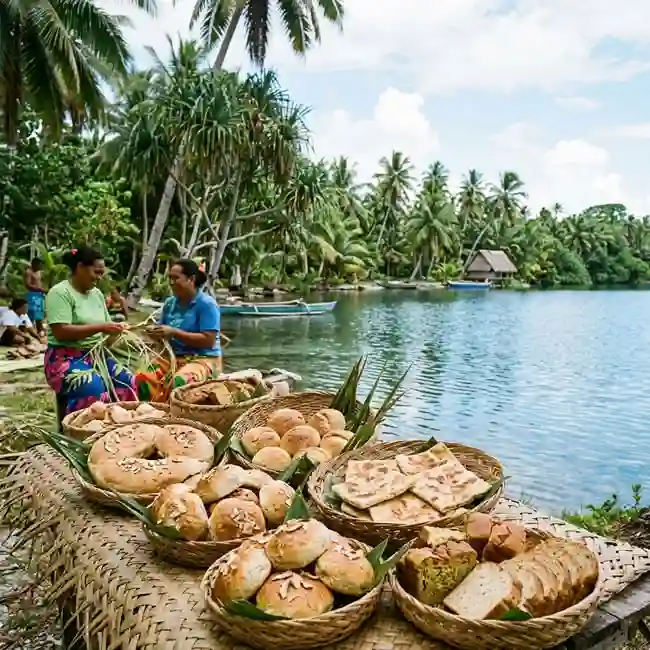
🇰🇮 🍞🥥 Why Kiribati Breads Tell the Story of the Islands
🗺️ Food Culture in Kiribati: Where Ocean Meets Oven
Let’s be real. When you think of Kiribati, you probably picture turquoise lagoons, outrigger canoes, and palm trees swaying for days. But here’s the secret that locals know: if you want to understand Kiribati, start with the bread.
Kiribati breads are not just side dishes. They are the heartbeat of every meal, every gathering, every lazy afternoon on Tarawa or quiet sunrise on Kiritimati. Because life here happens around food, and bread is the thing that ties it all together. It’s breakfast before fishing. It’s the snack kids grab after school. It’s what aunties wrap in banana leaves to take to the maneaba, the community meeting hall.
The cool part? Kiribati’s baking culture is a wild mix of survival, tradition, and island creativity. With limited soil and very few crops that thrive on coral atolls, I-Kiribati people became masters of using what the ocean and sky give them. Coconut, pandanus, breadfruit, and toddy from coconut palms. Those are the real MVPs. So the breads here taste like nothing you’ve had in a bakery back home. They’re smoky from coconut husk fires, subtly sweet from fresh toddy, chewy, dense, and full of soul.
And because most islands are remote, baking is still super communal. Families share earth ovens called koina. Neighbors trade loaves for fresh fish. Recipes pass from grandma to grandkids by doing, not by writing. That means every loaf has a story, and every bite connects you to generations of island life.
🏝️ Iconic Kiribati Breads You Must-Try on the Islands
If you walk into any I-Kiribati kitchen, you’re going to see some version of these legends. They’re not fancy sourdoughs or croissants. They’re humble, filling, and completely iconic to the Pacific.
◦ Te Bua: This is the superstar. Te bua is Kiribati’s traditional coconut bread made with fresh coconut cream and toddy. The toddy, or karewe, is sap from the coconut flower. It naturally ferments a little and gives the bread a slight tang and rise. The result is a dense, moist loaf that’s sweet without sugar. Locals eat it warm with fish stew, or just tear off chunks with tea in the morning. It smells like toasted coconut and home.
◦ Te Karababa: Think of this as the ultimate survival bread. It’s made from dried pandanus fruit paste called te tuae. Pandanus trees are everywhere in Kiribati, and the fruit is boiled, pounded, and sun dried into thick fruit leather. When mixed into dough, it gives the bread a chewy texture and caramel-like sweetness. Sailors used to take te karababa on voyages because it lasts for weeks. One bite and you get why it’s a must-try.
◦ Breadfruit Loaf: Breadfruit is a gift in Kiribati. When it’s in season, families roast it over open fire, mash it, and mix it into dough. The bread comes out soft, slightly nutty, and perfect for soaking up coconut curry. It’s seasonal, so if you visit during harvest, you’re lucky.
◦ Kamaimai Bread: This one is for the sweet tooth crowd. Kamaimai is a syrup made by boiling toddy until it thickens into a rich, molasses-like syrup. When baked into bread, it creates a dark, sticky loaf that tastes like coconut caramel. Kids go crazy for it, and honestly, so do adults.
◦ Flour and Coconut Twist: After outside influences arrived, wheat flour became part of island baking. But I-Kiribati cooks made it their own. They mix flour with fresh grated coconut and coconut milk, then bake it in banana leaves. It’s simple, filling, and you’ll find it at every school fundraiser or church gathering.
The common thread? Coconut is king. Fresh, dried, cream, oil, sap. If it comes from a coconut palm, it’s probably in the bread.
🍽️ How I-Kiribati People Eat: Daily Life Around Bread
Eating in Kiribati isn’t rushed. It’s social, practical, and tied to the tides. Bread shows up in every part of the day, and the way people eat tells you a lot about island life.
Morning starts early. Fishermen head out before sunrise, and they need food that lasts. That’s where te bua comes in. Dense and filling, it keeps you going for hours on the water. Pair it with hot tea or leftover fish from dinner and you’re set. No toasters here. Bread is often reheated over the fire or eaten at room temp.
Lunch is flexible. If people are home, bread is torn by hand and used to scoop up ika, raw fish marinated in coconut and lime, or boiled breadfruit. Forks are optional. Sharing is the norm. You’ll see one big platter in the middle and everyone digs in. Bread isn’t a side. It’s the edible spoon.
Afternoon is snack time, especially for kids coming home from school. Kamaimai bread or a slice of te karababa with fresh coconut water is the after-school combo. It’s sweet, energy-packed, and way better than packaged snacks that have to be shipped in.
Dinner is when families gather. If there’s a koina, or earth oven, running that day, you better believe bread is involved. Dough wrapped in banana leaves gets buried with hot stones alongside fish, pork, or taro. After a few hours, everything comes out smoky and infused with leaf flavor. That’s the best bread you’ll ever taste. Period.
And celebrations? Bread levels up. For weddings, church events, or Independence Day, families make huge batches of te bua and kamaimai bread. They’re gifted, traded, and piled high on tables. In Kiribati, giving bread is like saying I care about you. It’s hospitality you can eat.
🛶🌊 Breads and Place: How Geography Shapes What’s Baking
Kiribati is not one island. It’s 33 atolls and reef islands spread across 3.5 million square kilometers of ocean. That’s bigger than India. But the total land area is tiny. That geography changes everything about food.
Because the soil is sandy and salty, you can’t just grow wheat or potatoes. So traditional breads rely on tree crops that love coral atolls: coconut, pandanus, and breadfruit. On islands like Abaiang or Butaritari where rainfall is higher, breadfruit loaves are more common. On drier atolls in the south, te karababa made from preserved pandanus is the go-to because it stores well.
Traveling in Kiribati? You’ll notice bread connects to tourism too, even if it’s low-key. On South Tarawa, small roadside stalls sell fresh te bua in the morning for workers heading to Betio. On Kiritimati, known for fishing and birdwatching, guesthouses bake coconut bread for guests because it pairs perfectly with lagoon-caught tuna.
And if you’re lucky enough to get invited to a village on the outer islands, bread is your entry point. Visitors are often welcomed with warm loaves and fresh toddy syrup. You sit in a maneaba, share food, and suddenly you’re not a tourist anymore. You’re part of the community. That’s the power of bread here. It’s not just carbs. It’s culture.
Even the method of cooking tells a story. Many families still use half-cut drums or coconut husks as fuel because imported gas is expensive. That smoky flavor in the crust? That’s Kiribati. You can’t replicate it in an electric oven.
🌺💡 Beyond the Loaf: What Makes Kiribati Bread Culture Unique
Here’s what I love most about Kiribati breads. They’re resourceful. Nothing is wasted. Leftover toddy becomes kamaimai. Grated coconut from making milk goes into dough. Even banana leaves used to wrap bread get reused to start the next fire.
It’s also incredibly adaptable. When flour and yeast arrived through trade, locals didn’t replace te bua. They added to it. Now you’ll find yeast-leavened coconut buns sold next to traditional toddy bread. Young bakers in Bairiki are even experimenting with pumpkin or papaya in dough when in season. Tradition here isn’t frozen. It evolves.
And the best part? Bread is still about people. In a world of rushed meals and delivery apps, Kiribati reminds you to slow down. You wait for the koina to heat. You chat while the dough proofs. You break bread literally with neighbors.
So if you ever make it to Kiribati, skip the fancy restaurant. Find the aunty selling loaves by the road. Ask about her te bua. Watch her smile when she hands you a warm piece wrapped in a leaf. That’s the real Kiribati.
And if you can’t travel yet? Learning about these breads is the next best thing. Because every loaf carries the taste of the Pacific, the ingenuity of atoll life, and the kind of hospitality that doesn’t need a translation.
🥥🔥 The Future of Kiribati Breads: Keeping Tradition Alive
Climate change is real for Kiribati. Rising seas and changing weather affect coconut and breadfruit harvests. Younger generations move to South Tarawa or overseas for work. So there’s a worry that traditional bread making could fade.
But here’s the hopeful bit. Community groups and women’s collectives are teaching youth how to tap toddy, make te tuae, and run a koina. Schools on some islands have cultural days where kids bake te bua. On social media, I-Kiribati abroad share videos of their coconut bread to stay connected to home.
Tourism that respects culture helps too. When visitors show interest in authentic food, it gives locals more reason to keep these recipes alive. So by reading this, by caring about Kiribati breads, you’re already part of that story.
Because at the end of the day, Kiribati breads are more than food. They’re resilience, community, and joy baked into every bite. And trust me, once you’ve tried them, regular sliced bread just feels a little boring.
👋 Frequently Asked Questions About Kiribati Breads
Q1.What is the most popular bread in Kiribati?
The most iconic bread is te bua, a traditional coconut bread made with fresh coconut cream and toddy from the coconut palm. It’s dense, slightly sweet, and eaten daily across Kiribati. Locals love it for breakfast or with fish dishes.
Q2.Is Kiribati bread gluten free?
Traditional breads like te bua, te karababa, and breadfruit loaf are often naturally gluten free because they use coconut, pandanus, or breadfruit instead of wheat flour. However, modern versions sometimes mix in wheat flour, so always ask if you need to avoid gluten.
Q3.What gives Kiribati bread its unique flavor?
The secret is toddy, or karewe, which is fresh sap from coconut flowers. It ferments slightly and works like natural yeast, giving bread a subtle tang and helping it rise. Combined with coconut cream and cooking over coconut husk fires, it creates that signature smoky, sweet island taste.
Q4.Can tourists try authentic Kiribati breads?
Yes! The best places are local markets on South Tarawa, village stalls on outer islands, or community events in a maneaba. Guesthouses on Kiritimati often serve fresh coconut bread to visitors. Just ask politely, and most families are happy to share a taste of their culture.
🍞 3 Must-Try I-Kiribati Breads You Can Make Crispy in 15 Minutes Flat
👉 Grab 3 I-Kiribati 15-Minute Bread Recipes
| 🌐 🍞 < Back | 🇰🇮 🥗 < Previous | Next > 🍱 🇰🇮 |