
🏠 Home > 🗺️ Recipes > 🥗 Salads > 🇰🇮 Kiribati Salads
🇰🇮 🥗 Kiribati Salads Recipes
Published by Supakorn | Updated: June 2026
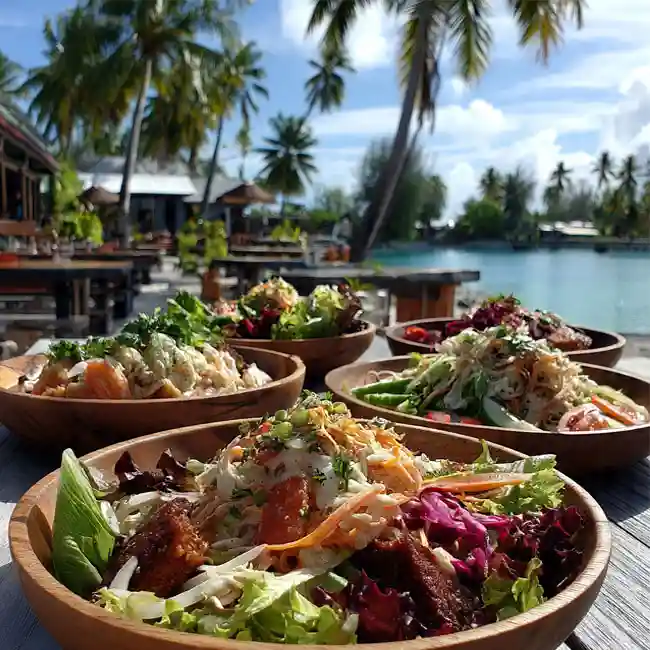
Imagine sitting on a powdery white sand beach, looking out at an endless horizon of neon-turquoise water. The tropical sun is warm on your skin, a gentle ocean breeze is rustling the coconut palms above you, and in front of you sits a bowl of the freshest, most vibrant seafood salad you have ever laid eyes on. Welcome to the food world of Kiribati!
When most people think of salads, they picture leafy greens, garden tomatoes, and heavy bottled dressings. But out in the remote heart of Micronesia, the nation of Kiribati (pronounced Kirree-bass) completely redefines what a salad can be. Here, the ocean is the garden, and the coconut palm is the tree of life. Kiribati salads are a beautiful, masterfully simple celebration of survival, history, and natural abundance.
In this deep-dive exploration, we are going to look at the fascinating culinary culture behind Kiribati salads, check out the most iconic dishes you absolutely have to know about, dive into the unique island lifestyle, and see how this incredible food ties directly into a dreamer's travel itinerary. Get ready to discover a refreshing side of Pacific island dining that you won't find anywhere else!
🇰🇮 🌴🥗 Introduction to Kiribati Culinary Culture: Living from Ocean to Palm
To truly understand why Kiribati salads taste so remarkably unique, you first have to understand the land and the sea that shape them. Kiribati is an island nation made up of 32 atolls (ring-shaped coral reefs) and one raised coral island spread across an unbelievable 3.5 million square kilometers of the Pacific Ocean. Because these islands are coral atolls, the soil is very thin, highly alkaline, and sandy. Classic western vegetables like lettuce, spinach, and cucumbers do not grow easily here.
Instead of looking at the ground for food, the people of Kiribati—the I-Kiribati—have spent thousands of years looking to the vast blue ocean and the incredibly resilient coconut trees. This geographic reality created a food culture that is exceptionally clean, minimalist, and intensely focused on freshness.
• The Master of All Trades: The coconut palm is absolutely central to every single meal in Kiribati. From the crisp, sweet meat of the young coconut to the rich, creamy milk squeezed from mature coconut flesh, this single plant provides the liquid base, the fat, the texture, and the natural sweetness that balances the salinity of the ocean.
• The World's Best Seafood: Because the deep ocean and shallow lagoons are right outside everyone’s doorstep, seafood isn't a luxury item—it is the absolute baseline of daily life. Fish like yellowfin tuna, reef fish, and flying fish are caught daily and often prepared within minutes of leaving the water.
• The Beauty of Simplicity: Traditional Kiribati cooking doesn't rely on massive spice racks or complicated culinary techniques. The goal of an I-Kiribati chef is to let the natural sweetness of raw fish, the richness of coconut, and the bright punch of local citrus shine through completely unhindered.
• Sustainably Sourced by Nature: Food preservation and absolute respect for natural resources are built into the cultural DNA. Nothing is wasted, and ingredients are used when they are at their absolute peak of seasonal readiness.
🐟 🍋 Iconic Kiribati Salads: The Most Celebrated Dishes of the Atolls
While you won't find a classic Caesar or a garden salad on a traditional menu, Kiribati boasts several spectacular, refreshing dishes that perfectly fit the definition of an island salad. These dishes rely on gentle natural acids, fresh textures, and rich dressings made straight from nature.
• Te Moimoto (The Ultimate Young Coconut Salad): This is perhaps one of the most uniquely refreshing salads in the entire Pacific. Moimoto is the local word for a green, young coconut. To create this dish, the delicate, spoon-tender jelly meat from the inside of the young coconut is scooped out in thin ribbons. It is tossed gently with super-fine slivers of red onion, local sea salt, and a splash of fresh lime juice. The result is a texturally fascinating salad that is simultaneously sweet, savory, creamy, and crisp.
• Te Ika ni Kiribati (Traditional Raw Fish Salad): This is the undisputed king of the Kiribati dinner table. Similar to a Hawaiian Poke or a Fijian Kokoda, this dish takes ultra-fresh, cubed raw fish (usually gleaming yellowfin tuna or firm reef fish) and bathes it beautifully in rich, freshly squeezed coconut milk, sharp lime juice, chopped sea-island onions, and sometimes finely sliced hot peppers or locally grown pumpkin for color. The lime juice lightly cures the fish while the coconut milk creates a luscious, velvety dressing.
• Te Inai Salad (Marinated Reef Fish Delight): Inai refers to specific types of local reef fish that are highly prized for their firm texture and sweet flavor profile. For this preparation, the fish is thinly sliced into delicate ribbons, quick-marinated in pure lime juice until the flesh turns a beautiful opaque white, and then tossed lightly with shaved coconut flakes and wild beach greens. It is incredibly bright and cleanses the palate instantly.
• Seaweed and Atoll Earth Salad: In certain parts of the islands, particularly during specific low-tide cycles, local edible seaweeds are harvested directly from the clean coral flats. These seaweeds provide a wonderful, snappy texture and a briny pop. They are carefully rinsed in fresh water, combined with shredded cabbage or grated taro leaf where available, and dressed with a simple reduction of sweet coconut sap.
🏡 🌊 The Island Way of Life: Dining, Community, and Connection
In Kiribati, food is never just about nutrition. Eating is a deeply social, spiritual, and communal event that connects families, honors guests, and keeps ancient traditions alive in the modern world. The way people eat is just as beautiful as the food itself.
• The Magic of the Maneaba: The Maneaba is the traditional, open-air community meeting house, and it is the beating heart of I-Kiribati social life. Massive feasts are held here for weddings, returns, and cultural celebrations. Food, including huge communal bowls of raw fish salads, is shared generously among everyone, laid out on beautiful woven mats made of pandanus leaves.
• Eating with Your Hands: To truly experience Kiribati food culture, you have to ditch the forks and spoons. Eating traditional salads and fish dishes with your fingers is standard practice. It creates a deeply tactile connection to the meal and is a sign of respect for the natural state of the food.
• The Art of Slow Living: There is no such thing as a "fast food" culture here. Preparing a meal involves climbing a tree for fresh coconuts, casting a net into the lagoon, and sitting together as a family to grate coconut shell by shell. The long preparation time is filled with storytelling, laughter, and community bonding.
• Flavors Shared with Strangers: Hospitality in Kiribati is legendary. If you walk past a home or a gathering where food is being served, it is highly customary for locals to enthusiastically shout "Mauri!" (Welcome/Hello) and invite you to sit down, share their freshly made salads, and join the conversation.
✈️ 🗺️ Culinary Tourism: Where to Experience Authentic Kiribati Cuisine
If you are a food lover who travels to find hidden culinary gems, Kiribati is the ultimate frontier. Because it remains beautifully untouched by mass commercial tourism, finding these salads requires a bit of adventure and a willingness to live like a local.
• South Tarawa Markets: Tarawa is the bustling hub of the nation. Exploring the local roadside stalls and small open-air fish markets in South Tarawa is the best way to see the daily catch come in. Here, local vendors sell containers of freshly prepared Te Ika ni Kiribati chilled on blocks of ice, ready to be enjoyed on the go.
• The Pristine Outer Islands: For a genuinely untamed experience, heading to the outer islands like Abemama or the North Tarawa atolls is a must. Here, you can stay in traditional eco-lodges right on the water, where your hosts will happily take you out lagoon fishing and show you exactly how to harvest young coconut meat to make a flawless Te Moimoto right on the beach.
• Kiritimati (Christmas Island): As the largest coral atoll in the world by land area, Kiritimati is a world-renowned destination for fly-fishing and marine exploration. The seafood here is legendary. Lodges on the island regularly serve spectacular, giant portions of locally caught lobster, mantis shrimp, and tuna salads dressed with incredibly rich, fresh coconut cream.
• Guesthouse Immersive Dinners: Because traditional restaurants are rare outside of the main urban centers, the absolute best food experiences happen within local guesthouses. Dining here allows travelers to see the step-by-step traditional grating and squeezing process that makes Pacific salads so wonderfully vibrant.
🍃 ✨ Health Benefits: The Original Pure Atoll Diet
Long before "clean eating" became a massive global wellness trend, the people of Kiribati were living it every single day out of pure necessity. Because traditional Kiribati salads skip processed vegetable oils, heavy dairy, and refined sugars, they are absolute powerhouses of pure, clean nutrition.
• Packed with Omega-3 Fatty Acids: The massive reliance on fresh, deep-sea fish like tuna means that these salads are loaded with high-quality protein and healthy essential fats that support heart health and brain function.
• The Miraculous Coconut Fats: Coconut milk and coconut meat contain Medium-Chain Triglycerides (MCTs). These unique healthy fats are easily metabolized by the body, providing a quick, clean source of physical energy without the heavy sluggishness that comes from processed fats.
• Naturally Gluten-Free and Dairy-Free: By utilizing pure lime juice, ocean water, and coconut milk as dressings, Kiribati salads are inherently friendly for people dealing with gluten sensitivities or lactose intolerance.
• Hydration from the Inside Out: In a hot, tropical climate, dishes like Te Moimoto provide essential natural electrolytes and fluids directly from the young coconut jelly, helping the body stay perfectly balanced under the equatorial sun.
🙋♂️ FAQ: Frequently Asked Questions About Kiribati Salads
Q1: What is the main source of acidity used to 'cook' or marinate the fish in Kiribati salads?
A: Freshly squeezed lime juice is the primary acid used across the islands. Because citrus trees grow well in the sandy atoll backyards, limes provide the perfect clean, bright punch needed to safely marinate raw fish and cut through the richness of heavy coconut cream.
Q2: Can I use frozen fish if I want to recreate a Kiribati-style salad at home?
A: While nothing compares to the fresh lagoon catches of the Pacific, you can absolutely use high-quality, sushi-grade frozen tuna or firm white fish at home. Just ensure it is thawed completely in the refrigerator and patted totally dry before tossing it with your coconut and citrus dressings!
Q3: Are there any vegetarian options when it comes to traditional Kiribati salads?
A: Yes! Te Moimoto, the young coconut jelly salad, is completely vegetarian and incredibly delicious. It uses the tender, meat-like texture of young coconut as a direct stand-in for seafood, making it an awesome option for plant-based foodies looking for tropical flavors.
Q4: How long can Kiribati raw fish salads be stored after they are prepared?
A: Because these salads rely on fresh raw seafood and unpasteurized coconut milk, they are meant to be eaten immediately after preparation. The lime juice will continue to cure and harden the fish over time, so it is highly recommended to enjoy them within a few hours of making them for the best texture and flavor.
🥗 Taste the Pacific: 3 Vibrant Kiribati-Inspired Salads for Busy Weekdays
👉 Discover 3 Secret I-Kiribati Weeknight Salads
| 🌐 🥗 < Back | 🇰🇮 🍲 < Previous | Next > 🍞 🇰🇮 |