
🏠 Home > 🗺️ Recipes > 🍱 Snacks > 🇧🇴 Bolivia Snacks
🇧🇴 🍱 Bolivia Snacks Recipes
Published by Supakorn | Updated: May 2026
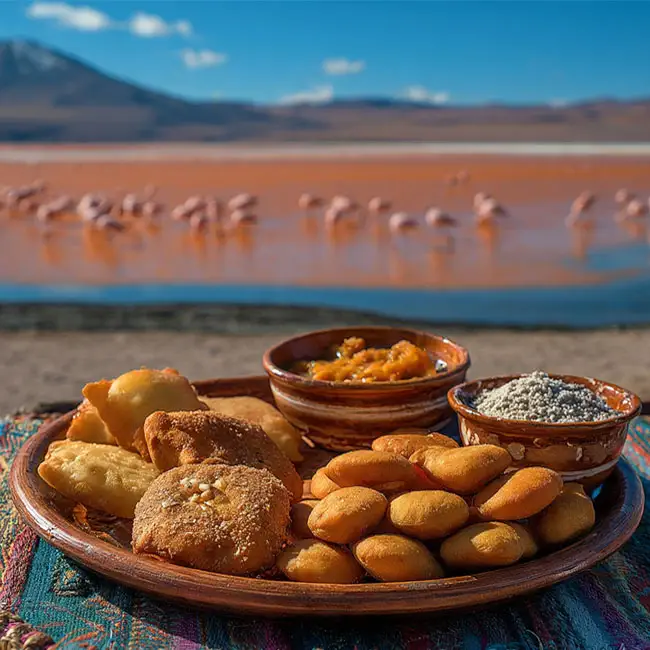
🇧🇴 🍡 Introduction to Bolivian Food Culture: A Feast in the Clouds
When you think about South American gastronomy, your mind might instantly drift toward the sizzling steakhouses of Argentina or the citrusy, fresh ceviche coastal vibes of Peru. But if you lift your eyes a little higher—literally, up into the snow-capped peaks of the Andes and down into the lush, sweeping basins of the Amazon—you will find an absolute hidden gem of a culinary paradise. Welcome to Bolivia, a country where the food is just as dramatic, diverse, and breathtaking as its landscapes.
Bolivian snack culture is not just about grabbing a quick bite to eat because your stomach is growling. It is an authentic, deeply ingrained social ritual, a daily celebration of community, and a fascinating living history book served on a plate or wrapped in a corn husk. To truly understand Bolivia, you have to understand how its people eat. The food culture here is a beautifully complex tapestry woven from two completely different worlds: ancient indigenous traditions that have stood the test of time for thousands of years, and the historic culinary influences brought over by Spanish settlers centuries ago.
When these two distinct worlds collided in the high-altitude air of the Andes, something magical happened. They created a unique food identity that relies heavily on native, incredibly wholesome ingredients. We are talking about thousands of unique varieties of potatoes, nutrient-dense ancient grains like quinoa and amaranth, vibrant and fiery native chili peppers like the beloved locoto, and deeply comforting, slow-cooked meats.
But what truly sets Bolivian snacks apart from the rest of the world is the sheer heart and soul poured into them. This is comfort food in its purest, most authentic form. It is food designed to keep you warm during those biting, freezing Altiplano nights, and food designed to give you bursts of pure, clean energy as you navigate the steep, winding, cobblestone streets of La Paz or Sucre. The flavors are never shy; they are bold, deeply savory, richly textured, and always served with a side of genuine warmth. Every single bite tells a story of survival, celebration, adaptation, and immense cultural pride.
😋 🥟 The Ultimate Must-Try Bolivia Snacks: Iconic Flavors You Can't Miss
If you ever find yourself wandering through a bustling local market in Bolivia, surrounded by a symphony of shouting street vendors, colorful textiles, and intoxicating aromas, your senses might feel completely overwhelmed. To help you navigate this breathtaking wonderland of street food, let's break down the most iconic, irresistible, and absolutely non-negotiable Bolivia snacks you need to look out for. These are the legendary bites that define the culinary landscape of the country.
🥟 汁 Salteñas: The Undisputed King of Bolivian Street Food
• What it is: You absolutely cannot talk about Bolivia snacks without bowing down to the legendary salteña. At first glance, you might think it is just a regular empanada, but oh boy, you would be completely wrong. The salteña is a true engineering marvel of the baking world. It features a thick, beautifully braided, golden-yellow pastry crust that is slightly sweet to the taste. But the real magic lies hidden deep inside: a rich, deeply savory, piping-hot stew filled with tender chicken or beef, sweet peas, diced potatoes, olives, hard-boiled eggs, and a complex blend of native spices.
• The eating technique: Eating a salteña is an art form, a hilarious rite of passage, and a true test of manual dexterity for any traveler. Because the inside is literally filled with liquid soup, if you dare to just bite into it carelessly like a sandwich, you will instantly explode hot gravy all over your shirt, your shoes, and your pride. The authentic local technique is to hold the salteña completely upright, gently nibble off one of the top corners to create a small opening, and then carefully sip the rich, delicious broth out of the pastry shell first. Once you have drank the soup, you can go ahead and enjoy the incredibly flavorful filling and the sweet, buttery dough. It is a messy, beautiful, and profoundly rewarding experience.
🧀 🥖 Cuñapé: The Cheesy, Pillowy Heaven of the Lowlands
• What it is: Moving away from the heavy, meaty stews of the high mountains, let’s drop down into the warm, tropical lowlands of Santa Cruz to discover cuñapé. If you are a fan of cheese bread, this is going to be your absolute new obsession. These are small, round, wonderfully golden bread balls made from a combination of cassava starch (yucca flour) and a massive amount of rich, salty, unpasteurized local cheese.
• The texture experience: What makes cuñapé so incredibly addictive is its mind-blowing texture contrast. The cassava starch gives the bread a uniquely chewy, almost elastic, and incredibly pillowy interior, while the outside bakes up into a delightfully crispy, golden-brown crust. They are naturally gluten-free, intensely cheesy, and possess a magical quality that makes it completely impossible to eat just one. They are the ultimate comfort snack to pick up in bags of five or ten while walking through the city.
🌽 🍃 Humintas: The Ancient Soul of the Andes
• What it is: Humintas are a beautiful, deeply comforting nod to Bolivia’s ancient pre-Columbian agricultural roots. Similar to a Mexican tamale but with a completely distinct flavor profile and texture, humintas are made from freshly ground sweet corn that is mixed with local cheese, a touch of sugar, anise seed, and sometimes a hint of raisins. This rich, fragrant corn paste is then carefully wrapped inside actual corn husks (chalas) and either boiled to a delicate, pudding-like consistency or baked in an oven until the edges get beautifully charred and caramelized.
• The flavor profile: Unlike many savory street foods, humintas lean beautifully into a subtle, delicate sweetness. The aroma of the steaming corn combined with the aromatic punch of the anise seed and the gooey, salty melted cheese creates a flavor profile that feels deeply nostalgic and grounding. It is a snack that has been enjoyed across the Andean highlands for thousands of years, linking modern Bolivians directly back to their Incan ancestors.
🥔 🍳 Ranga Ranga: The Bold and Spicy Market Classic
• What it is: For the truly adventurous foodies who want to eat exactly like the locals do in the heart of the traditional markets, ranga ranga is an absolute must-try. This is a deeply traditional, intensely flavorful Bolivian snack-turned-light-meal made from finely chopped beef tripe (stomach lining). The tripe is slow-cooked for hours until it becomes incredibly tender, and then it is simmered in a vibrant, fiery, bright yellow sauce made from yellow chili peppers (ají amarillo), onions, garlic, and cumin.
• How it's served: Ranga ranga is traditionally ladled up hot into small bowls and served over a bed of boiled yellow potatoes or chuño (traditional freeze-dried potatoes). It is topped with a fresh, crisp garnish of diced onions and tomatoes. The combination of the tender, spongy texture of the tripe absorbing that spicy, aromatic chili sauce is absolutely incredible. It is a bold, unapologetic dish that showcases the brilliant Bolivian philosophy of using every single part of the animal to create deep, soulful flavor.
🥪 🐖 Sándwich de Chola: The Legendary Urban Street Sandwich
• What it is: If you find yourself exploring the vibrant urban parks or busy transit hubs of La Paz, you will inevitably run into the iconic Sándwich de Chola. This legendary street sandwich gets its unique name from the Cholitas—the indigenous Aymara and Quechua women proudly wearing traditional bowler hats and layered polleras skirts—who have lovingly prepared and sold this snack for generations.
• The anatomy of the sandwich: This is the absolute ultimate pork sandwich. It starts with a crusty, fluffy round bread roll called pan de batalla. The vendor will slice it open and pile it incredibly high with thick, juicy, slow-roasted leg of pork that has been marinated in a blend of garlic, cumin, and citrus. Next comes the crown jewel: a piece of intensely crispy, crunchy pork crackling (cuero). The whole masterpiece is finished off with a quick scoop of pickled onions and carrots, and a generous drizzle of spicy green locoto chili sauce. It is a massive, savory, crunchy, and dripping-with-juice masterpiece of urban street food.
🌽 🥟 Pasteles de Queso: The Crispy, Airy Giant
• What it is: Walking through a Bolivian street market in the morning, you will often see people tearing into giant, puffed-up, golden pastry sheets that look like crispy pillows. These are pasteles de quesos (fried cheese pastries). Do not let their massive size fool you; they are incredibly light. A thin layer of dough wrapped around a small pocket of salty cheese is dropped into boiling oil, causing the entire pastry to dramatically puff up with air, creating a spectacularly crispy, blistered crust.
• The sweet and savory twist: What makes the pastel de queso so unique is the way it is served. As soon as it comes out of the hot oil, the vendor will dust the entire golden surface with a very generous layer of powdered icing sugar. The combination of the hot, ultra-crispy dough, the salty melted cheese inside, and the sweet powdered sugar on top creates a mind-blowing sweet-and-savory flavor profile that pairs beautifully with a warm morning drink.
🕒 🏙️ Daily Life and Eating Habits: Navigating the Bolivian Snack Timeline
To eat like a true Bolivian, you have to understand that time is not just measured by a clock—it is measured by what snack is currently being served on the street corners. The people of Bolivia have beautifully structured their entire day around specific culinary pauses that bring family, friends, and coworkers together. Let's look at how the daily rhythm of life dictates the snacking habits of this beautiful nation.
• The Mid-Morning Ritual (El Recreo / Las Salteñas): Around 10:00 AM every single day, the entire country of Bolivia grindingly halts for a sacred cultural event known as the salteña hour. Offices take breaks, students pour out of classrooms, and streets fill up as everyone heads to their favorite salteñería or street cart. This mid-morning snack is a critical social bridge designed to fuel people up and carry them through the long hours before the traditional heavy, multi-course lunch. By 1:00 PM, the salteñas are completely sold out across the country, and the vendors pack up their carts. If you want one, you have to wake up and join the local morning rush!
• The Sacred Afternoon Tea (La Hora del Té): Around 4:00 PM to 5:00 PM, as the high-altitude mountain air begins to take on a sharp, icy chill, the country pauses once again for afternoon tea. This is when the streets transform into a haven for warm, comforting, carb-heavy delights. Locals gather around street stalls or cozy cafes to enjoy freshly baked cuñapé, steaming hot humintas pulled straight from their corn husks, or crispy pasteles de queso dusted with powdered sugar. It is a slow, beautiful time of day meant for quiet conversation, people-watching, and escaping the mountain cold.
• Late-Night Market Cravings: Long after the sun goes down, the energy shifts to the vibrant night markets. This is when workers heading home, students, and night owls gather around steaming metal cauldrons under the glow of bare lightbulbs. Late-night snacking in Bolivia is all about deep, intensely savory comfort. Bowls of spicy ranga ranga, grilled skewered meats, and hearty urban sandwiches are consumed right there on plastic stools on the sidewalk. It is a communal, warm, and lively experience that proves food is the ultimate social glue in Bolivian society.
🗺️ 🏔️ Geography, Travel, and Food Origins: Snacking Across Diverse Terrains
One of the most fascinating aspects of Bolivia is its extreme, mind-boggling geographical diversity. In a matter of hours, you can travel from freezing, windswept mountain peaks at 13,000 feet above sea level down into sweeping, humid, tropical Amazonian rainforests. Because the geography changes so dramatically, the snacks change completely with it. Every region uses its unique climate and native agricultural bounty to create a distinct local food identity.
• The High-Altitude Altiplano (La Paz, Oruro, Potosí): Up in the towering Andes, life is defined by extreme altitude and freezing temperatures. The snacks here are intentionally heavy, rich in carbohydrates, deeply spiced, and packed with meat to help the body generate heat and combat altitude sickness. This is the birthplace of the ultra-savory sándwich de chola and spicy tripe stews like ranga ranga. The earth here produces thousands of varieties of native potatoes and hardy grains, which form the dense, comforting foundation of almost every single local bite.
• The Fertile Central Valleys (Cochabamba, Sucre): Dropping down into the lush, temperate middle valleys, you enter Cochabamba—proudly known throughout South America as the absolute gastronomic capital of Bolivia. The climate here is beautifully mild and Mediterranean, allowing for an absolute explosion of agriculture. The snacks in this region are incredibly fresh, vibrant, and famously massive in portion size. The valleys are the heartland of sweet corn production, making it the premier destination to experience authentic, deeply sweet, and fragrant humintas. The food here is a proud, passionate celebration of abundance and culinary creativity.
• The Tropical Lowlands (Santa Cruz, Beni, Pando): As you cross over into the eastern lowlands, the rugged mountains completely vanish, replaced by flat, sweeping savannas, cattle ranches, and humid Amazonian jungles. The culinary philosophy shifts instantly. Heavy stews are replaced by lighter, sun-drenched ingredients like cassava (yucca), plantains, and rich local cheeses. This tropical paradise is the undisputed home of the cuñapé. Snacking here is a laid-back, breezy experience, usually enjoyed outdoors under the shade of a tree while watching the tropical world go by.
💡 🧠 Fun Trivia & Insider Secrets: Elevate Your Bolivian Food IQ
To wrap up our incredible journey through the world of Bolivia snacks, let's look at some fascinating, lesser-known insider secrets and fun trivia facts. These golden nuggets of culinary knowledge will instantly transform you from a standard tourist into a deeply respectful, highly knowledgeable culinary insider.
• The Story Behind the Sweetness of Salteñas: Have you ever wondered why the savory meat broth inside a salteña has a distinctly sweet undertone? The historical legend credits a woman named Juana Manuela Gorriti, who was exiled from Salta, Argentina, and settled in the Bolivian city of Tarija in the 19th century. To support her family, she began baking unique, deeply flavorful savory pies with a distinct touch of sweetness to appeal to the local palate. The creations became an absolute nationwide sensation, and locals affectionately named the snacks salteñas in honor of her hometown.
• The Magic of Chuño: When exploring Andean snacks, you will frequently encounter chuño. This is not just a regular potato; it is the result of an ingenious, thousands-of-years-old Incan freeze-drying preservation technique. Locals leave native potatoes out on the ground during freezing winter nights to freeze completely solid, then expose them to the scorching Altiplano sun during the day while manually stepping on them to squeeze out all the moisture. The result is a dark, shriveled, intensely earthy potato that can literally store safely for years without refrigeration, providing a vital source of nutrition for mountain communities.
• The Crucial Rule of Llajua: If there is one absolute golden rule of Bolivian dining, it is this: never eat your snacks without llajua. Llajua (pronounced ya-hua) is the ubiquitous, fiercely loved traditional Bolivian hot sauce. It is prepared daily by crushing bright red locoto chilies, fresh tomatoes, and an aromatic native Andean herb called quirquiña together on a flat volcanic stone grinding slab called a batán. It is fresh, intensely fiery, herb-forward, and absolutely addictive. Bolivians will happily put it on literally everything—from their morning pastries to their late-night sandwiches. If you want true local respect, always ask for an extra scoop of llajua!
⁉️ FAQ: Frequently Asked Questions About Bolivia Snacks
Q1: Are Bolivian snacks naturally spicy, and can I find non-spicy options?
A: While Bolivia loves its native locoto and ají chili peppers, many snacks themselves are not overwhelmingly spicy on their own. Dishes like salteñas and ranga ranga have a rich, warm, spiced depth from cumin and mild peppers rather than a burning heat. Plus, the fiery hot sauce (llajua) is almost always served completely on the side, meaning you have total control over your own spice level. Plenty of iconic snacks like cuñapé and humintas are completely mild, cheesy, or subtly sweet!
Q2: I am vegetarian or gluten-free. Will I be able to enjoy Bolivia's snack culture?
A: Absolutely! While Bolivia is a very meat-loving nation, there are fantastic traditional options for everyone. If you are gluten-free, cuñapé is your absolute dream snack because it is made entirely from cassava starch and cheese, containing zero wheat flour. For vegetarians, humintas (made from fresh sweet corn and cheese) and vegetarian varieties of salteñas (filled with delicious braised vegetables and eggs) are widely available, deeply satisfying, and completely authentic.
Q3: What is the single best time of day to go street food hunting in Bolivia?
A: To experience the absolute peak of Bolivian food culture, you want to aim for two distinct golden windows. The first is mid-morning between 10:00 AM and 11:30 AM, which is the sacred, lively time for salteñas. The second prime window is late afternoon between 4:00 PM and 6:00 PM, when street corners come alive with vendors steaming fresh humintas, frying puffy pasteles, and baking warm cuñapé. Show up during these hours to catch the food at its absolute freshest!
🍱 Keto in the Andes: 3 Portable Bolivian Snacks for Your Busy Low-carb Lifestyle
👉 Grab 3 Irresistible Keto Bolivian Snacks!
| 🌐 🍱 < Back | 🇧🇴 🍞 < Previous | Next > 🥘 🇧🇴 |