
🏠 Home > 🗺️ Recipes > 🍞 Breads > 🇧🇴 Bolivia Breads
🇧🇴 🍞 Bolivia Breads Recipes
Published by Supakorn | Updated: May 2026
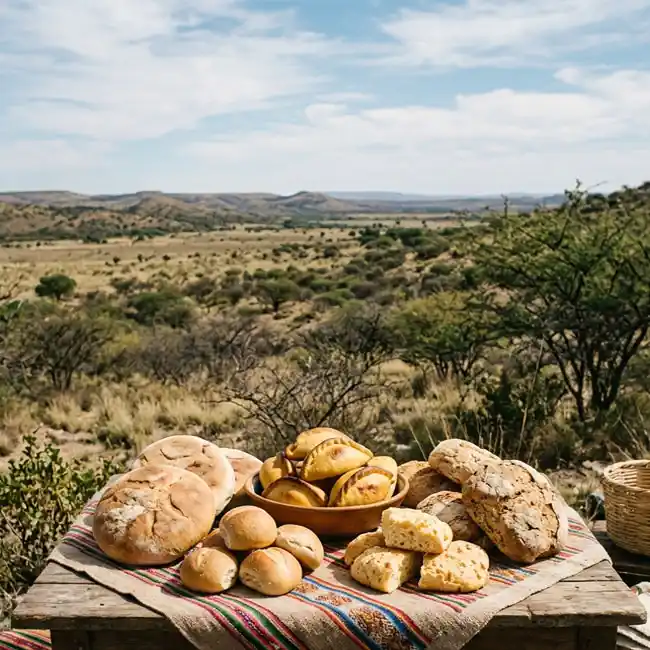
🇧🇴🥖 The Heartwarming World of Bolivia Breads
Bolivia might be famous for its dramatic Andes mountains, colorful markets, and rich indigenous heritage, but one of the country’s most comforting treasures is hiding in plain sight — its bread culture. From tiny neighborhood bakeries in bustling cities to rustic clay ovens in mountain villages, bread plays a huge role in everyday Bolivian life.
Walk through the streets of cities like La Paz, Cochabamba, or Santa Cruz early in the morning and you’ll quickly notice the irresistible smell of freshly baked bread drifting through the air. Locals line up outside small bakeries carrying cloth bags ready to fill them with warm rolls, cheese breads, sweet pastries, and savory stuffed creations. Bread in Bolivia is not just food. It’s part of family traditions, community gatherings, and daily routines that have been passed down for generations.
What makes Bolivia breads especially interesting is the blend of influences behind them. Indigenous Andean ingredients mix beautifully with Spanish baking traditions, while regional climates shape the textures and flavors of local breads. In the high-altitude Andes, breads are often dense and hearty. In warmer eastern regions, lighter and softer breads dominate bakery shelves.
Another fascinating thing about Bolivian bread culture is how connected it is to local travel experiences. Every region has its own specialties, and trying different breads while exploring Bolivia feels like tasting the personality of each destination. Some breads are linked to mountain towns, others to tropical lowlands, while many are deeply connected to festivals and family celebrations.
Whether you love crispy bread rolls, cheesy baked snacks, fluffy pastries, or traditional street food, Bolivia offers a delicious bakery experience that deserves far more attention globally.
🏔️ Why Bread Matters So Much in Bolivia
In Bolivia, bread is more than a side dish. It’s woven into the rhythm of daily life.
Many Bolivian families buy fresh bread multiple times a day because bakeries bake in small batches to keep everything warm and fresh. Morning bread runs are incredibly common, and locals often enjoy bread with breakfast, lunch, afternoon snacks, and even dinner.
Because Bolivia includes high mountains, valleys, and tropical plains, bread recipes vary greatly depending on geography. Highland communities rely on traditional ingredients and old baking techniques, while eastern cities often incorporate softer textures and richer fillings.
Bread also plays a role during religious celebrations, national holidays, and local festivals. Special breads are often prepared during important occasions, symbolizing family unity, prosperity, or remembrance.
Travelers visiting Bolivia quickly discover that bakeries are among the best places to experience authentic local culture. They are affordable, welcoming, and filled with regional specialties you may not easily find elsewhere in South America.
🧀 Iconic Bolivia Breads You Absolutely Must Try
🥐 Salteñas
One of Bolivia’s most famous baked foods is the legendary salteña. While technically somewhere between a pastry and stuffed bread, locals proudly consider it part of the country’s bakery identity.
Salteñas are beautifully baked pastries filled with juicy savory mixtures that may include meat, vegetables, spices, potatoes, peas, and eggs. What makes them unique is the slightly sweet dough combined with rich, flavorful fillings.
Eating salteñas can be an adventure because the filling is famously juicy. Locals often joke that first-time visitors wear part of the filling on their clothes before learning the proper technique.
You’ll find salteñas sold everywhere in Bolivia during the morning hours, especially in busy urban centers. They are deeply tied to Bolivian street food culture and are considered an essential breakfast snack.
🥖 Marraqueta Boliviana
The marraqueta is one of Bolivia’s most beloved daily breads. Crispy on the outside and airy inside, this bread is especially popular in western Bolivia and high-altitude cities.
Many locals start their day with fresh marraquetas straight from the bakery. Their crackly crust and light interior make them ideal for pairing with meals or enjoying on their own.
Unlike some heavier Andean breads, marraquetas are known for their delicate structure despite being baked at high elevations. Bakers often wake before sunrise to prepare fresh batches for morning customers.
Walking through La Paz while carrying a warm paper bag of marraquetas is a classic Bolivian experience.
🧀 Cuñapé
Cuñapé is one of Bolivia’s most irresistible cheese breads. Originating mainly from eastern Bolivia, particularly around Santa Cruz, this small round bread is soft, chewy, cheesy, and incredibly addictive.
Made with starch-based dough and cheese, cuñapé has a texture that many visitors compare to Brazilian pão de queijo, though Bolivians proudly maintain their own regional identity for this beloved snack.
Cuñapé is commonly enjoyed during breakfast or afternoon breaks and is widely sold in bakeries, roadside stands, and markets.
Freshly baked cuñapé straight from the oven is one of the best comfort foods you can experience in Bolivia.
🥯 Tawa Tawas
Tawa tawas are traditional fried breads often associated with indigenous communities and local markets. Their shape can vary, but they are usually rustic, golden, and slightly crisp outside while remaining soft inside.
These breads are deeply tied to Bolivia’s traditional cooking heritage and are commonly found during festivals and market days.
Street vendors often prepare them fresh, creating delicious aromas that fill the surrounding streets.
🍩 Buñuelos Bolivianos
Buñuelos are fluffy fried dough treats loved across Bolivia. They are especially popular during holidays, celebrations, and cooler mountain evenings.
Some versions are simple and airy, while others may include fillings or sweet toppings. Families often prepare them during festive occasions, creating memories that span generations.
In many parts of Bolivia, sharing buñuelos with family members is associated with warmth, hospitality, and celebration.
🌄 Bread and Bolivia’s Diverse Landscapes
One of the most exciting things about Bolivian bread culture is how strongly it reflects the country’s geography.
🏔️ Highland Andes Region
The Andean highlands are home to hearty breads shaped by cold temperatures and high elevations. Baking at altitude requires skill because dough behaves differently in thinner air.
Cities like La Paz and Potosí showcase breads with crisp crusts and dense textures designed to remain satisfying in colder climates.
Traditional ovens and older baking methods are still used in some rural communities, helping preserve centuries-old techniques.
🌿 Cochabamba Valley
Known as Bolivia’s culinary capital, Cochabamba has a vibrant bakery scene filled with variety and innovation.
The region’s mild climate supports softer breads, stuffed pastries, and sweet bakery items. Local markets overflow with baked goods during breakfast and lunchtime hours.
Many travelers consider Cochabamba one of the best places in Bolivia for food lovers interested in exploring regional bread traditions.
🌴 Eastern Lowlands
In warmer eastern regions like Santa Cruz, bread styles often become lighter, cheesier, and more tropical in influence.
Cheese breads such as cuñapé dominate bakery counters, while modern bakeries experiment with both local and international techniques.
The relaxed pace of eastern Bolivia also shapes the bakery culture, with long afternoon snack traditions remaining popular.
🛍️ Bolivia’s Bakery Culture and Street Food Scene
Bolivia’s bakery scene is wonderfully local and community-oriented.
Instead of giant commercial chains dominating every corner, many neighborhoods rely on small independent bakeries. These family-run businesses often develop loyal customers who visit daily.
Street food culture also plays a huge role in bread consumption. Early mornings are especially lively as vendors sell fresh pastries and breads to workers, students, and travelers.
Markets are another incredible place to explore Bolivian breads. Rows of vendors display baskets overflowing with baked goods in countless shapes, textures, and sizes.
For visitors, trying breads from both bakeries and street stalls offers a much deeper understanding of Bolivian everyday life.
🥟 Traditional Breads Linked to Festivals and Celebrations
Many Bolivian breads carry strong cultural symbolism and are connected to important holidays.
During religious festivals, bakeries often produce seasonal breads decorated with unique patterns and shapes. Families gather to prepare large batches together, turning baking into a social activity.
Certain breads are associated with remembrance traditions, while others symbolize abundance and prosperity.
In rural villages, communal baking remains an important custom where neighbors gather around shared ovens during major celebrations.
These traditions help preserve Bolivia’s cultural identity while strengthening community bonds.
🧈 Everyday Eating Habits Around Bolivia Breads
Bolivians enjoy bread throughout the day in many different ways.
🌅 Morning Bakery Rituals
Morning bakery visits are part of daily life. People often buy bread before work or school, carrying fresh rolls home in cloth bags or paper wrappers.
The smell of warm bread filling neighborhood streets is one of Bolivia’s most comforting daily experiences.
🍽️ Bread With Meals
Bread is frequently served alongside soups, stews, and traditional dishes. In colder mountain regions especially, hearty bread helps create filling meals.
Families often place baskets of bread in the center of the table for everyone to share.
☀️ Afternoon Snacks
Afternoon snack culture is very important in Bolivia. Bakeries become busy again later in the day as locals stop for savory pastries, cheese breads, and sweet baked treats.
Sharing bread during afternoon gatherings is considered both relaxing and social.
🏡 Traditional Baking Techniques Still Alive Today
One reason Bolivia breads feel so authentic is that many traditional methods remain in use.
In smaller towns and rural areas, bakers still rely on clay ovens, wood-fired heat, and hand-shaped dough techniques. These older methods create textures and flavors difficult to reproduce in large commercial bakeries.
Families also continue passing recipes from generation to generation. Some bakery secrets remain closely guarded and tied to regional identity.
Even in modern cities, many bakeries proudly preserve old traditions while blending them with contemporary styles.
🧭 Traveling Through Bolivia One Bread at a Time
For food lovers, exploring Bolivia through bread is an unforgettable experience.
Each city offers its own bakery atmosphere:
◦ La Paz brings dramatic mountain scenery and crisp high-altitude breads.
◦ Cochabamba offers variety, comfort foods, and rich culinary traditions.
◦ Santa Cruz showcases cheesy baked snacks and tropical influences.
◦ Smaller villages provide rustic breads baked with techniques unchanged for decades.
Many travelers discover that some of their favorite Bolivia memories come not from expensive restaurants, but from tiny neighborhood bakeries filled with warm aromas and friendly locals.
Trying regional breads while traveling also helps support local family businesses and traditional food culture.
🥠 Hidden Bakery Gems Visitors Often Miss
While famous breads like salteñas and cuñapé receive most international attention, Bolivia also has countless lesser-known regional specialties worth discovering.
Small towns may produce unique sweet breads only available during local festivals. Rural markets sometimes sell handmade breads prepared using ancestral recipes rarely written down anywhere.
Part of the magic of Bolivian food culture is that many culinary treasures remain deeply local rather than heavily commercialized.
For adventurous travelers, this makes every bakery stop feel like a hidden discovery.
🌎 Why Bolivia Breads Deserve More Global Attention
Bolivian cuisine remains one of South America’s most underrated food traditions internationally, and its breads are a perfect example.
The combination of indigenous heritage, Spanish influence, regional diversity, and high-altitude baking techniques creates bakery traditions unlike anywhere else.
Bolivia breads are comforting, flavorful, affordable, and deeply connected to local identity. They reflect the landscapes, communities, and traditions of the country in every bite.
As more travelers begin exploring Bolivia’s food culture, its incredible breads are finally starting to gain the recognition they deserve.
And honestly, once you experience a warm marraqueta at sunrise in La Paz or fresh cuñapé from a Santa Cruz bakery, it’s easy to understand why locals treasure these foods so deeply.
❓😕 FAQ About Bolivia Breads
Q1.What is the most famous bread in Bolivia?
One of the most famous Bolivian baked foods is the salteña, followed closely by marraqueta bread and cuñapé cheese bread.
Q2.What makes Bolivia breads unique?
Bolivia breads combine indigenous Andean traditions with Spanish baking influences, while regional geography heavily shapes textures and ingredients.
Q3.Why do Bolivian breads vary by region?
Bolivia’s diverse landscapes — from high mountains to tropical lowlands — influence local ingredients, baking styles, and bread textures.
Q4.Where can travelers find authentic Bolivia breads?
The best places are local bakeries, traditional markets, and street food stalls in cities like La Paz, Cochabamba, and Santa Cruz.
🍞 3 Must-Try Sugar-Free Bolivian Bread Recipes for Your Home Kitchen
👉 Savor 3 Irresistible Sugar-Free Bolivian Breads!
| 🌐 🍞 < Back | 🇧🇴 🥗 < Previous | Next > 🍱 🇧🇴 |