
🏠 Home > 🗺️ Recipes > 🥘 Sauces > 🇧🇴 Bolivia Sauces
🇧🇴 🥘 Bolivia Sauces Recipes
Published by Supakorn | Updated: May 2026
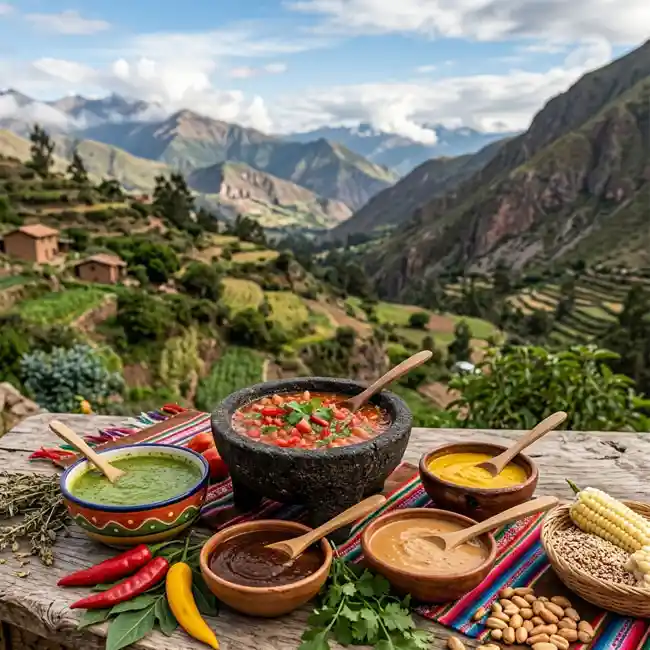
🇧🇴 🥘 What Makes Bolivia Sauces a Hidden Gem of Andean Food Culture?
Bolivia doesn’t shout the loudest on the global food stage, but once you’ve sat at a plastic table in a La Paz market or shared a plate in a Cochabamba home, you get it. Sauces are the heartbeat here. They’re not just toppings — they’re the storytellers of Bolivia’s geography, history, and family traditions. From the high-altitude chill of the Altiplano to the humid lowlands of Santa Cruz, every region stirs, pounds, and pours its identity into a little bowl that lives in the center of the table.
What’s wild is how Bolivian sauces balance extremes. You’ll get fire and freshness in the same spoonful. You’ll taste indigenous Aymara and Quechua roots mixed with Spanish influence, plus little twists from Afro-Bolivian communities and recent migrant flavors. No alcohol, no fuss — just raw ingredients, stone mortars called batánes, and generations of “a little more salt, mi hijo” wisdom.
If you’re mapping out food travel or just want to understand why Bolivians never eat a salteña or anticucho without reaching for sauce, this is your guide. We’re talking culture, standout names, how people eat day to day, and how sauces tie directly to places you’ll want to visit. No recipes here — just the juicy backstory.
🌶️ Iconic Bolivia Sauces You’ll See on Every Table
🥣 Llajua: The Undisputed King of Bolivian Tables
Walk into any Bolivian home, market stall, or roadside pensión and you’ll spot it — a shallow bowl of bright red-orange sauce with flecks of green. That’s llajua, pronounced ya-hwa. It’s the national obsession. Made from locoto chili peppers and tomatoes, both ground on a batán until the texture is rustic but pourable, then finished with quirquiña, a feathery Andean herb that tastes like cilantro’s wilder cousin.
Llajua isn’t just hot — it’s fresh, tangy, and herby. High-altitude tomatoes grow with more intensity, and locotos bring heat that warms you up in freezing Altiplano mornings. You’ll see Bolivians spoon it over chuño black potatoes, grilled meats, soups like chairo, and even breakfast empanadas. Refusing llajua at a friend’s house? That’s basically turning down friendship.
🥜 Salsa de Maní: Creamy Comfort From the Valleys
Head to Cochabamba and Sucre and you’ll meet salsa de maní, or peanut sauce. This is comfort food in liquid form. It’s creamy, earthy, and slightly sweet, often served warm. It shows the valley region’s agricultural bounty — peanuts thrive in Bolivia’s temperate zones.
Locals pour it over papas a la huancaína style dishes, boiled yuca, sajta de pollo, and mondongo soups. It’s the sauce that makes Sunday family lunches feel like a hug. In Cochabamba, the “gastronomic capital,” salsa de maní is non-negotiable. If llajua is the spark, this is the blanket.
🍅 Jallp’a Wayk’a: The Smoky Highlands Specialty
In Potosí and Oruro, where the air is thin and the mines run deep, jallp’a wayk’a shows up. It’s a cooked sauce using dried red chilies, tomatoes, and onions, often with a smoky char from fire-roasting. The name comes from Quechua, meaning “cooked on the ground,” a nod to traditional methods.
This one’s thicker, deeper, and less sharp than llajua. Miners and highland families use it to make plain chuño and tun’ta freeze-dried potatoes actually exciting. It’s survival food turned soul food — a sauce born from altitude, scarcity, and ingenuity.
🌿 Chirimoya Pepper Mix: Lowland Freshness
Cruise down to Santa Cruz and the tropical lowlands, and the sauce game shifts. Here you’ll find herb-heavy, citrus-bright mixes using jungle peppers like ají gusanito. They’re less about fire, more about aroma — think green onions, wakataya herb, and sour orange juice.
Lowland sauces reflect the Amazon’s influence. They’re spooned over majadito rice dishes, grilled pacú fish, and sonso yuca-cheese bakes. Eating in Santa Cruz without a side of fresh pepper-herb sauce feels like forgetting your shoes.
🧄 Salsa Criolla Boliviana: The Everyday All-Rounder
Every country has its version, and Bolivia’s salsa criolla is the crunchy, tangy sidekick. Finely sliced onions, tomatoes, locoto or green chilies, vinegar or lime, and salt. That’s it. No cooking, just macerating.
It’s everywhere — next to chicharrón pork, relleno potato balls, trucha trout in Lake Titicaca towns, and street tucumanas. It cuts through fried and fatty foods like a palate reset button. If you see a Bolivian meal without salsa criolla, ask if the kitchen is okay.
🍽️ How Bolivians Eat: Sauce Culture in Daily Life
🥄 One Sauce, Many Meals — No Rules, Just Rituals
Bolivians don’t treat sauces like condiments you use once. Llajua shows up at breakfast with a marraqueta bread roll, at lunch over almuerzo soup + main, and at dinner with silpancho breaded beef. A single batch might last two days, and everyone at the table shares the same bowl. Double-dipping? Not a crime here — it’s community.
Street food is where sauce culture shines. Grab a salteña at 10am and the vendor will ask “con llajua?” Say yes. Get anticuchos beef heart skewers at night and they’ll come with boiled potato, peanut sauce, and llajua on the side. Even rellenos de papa from a cart come with a plastic cup of sauce tucked in the bag.
👨👩👧👦 Family Tables & The Batan Legacy
Most traditional sauces are still made in a batán — a flat grinding stone with a rocking stone on top. You’ll hear the toc-toc-toc sound in neighborhoods before lunch. Abuelas swear blenders ruin the texture and “bruise” the flavors. Making llajua is often the kids’ job. It’s how you learn heat tolerance and family pride.
In rural areas, sauce duty rotates. Whoever grinds llajua controls the spice level for the whole family that day. It’s a quiet power. And because ingredients change with altitude and season, no two llajuas taste identical. Your neighbor’s might be hotter, your aunt’s more herby — and everyone will defend theirs as “the real one.”
🕐 Sauce Timing: When and How Much
◦ Desayuno 7-9am: Light llajua with api corn drink and pastel fried cheese empanadas
◦ Almuerzo 12-2pm: Full spread — soup first, then segundo main with 2-3 sauces available
◦ Té 4-5pm: Tucumanas or salteñas always with llajua
◦ Cena 7-9pm: Lighter, but sauce still appears with plato paceño or chorizo
Portion tip: Bolivians don’t drizzle. They spoon. A meal can be 30% sauce by volume and nobody blinks.
🗺️ Sauces and Where They Take You: Food Tourism by Region
🏔️ La Paz & El Alto: Llajua at 4,000 Meters
If you want to understand llajua, do it in La Paz. The altitude makes locotos hotter and tomatoes sweeter. Hit Mercado Lanza or Mercado Rodríguez early. Vendors sell fresh-ground llajua in recycled yogurt cups. Try it with relleno de papa while cable cars glide overhead.
Tour tie-in: Take the Tiwanaku ruins day trip and you’ll be served apis and llajua at roadside stops. The sauce is part of the highland experience — it literally helps your body handle the cold and thin air.
🌻 Cochabamba: Peanut Sauce Paradise
Cochabamba locals say “en Cocha se come bien” — in Cocha we eat well. Food tours here always include pique macho and silpancho, both drowning in salsa de maní and llajua. Visit La Cancha market, Bolivia’s largest open-air market, and you’ll see women ladling peanut sauce from buckets onto chicharrón.
The valley climate = perfect peanuts, perfect herbs, perfect sauce diversity. Don’t miss chicha corn drink — non-alcoholic versions exist — paired with saucy chicharrón de pollo.
🏜️ Potosí & Sucre: Colonial Streets, Highland Heat
In Potosí, jallp’a wayk’a is the move. After a Casa de la Moneda museum tour, duck into a pensión for k’alapurka, a volcanic-stone-heated corn soup that gets fire from the sauce. The cold, the history, the spice — it all connects.
Sucre, the white city, leans into salsa de maní but with a colonial twist. Upscale restaurants serve picante de pollo where the peanut sauce is silky, fine-dining style. Sauce here tells the story of Spanish + indigenous blending.
🌴 Santa Cruz: Tropical Sauces and Jungle Vibes
Santa Cruz is Bolivia’s lowland, modern face. The sauce shifts to fresh, green, citrusy. Food markets like Los Pozos sell chopped herb mixes by the bag. Order majadito or locro de gallina and you’ll get a side of zingy pepper sauce that smells like the Amazon.
Travel tip: From Santa Cruz, visit Samaipata or Amboró National Park. Eco-lodges serve local fish with jungle herb sauces that you won’t find in the Andes. It’s the same country, totally different sauce language.
🌊 Lake Titicaca & Copacabana: Trout with a View
In Copacabana, trucha trout is king. It comes grilled, fried, or a la plancha, always with salsa criolla and llajua. Eating it lakeside at 3,800m, watching the blue water, you realize sauce is what ties Bolivian landscape to the plate. The sharp salsa criolla cuts the fish, the llajua warms you against lake winds.
🧭 Why Bolivia Sauces Matter Beyond Taste
🌱 Biodiversity in a Bowl
Bolivia has 1,400+ varieties of potato and dozens of native chili types. Sauces are how that biodiversity gets eaten daily. Locoto, ají amarillo boliviano, ulupica wild chilies — they’re not museum pieces. They’re breakfast.
Quirquiña, wakataya, and huacatay herbs grow wild in different altitudes. When you eat sauce, you’re tasting microclimates. That’s why “authentic Bolivia sauces” can’t be exported easily — the terroir is the ingredient.
🤖 Indigenous Identity You Can Taste
Aymara and Quechua communities built the sauce blueprint. The batán, the freeze-dried chuño + sauce combo, the use of native herbs — it’s living heritage. In Afro-Bolivian towns like Tocaña, you’ll find coconut and peanut sauces reflecting African influence. Sauce is edible history.
🤝 Social Glue for Travelers
You don’t need Spanish to bond in Bolivia. Point to llajua, smile, and someone will teach you the right potato-to-sauce ratio. Sharing a sauce bowl breaks ice faster than any tour guide. It’s the ultimate “must-try” because it’s participatory, not just something you order.
🥘 Other Notable Mentions in Bolivia’s Sauce Universe
🌽 Uchu Llakwa: For the Brave
Found in rural Altiplano communities, this one uses ulupica — tiny wild chilies that look innocent but hit like a truck. Usually ground with wild herbs and salt. Not for tourists unless a local abuela dares you. It’s cultural respect in a spoon.
🍋 Pickled Ají: The Market Staple
Jars of pickled yellow ají peppers in vinegar sit on every market table. Not a sauce exactly, but Bolivians chop and mix it into llajua for extra tang. It’s the DIY upgrade.
🍯 Honey-Chili Blends: Sweet Heat of the Yungas
In the Yungas cloud forest region between Andes and Amazon, some communities mix local honey with smoked chilies. You’ll find it with plátano frito or roast cuy. Rare, regional, unforgettable.
✈️ How to Experience Bolivia Sauces Like a Local
🛍️ Markets First, Restaurants Second
Skip fancy spots first. Go to mercados. For 10-15 Bolivianos, about $2, you get a full almuerzo with soup, main, and unlimited sauce refills. Watch how locals mix sauces — llajua + salsa de maní on pique macho is a power move.
🙋 Ask “¿Picante?” and Mean It
When someone asks if you want it spicy, they’re gauging llajua levels. Say “poquito” first. Bolivian “not spicy” still has kick. Locals respect you more if you try than if you skip.
🥣 Respect the Shared Bowl
Don’t ask for a personal sauce dish in a family pensión. The shared bowl is the point. Use the communal spoon, not your own. It’s hygiene + trust + tradition rolled into one.
📸 Don’t Just Photograph the Main Dish
Your camera will love silpancho or salteñas. But zoom in on the sauce. The texture, the herb flecks, the batán in the background — that’s the real Bolivian food shot.
🌟 Final Bite: Why Your Trip Needs Bolivia Sauces
Bolivia’s sauces won’t be bottled and sold in gourmet stores worldwide anytime soon. They’re too fresh, too regional, too tied to altitude and stone-grinding. And that’s exactly why they’re worth traveling for.
You can eat a salteña in Spain or a pique macho in the US, but without high-altitude locotos, hand-picked quirquiña, and a batán-ground llajua made that morning, it’s not the same. Sauces are Bolivia’s edible passport stamp.
So when you plan your Salar de Uyuni tour, your Death Road bike ride, or your Lake Titicaca chill time, plan your sauce map too. La Paz for llajua. Cochabamba for peanut. Potosí for smoky red. Santa Cruz for green and bright.
Because in Bolivia, you don’t just visit places. You taste them, one spoonful of sauce at a time.
👋 FAQ
Q1. What is the most popular sauce in Bolivia?
Llajua is the most iconic and widespread sauce in Bolivia. Made from locoto peppers, tomatoes, and quirquiña herb, it’s served with nearly every meal from street food to family dinners, especially in the Andean highlands.
Q2. Are Bolivian sauces always very spicy?
Not always. While llajua and ulupica-based sauces pack heat, others like salsa de maní peanut sauce are mild, creamy, and nutty. Santa Cruz lowland sauces focus more on fresh herbs and citrus than chili fire. You can always ask for no tan picante.
Q3. Can I find authentic Bolivia sauces outside of Bolivia?
It’s tough. The flavor depends on high-altitude ingredients like locoto peppers and quirquiña, plus traditional stone-grinding. Some Bolivian restaurants abroad try, but the real experience is tied to local markets and home kitchens in Bolivia itself.
🥘 3 Authentic Sugar-Free Bolivian Sauces You’ll Want on Everything
👉 GRAB 3 TOP SUGAR-FREE BOLIVIAN SAUCES
| 🌐 🥘 < Back | 🇧🇴 🍱 < Previous |