
🏠 Home > 🗺️ Recipes > 🍨 Desserts > 🇧🇴 Bolivia Desserts
🇧🇴 🍨 Bolivia Desserts Recipes
Published by Supakorn | Updated: May 2026
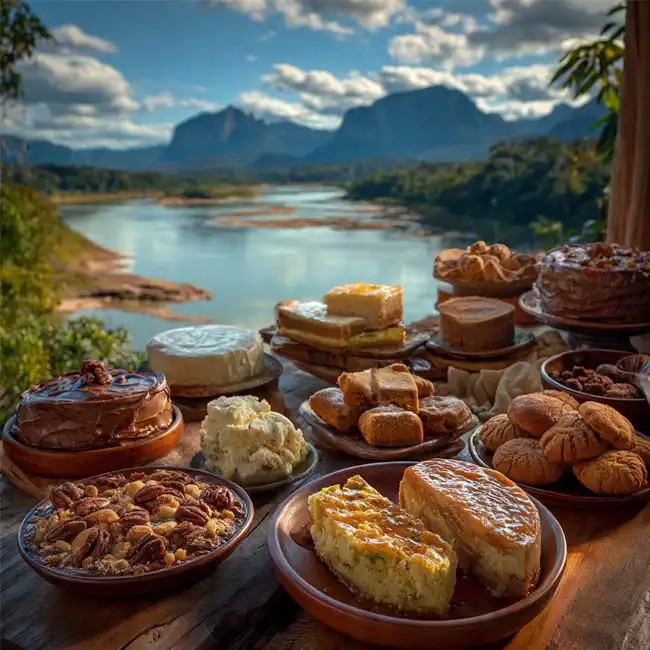
Bolivia may be famous for its breathtaking Andes mountains, colorful indigenous traditions, and lively street markets, but one thing travelers quickly fall in love with is the country’s incredible dessert culture. Across bustling cities like La Paz, Sucre, and Cochabamba, sweet treats are more than just snacks. They’re part of everyday life, family gatherings, religious celebrations, and centuries-old traditions passed down through generations.
Bolivian desserts blend indigenous Andean ingredients with Spanish colonial influences, creating a dessert scene unlike anywhere else in South America. Corn, quinoa, cinnamon, sweet potatoes, tropical fruits, caramel-like syrups, and freshly baked pastries all play a huge role in traditional sweets. Some desserts are simple and rustic, while others are colorful festival foods sold by street vendors in local plazas.
One of the most fascinating things about Bolivia desserts is how strongly they connect to geography. In the high-altitude Andes regions, desserts often feature warm spices, hearty grains, and comforting textures. In lower tropical areas, fruits and lighter sweets dominate local markets. Every region has its own signature dessert traditions, giving visitors endless opportunities to discover something new.
From flaky pastries filled with sweet cheese to fried treats dusted with sugar, Bolivia’s dessert culture reflects warmth, hospitality, and community. Whether you’re exploring local bakeries, walking through open-air food markets, or attending a traditional festival, desserts are everywhere — and locals are proud to share them.
🇧🇴 🍮 The Rich Sweet Traditions of Bolivia
Bolivia desserts are deeply connected to family life and local customs. In many homes, sweet pastries are enjoyed during breakfast or afternoon snacks alongside warm traditional drinks. Grandparents often teach younger generations how to prepare classic recipes by hand, preserving old culinary techniques that have existed for centuries.
Unlike overly processed desserts found in some modern food cultures, many Bolivian sweets still rely on natural ingredients and handmade preparation methods. Bakers use locally grown corn flour, fresh dairy products, cane sugar, cinnamon, cloves, and fruits harvested from nearby valleys. This creates desserts with comforting flavors and authentic homemade character.
Street food culture also plays a major role in Bolivia’s dessert scene. Local markets are packed with vendors selling warm pastries, fried doughs, candies, and baked treats throughout the day. Travelers walking through colorful plazas will often smell cinnamon, caramelized sugar, and fresh bread floating through the air.
Religious celebrations and national holidays are another huge part of Bolivian dessert traditions. During festivals, families prepare large quantities of sweet foods to share with neighbors and visitors. Some desserts only appear during special holidays, making them even more meaningful culturally.
🥟 Iconic Bolivia Desserts Everyone Should Know
🧀 Buñuelos
Buñuelos are one of Bolivia’s most beloved sweet snacks. These deep-fried dough treats are crispy on the outside, soft inside, and commonly topped with powdered sugar or sweet syrup. They’re especially popular during festivals and evening gatherings.
Walking through Bolivian streets at night, it’s common to see vendors frying buñuelos fresh to order. The aroma alone is enough to attract hungry locals and tourists alike.
🥧 Empanadas de Queso
Sweet cheese empanadas are a staple in many Bolivian bakeries. These pastries combine flaky dough with lightly sweetened cheese filling, creating a balance of savory and sweet flavors that feels uniquely Bolivian.
Many locals enjoy them during breakfast or as an afternoon snack while chatting with friends and family.
🍯 Api with Pastries
Although api itself is traditionally a warm corn-based beverage, it is often served alongside sweet pastries and fried treats, creating one of Bolivia’s most comforting breakfast combinations. Markets across Bolivia become lively gathering spots early in the morning because of this tradition.
🍠 Mazamorra
Mazamorra is a thick traditional dessert made from corn and sweet ingredients. Different regions prepare it differently, but it remains one of Bolivia’s oldest and most culturally important comfort foods.
🍪 Tawa-Tawas
Tawa-tawas are fluffy fried pastries commonly dusted with sugar. They are especially popular during local fairs and family celebrations. Their soft texture and homemade appearance make them incredibly nostalgic for many Bolivians.
🏔️ How Geography Shapes Bolivia Desserts
Bolivia’s dramatic landscapes strongly influence local dessert traditions. The country includes snowy mountains, fertile valleys, tropical forests, and high-altitude plains, all contributing unique ingredients and culinary identities.
❄️ Andes Mountain Desserts
In colder mountain regions near Potosí and Oruro, desserts are often rich, filling, and warming. Corn, cinnamon, wheat flour, and caramelized sugar appear frequently in baked goods and sweet porridges.
These comforting desserts help people stay energized in colder climates while also reflecting centuries of Andean agricultural traditions.
🌴 Tropical Bolivian Sweets
In Bolivia’s warmer lowland areas, tropical fruits become stars of the dessert table. Mangoes, bananas, papayas, coconuts, and citrus fruits inspire lighter and fresher desserts with vibrant natural sweetness.
Street markets in tropical regions often showcase colorful fruit-based snacks that contrast beautifully with the heavier pastries found in mountain cities.
🌽 Indigenous Ingredients
Corn remains one of the most important ingredients in Bolivian dessert culture. Indigenous civilizations cultivated corn varieties for thousands of years, and today those traditions still influence countless recipes.
Quinoa, sweet potatoes, cassava, and native fruits also continue to appear in traditional sweets, helping preserve Bolivia’s indigenous culinary heritage.
🛍️ Street Markets and Sweet Food Culture
One of the best ways to experience authentic Bolivia desserts is by visiting local markets. Markets are social centers where food, culture, and community come together in exciting ways.
🏪 Mercado Traditions
Traditional markets in La Paz are packed with dessert stalls selling pastries, candies, fried treats, and handmade baked goods. Locals often stop by before work, after school, or during family shopping trips.
The experience is lively, colorful, and full of incredible aromas.
🍩 Freshly Fried Desserts
Freshly fried sweets are especially important in Bolivian street food culture. Vendors prepare dough on-site and fry desserts in large pans while customers wait nearby. This creates desserts that are warm, crispy, and deeply comforting.
👨👩👧 Family-Owned Bakeries
Many Bolivian bakeries have operated for generations. Recipes are carefully protected family traditions, and some bakeries become famous locally for one specific pastry or sweet bread.
Travelers who explore neighborhood bakeries often discover hidden gems unavailable in tourist areas.
🎉 Bolivia Desserts and Festivals
Desserts play a huge role during Bolivian celebrations and religious festivals. Food becomes a symbol of generosity, hospitality, and cultural identity.
🎭 Carnival Celebrations
During Carnival season, colorful desserts and fried pastries appear everywhere. Families prepare large amounts of sweets to share with guests, neighbors, and relatives visiting from other regions.
⛪ Religious Holidays
Catholic traditions introduced during Spanish colonial times heavily influenced Bolivia’s festive dessert culture. Certain pastries and sweets are strongly associated with Easter, Christmas, and saint celebrations.
🎶 Community Gatherings
In villages and towns throughout Bolivia, desserts are often shared during music festivals, dance events, weddings, and harvest celebrations. Food helps strengthen community bonds and preserve local traditions.
🥐 Traditional Bolivian Bakery Culture
Bolivian bakeries are an essential part of everyday life. Many neighborhoods start the day with locals lining up for fresh bread, pastries, and sweet treats straight from the oven.
🧈 Handmade Dough Techniques
Traditional bakers often use techniques passed down for generations. Doughs are kneaded by hand, shaped carefully, and baked fresh daily. This handmade quality gives Bolivian desserts their distinctive texture and flavor.
🍞 Sweet Bread Traditions
Sweet breads are especially popular throughout Bolivia. Some are lightly sweetened for breakfast, while others are filled with cream, cheese, or fruit preserves.
🥮 Seasonal Pastries
Many bakeries create seasonal specialties tied to local holidays and regional customs. Travelers visiting at different times of year may discover unique desserts unavailable during other seasons.
🌎 Why Travelers Love Bolivia Desserts
Bolivia desserts feel authentic, comforting, and deeply connected to local culture. Unlike highly commercialized sweets found in some tourist destinations, Bolivian treats often retain their homemade personality.
Travelers frequently describe Bolivian desserts as:
• Warm and comforting
• Handmade and traditional
• Rich in cultural history
• Affordable and accessible
• Perfect for street food adventures
• Full of unique Andean flavors
Food lovers especially appreciate how Bolivia preserves indigenous culinary influences within modern dessert culture.
🗺️ Best Places to Explore Bolivia Dessert Culture
🏔️ La Paz
Bolivia’s high-altitude capital offers incredible street food markets, traditional bakeries, and festive dessert vendors.
🏛️ Sucre
Known for colonial architecture and charming cafés, Sucre is an excellent destination for discovering traditional pastries and family-run bakeries.
🌸 Cochabamba
Often called Bolivia’s food capital, Cochabamba features rich culinary traditions and an amazing variety of desserts and baked goods.
⛏️ Potosí
Historic mining culture and mountain traditions influence many local sweets in this fascinating Andean city.
🍬 Modern Bolivia Desserts Meet Old Traditions
Today, younger Bolivian chefs are finding creative ways to modernize traditional desserts while respecting cultural roots. Contemporary bakeries experiment with presentation styles and ingredient combinations while still preserving authentic flavors.
Social media and tourism have also helped introduce Bolivia desserts to international audiences. Travelers increasingly seek authentic culinary experiences, and Bolivia’s sweet traditions are gaining recognition worldwide.
Despite modernization, family recipes and local customs remain at the heart of Bolivian dessert culture. This balance between tradition and innovation keeps the country’s sweets exciting and meaningful.
❤️ The Heartwarming Culture Behind Bolivia Desserts
What truly makes Bolivia desserts unforgettable is the emotion behind them. These sweets are tied to memories, celebrations, childhood experiences, and hospitality.
Visitors often remember:
• Sharing pastries in crowded markets
• Watching street vendors fry fresh dough
• Smelling cinnamon drifting through mountain towns
• Discovering hidden bakeries in narrow colonial streets
• Enjoying homemade desserts with welcoming local families
Bolivia desserts are not just about sugar and pastries. They tell stories about migration, indigenous traditions, colonial history, agriculture, family life, and regional pride.
For travelers seeking authentic South American food experiences, Bolivia offers a dessert culture that feels deeply personal, culturally rich, and wonderfully delicious.
✋ FAQ About Bolivia Desserts
Q1.What is the most famous dessert in Bolivia?
Buñuelos are among the most famous Bolivia desserts. These fried dough treats are especially popular during festivals, holidays, and evening street food gatherings.
Q2.Are Bolivia desserts very sweet?
Most traditional Bolivian desserts are moderately sweet rather than overwhelmingly sugary. Many recipes focus on comforting flavors, spices, grains, and natural ingredients.
Q3.What ingredients are common in Bolivia desserts?
Corn, cinnamon, sugar, wheat flour, sweet potatoes, cheese, tropical fruits, quinoa, and caramel-like syrups are commonly used in traditional Bolivian sweets.
Q4.Where can tourists try authentic Bolivia desserts?
Local markets, traditional bakeries, and family-run cafés in cities like La Paz, Sucre, and Cochabamba are excellent places to explore authentic Bolivia desserts and sweet street food culture.
🍨 3 Bolivian Sugar-Free Desserts That Taste Like a Cheat Day
👉 3 Must-Try Sugar-Free Bolivian Desserts!
| 🌐 🍨 < Back | 🇧🇴 🍝 < Previous | Next > 🍷 🇧🇴 |