
🏠 Home > 🗺️ Recipes > 🍝 Main Dishes > 🇧🇴 Bolivia Main Dishes
🇧🇴 🍝 Bolivia Main Dishes Recipes
Published by Supakorn | Updated: May 2026
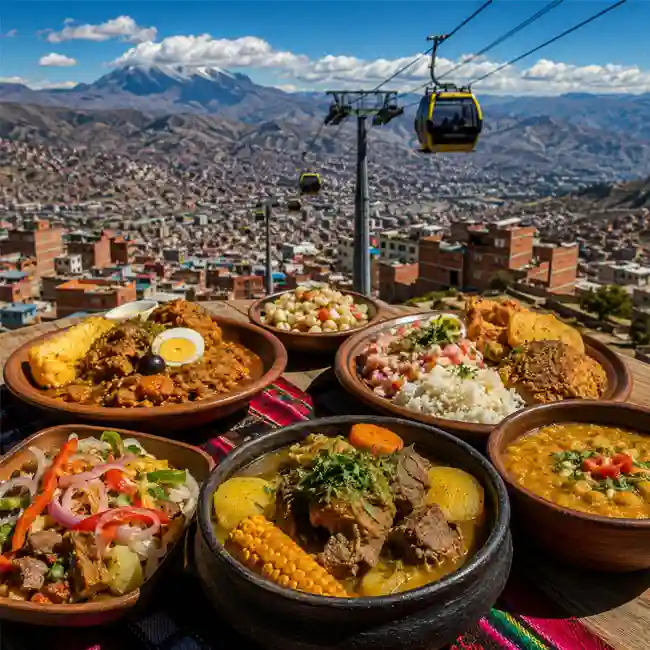
Hey there, fellow food explorer! If you have ever wondered what it feels like to feast your way through the dramatic peaks of the Andes mountains down into the lush, tropical lowlands of the Amazon, you are in the right place.
Today, we are diving deep into the heart of South American comfort food: Bolivia main dishes.
Bolivian cuisine is one of the world's best-kept culinary secrets. For years, it flew under the radar while neighboring food giants grabbed all the headlines. But things have changed. Food lovers around the globe are finally waking up to the rich, earthy, and deeply satisfying flavors that define this beautiful country.
Grab a seat, get comfortable, and let’s take an unforgettable journey through the kitchens, street stalls, and high-altitude markets of Bolivia!
🇧🇴 🍝 The Soul of Bolivian Food Culture: A Tapestry of High Altitudes and Earthy Flavors
To truly understand Bolivia main dishes, you have to understand the land and its history. Bolivian food is not just about fuel; it is a profound celebration of identity, survival, and community. The culinary foundation here is built on a beautiful, centuries-old marriage between indigenous traditions (primarily ancient Aymara and Quechua cultures) and Spanish colonial influences.
When the Spanish arrived in the sixteenth century, they brought new ingredients like beef, pork, chicken, and wheat. The local indigenous populations took these components and masterfully wove them into their existing agricultural staples.
What are those staples, you ask?
• The Humble Potato: Bolivia is a paradise for potato lovers. There are literally thousands of varieties cultivated here, ranging from small, sweet tubers to large, starchy giants.
• Chuño: This is a fascinating, ancient freeze-dried potato product developed by the Incas to survive harsh mountain winters. It adds a distinctively earthy, slightly funky flavor profile to many classic stews.
• Quinoa and Corn (Maíz): Long before these became modern global superfoods, they were the holy grail of nutrition in the high-altitude plains (Altiplano). You will find corn in every texture imaginable—ground into flour, boiled whole on the cob (choclo), or toasted into crunchy kernels (pasankalla).
Because much of the country sits thousands of meters above sea level, cooking techniques have adapted to the climate. In the chilly highlands, foods are designed to keep you warm, featuring thick, heavy broths and plenty of locally grown chili peppers, known as locoto. This little pepper packs a serious punch and is the star ingredient in llajua—the fiery tomato-and-chili salsa that sits on every single dining table in the country. Without llajua, a Bolivian meal is simply incomplete!
🥟 Meet the Icons: Must-Try Bolivia Main Dishes That Will Steal Your Heart
Let’s talk about the absolute heavy hitters. If you ever find yourself wandering through a bustling market in La Paz, Cochabamba, or Santa Cruz, these are the signature meals you need to look out for.
🥟 Salteñas: The Ultimate Breakfast Pastry
You cannot talk about traditional Bolivian food without bowing down to the mighty Salteña. While it looks somewhat similar to a standard empanada from the outside, do not be fooled—eating a salteña is an entirely unique, gravity-defying experience.
A salteña is a baked pastry filled with a sweet, savory, and incredibly juicy stew made from beef, chicken, or pork, combined with peas, potatoes, raisins, and hard-boiled eggs.
The secret lies in the broth. The filling is actually chilled into a gelatin before being wrapped in dough and baked at an extremely high temperature. As it bakes, the gelatin turns back into a rich soup.
💡 How to Eat a Salteña Like a Local: Do not use a fork and knife! Tilt the pastry upright, take a careful bite out of the top corner to create a small opening, and sip the delicious broth first. If you manage to eat an entire salteña without dropping a single drip of soup onto your shirt, congratulations—you are officially an honorary Bolivian!
🥩 Silpancho: The Grand Feast of Cochabamba
Originating from Cochabamba—proudly recognized as the culinary capital of Bolivia—Silpancho is a visual and comforting masterpiece. It is an absolute mountain of food designed to satisfy the biggest of appetites.
The base of a silpancho consists of a generous layer of fluffy white rice and sliced, pan-fried potatoes. Resting on top of this carbohydrate foundation is a massive, incredibly thin, pounded beef cutlet that has been heavily breaded and fried to crispy perfection.
To top it all off, cooks place a beautiful sunny-side-up fried egg (or two) right on the meat, followed by a fresh, vibrant topping of diced tomatoes, onions, and locoto peppers (sarsa).
When you break the yolk and let it run down into the crispy breaded meat and savory rice, it creates a rich, self-made sauce that is purely magical.
🌶️ Pique Macho: The Ultimate Sharing Platter
If you are gathering around a table with a group of friends after a long day of exploring, Pique Macho is the dish you want in the center of the action. This meal is loud, proud, and completely unapologetic about its size.
Pique Macho is a colossal heap of bite-sized pieces of tender beef, sliced hot dogs or spicy sausages, and thick-cut french fries. The mountain is seasoned with a savory, spiced gravy and garnished with hard-boiled egg quarters, sliced onions, fresh tomatoes, and an abundant scattering of pickled or fresh locoto peppers.
Legend has it that the dish was created late at night by a restaurant owner who threw together everything left in the kitchen to feed a group of hungry, late-night workers. They claimed it was so spicy and massive that only a truly "macho" person could finish it—hence the name!
🐽 Chairo: The Highland Savior
When the chilly mountain winds blow across the high-altitude city of La Paz, locals turn to Chairo for warmth. This is a deeply traditional, hearty soup that tastes exactly like ancestral history in a bowl.
Chairo is made by combining beef or lamb with a variety of vegetables, but the defining star of the show is the combination of chuño (the ancient freeze-dried potato) and mote (peeled, boiled corn kernels). The chuño gives the broth a distinctive dark color and an earthy, robust depth that you simply cannot replicate with standard potatoes. It is chewy, comforting, and guaranteed to cure any cold or altitude sickness within minutes.
🥩 Majadito: A Tropical Twist from the Lowlands
To see just how geographically diverse Bolivia is, you only need to look at Majadito. This dish hails from the warm, tropical eastern lowlands, such as Santa Cruz and Beni, and it feels completely different from the heavy highland stews.
Majadito is a beautiful, bright yellow rice dish colored naturally with achiote seeds. The rice is cooked alongside shredded charque (traditional sun-dried, salted beef) and sautéed onions and bell peppers. It is traditionally served alongside sweet, caramelized fried plantains and a fried egg. The contrast between the salty, savory dried beef rice and the sweet, melt-in-your-mouth plantains is an absolute flavor party.
🕒 The Daily Rhythm: How Locals Experience "La Comida" Every Single Day
Food in Bolivia is deeply tied to the clock. The way people eat throughout the day is a beautiful reflection of a culture that values taking a break, slowing down, and connecting over a shared table.
🌅 Morning Starters and the "Sajta" Culture
The day starts early, but a light breakfast of bread and hot coffee or a warm corn-based drink (api) is usually just a temporary fix.
By mid-morning, around 10:00 AM or 11:00 AM, the entire country pauses for a sacred ritual known as La Merienda. This is peak Salteña hour. Workplaces empty out, and street corners become lively hubs as people gather around insulated coolers to grab their favorite morning pastries before they sell out.
☀️ The Main Event: "El Almuerzo" (Lunch)
Make no mistake about it: lunch is the most important meal of the day in Bolivia. Between noon and 2:00 PM, life slows down significantly. Many businesses close up shop so that families can head home to cook and eat together.
If you wander into a local market or a neighborhood eatery (pensión) during these hours, you will see boards advertising the Almuerzo Completo (Complete Lunch). This is an incredibly affordable, multi-course meal that keeps the nation running. It almost always includes:
• Sopa (Soup): A piping-hot bowl of vegetable, peanut, or noodle soup to prep the stomach.
• Segundo (Main Plate): A hearty dish featuring a protein (beef, chicken, or pork), rice, potatoes, and a side of fresh salad.
• Postre/Refresco: A sweet, simple finish to clean the palate.
Eating a heavy lunch provides the sustained energy needed to power through the rest of the working day, making evening meals a much lighter, casual affair.
🗺️ Culinary Tourism: Matching Iconic Bolivia Main Dishes to Your Travel Route
Are you planning an adventure to Bolivia anytime soon? If so, you are in for a sensory treat. The geographical layout of the country means your menu changes dramatically every time you hop on a bus or a short domestic flight.
Here is a breakdown of the regions you will explore and the local culinary specialties you absolutely must hunt down:
1.La Paz & The Altiplano (High-Altitude Mountains & Plains)
• The Food Scene: When you are wandering through the steep, colorful streets of La Paz or exploring the alien landscapes of the Moon Valley, you are operating at over 3,600 meters above sea level. Your body burns extra energy just staying warm and adjusted to the thin air.
• Iconic Main Dishes to Try: Chairo, Fricasé (a fiery, spicy pork and hominy stew perfect for cold mornings), and Plato Paceño. This last dish is beautifully simple yet incredibly filling, featuring a giant slice of fried local cheese, a large boiled corn cob (choclo), boiled potatoes, and broad beans, always served with a mountain of fresh llajua salsa. It is a vegetarian-friendly masterpiece that showcases the absolute best of Andean agriculture.
2.Cochabamba & Central Valleys (Temperate, Lush Agricultural Valleys)
• The Food Scene: Known proudly as the gastronomic capital of the country, this valley region enjoys a warm, Mediterranean-like climate that produces an abundance of fresh fruits, vegetables, and grains. The portions here are famously massive.
• Iconic Main Dishes to Try: Silpancho (the giant pounded beef over rice and potatoes), Pique Macho (the massive meat and french fry sharing platter), and Sopa de Maní (the legendary, creamy peanut soup with crispy potato threads on top).
3.Santa Cruz & The Amazon Basin (Tropical Lowlands & Warm Savannas)
• The Food Scene: Once you drop down into the lowlands of Santa Cruz, the jackets come off, the humidity rises, and the food takes on a distinctly tropical, exotic flair. Heavy mountain stews are replaced by lighter, rice-based options and tropical roots.
• Iconic Main Dishes to Try: Majadito (the bright yellow achiote rice with sun-dried beef and sweet plantains), Charquekan, and Locro de Gallina. This last one is a comforting, clean chicken rice soup flavored heavily with fresh yucca and local herbs. It is light enough to enjoy in the tropical heat but satisfying enough to keep you fueled for a jungle trek.
4.Sucre & Potosí (Historic Colonial Cities & High Plateaus)
• The Food Scene: Walking through these gorgeous colonial cities feels like stepping back in time. The food culture here retains strong Spanish roots blended with traditional highland ingredients, resulting in rich, complex sauces.
• Iconic Main Dishes to Try: Mondongo (a fantastic dish of tender pork drenched in a rich, deeply spiced red chili sauce, served alongside yellow corn) and Salteñas Sucreñas (Sucre's version of the breakfast pastry, which tends to be slightly sweeter and incredibly juicy).
✨ More Than Just Food: The Vibrant Markets and Street Vendors
You cannot truly experience Bolivia main dishes without talking about the extraordinary women who keep the country fed: the Cholas. Dressed in their stunning, traditional multi-layered polleras (skirts), embroidered shawls, and iconic bowler hats, these women are the undisputed queens of Bolivian cuisine.
Whether they are managing a busy stall inside the sprawling Mercado Rodríguez in La Paz or operating a small street cart on a busy avenue, they cook with a level of love, speed, and precision that rivals the world’s top Michelin-starred chefs.
Every local has their favorite casera (trusted vendor). Building a relationship with a casera means you will always get the freshest cut of meat, the fluffiest scoop of rice, and a little extra spoonful of gravy (yapa) just because she cares.
When you buy food from a street vendor or a market stall in Bolivia, you are participating in a beautiful, daily system of mutual respect and community support. The ingredients are sourced directly from nearby farms, the recipes have been passed down through countless generations, and the smiles are completely genuine.
⛔❓ Frequently Asked Questions (FAQ)
Q1. Is Bolivian food incredibly spicy?
Not necessarily! While Bolivians love heat, the spice is almost always controlled by you. Most Bolivia main dishes are seasoned with warm, aromatic spices like cumin, garlic, and sweet paprika rather than burning chili peppers. The fiery heat comes from llajua, the fresh tomato and locoto chili salsa that is served on the side. This allows you to customize every single bite to your own personal spice tolerance.
Q2. What makes a Salteña different from a regular empanada?
The main difference is the liquidity of the filling. A standard Latin American empanada has a relatively dry, compact filling so it can be eaten easily on the go. A Bolivian Salteña, however, is packed with a rich, savory broth inside the pastry shell. The dough is also slightly sweeter and thicker to help contain the liquid during the high-heat baking process.
Q3. Are there good vegetarian options within Bolivia main dishes?
Traditional Bolivian cuisine leans heavily toward beef, chicken, and pork, but vegetarian options absolutely exist if you know what to look for! The Plato Paceño (fried cheese, corn, potatoes, and beans) is a fantastic, naturally vegetarian staple. Additionally, Bolivia's famous Sopa de Maní (creamy peanut soup) can often be found made with a pure vegetable broth base, offering an incredibly rich and protein-packed alternative.
There you have it! A complete, colorful look into the irresistible world of Bolivia main dishes. From the high peaks of the Andes to the warm tropical plains, this is comfort food made with history, heart, and soul. Next time you see a Bolivian restaurant or find yourself planning a trip south, you will know exactly what amazing culinary gems to look out for. Buen provecho!
🍝 Discover 3 Delicious Keto Bolivian Dishes Full of Flavor
👉 Get 3 Iconic Keto Bolivian Main Dishes
| 🌐 🍝 < Back | 🇧🇴 🥪 < Previous | Next > 🍨 🇧🇴 |