
🏠 Home > 🗺️ Recipes > 🍷 Drinks > 🇧🇴 Bolivia Drinks
🇧🇴 🍷 Bolivia Drinks Recipes
Published by Supakorn | Updated: May 2026
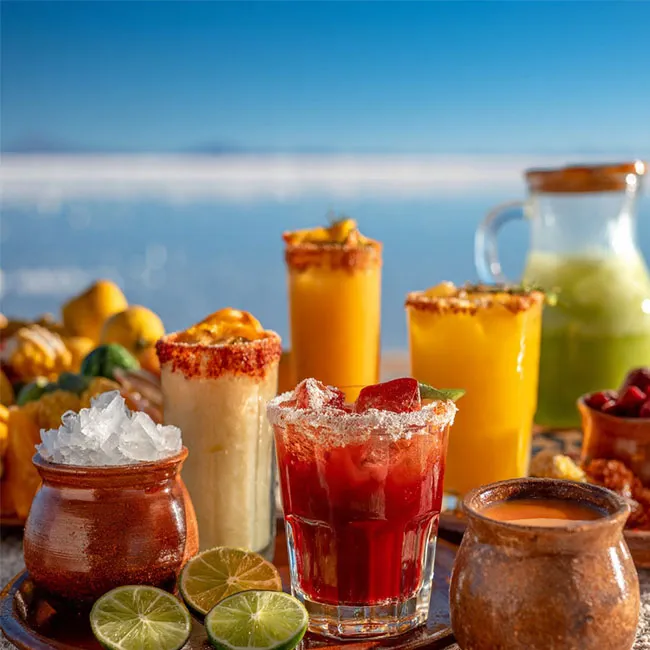
🇧🇴 🥤 Introduction: The Soul of Bolivia in a Glass
Bolivia is a country where the sky feels close enough to touch. From the salt flats of Uyuni to the bustling markets of La Paz, every corner has a flavor. And if you really want to understand Bolivian culture, don’t just eat the food. Drink it.
Non-alcoholic drinks in Bolivia are more than thirst-quenchers. They’re history, medicine, celebration, and daily ritual poured into a cup. Families pass recipes down like heirlooms. Street vendors shout their names at 6am. Grandmothers swear by them for altitude, digestion, and even heartbreak. This is where tradition meets taste, and every sip tells you something about the land and the people who call it home.
Let’s travel Bolivia one glass at a time. No alcohol, no fancy mixology. Just real, authentic, must-try Bolivian drinks you’ll find from Andean villages to Amazonian towns.
🧭 Food Culture: Why Bolivians Drink What They Drink
Bolivian drink culture is shaped by three things: geography, indigenous heritage, and daily life at high altitude.
🌿 Altitude, Agriculture, and Ancestral Knowledge
La Paz sits at over 3,600 meters. At that height, your body works harder. Locals turned to grains, fruits, and herbs that grow in the Andes to stay energized and healthy. That’s why you’ll see drinks made from purple corn, quinoa, barley, and coca leaves. They’re nutrient-dense, warming, and tailored to mountain life.
In the lowlands of Santa Cruz and the Amazon basin, the climate is hot and humid. Drinks there lean tropical. Think fresh fruit, seeds, and chilled infusions that cool you down fast. The country’s biodiversity means a drink in Potosí tastes nothing like one in Trinidad. Each region drinks its landscape.
👩👩👧👦 Drinking as Daily Ritual
In Bolivia, beverages mark the rhythm of the day. Morning starts with api, a thick, hot purple corn drink that fuels workers and kids heading to school. Midday markets sell mocochinchi, a peach-based refresher that’s basically lunch in a bag. Afternoon calls for linaza, a flaxseed drink believed to soothe the stomach after a heavy almuerzo.
Drinks are also social glue. Sharing sultana with neighbors, buying somó from the same vendor for 20 years, or bringing refresco de tumbo to a family gathering is how Bolivians connect. It’s casual, it’s constant, and it’s deeply personal.
🥇 Iconic Bolivian Drinks You Have to Know
These are the heavy hitters. If you land in Bolivia tomorrow, these are the names you’ll hear first.
🌽 Api Morado – The Purple Powerhouse of the Andes
Thick, sweet, and served piping hot, api morado is Bolivia’s breakfast champion. It’s made from purple corn, pineapple peel, cinnamon, and cloves. The result is a drink so dense your spoon stands up in it.
Where to try it: Plaza San Francisco in La Paz at 7am. Vendors ladle it from giant steaming pots into glass cups. Order it with a pastel, a crispy cheese-filled pastry, and you’ve got the most iconic Bolivian breakfast.
Cultural note: Purple corn is native to the Andes and packed with antioxidants. Locals say api gives you strength for high-altitude work. Tourists say it’s like drinking warm pie. Both are right.
🧊 Mocochinchi – Bolivia’s Peach Iced Tea, But Better
Mocochinchi is dehydration’s worst enemy. It’s made by rehydrating dried peaches, then boiling them with cinnamon and sugar. Served ice cold in a plastic bag with a straw, it’s the ultimate street refreshment.
Where to try it: Any market in Cochabamba or Sucre around noon. The dried peaches give it a smoky-sweet depth you won’t find in bottled drinks.
Travel tip: The name comes from moqochinchi, Quechua for dried peach. It’s a perfect example of how indigenous language and food survive in daily Bolivian life.
☕ Té de Coca & Sultana – High-Altitude Comfort
Coca tea isn’t just for tourists fighting altitude sickness. It’s a daily drink for many Andeans. Light, herbal, and slightly green-tasting, it’s served plain or with sugar.
Sultana is its close cousin. After brewing coca tea, Bolivians toast the used leaves and brew them again. The second brew is nuttier, darker, and called sultana. Zero waste, maximum flavor.
Where to try it: Cafés in Copacabana overlooking Lake Titicaca. The view + a hot coca tea = peak Bolivia experience.
❄️ Somó – The Eastern Sweet Corn Refresher
Head to Santa Cruz and somó rules. It’s made from white corn that’s peeled, boiled, and sweetened. Served cold, it’s creamy, grainy, and surprisingly filling.
Cultural note: Somó is tied to Cruceño identity. In the lowlands, it’s sold at festivals, soccer games, and family Sundays. It’s proof that Bolivian drink culture isn’t just Andean.
🥤 Linaza – Grandma’s Remedy in a Cup
Linaza is flaxseed boiled with pineapple, cinnamon, and sometimes apple. It turns slightly gelatinous and is served cold. Bolivians swear by it for digestion, cholesterol, and “cleaning the body.”
Where to try it: From street carts labeled “Refrescos Naturales” in La Paz. You’ll see huge glass jars with ladles. Point to the brown one. That’s linaza.
🧳 Drinks by Destination: What to Sip Where You Travel
Bolivia’s geography creates a drink map. Here’s what to order based on your itinerary.
⚡ La Paz & El Alto – High-Energy Street Sips
The highest capital in the world runs on hot, thick drinks. Besides api, try tojorí, made from ground corn and similar to api but lighter. Vendors sell it from thermoses at dawn to construction workers and market vendors.
For something cold, refresco de cebada is huge. It’s barley water with lime and sugar. Nutty, refreshing, and sold everywhere. El Alto’s Ceja district is the best place to try it with a relleno de papa.
🌌 Uyuni & Potosí – Warmth in the Cold Desert
The Salar de Uyuni gets freezing. Local drinks reflect that. Api blanco, the white corn version of api, is common. So is quinua con manzana, a hot drink of quinoa, apple, cinnamon, and milk. It’s like Andean hot cereal you can sip.
Miners in Potosí traditionally drank yungueño, but non-alcoholic options include refresco de quinua, served cold and slightly tangy. It’s endurance in a cup.
🐒 Santa Cruz & Amazon Basin – Tropical & Fruity
Welcome to fruit paradise. Somó is king, but also hunt for chive, a cold drink made from fermented yuca or corn. Non-fermented versions exist and are sweet, tangy, and earthy.
Refresco de tumbo, made from banana passionfruit, is another must-try. It’s bright orange, tart, and wildly aromatic. In Rurrenabaque, you’ll find it blended with ice as a jungle smoothie.
🏞️ Sucre & Cochabamba – Valley Flavors
These valleys are Bolivia’s breadbasket. Drinks here highlight local fruit. Refresco de durazno with fresh peaches, guayaba juice, and linaza are everywhere.
Cochabamba calls itself Bolivia’s food capital. Their chicha de maní is a non-alcoholic peanut drink that’s creamy and sweet. It’s often served at picanterías with chicharrón. Authentic, filling, and 100% local.
🤝 How Bolivians Pair Drinks With Food and Life
Drinks in Bolivia aren’t random. They’re matched to meals, weather, and even mood.
🥄 The Breakfast, Lunch, and Street Food Pairings
• Breakfast: Api + pastel or tojorí + buñuelo. Hot, sweet, and heavy enough to last until lunch.
• Lunch: Mocochinchi or refresco de cebada cuts through rich dishes like picante de pollo or saice.
• Afternoon snack: Somó with cuñapé, a cheese bread from the east.
• Street food: Linaza after salteñas. The flaxseed is believed to help digest the juicy, spicy pastry.
👵 Drinks as Medicine, Celebration, and Memory
Ask a Bolivian about a drink and you’ll get a story. Api reminds them of mom waking up at 4am. Sultana tastes like grandpa’s house. Mocochinchi means school field trips.
Many drinks double as home remedies. Coca tea for altitude, linaza for stomach, refresco de tumbo for hydration. It’s functional food culture at its best. No supplement aisle needed.
✈️ Why Bolivia’s Drink Scene Is a Travel Secret
Bolivia isn’t on most “foodie destination” lists yet. That’s your advantage. The drink culture here is authentic, affordable, and completely unpretentious.
You won’t find api in a Michelin-star restaurant. You’ll find it at a plastic table on the sidewalk, served by a woman who’s been making it for 40 years. That’s the magic.
For travelers, chasing Bolivian drinks is a way to see the country beyond the tourist trail. Follow the api vendors and you’ll find local neighborhoods. Follow the somó carts and you’ll end up at a Sunday family barbecue.
Plus, these drinks are naturally gluten-free, often vegan, and made from whole ingredients. They’re ancient wellness shots without the marketing.
🧾 Final Sip: How to Experience Bolivia Drinks Like a Local
1.Start early: Many iconic drinks like api sell out by 10am.
2.Bring small change: Street drinks cost 2–5 Bs. That’s under $1 USD.
3.Use the right lingo: Ask for “un vaso de api, por favor”. Smile. You’re in.
4.Respect the source: Coca tea is cultural, not a novelty. Drink it with intention.
5.Go beyond La Paz: Every region has a signature sip. Make it your mission to try all of them.
Bolivia’s drinks don’t need alcohol to be unforgettable. They’ve got altitude, history, and heart in every glass. So when you plan your trip, don’t just pack for the mountains. Pack your curiosity for the flavors that fuel them.
❓ 🙋 FAQ
Q1: Are Bolivian traditional drinks safe for tourists to try?
Yes. Stick to busy street vendors with high turnover, or order them at markets and local cafés. Hot drinks like api and coca tea are boiled, which makes them especially safe. For cold drinks like mocochinchi, look for vendors using purified water. When in doubt, ask locals where they drink.
Q2: Can I find Bolivian drinks outside of Bolivia?
It’s tough but growing. Bolivian communities in Buenos Aires, São Paulo, Madrid, and Virginia serve api and somó at cultural events. Some Latin markets sell dried purple corn or dried peaches to make api and mocochinchi at home. Otherwise, the most authentic way is still to book that flight to La Paz.
🍷 Sip the Andes: 3 Traditional Bolivian Drinks Reimagined Without the Sugar Crash
👉 Delight in the 3 Best Sugar-Free Bolivian Drinks!
| 🌐 🍷 < Back | 🇧🇴 🍨 < Previous | Next > 🍲 🇧🇴 |