
🏠 Home > 🗺️ Recipes > 🍨 Desserts > 🇧🇴 Bolivia Desserts > 🍨 1.Sugar-Free Api Morado , 2.Keto Cocadas , 3.Low-Carb Leche Asada
🍨 3 Bolivian Sugar-Free Desserts That Taste Like a Cheat Day
Published by Supakorn | Updated: May 2026
🇧🇴 🥧 Introduction: Why Everyone’s Obsessed With Bolivian Sweets Right Now
Let’s talk about the elephant in the room: quitting sugar sucks. Especially when your Instagram feed is full of travel vloggers in La Paz eating warm, purple api with pasteles, or showing off golden cocadas from the markets in Cochabamba. Bolivia is having a serious moment. Between the Uyuni Salt Flats, the Death Road bike tours, and the food scene that’s blowing up on TikTok, people are finally realizing Bolivian cuisine is way more than just salteñas.
But here’s the problem. Almost every traditional Bolivian dessert is loaded with panela, condensed milk, or straight-up white sugar. If you’re keto, diabetic, or just cutting back, you usually have to sit there and watch everyone else enjoy dessert. Not anymore.
I spent weeks talking to Bolivian home cooks, tweaking recipes, and taste-testing with my very honest, very non-keto friends. The result? These 3 iconic Bolivian desserts made 100% sugar-free, but you’d never know. They’re sweet, comforting, and taste like you’re sitting at a street stall in Sucre. No weird aftertaste. No $50 specialty flours. Just real ingredients you can find at any grocery store.
Here’s what we’re making today:
🍮 ◦ Recipe 1: Sugar-Free Api Morado – Bolivian Purple Corn Pudding
🧁 ◦ Recipe 2: Keto Cocadas – Bolivian Coconut Macaroons
🍩 ◦ Recipe 3: Low-Carb Leche Asada – Bolivian Baked Custard
All of them are gluten-free, naturally low-carb, and take less than 45 minutes of actual work. Ready to make your kitchen smell like the Andes? Let’s go.
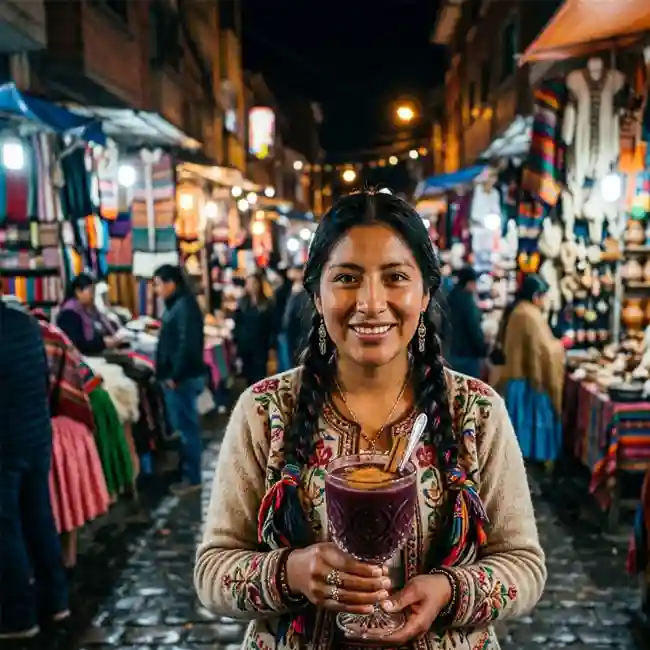
🍇 Recipe 1: Sugar-Free Api Morado – Bolivian Purple Corn Pudding
👋 About this Recipe
If you’ve ever walked past a Bolivian street market at 6am, you’ve smelled api. It’s that thick, hot, purple drink made from purple corn, cinnamon, and cloves, usually served with a fried cheese pastry called pastel. It’s sweet, spiced, and feels like a hug in a cup. Traditional api uses a ton of sugar or chancaca to balance the corn’s earthiness. Our version swaps that for monk fruit and keeps all the cozy spice. Serve it thick as a pudding for dessert, or thin it out to drink. Either way, your house will smell incredible.
📋 Ingredients & Measurements
Serves 4. Net carbs ∼4g per serving if served as pudding.
◦ Purple corn flour, also called harina morada or maíz morado flour: 1/2 cup
◦ Water: 4 cups, divided
◦ Ceylon cinnamon stick: 1 large, or 1 teaspoon ground cinnamon
◦ Whole cloves: 3 pieces
◦ Orange peel: 1 strip, about 2 inches, no white pith
◦ Powdered monk fruit erythritol blend: 1/3 cup, adjust to taste
◦ Lemon juice: 1 teaspoon, brightens the flavor
◦ Vanilla extract: 1 teaspoon
◦ Pinch of salt: 1/8 teaspoon, makes the sweet pop
◦ Optional for serving: Unsweetened whipped cream or a sprinkle of ground cinnamon
👩🍳 Step-by-Step Instructions
1.Infuse the water: In a medium saucepan, add 3 cups of water, the cinnamon stick, cloves, and orange peel. Bring to a boil, then reduce heat and simmer 10 minutes. This is where the flavor happens. Your kitchen should smell like Christmas.
2.Make the corn slurry: While the water simmers, whisk the purple corn flour with the remaining 1 cup of cold water in a bowl. Whisk hard. You want zero lumps. If you see lumps, strain it. Lumpy api is sad api.
3.Combine slowly: Fish out the cinnamon stick, cloves, and orange peel from the pot. Turn heat to medium-low. Pour the corn slurry into the hot spiced water in a thin stream, whisking constantly. This prevents clumps.
4.Thicken it up: Keep whisking over medium-low heat for 8 to 10 minutes. It’ll go from watery to thick and glossy, like a loose pudding. If you want it drinkable, stop at 6 minutes. For spoonable dessert, go the full 10.
5.Sweeten and finish: Turn off the heat. Whisk in the powdered sweetener, lemon juice, vanilla, and salt. Taste it. Need more sweet? Add 1 tablespoon more. Too thick? Splash of hot water.
6.Rest before serving: Let it sit 5 minutes. It thickens more as it cools. Serve warm in mugs or little bowls. Top with a little whipped cream if you’re feeling fancy.
💡 Tips & Mistakes to Avoid
◦ Don’t dump the flour in dry: It will clump instantly and you’ll be whisking for 20 minutes. Always make a cold water slurry first.
◦ Can’t find purple corn flour? Look for “harina morada” at Latin markets or online. In a pinch, blue cornmeal works but the color will be less vibrant and you may need to blend it finer.
◦ Use powdered sweetener only: Granular monk fruit won’t dissolve well and can feel gritty. If you only have granular, blitz it in a blender first.
◦ Don’t walk away while whisking: It goes from perfect to scorched on the bottom in 60 seconds. Medium-low heat is your friend.
◦ Too tart or too earthy? The lemon juice balances the corn, but if it’s still too strong, add another teaspoon of vanilla or a tiny extra pinch of salt.
❓ FAQ
Q1.Is api a drink or a dessert?
Both. In Bolivia it’s usually served as a thick drink for breakfast. But when you cook it down longer, it sets up like pudding. You pick the vibe.
Q2.Can I make this ahead?
Yes. It keeps 4 days in the fridge. It will thicken a lot when cold. Reheat with a splash of water or almond milk and whisk until smooth.
Q3.Is purple corn keto?
The flour has carbs, but we’re using 1/2 cup for 4 servings. That’s 2 tablespoons per serving, which comes to about 4g net carbs. Way better than the 40g+ in the traditional version.
📌 Summary
Sugar-Free Api Morado gives you that authentic Bolivian street-food flavor without the sugar crash. It’s warm, spiced, and takes 20 minutes. Perfect for cold nights or when you need dessert in a mug.

🥥 Recipe 2: Keto Cocadas – Bolivian Coconut Macaroons
👋 About this Recipe
Cocadas are everywhere in Bolivia. You’ll see huge pyramids of them at markets, usually in white and pink, sometimes dipped in chocolate. They’re chewy, sweet, and super coconutty. The traditional recipe is basically shredded coconut + sugar + egg whites + dulce de leche. We’re keeping the chewy coconut magic but ditching the sugar and condensed milk. These keto cocadas bake up with crispy edges and a soft, gooey center. They’re the easiest cookie you’ll ever make and they freeze like a dream. Make a double batch. Trust me.
📋 Ingredients & Measurements
Makes 15 cocadas. Net carbs ∼1g per piece.
◦ Unsweetened shredded coconut: 2 and 1/2 cups, not coconut flakes
◦ Egg whites: 2 large, room temperature
◦ Powdered monk fruit erythritol blend: 1/2 cup
◦ Vanilla extract: 2 teaspoons
◦ Almond extract: 1/4 teaspoon, this is the secret bakery flavor
◦ Salt: 1/4 teaspoon
◦ Optional: Sugar-free white chocolate chips 1/4 cup for mixing in or drizzling
◦ Optional for color: Natural red food coloring 2 drops for pink cocadas
👩🍳 Step-by-Step Instructions
1.Preheat and prep: Set oven to 325°F or 162°C. Line a baking sheet with parchment paper. Don’t use wax paper. I’ve made that mistake for you.
2.Whip the whites: In a clean, dry bowl, beat egg whites with salt until foamy, about 1 minute. You don’t need stiff peaks, just foamy. This helps them bind.
3.Mix everything: Add powdered sweetener, vanilla, and almond extract to the egg whites. Whisk briefly. Dump in all the shredded coconut. Stir with a spatula until every piece of coconut is coated. The mix should hold together when squeezed. If it’s crumbly, add 1 teaspoon water.
4.Color option: If you want pink ones, divide the mix in half. Add 2 drops red coloring to one half and mix well.
5.Scoop and shape: Use a 1.5 tablespoon cookie scoop or your hands. Pack the mix tightly and place mounds on the baking sheet. You want them tall, not flat. They won’t spread much.
6.Bake low and slow: Bake 18 to 22 minutes, rotating the pan halfway. Edges should be golden brown and the tops just starting to toast. Underbake = fall apart. Overbake = dry.
7.Cool completely: Let them cool on the pan for 15 minutes. They firm up as they cool. Don’t move them hot or they’ll crumble.
8.Optional drizzle: Melt sugar-free white chocolate and drizzle over cooled cocadas. Let set 10 minutes.
💡 Tips & Mistakes to Avoid
Use shredded, not flaked coconut: Flaked is too big and won’t hold together. Desiccated fine coconut works but will be drier. Shredded is the sweet spot.
Pack them tight: Loose cocadas fall apart. Really squeeze the mix in your scoop or hands like you’re making a snowball.
Don’t use liquid sweetener: It makes the mix too wet and they’ll spread into pancakes. Powdered is key.
If they brown too fast: Your oven runs hot. Tent with foil at 12 minutes and lower temp to 300°F / 148°C next time.
Storage: Airtight container at room temp 5 days, or freeze 3 months. They taste amazing straight from the freezer.
❓ FAQ
Q1.Can I use whole eggs instead of just whites?
You can use 1 whole egg instead of 2 whites, but the texture will be more cakey and less chewy. Whites give that classic macaroon chew.
Q2.Why are my cocadas dry?
You either baked too long or your coconut was super dry. Next time pull them when edges are golden but centers still look a little soft.
Q3.Can I make these without sweetener?
Technically yes, but they’ll taste like unsweetened coconut. If you’re super strict, add extra vanilla and a pinch more salt to boost flavor.
📌 Summary
These Keto Cocadas are the ultimate 5-ingredient sugar-free dessert. Chewy, toasty, and they taste like you bought them from a Bolivian mercado. Keep a stash in your freezer for emergency sweet cravings.

🍮 Recipe 3: Low-Carb Leche Asada – Bolivian Baked Custard
👋 About this Recipe
Leche asada means “roasted milk” and it’s Bolivia’s version of flan or crème caramel, but easier. No caramel to burn, no water bath stress. It’s just milk, eggs, and sugar baked until it sets with a gorgeous golden top. In Santa Cruz they serve it cold in squares from big trays. Our sugar-free version uses a mix of heavy cream and almond milk to keep it rich, and allulose so it browns like the real thing. It’s silky, eggy in the best way, and you can make it ahead for parties. If you love crème brûlée but hate the fuss, this is your dessert.
📋 Ingredients & Measurements
Serves 6. Net carbs ∼2g per serving.
◦ Large eggs: 4 whole
◦ Egg yolks: 2 extra, for richness
◦ Unsweetened almond milk: 1 cup
◦ Heavy cream: 1 cup
◦ Allulose or powdered monk fruit blend: 1/2 cup, allulose browns better
◦ Vanilla extract: 1 tablespoon
◦ Ground cinnamon: 1/2 teaspoon
◦ Salt: 1/8 teaspoon
◦ Optional topping: Ground cinnamon or sugar-free dulce de leche drizzle
👩🍳 Step-by-Step Instructions
1.Preheat: Set oven to 350 degrees Fahrenheit / 176 degrees Celsius. Find an 8x8 baking dish or 6 small ramekins. No need to grease.
2.Warm the milk mix: In a saucepan, heat almond milk and heavy cream over medium until steaming but not boiling. Turn off heat. Stir in sweetener until dissolved. Let cool 5 minutes. If it’s too hot it’ll scramble the eggs.
3.Temper the eggs: In a large bowl, whisk whole eggs, yolks, vanilla, cinnamon, and salt. Slowly pour the warm milk mix into the eggs while whisking constantly. Go slow. We’re making custard, not scrambled eggs.
4.Strain it: Pour the mix through a fine mesh strainer into your baking dish. This catches any eggy bits and makes it super silky. Skip this and risk lumpy custard.
5.Bake: Place dish in the oven. Bake 35 to 45 minutes. It’s done when the edges are set, the top is golden brown, and the center still has a slight jiggle. A knife inserted 1 inch from edge should come out clean.
6.Chill: Let cool at room temp 1 hour, then cover and chill at least 3 hours. Overnight is even better. Leche asada is always served cold.
7.Slice and serve: Cut into squares or unmold ramekins. Dust with cinnamon. Try not to eat the whole pan.
💡 Tips & Mistakes to Avoid
◦ Don’t skip straining: It takes 30 seconds and makes the difference between good and bakery-level custard.
◦ No peeking for the first 25 minutes: Opening the oven drops the temp and can make it sink or crack.
◦ If top isn’t browning: Broil for 60 seconds at the end. Watch like a hawk. It goes from golden to burnt fast.
◦ Water bath or no? Traditional leche asada doesn’t use one, which gives it that rustic, slightly porous texture. If you want silky-smooth flan texture, bake in a water bath at 325°F or 162°C for 50 minutes.
◦ Allulose vs erythritol: Allulose browns and tastes just like sugar. Erythritol can recrystallize and feel sandy when cold. If you use erythritol, make sure it’s powdered and use 1/3 cup + 1 tablespoon.
❓ FAQ
Q1.Can I make this dairy-free?
Use 2 cups full-fat canned coconut milk instead of almond milk + cream. The taste will be coconutty but still delicious. Texture will be a bit softer.
Q2.Why did my custard curdle?
Your oven was too hot or you baked too long. Custard likes gentle heat. Next time lower to 325°F / 162°C and pull it when it’s still jiggly in the center.
Q3.How long does it last?
Covered in the fridge, 5 days. It won’t freeze well. The texture gets weird.
📌 Summary
Low-Carb Leche Asada is the easiest “fancy” dessert you’ll make. No caramel, no stress, just silky baked custard with that signature golden top. It’s a Bolivian classic made keto and it absolutely delivers.
✨ Final Thoughts: You Can Have Your Dessert and Eat It Too
See? Sugar-free doesn’t mean joy-free. These 3 Bolivian desserts prove you can have the warm spices of api, the chewy coconut of cocadas, and the silky custard of leche asada without spiking your blood sugar or kicking you out of ketosis.
The best part is none of these need weird ingredients or chef skills. If you can whisk, bake, and wait patiently while your kitchen smells amazing, you can make all three. Start with the cocadas if you need a win in 30 minutes. Make the leche asada the day before a dinner party. And brew a batch of api when it’s raining and you need a hug.
So, which one are you trying first? Make it, snap a pic, and tell me if your family could even tell it was sugar-free. I bet they can’t. And if they ask for the recipe, send them here. Let’s get more people hooked on Bolivian sweets, the guilt-free way.
Now go grab that cinnamon. Your sugar-free dessert era starts tonight.
| 🇧🇴 🍨 < Back |