
🏠 Home > 🗺️ Recipes > 🥗 Salads > 🇧🇴 Bolivia Salads
🇧🇴 🥗 Bolivia Salads Recipes
Published by Supakorn | Updated: May 2026
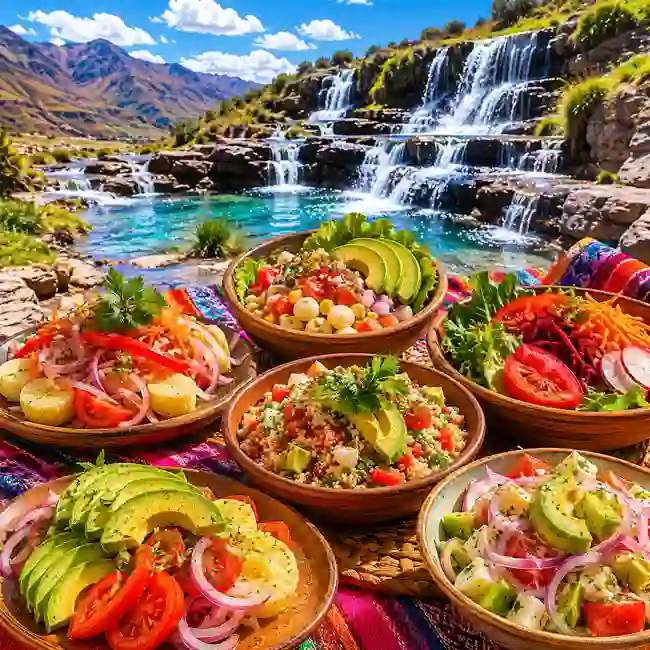
🇧🇴 🥗 Why Bolivian Salads Are the Ultimate Hidden Gem of South American Food Culture
Let’s be real — when you think of Bolivian food, your brain probably jumps to salteñas, silpancho, or maybe a hearty plate of pique macho. Salads? Not usually the headliner. But here’s the secret: Bolivia’s salad game is seriously underrated. And once you dig in, you’ll get why locals treat them like everyday treasures, not side dishes.
Bolivia is a country of extremes. You’ve got the sky-high Andes, the steamy Amazon basin, the surreal Uyuni Salt Flats, and the lush Yungas valleys. That crazy geography means one thing for food: insane ingredient diversity. Potatoes at 13,000 feet, tropical fruits in Santa Cruz, fresh-water fish from Lake Titicaca, quinoa that’s been grown for 7,000 years. Bolivian salads take all of that and toss it together with zero fuss and maximum flavor.
These aren’t your sad iceberg-lettuce-and-ranch bowls. Bolivian salads are about texture, color, and stories. They’re built around what’s fresh at the market that morning, what grandma taught you to balance, and what makes sense for the climate. High-altitude appetite? You want carbs and warmth. Hot lowland day? You want citrus, crunch, and hydration. Every region has its own salad logic, and that’s what makes exploring them so addictive.
Plus, salads are woven into how Bolivians actually eat. Meals are social, long, and layered. You don’t just grab food — you share it. A big bowl of ensalada hits the table alongside soup, meat, and llajwa salsa, and everyone picks at it between stories. It’s fuel for long market days, family Sundays, and festivals that go until sunrise. No alcohol needed — the food and company do all the work.
🗺️ The Regional Map of Bolivian Salads: From Andes Peaks to Amazon Roots
Bolivia’s food isn’t one thing. It’s nine departments, dozens of indigenous cultures, and three major climate zones. So the salads change every time you cross a mountain range. Here’s how the map breaks down:
🏔️ Andean Highlands Salads: Hearty, Earthy, and Built for Altitude
Up in La Paz, Oruro, and Potosí, you’re living at 3,600m+ above sea level. The air is thin, the sun is strong, and your body craves energy. Salads here aren’t light diet food — they’re functional, filling, and packed with native superfoods.
What stands out:
• Quinoa salads: The OG ancient grain. Nutty, fluffy, and mixed with diced tomatoes, onions, choclo corn, and a squeeze of lime. Sometimes with cheese from the Altiplano. It’s protein-rich because you need it to hike those steep streets.
• Chuño and tunta: Freeze-dried potatoes that the Aymara and Quechua people perfected centuries ago. Rehydrated, they’re chewy and earthy. Tossed with onions, parsley, boiled eggs, and a light vinegar dressing, they become ensalada de chuño — a must-try for texture lovers.
• Habas and mote: Broad beans and hominy corn show up cold in salads, adding chew and substance. Perfect with grilled meat at a Sunday parrilla.
Eating vibe: You’ll find these at almuerzo lunch spots in La Paz’s markets like Mercado Rodríguez. Office workers, cholitas, and tourists all grab a set lunch: soup, main, salad, and refresco de mocochinchi. The salad cuts through the richness of the main dish and keeps you from feeling sluggish at altitude.
🌴 Eastern Lowlands & Amazon Salads: Tropical, Fresh, and Zingy
Drop down to Santa Cruz, Beni, and Pando and everything changes. It’s humid, hot, and fruit is everywhere. Salads get lighter, juicier, and way more citrus-driven. Think of it as Bolivia’s answer to ceviche culture, minus the raw fish.
What stands out:
• Ensalada de palmito: Heart of palm is huge in the Amazon. It’s tender, slightly sweet, and sliced into a salad with tomatoes, onions, and lime juice. Sometimes avocado gets invited. It’s the definition of refreshing.
• Yucca and plantain bases: Boiled yucca chunks or green plantains can replace lettuce. They’re starchy but served cold with vinegar, herbs, and crunchy veggies. You’ll see it next to majadito or grilled fish.
• Tropical fruit twists: Mango, papaya, and even watermelon show up in savory salads with salt, lime, and a pinch of chili. Sweet-salty-spicy is the lowland flavor code.
Eating vibe: In Santa Cruz, salads hit the table during té de la tarde or with churrasco BBQ on weekends. Families gather under mango trees, playlists on, and the salad is what keeps everyone cool while the grill’s going. It’s social food for 90°F days.
🌿 Valleys & Yungas Salads: The Perfect Middle Ground
Cochabamba, Tarija, and the Yungas are Bolivia’s “garden” regions. Spring-like weather year-round = insane produce. This is where you get the most “classic” mixed salads, but still with a Bolivian twist.
What stands out:
• Soltero: Technically Peruvian, but Cochabamba made it their own. Diced fava beans, onions, tomatoes, queso fresco, olives, and a lime-vinegar dressing. It’s called “bachelor” because it’s easy, no cooking required. But it tastes like you tried hard.
• Walusa and racacha salads: Andean root veggies you won’t find elsewhere. Walusa is like a cross between taro and potato. Sliced thin and dressed with herbs, it’s got a silky bite.
• Tomato-onion-cilantro base: The Bolivian trinity. Called sarza or just ensalada cruda, it’s on every table. Simple, acidic, and it makes everything else taste better.
Eating vibe: Cochabamba calls itself the gastronomic capital of Bolivia, and they’re not wrong. Sunday paseo means heading to the quintas — garden restaurants — where you order a platter of meats and a mountain of fresh salads to share. No rush, just good food and live music.
🥑 Iconic Bolivian Salad Ingredients You Need to Know
You can’t talk Bolivian salads without geeking out over the ingredients. These are the MVPs that show up again and again:
• Quinoa: Ancient Andean grain, fluffy and nutty. Grown at high altitude for millennia. Adds protein and cultural pride to any bowl.
• Chuño/Tunta: Freeze-dried potatoes, black or white. Aymara preservation method. Chewy, earthy, and uniquely Altiplano.
• Choclo: Large-kernel Andean corn. Sweet, starchy, and massive compared to sweetcorn. Adds pop and color.
• Llajwa: Tomato + locoto chili salsa. Not a salad itself, but the go-to dressing. Spoon it over any ensalada for heat.
• Queso fresco: Fresh, crumbly white cheese. Made in highland communities. Salty counterpoint to acidic veggies.
• Palmito: Heart of palm from Amazon palms. Tender, mild, and the star of lowland salads.
• Habas: Fresh or dried broad beans. Meaty texture. Served cold with onion and parsley.
• Locoto: Bolivian chili pepper. Fruity heat. Diced raw into salads for a kick without overwhelming.
• Mocochinchi: Dried peach used for drinks. Not in salads, but the pairing drink at lunch. Shows the no-alcohol culture.
The magic is how these ingredients connect to the land. A quinoa salad in La Paz isn’t just food — it’s a 7,000-year timeline in a bowl. A palmito salad in Riberalta is a taste of the rainforest economy. That’s why food travelers are starting to catch on: Bolivia’s salads are edible geography.
🍽️ How Bolivians Actually Eat Salad: Daily Life, Markets & Celebrations
🧺 Market Culture: Where Salad Starts
If you want to understand Bolivian salads, skip the restaurants and hit the mercados. Every city has one, and they’re chaos in the best way. Stalls of tomatoes stacked like jewels, women in polleras shelling habas, buckets of boiled chuño ready to go.
Most salads are assembled a la minute. You point, the vendor chops, mixes, and hands you a baggie with lime on the side. It’s fast food, but fresh and real. Ensalada de verduras for 5 bolivianos? That’s your veggie intake for the day, sorted.
Pro tip for travelers: Look for comideras — lunch ladies — who sell set almuerzos. The salad that comes with it tells you the season. More tomatoes in summer, more root veg in winter. It’s hyper-local eating without trying.
🎉 Salads at Fiestas: Not Just a Side Dish
During Carnival in Oruro, Gran Poder in La Paz, or Fiesta de la Virgen de Urkupiña in Cochabamba, food is everywhere. And yes, salads hold their own next to fried pork and chicha alternatives like api or linaza drinks.
Ensalada rusa — Bolivia’s take on potato salad with beets, carrots, peas, and mayo — is a celebration staple. It’s pink from the beets and shows up at birthdays, weddings, and public holidays. It’s comfort food, party food, and “mom made it” food all at once.
During Todos Santos in November, families build altars with food for ancestors. Boiled mote and habas salads are common offerings because they’re humble, traditional, and meant to share.
🏡 At Home: The Everyday Bowl
In Bolivian homes, salad isn’t optional. Even if dinner is sopa de maní and lomo, there’s always a small plate of tomato-onion-locoto. It’s the palate cleanser, the vitamin boost, and the way to stretch a meal.
Kids grow up on it. “Come tu ensalada” is the equivalent of “eat your veggies.” But unlike boring steamed broccoli, Bolivian salads have flavor — lime, salt, chili, herbs. So kids actually don’t fight it.
✈️ Eating Your Way Through Bolivia: Salad Stops for Travelers
If you’re planning a Bolivia trip, use salads as your roadmap. They’re cheap, safe, and tell you where you are:
1.La Paz – Mercado Lanza: Grab ensalada de chuño after riding the teleférico. The altitude + chewiness combo is peak La Paz.
2.Uyuni – Town before Salt Flats Tour: Most tour agencies include lunch. The quinoa salad they pack is elite because it travels well and fuels you for the flats.
3.Sucre – Central Market Upstairs: The comedores serve soltero with extra queso. White colonial city, fresh valley produce = perfect pairing.
4.Santa Cruz – Cabana restaurants: Order ensalada de palmito with your pacumutu BBQ. You’re in the tropics now.
5.Copacabana – Lake Titicaca: Trout is the star, but the side salad with capulín tomatoes from the lake shore is next-level sweet.
6.Tarija – Wine country, no wine: Do a vineyard tour, skip the wine, and hit the local chorizo spots. Their sarza with green onions is legendary.
Traveler tip: “Sin picante” if you can’t handle locoto. But honestly, try it. A little heat at altitude helps you breathe better — local wisdom.
💚 Why Bolivian Salads Are a Must-Try for Healthy, Authentic Eating
We’re in a global moment where people want food with a story, not just macros. Bolivian salads deliver both.
Nutritionally: Quinoa + beans = complete protein. Chuño is prebiotic. Locoto has more vitamin C than oranges. Lime and tomato mean iron absorption. It’s ancestral meal-prep that dieticians are just catching up to.
Culturally: You can’t separate the salad from the pachamama mindset. Andean culture is about reciprocity with the earth. Eating local, seasonal veg is respect, not a trend.
For SEO & food bloggers: “Andean superfood salad” and “Amazon heart of palm salad” are long-tail keywords with low competition. Bolivia is still under the radar, so writing about this makes you the authority.
For home cooks: Most Bolivian salads are naturally gluten-free, dairy-optional, and vegan-friendly. No weird ingredients — just real produce and pantry basics. Meal prep ensalada de quinoa on Sunday and you’ve got lunch all week.
🤔 FAQ: Your Top 3 Bolivian Salad Questions Answered
Q1. Are Bolivian salads spicy? I can’t handle heat.
Not always! The base of most salads is tomato, onion, and lime — zero spice. The heat comes from locoto or llajwa added on top. Just say “sin picante, por favor” and you’ll get a totally mild version. In tourist areas, they’ll usually ask first. The Amazon-style salads with palmito and mango are naturally sweet, not spicy at all.
Q2. Can I find vegetarian or vegan Bolivian salads easily?
Yes, and it’s actually the default. Meat is usually served next to salad, not in it. Ensalada de quinoa, soltero without cheese, ensalada de habas, and sarza are all vegan. Ensalada rusa has mayo and sometimes egg, so ask. In markets, tell them “soy vegano/a” and they’ll hook you up — Bolivia is super accommodating once you communicate.
Q3. What’s the difference between Bolivian salads and Peruvian or other Andean salads?
Lots of overlap because we share the Andes, but Bolivia leans harder into high-altitude survival foods. Think more chuño, tunta, and api-adjacent ingredients vs. Peru’s coastal seafood focus. Bolivian soltero uses more queso and less olive. Also, Bolivia uses locoto where Peru might use ají amarillo. Flavor-wise, Bolivia is earthier and smokier, Peru is brighter and more citrus-punchy. Both amazing — just different vibes.
🥗 Transform Your Keto Diet with These 3 Vibrant Bolivian Salads
👉 EXPERIENCE 3 ICONIC KETO BOLIVIAN SALADS
| 🌐 🥗 < Back | 🇧🇴 🍲 < Previous | Next > 🍞 🇧🇴 |