
🏠 Home > 🗺️ Recipes > 🏛️🍯 Wild Earth Sweets & Foraged Bites > 🧱 Babylonian: Wild Earth Sweets & Foraged Bites Recipes
🧱 🏛️🍯 Babylonian: Wild Earth Sweets & Foraged Bites Recipes
Published by Supakorn | Updated: July 2026
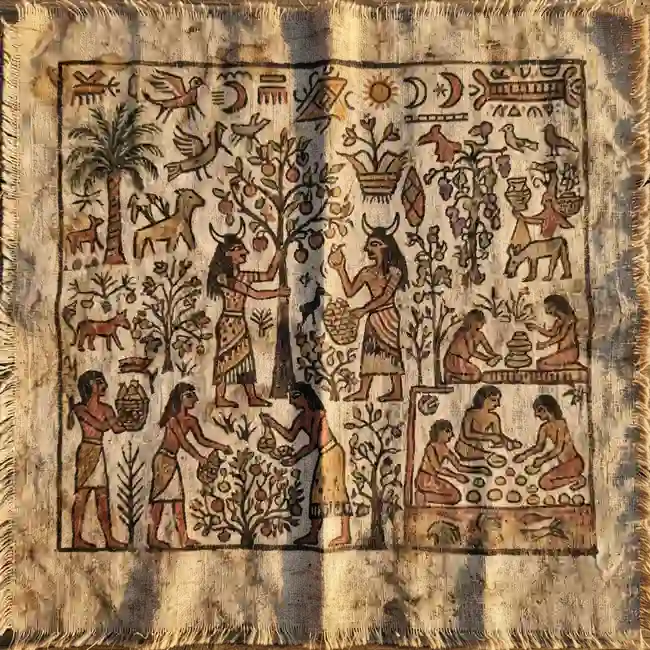
🧱 📜 The Storyteller’s Intro: 5,000 Years of Ancestral Flavors
Hey friend, imagine this. Before sugar was even a thing, before cookbooks existed, there was a civilization that was literally writing down how to make sweets on clay. Not paper. Clay.
Welcome to Babylon, the beating heart of Mesopotamia. When we say 5,000 years of flavor, we are not exaggerating. We are talking about the cradle of civilization itself.
Let me break down the timeline for you, because this story is wild:
• The Ubaid & Uruk Period (c. 5000 - 3100 BCE): The Foragers Turn Farmers. This is where it all starts. People in southern Mesopotamia stopped just wandering and started taming the wild. They learned to cultivate the wild date palms along the Euphrates and forage for earthy treasures like wild pistachios, desert truffles called kamas, and fragrant wild herbs. This was the first chapter of sweet.
• The Sumerian Golden Age (c. 3100 - 2000 BCE): The First Recipe Writers. This is huge. The Sumerians invented writing, and one of the first things they wrote was... food. On cuneiform tablets, they recorded offerings of date cakes and honeyed breads to the goddess Inanna. They were the original food bloggers.
• The Old Babylonian Empire (c. 2000 - 1595 BCE): The Sweet Science. Under kings like Hammurabi, Babylon became a superpower. And with power came luxury. The royal kitchens started to perfect preservation. They mastered date syrup, called dišpu in Akkadian, which was their gold, their sugar, their everything. This is the era our Wild Earth Sweets truly exploded.
• The Neo-Babylonian Glory (c. 626 - 539 BCE): The Hanging Gardens Era. Think Nebuchadnezzar II. Think the Hanging Gardens, one of the Seven Wonders. The gardens weren't just pretty; they were a living pantry of exotic fruits, herbs, and nuts brought by caravans. Sweets became sacred, political, and deeply indulgent.
So when we say Babylonian Wild Earth Sweets & Foraged Bites, we aren't talking about candy. We are talking about survival food turned into temple food turned into royal luxury. It's earthy, smoky, sticky, nutty, and 100% from the wild earth.
🌿 Why Babylonian Sweets Were Different
• No Cane Sugar, No Problem: They had never seen refined sugar. Their sweetness came entirely from nature: wild date honey, fig honey, grape syrup, and the honey of wild bees from the Zagros Mountains.
• Foraged is the Standard: Before farming dominated everything, foraging was prestige. Finding rare desert truffles after a thunderstorm or wild pistachios in the northern hills was considered a gift from the gods.
• Sweet = Sacred: Sweets were never just snacks. They were offerings. A bowl of date and nut paste could buy you favor from the gods, seal a business contract, or celebrate a new moon festival.
• Clay Oven Magic: Everything was baked in a tinûru, a cylindrical clay oven just like a tandoor. It gave their flatbreads and honey cakes that smoky, earthy crust you can still smell in Iraqi villages today.
📜 Iconic Excavated Menus: From Clay Tablets to Palace Kitchens
Okay, this is my favorite part. We actually KNOW what they ate because archaeologists found the Yale Babylonian Culinary Tablets. Three clay tablets from around 1750 BCE, now at Yale University, with 25 recipes for stews and... yes, sweets. Here are the legendary foraged and wild earth sweets that have been decoded by food historians.
🍯 The Temple & Palace Archive Sweets
• Mersu - The Royal Date & Pistachio Confection: This is THE Babylonian sweet. Found on multiple offering lists from the Temple of Marduk. It is described as crushed dates, roasted pistachios from the northern forests, and a splash of aromatic oil, kneaded into diamond-shaped bites and rolled in toasted barley flour. It was the power bar of ancient kings.
• Ninda LAL - The Honey Cake of Ishtar: Ninda means bread/cake, LAL means honey/syrup. This was a leavened cake made with emmer wheat, date syrup, and wild bee honey, often shaped like the eight-pointed star of Ishtar. Offered to the goddess of love and war for fertility and victory.
• Qullupu - Foraged Nut & Date Fritters: A recipe mentioned in palace ration lists. Wild almonds and pistachios pounded with dried figs and dates, formed into little balls, then lightly fried in sesame oil and drizzled with grape syrup. Crispy outside, chewy and wild inside.
• Kamanu - The Desert Truffle & Barley Honey Bite: Not sweet-sweet, but an earthy-sweet delicacy. Kamas, the rare desert truffles that pop up after winter rains in the Syrian desert, were foraged by nomads, sliced thin, dried, then folded into a sweetened barley paste with date honey. It was the truffle chocolate of 2000 BCE.
• Gug2-Gug2 - The Crunchy Sesame-Date Snap: We love the name. This is from Sumerian temple records. A brittle made from toasted sesame seeds, crushed dates, and wild thyme honey, pressed flat and baked until crisp. It was given to children during festivals. Ancient granola bar vibes.
• Liptum - Wild Fruit Leather with Herbs: Thin sheets of sun-dried fig and apricot pulp mixed with foraged wild mint and coriander seeds. Rolled up and carried by caravan traders for energy across the desert. Tart, sweet, and herby all at once.
• Karu Date Baskets - Edible Offering Vessels: Tiny baskets woven from thin barley dough, baked hard, then filled with a compote of wild pomegranate seeds, chopped dates, and crushed pistachios soaked in date syrup. You ate the filling and the basket. Zero waste, 100% Babylonian genius.
🗺️ Babylonian Ancient Culinary Tourism: Mapping Flavors to Historic Landscapes
If you want to taste history where it was born, you have to follow the dates. A Babylonian food pilgrimage is not about restaurants; it is about landscapes that still produce the same wild ingredients 5,000 years later.
• Babylon & Hillah, Iraq - The Heart of Sweetness: Stand before the reconstructed Ishtar Gate in modern Hillah. The fields around here are still filled with date palms that are direct descendants of Babylonian groves. Visit a local date market and ask for Barhi or Zahidi dates, the closest you will get to ancient varieties. The way they sell date syrup in clay jugs? Unchanged.
• The Zagros Mountain Foothills - The Foragers' Paradise: In northern Iraq and eastern Syria, Kurdish and Bedouin foragers still hunt for kamas truffles in late winter and wild pistachio trees in late summer. Join a local foraging walk if you can. This is where the palace chefs got their luxury ingredients.
• Ur & Eridu Marshes - The Wild Herb & Honey Trail: The southern marshes near Nasiriyah. Here, Ma'dan (Marsh Arab) beekeepers still collect wild honey from reeds, and women forage for wild samphire and salty desert herbs that Babylonians used to balance the sweetness of their cakes.
• Museum Tip for Foodies: Before you go, stop at the Iraq Museum in Baghdad and the Louvre's Mesopotamian wing. Look for the tiny clay tablets with cuneiform dots. Those dots are quantities: 1 sila of dates, 2 sila of honey. It's a grocery list from 1750 BCE. Chills.
🚣 The Fertile Crescent & Riverbed Agriculture: Where Sweetness Grew Wild
We cannot talk about Babylonian sweets without talking about two rivers: the Tigris and the Euphrates. The Greeks called this the Fertile Crescent for a reason. This muddy, flood-prone paradise is why sweets were even possible.
• The Annual Flood = Natural Fertilizer: Every spring, the rivers flooded, leaving behind thick, black, nutrient-rich silt called idranum. The Babylonians didn't need chemical fertilizer. This silt made their date palms produce fruit so sweet it was said to be kissed by the gods.
• Date Palm: The Tree of Life: A single Babylonian text says a date palm had 360 uses. For sweets, every part mattered. The fruit fresh, dried as suluppu, boiled down into thick dišpu syrup that lasts for years without spoiling, and even fermented sap was used as a natural sweetener. There were over 300 varieties recorded in Babylonian times.
• Emmer & Einkorn Wheat: The Earthy Base: Modern wheat is too soft. They used ancient emmer, a tough, nutty, high-protein wheat that grew wild in riverbeds. When stone-ground and mixed with date syrup, it created a dense, fragrant, slightly sour dough that balanced the intense sweetness perfectly.
• Sesame & Wild Flax: The Oil & Crunch: The Euphrates banks were covered in wild sesame. Pressed into oil for frying qullupu fritters and toasted for sprinkling on gug2-gug2 brittle, it added a smoky, nutty depth that sugar alone could never give.
• River Foraging Culture: Children and women would wade into the drying floodplains after the waters receded to collect wild water chestnuts, lotus rhizomes (which were dried and ground into sweet flour), and wild licorice root, which was chewed like candy and used to sweeten bitter herbs.
🏜️ Oasis & Desert Trade Route Banquets: Caravan Luxuries
Babylon was not isolated. It was the Amazon warehouse of the ancient world. Everything passed through it. And the desert caravans brought the most incredible sweet treasures for royal banquets.
• The Incense & Spice Road Connection: Caravans from Dilmun (modern Bahrain) and Magan (Oman) didn't just bring copper; they brought wild frankincense tears and myrrh that were ground into a fine powder and added in tiny amounts to honey cakes to make them smell divine, like a temple.
• The Northern Nut Routes: Donkey caravans from the Zagros and even the Caucasus brought sacks of wild pistachios, almonds, and walnuts. In Babylon, these were not common. A bowl of mersu loaded with pistachios was a flex, a way to show you had trade connections.
• Oasis Stops as Sweet Banks: Places like Palmyra and the oases of the Syrian desert were the ancient version of convenience stores. Traders would store their dried fig leathers, date blocks, and sesame brittles there. The dry desert air was the perfect natural dehydrator and preservative.
• The Banquet Ritual: A Babylonian banquet description from a tablet says: First, savory lamb stews, then the table was cleared and servants brought sweet earth bites on lapis lazuli plates. They were eaten with the fingers, with a sip of cool water from a clay jar infused with mint. The idea was to end with the earth's own sweetness, to thank the land for its bounty. This is mindful eating, 4,000 years before it was trendy.
🤔 Ancient Civilization FAQ: Unlocking Palace Kitchen Mysteries
Q1.Did Babylonians really have no sugar? What made things sweet then?
Exactly, zero cane sugar. Cane sugar arrived from India much, much later. Their entire sweet universe was built on what we now call whole-food sweeteners. Number one was date syrup, dišpu, made by boiling down dates for hours until it became a thick, dark, caramel-like molasses. Then fig syrup, grape syrup called karānu, and true wild bee honey, which was so precious it was often reserved for the gods and the king. That is why their sweets taste so complex, smoky and fruity, not just pure sweet.
Q2.Are these recipes actually real or just guesses by historians?
They are real, but they are puzzles. The Yale tablets give ingredients and vague instructions like "pound, add water, bake." There are no oven temperatures or exact grams. Food historians like Jean Bottéro and Laura Kelley have spent decades decoding the Akkadian words for plants and techniques, then recreating them in modern kitchens with clay ovens. So mersu and gug2-gug2 are based on direct translation, but the final texture is an educated, delicious revival.
Q3.What is the most unusual foraged ingredient they used?
Without a doubt, the desert truffle kamas and wild licorice root. Kamas truffles are not like European truffles; they are milder, nuttier, and grow underground in the desert after lightning storms. Babylonians thought they were made by thunder. They dried them and added them to sweet barley cakes for an umami-sweet flavor we have completely forgotten today. And wild licorice root was foraged along canals and chewed, giving a natural anise sweetness to everything.
🧠 Final Thoughts: The Timeless Allure of Antique Gastronomy
So here we are, friend. We started with mud and ended with royal candy.
What I love most about Babylonian Wild Earth Sweets & Foraged Bites is that they remind us sweetness does not have to come from a factory. It can come from a sun-scorched date palm that survived a flood, from a truffle found after a storm, from bees hidden in a mountain cliff.
These sweets were not about indulgence for the sake of it. They were about gratitude. Every bite of mersu was a thank you to the rivers, to the desert that preserved it, to the forager who found it, and to the goddess who blessed it.
In our next deep dive, we are going full hands-on. I will be recreating the actual Mersu and Gug2-Gug2 brittle in a modern kitchen, with exact measurements, clay oven hacks, and where to find authentic date syrup near you. We will taste 5,000 years in one bite.
Stay curious, stay hungry for history.
🏛️ Credit to the Keepers of the Culture (The Legacy)
Deep respect and gratitude to the guardians of this incredible heritage.
This article is built on the pioneering work of Assyriologists like Jean Bottéro who first translated the Yale Babylonian Culinary Tablets, and the culinary historians at Yale University and the British Museum who preserve these fragile clay recipes.
Our deepest honor goes to the people of Iraq, the Marsh Arabs, Kurdish foragers, and Iraqi date farmers who have kept the cultivation of ancient date varieties, emmer wheat, and foraging traditions alive for 5,000 unbroken years. Their hands, their palms, and their ovens are the true living library.
We also acknowledge the Iraqi State Board of Antiquities and Heritage and UNESCO World Heritage efforts in Babylon for protecting the land where these flavors were born.
🏛️🍯 We Finally Tasted It: Babylon's 5,000-Year-Old Sacred Honey Sweet
👉 Indulge in Babylonian Delights: Wild Earth Sweets & Foraged Bites
| 🌐 🏛️🍯 < Back | 🧱 🍲 < Previous | Next > 🧪 🧱 |