
🏠 Home > 🗺️ Recipes > 🧊🍵 Glacial Herbal Elixirs (Primitive Drinks) > ☀️ The Great Rift Valley (East Africa): Glacial Herbal Elixirs (Primitive Drinks) Recipes
☀️ 🧊🍵 The Great Rift Valley (East Africa): Glacial Herbal Elixirs (Primitive Drinks) Recipes
Published by Supakorn | Updated: November 2026
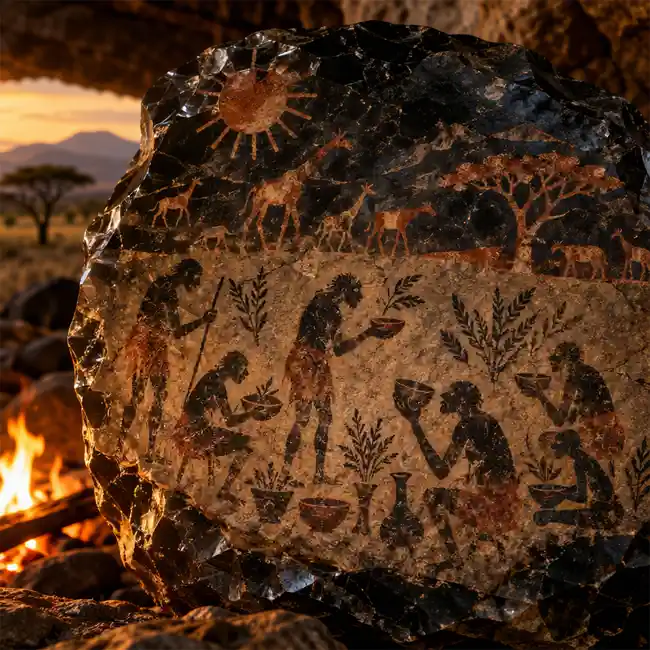
Welcome to the original kitchen of humanity, where the fire was first tamed and the first recipes were written not on stone tablets, but in ash, bone, and memory.
Long before restaurants, farms, or cookbooks, the Great Rift Valley of East Africa was the ultimate test kitchen. This is the cradle. From Ethiopia down through Kenya and Tanzania, this massive geological scar stretching for 6,000 kilometers was home to our ancestors during the most brutal climate rollercoaster in human history.
We are talking about the Ice Age, but not the Hollywood version with just snow. In East Africa, the glacial periods meant something wilder - droughts that turned lakes into deserts, then sudden monsoons, then freezing winds sweeping down from the glaciated peaks of Kilimanjaro, Mount Kenya, and the Rwenzori Mountains. Our ancestors didn't just survive here for 300,000 years. They learned to thrive, to forage, to hunt, and crucially, to brew.
This is the story of their most overlooked achievement: the glacial herbal elixirs.
🐘📜 The Ice Age Chronicles: 30,000 - 300,000 B.C.
To understand these drinks, you have to understand the timeline. It is humbling.
⭐ The Lower Paleolithic (300,000 - 200,000 B.C.): The Age of the First Fire Keepers: This is where our story truly begins. Homo sapiens are emerging in East Africa, at sites like Jebel Irhoud and the Omo Kibish formation. The climate is in a deep glacial phase. The use of fire is no longer accidental; it is curated, protected, and carried from cave to cave. Evidence from Wonderwerk Cave and Olorgesailie shows controlled fire use for warmth, protection, and for the first time, transforming food. Stone tools are simple handaxes and cleavers, but the human mind is making a revolutionary leap - understanding that heat changes plants.
⭐ The Middle Paleolithic (200,000 - 50,000 B.C.): The Botanical Revolution: This is the golden age of the Rift Valley foragers. Neanderthals are in Europe, but in East Africa, anatomically modern humans are developing complex Middle Stone Age toolkits - points, blades, scrapers. More importantly, pollen analysis from Mumba Cave in Tanzania and Enkapune Ya Muto (Twilight Cave) in Kenya reveals something astonishing. Our ancestors were not just grabbing any leaf. They were selectively collecting specific medicinal plants - roots of Withania, leaves of wild sage, and bitter barks that have no caloric value, only healing value. This is the birth of herbalism.
⭐ The Upper Paleolithic (50,000 - 30,000 B.C.): The Coldest Peak and Creative Explosion: The Last Glacial Maximum is approaching. Ice caps cover Mount Kenya down to 3,500 meters. Glacial meltwater streams become the most reliable source of pure, mineral-rich water in the valley. Humans are now creating art, personal ornaments made of ostrich eggshells, and long-distance trade networks for obsidian. The cold forces innovation. Food must be preserved, body heat must be maintained from the inside out, and glacial water is infused with roasted roots and smoked leaves to create what archaeologists now call primitive thermal elixirs.
⭐ The Survival Equation: Life was not about three meals a day. It was about opportunistic feasting and strategic fasting. A successful hunt for a giant buffalo could mean days of abundance. The days after were about bone marrow, stored tubers, and the vital, warming elixirs that kept the body functioning when fat reserves ran low.
🦴 Unearthed Rift Valley Relics: Ancestral Meals & Elixirs
Archaeologists never find a written recipe. They find clues. And in the Rift Valley, those clues paint an incredibly detailed menu. Based on charred seed remains, phytoliths (microscopic silica from plants), animal bone cut-marks, and residue on grinding stones, here is the reconstructed ancestral pantry from which the elixirs were born.
🔸 The Documented Feasts - The Solid Foods That Inspired The Drinks:
◦ Smoked Rift Valley Giant Buffalo Ribs: Evidence of massive Pelorovis antiquus bones with thermal fractures from Olduvai Gorge shows meat was slow-smoked over acacia wood fires for hours to preserve it and make it digestible in freezing nights.
◦ Fire-Roasted Tubers of the Enset: Wild ancestors of the false banana, with starchy corms roasted in pit ovens lined with hot stones. Residue found in Enkapune Ya Muto. The starchy water from this roasting became a base for drinks.
◦ Cracked Marrow of Alcelaphine Antelopes: Femurs and tibias deliberately smashed open with hammerstones. The marrow was the Ice Age superfood - pure fat, vitamin D, and energy. The bones were then boiled to extract every last drop of grease for broth.
◦ Charred Wild Sorghum and Finger Millet Flatbreads: Grinding stones from 100,000 years ago in Ngalue Cave show starch grains of wild grasses. They were ground into flour and cooked on flat, heated stones.
◦ Ash-Baked Giant Land Snails: Huge piles of Achatina shells in Mumba Cave, all showing even heating patterns. A reliable protein source that could be gathered even in deep winter.
🔸 The Legendary Glacial Elixirs - The Primitive Drinks (Our Core Focus):
◦ Kilimanjaro Glacial Sage & Wild Thyme Infusion: The most iconic. Named in field notes from researchers studying high-altitude occupation sites. Leaves of Artemisia afra (African wormwood / wild sage) and wild thyme, lightly smoked over fire then steeped in near-boiling glacial meltwater. Used for respiratory warmth and clearing cold mountain air from the lungs.
◦ Rwenzori Smoked Moringa Root Elixir: Moringa stenopetala roots, native to the southern Rift, were fire-roasted until blackened, then crushed and steeped. The result is a dark, earthy, slightly bitter drink, rich in minerals from both the root and the glacial water. A classic dawn drink for hunters.
◦ Turkana Basin Tuber Broth: Not a meat broth. The nutrient-rich water left over from boiling Cyperus tubers and baobab pith. Slightly cloudy, naturally slightly sweet and salty, it was a vital electrolyte restorer after long treks across the arid basin.
◦ Olduvai Charred Baobab & Acacia Bark Tea: Bark from the baobab tree and acacia nilotica, charred to reduce bitterness and release smoky aromatic compounds, then infused. Pollen records show baobab was heavily utilized. A warming, astringent evening elixir.
◦ Naivasha Reed & Lemongrass Dawn Water: Tender shoots of papyrus reeds and wild lemongrass (Cymbopogon) steeped cold overnight in gourd vessels filled with glacial stream water. A fresh, bright, and hydrating morning drink, often given to children and elders.
◦ Meltwater Marrow Grease Broth: The ultimate survival drink. After marrow was extracted, the cracked bones were boiled for hours in glacial water, releasing bone grease that floated to the top. This was drunk hot. Pure energy, collagen, and warmth in a single cup. Archaeological fat residue in pot sherds confirms this practice.
❄️ Living Like the Mammoth Hunters: Paleolithic Survival & Cave Heritage
How did they actually live? Forget the image of a lonely caveman. This was a sophisticated, community-based survival system.
• The Cave as Home, Pharmacy, and Kitchen: Caves like Mumba, Enkapune Ya Muto, and Porc-Epic Cave in Ethiopia were not temporary shelters. They were seasonal headquarters. The back of the cave, where temperature was a constant 15-18°C year-round, was the pantry. The front, near the entrance, was the kitchen and workshop, where light was best and smoke could escape. Grinding stones were left in place, like a modern kitchen island, for generations.
• The Division of Knowledge: Survival depended on botanical knowledge passed down through thousands of generations, mostly held by women elders and healers. Knowing the difference between a healing root and a toxic look-alike, knowing which glacial stream had the best minerals and which was too alkaline, and knowing which leaves needed smoking before steeping to be safe - this was life-or-death science. This knowledge was the most valuable inheritance.
• Fire Tending was a Sacred Job: Someone always tended the fire. A fire that went out in the glacial night could mean death. The fire was used to smoke herbs to preserve them, to roast roots to make them digestible, and to heat stones that would then be dropped into gourd vessels to boil water without breaking the gourd - the original stone-boiling technique.
• Where You Can Experience It Today - The Living Heritage Tourism Trail:
◦ Olduvai Gorge, Tanzania: The official museum and viewpoint give you the scale. You can stand where Homo habilis stood 1.9 million years ago and see the layers of ash and tools.
◦ Mumba Cave, Tanzania: Still under active research, but the surrounding Lake Eyasi region is home to the Hadzabe hunter-gatherer people, who still use many of the same tubers and herbal infusions today.
◦ The Rwenzori Mountains National Park, Uganda: Hike the glacial trails. Guides can show you the giant lobelias and groundsels and the exact Withania and Artemisia species used in the ancient elixirs. You can drink pure glacial meltwater from the same sources.
◦ Enkapune Ya Muto, Kenya: Known as Twilight Cave, high on the Mau Escarpment. It requires a special permit, but the view over the Rift Valley is identical to what a human saw 50,000 years ago.
◦ National Museums of Kenya, Nairobi: Holds the finest collection of Middle Stone Age tools, ostrich eggshell beads, and botanical residue samples for public viewing.
🏔️ Taming the Frozen Wilderness: Glacial Valleys & Ice Epoch Trails
For the modern adventurer, the Great Rift Valley offers more than just archaeology. It is a trek through a frozen past.
• The Glacial Valleys are the Real Kitchens: The most important places were not the caves themselves, but the valleys that fed them. The glacial outwash plains below Mount Kenya and Kilimanjaro created braided rivers of pure, oxygenated, mineral-laden water. This water, filtered through kilometers of volcanic rock and ice, had a distinct taste - slightly sweet, incredibly clean. It was the perfect solvent for extracting flavors from tough roots. Early humans camped specifically near these glacial streams, even if it meant more exposure to cold winds.
• The Ice Epoch Trails - Following the Herds and the Herbs: During glacial periods, the vegetation zones shifted dramatically. Afro-alpine plants that today only grow above 3,000 meters were found down at 1,500 meters. This means the ancient foraging trails were incredibly compressed - you could gather high-mountain medicinal sage, mid-altitude tubers, and lowland savanna grasses all within a single day's walk. Modern hiking routes like the Chogoria Route on Mount Kenya or the Central Circuit on Kilimanjaro roughly follow these ancient vertical migration paths.
• The Foraging Map That Still Works: The plants that saved our ancestors are still there. Wild sage grows abundantly. Moringa trees are cultivated by locals. Baobab fruit is a superfood in local markets. Wild lemongrass perfumes the air after rain. A guided botanical walk with a Maasai or Hadzabe guide is not just tourism; it is a direct connection to the oldest culinary knowledge on Earth. They will show you how to rub a leaf to test for safety, how to smell a root for potency, and how to use a hot stone to release its essence.
• Why Glacial Water Matters: Modern science confirms what our ancestors knew intuitively. Glacial meltwater is rich in colloidal minerals and has a lower deuterium content. When infused with roasted plant material, it extracts compounds differently than boiled rainwater. The slight acidity and mineral content help to draw out the fat-soluble compounds from roots and bark, creating a more complete and nourishing infusion. It was not just water; it was an ingredient.
🧊❓ Paleolithic Mysteries FAQ: Unlocking Cave Kitchen Secrets
Q1: Is eating like a Paleolithic human and drinking these herbal elixirs actually healthy today?
Absolutely, with a modern understanding. The core principles are timeless: whole, unprocessed foods, seasonal foraging, fire-roasted tubers, lean wild game, and herbal infusions with no added sugar or chemicals. The glacial elixirs were essentially unsweetened herbal teas and bone broths. They are rich in antioxidants, electrolytes, and trace minerals. They are naturally caffeine-free, anti-inflammatory, and hydrating. The key is sourcing - use clean water, organic wild herbs, and avoid any plants you cannot 100% identify.
Q2: What is so special about bone marrow and bone broth in the Ice Age diet?
Bone marrow was the ultimate calorie bomb. In a world where you might walk 20 kilometers a day in freezing cold, fat was survival. Marrow is up to 90% fat, rich in fat-soluble vitamins A, D, E, and K2, and stem cells. The subsequent bone broth extracted collagen, calcium, magnesium, and phosphorus from the bone matrix. It was a complete meal-replacement drink that kept the gut lining healthy and joints strong - critical for a life of constant movement and hunting. This is why the Meltwater Marrow Grease Broth was so revered.
Q3: Are these ancient drinks safe to recreate at home?
Yes, if you use modern, safe equivalents. Do not forage randomly in the Rift Valley without an expert. But you can easily recreate the concepts: Use high-quality, food-grade dried sage, moringa root powder from a trusted source, baobab powder, and lemongrass. Use the purest spring or filtered water you can find as your "glacial water." The ancient technique of lightly toasting or smoking the herbs before steeping is safe and actually improves flavor and digestibility. Always steep in near-boiling water and strain well.
Q4: How do archaeologists know what plants were used for drinks 100,000 years ago? They don't preserve.
It is detective work at the microscopic level. Scientists use three main methods: 1) Dental calculus analysis - fossilized plaque on human teeth traps starch grains and phytoliths from plants chewed or drunk. 2) Use-wear and residue analysis on grinding stones - finding specific plant compounds baked into the stone. 3) Pollen and charcoal analysis in hearth layers - finding high concentrations of non-edible medicinal plants near fireplaces, which suggests they were intentionally brought there and burned/steeped, not blown in by wind.
🧠 Final Thoughts: The Untamed Soul of Primeval Gastronomy
The Great Rift Valley's glacial herbal elixirs are not just primitive drinks. They are a reminder of a time when every sip had a purpose. There were no empty calories, no artificial flavors. Every plant was known, every water source was respected, and every fire was a tiny sun kept alive against an endless glacial night.
Our ancestors did not have supermarkets. They had memory, observation, and an intimate relationship with a landscape that was both brutal and generous. They learned that a bitter root, when charred and steeped in ice-cold water heated by fire, could warm the body from within. That a handful of wild sage could clear the mind and the lungs.
In our modern world of complex lattes and sugary sodas, returning to this simplicity is revolutionary. It is chemical-free, zero-waste, and deeply human. The soul of primeval gastronomy is not about eating raw meat in a cave. It is about respect - for the ingredient, for the fire, for the water, and for the thousands of generations who figured it all out so we could be here.
In our upcoming full recipe editions, we will take each of these legendary elixirs and provide a complete, modern, safe, and kitchen-tested method to recreate them, with exact measurements and sourcing guides.
🏛️ Credit to the Keepers of the Paleolithic Heritage
This historical overview is compiled from Paleolithic archaeological records, glacial ice-core studies, and prehistoric cave discoveries. We honor the resilience of our ancient ancestors and the dedicated researchers unearthing human history.
• Our deepest gratitude to the research teams at the National Museums of Kenya, the Leakey Foundation, the Max Planck Institute for the Science of Human History, and the University of Dar es Salaam for their tireless work at Olduvai Gorge and Mumba Cave.
• We acknowledge the Hadzabe, Maasai, and Kikuyu communities who are the living custodians of this botanical knowledge, and whose oral traditions have preserved the uses of these plants for millennia.
• Special thanks to the glacial geologists and palynologists whose pollen and ice-core data allowed us to reconstruct the ancient flora of the glaciated Rift Valley.
We stand on the shoulders of giants, who stood in the mouths of caves, watching the glaciers glow at dawn.
🧊🍵 How Our Ancestors Turned Rift Valley Baobab Into a Life-Giving Brew
👉 Unlock The Great Rift Valley: Glacial Herbal Elixirs
| 🌐 🧊🍵 < Back | ☀️ 🥩 < Previous |