
🏠 Home > 🗺️ Recipes > 🧊🥩 Ice Age Ancestral Feast (Paleo Food) > ☀️ The Great Rift Valley (East Africa): Ice Age Ancestral Feast (Paleo Food) Recipes
☀️ 🧊🥩 The Great Rift Valley (East Africa): Ice Age Ancestral Feast (Paleo Food) Recipes
Published by Supakorn | Updated: November 2026
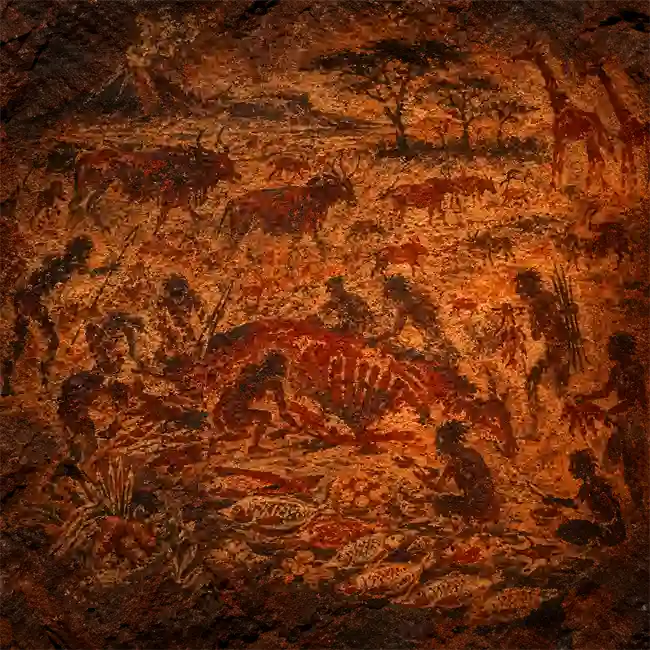
🦏📜 The Ice Age Chronicles: 30,000 to 300,000 B.C.
• Welcome to Humanity’s Cradle: Imagine standing on the vast, sweeping plains of the East African Rift System during the Pleistocene epoch. Between 30,000 and 300,000 years ago, our early Homo sapiens ancestors walked these lands, navigating dramatic shifts in climate, intense volcanic eruptions, and fluctuating moisture cycles while northern continents were locked under thick glaciers.
• Surviving the Climate Rollercoaster: While northern Europe and America were frozen beneath massive ice sheets, East Africa experienced severe mega-droughts alternating with lush, rain-filled periods. Our ancestors survived not by staying comfortable, but by mastering incredible adaptability and learning to read every subtle signal of the wild landscape.
• The Evolution of the Lower, Middle, and Upper Paleolithic:
◦ Lower Paleolithic Origins: Early hominins relied on simple Acheulean stone handaxes to butcher large game and crack open heavy limb bones.
◦ Middle Paleolithic Innovations: By 300,000 years ago, early modern humans crafted refined Levallois flake tools, attached sharp stone tips to wooden spears, and began using fire systematically.
◦ Upper Paleolithic Mastery: By 30,000 years ago, complex language, artistic cave engravings, advanced trap systems, and precise composite tools transformed early humans into the ultimate apex foragers.
• Taming Fire as the First Kitchen: Sparking fire was the single greatest technological leap in human history. Fire didn't just provide warmth against chilly high-altitude African nights and keep terrifying predators at bay; it unlocked a brand-new way of digesting food.
• How Fire Transformed Human Brains: Cooking softened tough muscle fibers, neutralized plant toxins, and broke down complex starches. This pre-digestive help allowed our ancestors to absorb far more calories with much less digestive effort. Over thousands of generations, our gut size shrank, and our energy-hungry brains expanded rapidly, paving the way for modern human intelligence.
🦴 Excavated Rift Valley Relics: Ancestral Meals & Wild Infusions
✦ Unlocking Archaeological Secrets: Everything we know about early human food traditions comes from careful excavations across East Africa. Microscopic phytolith analysis, burnt bio-markers in soil, isotope testing on fossil teeth, and butchery marks on ancient animal bones paint a vivid picture of the original Paleo feast.
✦ Spit-Roasted Savannah Antelope:
Archaeological Context: Discovered at famous fossil sites around Lake Turkana and Olorgesailie.
The Ancestral Meal: Whole quarters of wild gazelle, wildebeest, and giant eland suspended directly over open acacia wood embers.
Flavor & Texture Profile: Intensely savory, deeply smoky, lean, and infused with the natural saltiness of wild animal fat.
✦ Fire-Cracked Marrow Bone Delicacy:
◦ Archaeological Context: Heavy limb bones cracked with hammerstones found at Olduvai Gorge.
◦ The Ancestral Meal: Thick long bones of ancient ungulates roasted directly in hot ash beds, then split open to reveal warm, buttery bone marrow.
◦ Flavor & Texture Profile: Rich, velvety, melt-in-your-mouth fat loaded with vital nutrients and dense calories.
✦ Ash-Baked Rift Valley Tubers:
◦ Archaeological Context: Starch granules found on stone scrapers at Klasies River and East African cave floors.
◦ The Ancestral Meal: Wild fibrous roots and starchy water lily rhizomes buried under glowing hardwood ashes to soften their tough fibers.
◦ Flavor & Texture Profile: Earthy, nutty, mildly sweet, with a crunchy charred outer skin.
✦ Clay-Enclosed Game Bird Roast:
◦ Archaeological Context: Avian bone clusters surrounding ash pits near prehistoric lake margins.
◦ The Ancestral Meal: Wild guineafowl wrapped in moist riverbank clay and buried under red-hot coals until the clay hardened into a naturally sealed oven.
◦ Flavor & Texture Profile: Incredibly juicy, delicate meat infused with natural earthy aromas, cooked in its own rich juices.
✦ Stone-Seared Lake Catfish Flakes:
◦ Archaeological Context: Massive catfish skull fragments and burnt fish bones excavated near Lake Victoria and Lake Baringo.
◦ The Ancestral Meal: Freshly caught freshwater fish fillets pressed flat onto sun-heated slate stones positioned directly over hearth coals.
◦ Flavor & Texture Profile: Flaky, tender flesh featuring a lightly crisp exterior and clean, freshwater flavors.
✦ Wild Baobab & Acacia Berry Crumb:
◦ Archaeological Context: Fossilized seed coats and tartaric acid traces uncovered in Paleolithic cave hearths.
◦ The Ancestral Meal: Tart baobab fruit pulp mixed with sun-dried wild berries and crushed acacia seeds into a portable high-energy snack.
◦ Flavor & Texture Profile: Tangy, citrus-like, highly refreshing, with a satisfying dry, crumbly texture.
✦ Steeped Wild Hibiscus & Mint Decoction:
◦ Archaeological Context: Fossil pollen grains of Hibiscus and aromatic Lamiaceae species found around ancient fire pits.
◦ The Ancestral Meal: Dried wild hibiscus calyces and crushed bush mint steeped in pure spring water heated by dropping fire-hot stones into wooden or animal-hide containers.
◦ Flavor & Texture Profile: Deeply tart, ruby-red, cooling, invigorating, and naturally aromatic.
✦ Sun-Dried Wild Fig & Tamarind Elixir:
◦ Archaeological Context: Fruit seed deposits near high-altitude Rift Valley rock shelters.
◦ The Ancestral Meal: Dried mountain figs and sour tamarind pods soaked in clean volcanic spring water to extract natural fruit sugars.
◦ Flavor & Texture Profile: Sweet, tangy, rich in natural electrolytes, and deeply soothing after a long hunt.
🍖 Featured Prehistoric Menus
✨ Spit-Roasted Savannah Antelope with Ash-Crusted Wild Herbs
• Tender cuts of wild antelope suspended over glowing hardwood acacia coals, slowly seared to seal in natural juices and crusted with fire-charred bush herbs and natural mineral salts.
✨ Fire-Cracked Marrow Bone Feast
• Heavy ungulate limb bones slow-roasted directly in deep bed embers, cracked open to reveal rich, buttery, melt-in-your-mouth marrow packed with dense essential fats and nutrients.
✨ Ash-Baked Rift Valley Tubers & Wild Rhizomes
• Hearty wild roots and water lily tubers buried under red-hot ash to break down tough fibers, yielding a crisp charred skin with a warm, nutty, and naturally sweet interior.
✨ Clay-Enclosed Game Bird in Native Leaf Wrap
• Wild fowl wrapped in aromatic wild greens and sealed within moist riverbank clay, baked under open coals until the clay hardens into a natural oven that steams the meat in its own rich juices.
✨ Stone-Seared Lake Catfish Fillets
• Freshly caught rift lake catfish pressed onto sun-heated slate stones resting over hearth embers, producing delicate, flaky fish with a lightly crisped outer edge and clean, natural flavors.
✨ Wild Baobab & Acacia Berry Crumb
• A dense, portable energy blend of tart baobab fruit pulp, crushed wild berries, and ground acacia seeds, offering a tangy, citrus-like crunch rich in natural antioxidants.
✨ Steeped Wild Hibiscus & Bush Mint Infusion
• A refreshing, deep-red herbal elixir made from wild dried hibiscus calyces and crushed bush mint, steeped in spring water using fire-heated stones for a cooling, aromatic taste.
✨ Sun-Dried Mountain Fig & Tamarind Elixir
• A sweet and tangy tonic crafted from dried wild figs and sour tamarind pods soaked in clean volcanic spring water, loaded with natural sugars and wild electrolytes.
❄️ Living Like the Pleistocene Foragers: Paleolithic Survival & Cave Heritage
• Nomadic Rhythm of the Band: Our East African ancestors lived in small, tightly knit bands of 20 to 50 individuals. They moved continuously across the Rift Valley landscape, following seasonal game migrations, rainfall patterns, and fruit-bearing seasons.
• The Original Division of Labor: Survival depended on teamwork and shared responsibility.
◦ The Hunters: Small groups tracked swift savannah game across vast distances using endurance running, stone-tipped spears, and clever tracking techniques.
◦ The Foragers: Elders and young mothers gathered wild tubers, seeds, birds' eggs, fresh herbs, and medicinal bark using fire-hardened digging sticks.
• Natural Shelters and Hearth Socializing: Caves, rock shelters, and temporary brush windbreaks served as the center of daily social life. The central hearth was far more than a stove—it was where stories were shared, tools were chipped from obsidian, and meals were distributed equally to ensure the band's survival.
• Modern Cave Heritage & Historical Tourism Today: You can experience these ancient landscapes yourself!
◦ Olorgesailie Prehistoric Site (Kenya): Known globally for its incredible accumulation of Acheulean handaxes and fossilized butchered animal remains.
◦ Olduvai Gorge (Tanzania): "The Cradle of Mankind," featuring world-class museum exhibits showcasing early hominin footprints, tools, and ancient hearth sites.
◦ Enkapune Ya Muto (Twilight Cave, Kenya): An iconic high-altitude cave site revealing over 40,000 years of continuous human occupation, early obsidian blade technology, and ancient plant gathering evidence.
🏔️ Taming the Primeval Wilderness: Glacial Epoch Trails & Rift Valley Footsteps
• The Volcanic & Tectonic Backbone: The Great Rift Valley is a massive geological scar stretching thousands of kilometers across East Africa. During the Ice Age, active volcanoes like Mount Kilimanjaro and Mount Kenya wore glistening snowcaps, while floor valleys featured dramatic volcanic craters, cascading mineral springs, and fluctuating paleolakes.
• Ancient Migration Corridors: Early human bands navigated these steep escarpments and valley floors. Lake basins like Naivasha, Nakuru, and Turkana acted as vital oases, providing reliable fresh water, lush vegetation, and abundant game even during hyper-dry glacial periods.
• Exploring Primeval Landscapes as a Traveler:
◦ Lake Turkana Basin: Walk the rugged desert shores where early human fossils and primitive tools continue to wash out from ancient sedimentary layers.
◦ Hell’s Gate National Park: Hike through towering volcanic gorges, obsidian caves, and natural geothermal steam vents that look virtually identical to the landscape our ancestors explored 100,000 years ago.
◦ The Gregory Rift Escarpment: Trek historic ridge lines offering breathtaking views over vast grasslands, where wild herds still migrate along ancient Pleistocene routes.
🐘❓ Paleolithic Mysteries FAQ: Unlocking Cave Kitchen Secrets
Q1: How do archaeologists know what humans ate 300,000 years ago without written records?
Scientists use a combination of advanced techniques! They study microscopic wear patterns on fossilized teeth, analyze stable carbon and nitrogen isotopes preserved in ancient bones, extract fossilized plant starch and phytoliths from soil, and examine cut marks left by stone tools on excavated animal skeletons.
Q2: Why was bone marrow so critical to the early human diet?
Bone marrow was one of nature’s ultimate survival foods. Protected inside thick limb bones, marrow remained safe from bacteria and scavenging animals. It provided an exceptionally dense source of pure lipids, essential fatty acids, and fat-soluble vitamins that powered human brain growth during food shortages.
Q3: Did early Rift Valley humans eat a purely meat-based diet?
Not at all! The authentic Paleo diet was exceptionally diverse and opportunistic. Depending on the season and location, early humans consumed a rich mix of wild roots, tubers, seeds, berries, leafy greens, birds' eggs, freshwater fish, mollusks, insects, and wild game.
Q4: How did early humans cook food without metal pots or heatproof ceramic bowls?
They were surprisingly inventive! Our ancestors roasted meats directly on open coals or skewers, baked tubers directly inside hot ash, wrapped delicate foods in green leaves or river clay, and boiled water by dropping fire-heated stones into natural rock hollows or waterproofed animal hides.
🧠 Final Thoughts: The Untamed Soul of Primeval Gastronomy
◦ Reconnecting with Our Food Roots: Looking back at the food traditions of the Great Rift Valley reminds us of the profound relationship between humans, fire, and the natural world. Long before processed foods, modern additives, or industrial agriculture, human health was forged through raw vitality, natural seasonal variety, and deep physical connection to the land.
◦ The Ultimate Ancestral Wisdom: The original Paleo lifestyle wasn't a trendy diet craze—it was a dynamic survival strategy built on nutrient-dense whole foods, wild foraging, collective community meals, and continuous physical activity in the open air.
◦ Stay Tuned for Full Step-by-Step Culinary Guides: This historical exploration is just the beginning! Keep an eye out for our upcoming detailed recipe breakdowns, where we will show you how to recreate these ancient flavors in your modern kitchen using accessible ingredients, traditional grilling techniques, and natural herbal infusions.
🏛️ Credit to the Keepers of the Paleolithic Heritage
◦ Honoring Scientific Research: This historical overview is compiled from Paleolithic archaeological records, glacial ice-core climate studies, and prehistoric cave discoveries across East Africa. We deeply honor the resilience of our ancient ancestors and the dedicated international teams of archaeologists, paleoanthropologists, and geologists continuously unearthing human history.
◦ Recognized Research Partners & Archives: Special appreciation goes to the National Museums of Kenya, the Tanzanian Antiquities Division, the Leakey Foundation, and global paleoanthropological research institutions dedicated to preserving the origins of human heritage.
🧊🥩 Unlocking the 200,000-Year Rift Valley Fire Roast
👉 Revive The Great Rift Valley: Ice Age Ancestral Feast
| 🌐 🧊🥩 < Back | Next > 🍵 ☀️ |