
🏠 Home > 🗺️ Recipes > 🍱 Snacks > 🇱🇨 Saint Lucia Snacks Recipes
🇱🇨 🍱 Authentic Saint Lucia Snacks: Creole Street Bites & Caribbean Island Traditions
Published by Supakorn | Updated: November 2026
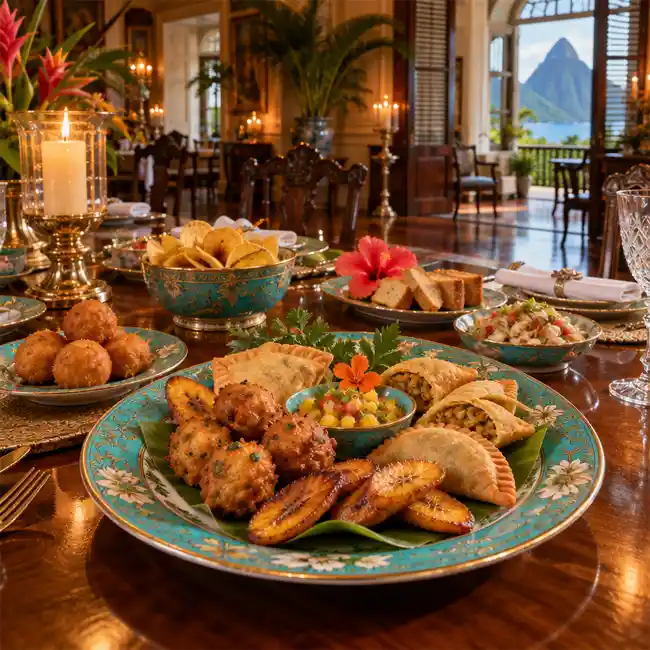
🌊🌴 Introduction: The Cultural Heritage of Saint Lucia Snacks
Saint Lucia is a Caribbean island where food is much more than something delicious to enjoy between meals. It is part of everyday life, family traditions, community celebrations, and the island's distinctive cultural identity. With its mixture of African, French, British, East Indian, and wider Caribbean influences, Saint Lucian cuisine has developed a personality that feels both familiar and wonderfully unique.
When exploring traditional Saint Lucia snacks, you will discover a colorful selection of freshly prepared savory bites, fried treats, baked specialties, tropical fruits, and sweet homemade delicacies. Some are simple everyday favorites sold at neighborhood bakeries and roadside stalls, while others are closely connected to family gatherings, local festivities, and traditional cooking practices.
The island's snack culture is especially interesting because it reflects the relationship between people, agriculture, and the surrounding Caribbean Sea. Locally available ingredients such as green bananas, cassava, coconut, sweet potatoes, breadfruit, fish, and tropical fruits have helped shape generations of home cooking.
You might find someone enjoying a warm bake in the morning, picking up a savory snack during a busy afternoon, or sharing homemade coconut treats with relatives and neighbors. These small eating moments reveal a lot about the island's relaxed yet lively food culture.
Saint Lucia snacks are also a wonderful introduction to the country's culinary heritage for visitors who want to experience something beyond familiar hotel and restaurant menus. Each bite offers a glimpse into local tastes, traditional ingredients, and the everyday rhythms of island living.
🍽️ The Art of Saint Lucian Dining Culture & Social Eating
Food in Saint Lucia has a strong social dimension. Eating is often an opportunity to connect with family, catch up with friends, welcome visitors, and celebrate important moments.
Unlike the idea that snacks are simply quick food eaten alone, many traditional island treats are naturally connected to sharing. A family might prepare a batch of fried bakes for everyone to enjoy, while homemade sweets can be passed around during visits or community celebrations.
Several aspects make Saint Lucian snack culture particularly interesting:
• Family-centered food traditions: Recipes and cooking habits are frequently passed between generations. Grandparents, parents, and younger family members may all contribute to preparing traditional foods.
• Freshly prepared everyday snacks: Warm baked goods and fried specialties are appreciated for their comforting texture and satisfying flavors.
• A connection to local agriculture: Root vegetables, bananas, cassava, coconuts, and other tropical ingredients have long played important roles in everyday cooking.
• Community food experiences: Local vendors, small bakeries, markets, and neighborhood food businesses help keep familiar flavors part of daily life.
• Seasonal celebrations: Traditional foods often appear during holidays, cultural events, family reunions, and other occasions when people gather.
One interesting feature of Saint Lucian food culture is its balance between practicality and enjoyment. Many snacks developed around ingredients that were accessible to local households, but that does not make them any less special. Simple ingredients can become memorable treats through familiar preparation methods and carefully preserved family traditions.
For visitors, enjoying a local snack is a relaxed way to experience the island. You do not always need a formal dining reservation or an elaborate restaurant experience. Sometimes, a freshly made bake from a neighborhood vendor offers a more personal introduction to everyday Saint Lucian life.
🏝️ Where Culture Meets Flavor: Iconic Food Tourism Spots
Food exploration in Saint Lucia becomes even more enjoyable when combined with the island's beautiful landscapes, historic communities, and coastal destinations.
Different parts of the island offer different opportunities to discover local food. Markets, village shops, bakeries, roadside food vendors, and community gatherings are excellent places to encounter traditional snacks.
Here are some destinations worth connecting with a Saint Lucian culinary adventure:
• Castries: The capital city is an important starting point for exploring everyday food culture. The Castries Market area is particularly interesting for visitors looking to discover tropical produce, local ingredients, and the atmosphere of traditional market life.
• Soufrière: Famous for its dramatic scenery and views of the Pitons, Soufrière offers an opportunity to connect local food experiences with one of Saint Lucia's most recognizable destinations. Visitors can explore the community, discover local cooking, and enjoy the surrounding natural attractions.
• Anse La Raye: This coastal fishing village is closely associated with seafood culture and community food events. Its Friday night fish-oriented gatherings are especially appealing to travelers interested in authentic local flavors.
• Gros Islet: Known for its lively community atmosphere and popular Friday night street gatherings, Gros Islet provides a memorable setting for experiencing local food alongside music and social activities.
• Dennery: This eastern coastal community is particularly associated with traditional fish preparations and local seafood culture. It is a worthwhile stop for anyone interested in the relationship between fishing communities and island cuisine.
• Marigot Bay: With its beautiful sheltered harbor, lush hillsides, and tropical coastal scenery, Marigot Bay offers a picturesque setting for relaxing and enjoying the broader Caribbean food experience.
Food tourism in Saint Lucia is not limited to famous restaurants or organized culinary tours. Some of the most meaningful experiences come from observing how local ingredients are sold, how traditional foods are prepared, and how residents enjoy their favorite snacks throughout the day.
A visit to a local market, for example, can introduce travelers to unfamiliar fruits, root vegetables, seasonings, and homemade specialties. It is also a chance to appreciate how food connects the island's agricultural communities with its coastal settlements.
🍴 Top Iconic Saint Lucia Snacks Specialties
Saint Lucian snacks come in many forms, from savory fried pastries and seafood bites to traditional coconut sweets and tropical fruit treats. Some are influenced by wider Caribbean cooking, while others have distinctive local names, ingredients, and preparation styles.
Here are some of the most interesting specialties to look for when exploring authentic Saint Lucia snacks.
🥯 1. Saint Lucian Bakes (Bék)
A beloved everyday island favorite
Bakes are among the most recognizable snacks in Saint Lucia. These golden rounds of fried dough are enjoyed throughout the island and are especially popular as a breakfast food or convenient bite during the day.
Their appeal comes from their simplicity. A freshly prepared bake typically has a lightly crisp exterior and a soft, fluffy interior. It can be eaten on its own or opened and filled with savory or sweet ingredients.
Popular accompaniments include:
◦ Saltfish, for a traditional savory combination.
◦ Cheese, for a simple and satisfying filling.
◦ Smoked herring, for a distinctive island flavor.
◦ Jam, for those who prefer something sweet.
◦ Other local fillings depending on the vendor and household tradition.
You may also hear bakes referred to as Johnny cakes or floats in different Caribbean communities. Although similar versions exist throughout the region, Saint Lucian bakes have an important place in local breakfast and street-food culture.
For first-time visitors, this is an excellent starting point because bakes are approachable, versatile, and closely connected to everyday island eating.
🐟 2. Saltfish Accra
Crispy Caribbean-style savory fritters
Saltfish accra is another must-try Saint Lucian specialty. These small savory fritters combine salted fish with a seasoned batter, creating a delicious contrast between a crisp outer layer and a softer, flavorful center.
Saltfish has a long history in Caribbean food traditions because preserved fish was an important ingredient before modern refrigeration became widely available.
In Saint Lucia, accra brings together several familiar ingredients:
◦ Saltfish, which provides the main savory character.
◦ Onions and garlic, adding aromatic depth.
◦ Fresh herbs, contributing fragrance.
◦ Local peppers, introducing varying levels of heat.
◦ Seasonings that give each household or vendor's version its own personality.
Accra is often enjoyed as a breakfast accompaniment, an afternoon snack, or a small savory bite during community gatherings.
One of the nicest things about this specialty is its flexibility. It can be served as part of a larger meal or enjoyed individually while exploring a local market or food event.
For travelers interested in authentic Saint Lucian street food, saltfish accra deserves a place near the top of the tasting list.
🍌 3. Green Fig and Saltfish
The national dish with everyday snack appeal
Green fig and saltfish is the national dish of Saint Lucia, making it an essential part of understanding the island's food identity.
Despite its name, green fig refers to unripe bananas rather than the familiar sweet fig fruit. These bananas are prepared while still green and served with seasoned salted fish.
The combination reflects the island's agricultural heritage and the historical importance of preserved seafood.
Although green fig and saltfish is generally considered a main meal rather than a conventional snack, smaller portions can make an excellent savory bite or light market-style meal.
Its cultural significance is particularly important because it represents the relationship between local farming, fishing, and household cooking.
For visitors, trying green fig and saltfish is about more than discovering another Caribbean dish. It is an opportunity to experience one of the most recognizable symbols of Saint Lucian culinary identity.
🥥 4. Coconut Drops
Traditional homemade coconut confectionery
Coconut drops are a wonderful example of how Saint Lucian food traditions transform simple tropical ingredients into memorable sweets.
Made with coconut and sugar, these treats are associated with the wider Caribbean tradition of homemade coconut confectionery. Depending on the preparation, they may also include spices or other flavorings.
The texture is one of their most appealing features. Some versions are chewy and sticky, while others have a firmer consistency with little pieces of coconut throughout.
Coconut drops are especially appealing to people who enjoy traditional sweets rather than heavily processed desserts.
They also reflect the importance of coconut in Caribbean households. Coconut has traditionally been used in a wide variety of local foods, including cakes, puddings, sweets, and savory dishes.
When exploring markets or local food shops, look for homemade coconut specialties. Their appearance and texture may differ from one producer to another, which is part of their charm.
🍬 5. Saint Lucian Tablet (Tablette)
A nostalgic island sweet
Tablet, also known as tablette, is a traditional sugar-based confection found within Saint Lucian sweet-making culture.
This treat is particularly interesting because it represents the homemade candy traditions that have been passed between generations.
Traditional tablet is associated with sugar and coconut, with recipes and variations differing between households and local producers.
Its firm, sweet texture makes it quite different from the soft, fluffy character of a freshly prepared bake.
For many people, traditional sweets such as tablet bring back memories of childhood treats, neighborhood sellers, school-day snacks, and family celebrations.
It is also an interesting specialty for travelers because it introduces a less internationally familiar side of Saint Lucian cuisine.
Rather than focusing only on the island's famous seafood and large meals, exploring traditional sweets reveals another important part of its culinary heritage.
🌶️ 6. Tamarind Balls
Sweet, sour, and wonderfully tropical
Tamarind balls are popular in several Caribbean food traditions, and they are a delightful addition to a Saint Lucian-inspired snack collection.
They are typically made using tamarind pulp combined with sugar and shaped into small balls.
Their most recognizable characteristic is the contrast between sweetness and the naturally sharp, tangy flavor of tamarind.
Depending on the preparation, some versions are sweeter, while others retain a stronger sour character.
Tamarind is an especially interesting ingredient because it demonstrates the Caribbean appreciation for balancing contrasting flavors. Sweet, sour, fruity, and sometimes spicy notes can all come together in a single small confection.
These treats are convenient to enjoy while exploring local communities, and they are particularly appealing to visitors who enjoy fruit-based sweets.
🍰 7. Coconut Cake
A classic homemade island-style sweet
Coconut cake is another familiar specialty worth discovering when exploring Saint Lucian desserts and snacks.
Coconut is deeply connected to Caribbean food culture, and its natural richness makes it an excellent ingredient for traditional baking.
Depending on the household or bakery, coconut cake may have a soft, moist texture or a slightly firmer consistency. Its flavor can range from gently sweet to distinctly rich and coconut-forward.
It is often enjoyed during family visits, special occasions, celebrations, or as a simple afternoon treat.
What makes traditional coconut cake interesting is its connection to home baking. Many island food traditions are not defined by elaborate presentation but by familiar flavors, generous portions, and recipes that families enjoy making repeatedly.
For visitors, a locally prepared slice of coconut cake offers a comforting introduction to the sweeter side of Saint Lucian food culture.
🍃 8. Penmi (Paime)
A traditional Caribbean steamed delicacy
Penmi, also known as paime, is a traditional Caribbean food with connections to the wider region's heritage of steamed and wrapped preparations.
Saint Lucian versions are associated with mixtures of ground provisions or starchy ingredients, often combined with coconut and seasonings.
The mixture is traditionally wrapped in leaves and cooked, producing a compact, soft delicacy with a distinctive homemade character.
Leaf-wrapped foods are particularly interesting because they demonstrate how traditional cooking practices make use of natural materials available within the local environment.
Penmi is more than a convenient snack. It reflects the ingenuity of earlier generations, who developed practical methods of preparing and transporting food without relying on modern packaging.
It is a specialty worth seeking out when encountering traditional Saint Lucian home cooking or heritage food displays.
🍌 9. Fried Plantains
A Caribbean favorite with natural sweetness
Plantains are an important ingredient throughout Caribbean cuisine, and fried plantains are a familiar favorite across the region.
Unlike ordinary dessert bananas, plantains are commonly used as a cooking ingredient. Their flavor changes as they ripen, making them suitable for different preparations.
Ripe plantains are especially appreciated for their natural sweetness. When cooked, they develop a tender interior and appealing golden-brown exterior.
Fried plantains can be served as a side dish, but smaller portions also make a satisfying snack.
They are commonly associated with:
◦ Traditional family meals.
◦ Casual Caribbean food stalls.
◦ Seafood and grilled food accompaniments.
◦ Everyday home cooking.
◦ Community gatherings and celebrations.
Their popularity demonstrates how a simple agricultural ingredient can become a familiar part of everyday island cuisine.
🍠 10. Cassava Bread
An ingredient with deep Caribbean heritage
Cassava is one of the most historically significant root crops in the Caribbean. It has long been valued for its versatility, and its importance extends beyond Saint Lucia to many other Caribbean and Indigenous food traditions.
Cassava bread is associated with the traditional processing of cassava into a flatbread-style food.
The preparation requires knowledge of the ingredient because raw cassava must be processed appropriately before consumption. Traditional preparation techniques are therefore an important part of the food's heritage.
Cassava bread is particularly interesting because it connects modern Caribbean cuisine with much older agricultural and culinary practices.
Its relatively simple character also makes it versatile. Depending on the style, it can be enjoyed alongside savory foods or as a traditional accompaniment.
For culinary travelers, cassava bread offers a glimpse into the island's relationship with root crops and the generations of knowledge surrounding their preparation.
🔥 11. Roasted Breadfruit
A rustic island specialty
Breadfruit is another important Caribbean ingredient, valued for its substantial texture and versatility.
Roasted breadfruit has a distinctive place in traditional island cooking. When cooked over heat, its exterior develops a roasted character while the interior becomes soft and satisfying.
It can be served as part of a larger meal or enjoyed in smaller portions as a substantial savory snack.
Breadfruit is especially interesting from an agricultural perspective because it demonstrates the importance of tropical crops in supporting local food traditions.
Its relationship with the island's coastal communities is also worth exploring. At food gatherings, roasted or otherwise prepared breadfruit can accompany fish and other traditional dishes.
For visitors, this is an excellent way to discover an authentic Caribbean ingredient that may be unfamiliar outside the region.
🥭 12. Golden Apple and Other Tropical Fruit Treats
Fresh fruit meets traditional island creativity
Saint Lucia's tropical climate supports a colorful selection of fruits that contribute to its everyday snack culture.
Golden apple, mango, guava, passion fruit, soursop, and other tropical varieties can be enjoyed fresh or incorporated into traditional homemade treats.
One particularly interesting preparation is golden apple in sauce, which highlights the island's appreciation for transforming fresh fruit into flavorful sweet specialties.
Other fruit-based favorites include:
◦ Mango treats: Fresh mango is enjoyed in season and may also be used in preserves and sweet preparations.
◦ Guava cheese: A traditional fruit confection made using guava, with a concentrated sweetness and firm texture.
◦ Tamarind treats: Fruit pulp combined with sweet ingredients for a distinctive sweet-and-sour experience.
◦ Gooseberry preserves: Traditional fruit preparations that reflect local preserving traditions.
◦ Grated golden apple: A fruit-based specialty that offers a different way to enjoy this tropical ingredient.
Fruit snacks are an excellent way to experience the island's agricultural richness. They also provide a refreshing contrast to the fried and baked specialties that feature prominently in Caribbean snack culture.
🦐 13. Seafood Fritters and Lambi Bites
Coastal flavors inspired by island fishing traditions
Saint Lucia's identity is closely connected to the sea, and seafood naturally plays an important role in local food experiences.
Among the savory specialties worth exploring are fish fritters, seafood bites, and preparations featuring lambi, the local Creole name for conch.
Seafood fritters are particularly appealing because they combine the island's love of fresh seafood with the familiar tradition of fried snacks.
Lambi is also an interesting ingredient. It appears in different forms of Caribbean cooking, including fried, curried, and stewed preparations.
At coastal community food events, seafood is often served alongside traditional sides such as plantains, breadfruit, rice, and bakes.
These foods are not always classified strictly as snacks. However, smaller seafood portions make excellent casual bites and provide an authentic connection to Saint Lucia's fishing communities.
Visitors interested in coastal food culture should pay particular attention to the local seafood stalls and the specialties offered by individual vendors.
🍌 Flavor Profile: What Makes Saint Lucia Snacks Unique?
The flavors of Saint Lucia are shaped by tropical agriculture, coastal ingredients, Creole seasoning, and centuries of cultural exchange.
Rather than relying on one dominant flavor, the island's snack traditions offer a variety of contrasts.
Some of the most recognizable characteristics include:
• Savory and salty: Saltfish, smoked fish, and seafood provide a familiar savory foundation.
• Sweet and tropical: Coconut, ripe plantains, mangoes, and other fruits create naturally sweet flavors.
• Fresh and aromatic: Onions, garlic, herbs, and local seasonings add depth to savory foods.
• Tangy and fruity: Tamarind and tropical fruit preparations provide refreshing contrasts.
• Crispy and soft textures: Fried bakes, accra, and fritters combine golden exteriors with softer interiors.
• Earthy and comforting: Cassava, breadfruit, sweet potatoes, and other provisions bring a satisfying character to traditional foods.
A particularly appealing aspect of Saint Lucian snacks is the contrast between simple ingredients and expressive flavors.
A small saltfish fritter can deliver a surprisingly complex taste, while a coconut sweet can showcase the natural richness of a single tropical ingredient.
This balance is one of the reasons Saint Lucian food deserves greater recognition among Caribbean culinary destinations.
🥥 Essential Ingredients & Traditional Cooking Techniques
Saint Lucian snack culture is closely connected to the island's agricultural resources, fishing traditions, and practical household cooking methods.
Many traditional specialties use ingredients that have been cultivated, harvested, or traded throughout the Caribbean for generations. These ingredients are not simply components of a recipe; they represent the island's relationship with its natural environment.
🌶️ Signature Spices & Local Ingredients
Several ingredients appear repeatedly throughout traditional Saint Lucian snacks and everyday food preparations.
1. Cassava
Cassava is an important Caribbean root crop with a long history of cultivation. It is used in traditional bread-making and other preparations that reflect Indigenous Caribbean food heritage.
2. Coconut
Coconut is one of the most versatile ingredients in Saint Lucian cooking. It appears in coconut cakes, traditional sweets, steamed preparations, and various savory dishes.
3. Green Bananas and Plantains
Green bananas are essential to green fig and saltfish, while ripe plantains are appreciated for their natural sweetness. Both ingredients demonstrate the importance of tropical agriculture in local cuisine.
4. Saltfish
Saltfish, traditionally preserved through salting and drying, is an important ingredient in Caribbean cooking. It provides the distinctive savory character found in accra and other traditional combinations.
5. Breadfruit
Breadfruit is valued for its substantial texture and versatility. It can be roasted, boiled, or incorporated into different traditional meals.
6. Dasheen and Other Ground Provisions
Dasheen, yam, sweet potatoes, and other root vegetables contribute to the island's traditional food culture. These ingredients are particularly important in hearty home-cooked dishes.
7. Tropical Fruits
Mangoes, guavas, golden apples, tamarind, and other tropical fruits contribute to the island's sweet snack traditions. They can be enjoyed fresh or transformed into homemade preserves and confectionery.
8. Local Herbs and Peppers
Herbs, garlic, onions, and local peppers provide the aromatic foundation of many savory preparations. They help create the recognizable Creole character of Saint Lucian food.
Together, these ingredients demonstrate why Saint Lucia's culinary identity is so closely connected to its landscape, climate, and agricultural heritage.
🔥 Time-Honored Cooking Methods
Traditional Saint Lucian cooking is not defined by one particular technique. Instead, it reflects a collection of practical methods that have developed through household experience and cultural exchange.
Some of the most recognizable techniques include:
• Deep-frying: Commonly used for bakes, accra, and other fritter-style specialties. This technique produces the familiar golden exterior and soft interior.
• Pan cooking: Used in different household preparations, including some styles of baked goods and traditional flatbreads.
• Roasting: Particularly important for breadfruit and other starchy ingredients, creating a distinctive roasted flavor.
• Boiling: A familiar method for preparing green bananas, root vegetables, and other ground provisions.
• Steaming: Traditional leaf-wrapped preparations such as penmi demonstrate the importance of steaming in Caribbean food heritage.
• Grilling: Commonly associated with coastal seafood culture and community food gatherings.
• Preserving: Salting fish and preparing fruit preserves are examples of traditional approaches to making ingredients last longer.
One particularly interesting feature is the use of natural leaves for wrapping traditional foods. Before modern packaging became widespread, leaves provided a practical way to contain ingredients during cooking.
These techniques are also a reminder that traditional food knowledge is often learned through observation and experience rather than written instructions alone.
Saint Lucia's culinary heritage continues to evolve, but many of these familiar methods remain part of the island's food identity.
🦎❓ Frequently Asked Questions (FAQ)
Q1. What snacks is Saint Lucia famous for?
Saint Lucia is known for traditional bakes, saltfish accra, coconut drops, tablet, tamarind balls, coconut cake, and tropical fruit treats. Roasted breadfruit and cassava-based specialties are also worth exploring.
These snacks reflect the island's Creole heritage, tropical ingredients, and wider Caribbean culinary influences.
Q2. What is the most popular traditional snack in Saint Lucia?
Bakes are among the most recognizable everyday snacks in Saint Lucia. They are golden fried dough rounds that can be enjoyed plain or filled with saltfish, cheese, smoked herring, or sweet accompaniments.
Saltfish accra is another popular savory specialty, particularly for people who enjoy crispy seafood-based snacks.
Q3. Where can visitors find authentic Saint Lucian snacks?
Castries Market is an excellent starting point for discovering local produce, traditional food, and everyday market culture.
Visitors can also explore food vendors and community gatherings in Gros Islet, Anse La Raye, Soufrière, and other towns and villages.
Local bakeries, neighborhood food stalls, and traditional community events provide additional opportunities to experience authentic island flavors.
Q4. What makes Saint Lucian snacks different from other Caribbean snacks?
Saint Lucian snacks reflect a distinctive combination of Creole traditions, African influences, European culinary heritage, and wider Caribbean food culture.
Their character comes from ingredients such as cassava, coconut, green bananas, saltfish, breadfruit, and tropical fruits.
The island's traditional sweets, fried bakes, seafood fritters, and homemade specialties create a diverse food culture that is both connected to the wider Caribbean and distinctly Saint Lucian.
🇱🇨 Culinary Heritage & Credit to Saint Lucia Traditions
The real beauty of Saint Lucian snacks lies in the stories behind them.
A freshly prepared bake, a small serving of accra, a traditional coconut sweet, or a piece of roasted breadfruit may seem like a simple food experience. However, each specialty reflects generations of agricultural knowledge, household creativity, cultural exchange, and community traditions.
Saint Lucia's culinary identity has developed through the contributions of different communities and historical influences. African food traditions, French and British colonial influences, Indigenous Caribbean heritage, and wider regional connections have all helped shape the island's distinctive cuisine.
The island's Creole identity is especially important. It is reflected not only in the ingredients and flavors but also in the way food is prepared, shared, and enjoyed.
Several cultural traditions deserve particular recognition:
◦ Generational knowledge: Traditional foods continue through family recipes, cooking practices, and the knowledge shared between older and younger generations.
◦ Agricultural heritage: Cassava, bananas, breadfruit, coconut, and other tropical crops demonstrate the importance of local farming.
◦ Fishing communities: Coastal villages preserve important connections between the sea, seafood preparation, and everyday food traditions.
◦ Local entrepreneurship: Market traders, independent bakers, home cooks, and small food vendors help maintain traditional flavors.
◦ Community celebrations: Food remains an important part of festivals, family occasions, neighborhood gatherings, and cultural events.
◦ Culinary adaptation: Traditional dishes continue to evolve as modern lifestyles, tourism, and contemporary cooking ideas influence the island's food scene.
For visitors, experiencing Saint Lucia through its snacks is a wonderful way to look beyond the island's beautiful beaches and famous natural attractions.
A morning visit to Castries Market can introduce you to local ingredients and everyday breakfast favorites. An evening in Gros Islet can reveal the lively atmosphere of community food gatherings. Exploring Anse La Raye offers a different perspective, where fishing traditions and coastal food culture come together.
These destinations demonstrate that Saint Lucian cuisine is not simply something served on a restaurant plate. It is part of the island's living culture.
There is also something special about supporting the people who keep these traditions alive. Buying from local vendors, discovering family-run food businesses, and showing appreciation for traditional specialties help create meaningful connections between visitors and the communities they explore.
When trying unfamiliar foods, take the time to ask about their names, ingredients, and cultural significance. Local food sellers often have interesting stories about the specialties they prepare and the traditions behind them.
Ultimately, authentic Saint Lucia snacks offer much more than convenient bites between sightseeing activities. They represent a rich culinary heritage shaped by the island's people, natural resources, and Caribbean identity.
Whether you are enjoying golden bakes for breakfast, discovering the savory character of saltfish accra, tasting homemade coconut sweets, or exploring tropical fruit specialties, every experience provides another reason to appreciate Saint Lucia's remarkable food culture.
Saint Lucia is an island where Creole heritage, tropical ingredients, and community spirit come together in every bite. 🇱🇨
🍱 Discover the Irresistible Flavors of Saint Lucian Bakes: A Caribbean Snack for Busy Weeknights
👉 Taste Mouthwatering Saint Lucian Snacks
| 🌐 🍱 < Back | 🇱🇨 🍞 < Previous | Next > 🥘 🇱🇨 |