
🏠 Home > 🗺️ Recipes > 🥘 Sauces > 🇱🇨 Saint Lucia Sauces Recipes
🇱🇨 🥘 Authentic Saint Lucia Sauces: Creole & Island Spice Tradition
Published by Supakorn | Updated: November 2026
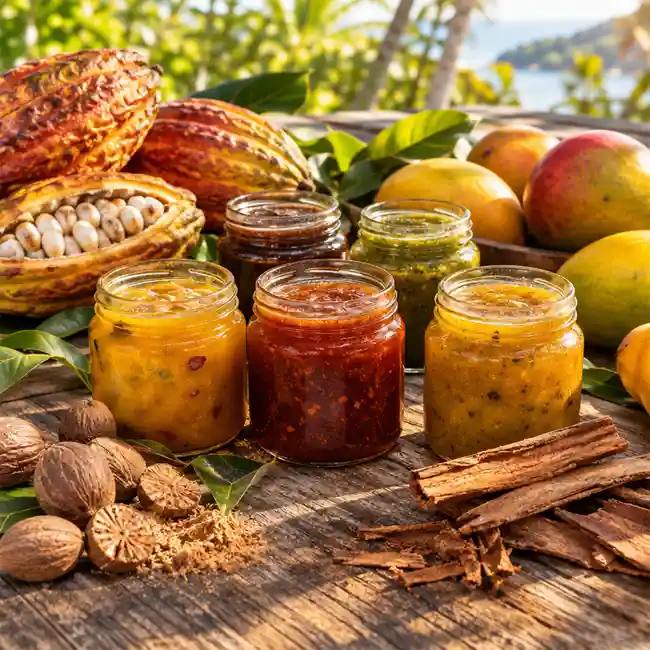
⛵️🌺 Introduction: The Cultural Heritage of Saint Lucia Sauces
If you have ever wondered what truly makes Caribbean island cooking sing, let us take a culinary journey straight to the lush, volcanic shores of Saint Lucia. While golden beaches and the dramatic Piton mountains draw travelers from around the globe, it is the vibrant, soul-warming food culture that keeps people talking long after their flight home. At the absolute heart of this island's kitchen magic lies an extraordinary collection of condiments, marinades, and table sauces. Saint Lucia sauces are not mere afterthoughts sitting quietly on the edge of a dinner plate; they are the loud, proud, and flavorful heartbeat of every single meal.
To understand Saint Lucia sauces is to understand the rich, layered history of the island itself. Over centuries, indigenous Amerindian knowledge, West African culinary wisdom, French colonial techniques, British traditions, and East Indian spice routes collided on this small emerald island. Instead of competing with one another, these diverse influences blended together in the cooking pot, giving birth to a distinct Creole gastronomy that is entirely unique to Saint Lucia. Every jar of fiery pepper sauce, every bowl of herby green marinade, and every rich, slow-simmered tomato-and-herb gravy carries generations of storytelling.
In Saint Lucian households, sauces serve as both the foundation of cooking and the ultimate finishing touch at the table. Before a piece of fresh kingfish ever hits a hot skillet, or before chicken is lowered into a heavy pot, it is bathed in aromatic herb pastes that penetrate deep into the ingredients. Then, once the meal is served, small bowls and repurposed glass bottles filled with homemade hot sauces, tangy citrus-chili infusions, and savory Creole reductions are passed around so everyone can customize their bite. When we talk about authentic Saint Lucia sauces, we are really talking about warmth, generosity, and an unapologetic love for bold, fresh flavors.
🍽️ The Art of Saint Lucia Dining Culture & Social Eating
Food in Saint Lucia is rarely a rushed, solitary affair eaten while staring at a screen. Instead, dining is deeply woven into the social fabric of everyday life, built around community, family ties, and unhurried conversation. Whether it is a Sunday afternoon family feast after church or an impromptu gathering on a breezy veranda, the dining table is where news is shared, laughter echoes, and bonds are strengthened.
• The Ritual of the Table Condiments: No Saint Lucian meal feels truly complete until the tabletop condiments make their appearance. Hosts take immense pride in placing their own handcrafted pepper sauces or savory pickled vegetable relishes right in the center of the table, inviting guests to test their heat tolerance and savor the complex layers of island aromatics.
• Slow Living and Unhurried Meals: Meals are meant to be lingered over, allowing flavors to be appreciated fully while friends and relatives catch up on life. Passing dishes around the table encourages sharing, and complimenting the cook's signature sauce or seasoning blend is one of the highest forms of social warmth you can offer.
• The Friday Night Street Feast Tradition: Across the island, communities come together weekly for lively outdoor street food gatherings where music fills the humid evening air and smoke rises from dozens of open-air grills. Locals and visitors stand shoulder-to-shoulder, holding paper plates piled high with grilled seafood and ground provisions, generously drizzled with fresh Creole sauces.
• Generational Kitchen Storytelling: Recipes for family sauces are seldom written down on index cards with strict measurements. Instead, elders pass them down visually and instinctively, teaching younger generations how to judge the ripeness of a Scotch bonnet pepper by its scent or when a Creole tomato sauce has simmered down to the exact right glossy consistency.
🗺️ Where Culture Meets Flavor: Iconic Food Tourism Spots
For travelers who love exploring a destination through their taste buds, Saint Lucia is an unforgettable playground. Every coastal village, bustling market town, and hillside community offers its own distinct window into how locals craft and enjoy their favorite sauces and condiments.
• Castries Market: Located in the capital city, this historic, vibrant open-air market is the sensory epicenter of Saint Lucian food culture. Walking through the aisles, you will encounter local vendors selling hand-bottled pepper sauces, freshly ground spice pastes, bundles of fragrant shadow beni, and jars of tangy tamarind and mango chutneys made from backyard harvests.
• Gros Islet: Famous across the Caribbean for its legendary Friday night street party, this northern fishing village transforms into an open-air culinary festival once a week. As freshly caught snapper, lobster, and chicken sizzle over coal pots, vendors brush them with rich garlic-herb butter and serve them alongside fiery homemade Creole sauces that capture the lively spirit of the coast.
• Anse La Raye: Nestled on the picturesque west coast, this traditional fishing village is renowned for its weekly seafood celebrations where the ocean's daily catch takes center stage. Here, you can taste how coastal cooks pair grilled conch, mahi-mahi, and kingfish with bright, zesty lime-and-chili sauces designed to complement fresh seafood without overpowering its natural sweetness.
• Soufrière: Surrounded by the majestic Pitons and fertile volcanic soil, Soufrière is the agricultural soul of the island. Farm-to-table eateries and local kitchens in this region showcase sauces bursting with ultra-fresh produce—from smoky roasted breadfruit pairings to rich cocoa-infused savory reductions that highlight the area's historic estate crops.
🔥 Top Iconic Saint Lucia Sauces Specialties
Exploring the pantry of a Saint Lucian cook reveals an exciting spectrum of textures, colors, and heat levels. Rather than relying on a single all-purpose condiment, Saint Lucian cuisine celebrates specialized sauces, each tailored to elevate specific dishes from breakfast through dinner.
🌟 Saint Lucian Creole Sauce (Sauce Créole): Often considered the undisputed queen of Saint Lucian cooking, this rich, chunky, savory sauce brings together ripe tomatoes, sweet onions, bell peppers, garlic, fresh thyme, and subtle hints of island spice. It is spooned generously over pan-fried fish, braised chicken, and boiled green bananas, delivering a comforting, deeply aromatic flavor that feels like a warm hug.
🌟 Traditional Saint Lucian Pepper Sauce: Far more nuanced than simple vinegar-and-chili blends, authentic Saint Lucian pepper sauce balances the intense, fruity heat of ripe Scotch bonnet peppers with mustard, garlic, onion, and tropical tang. Sometimes enriched with grated green papaya or ripe mango for body, a tiny drop wakes up an entire plate of food.
🌟 Saint Lucian Green Seasoning (Zepis): While technically used heavily as a foundational marinade and cooking paste, green seasoning also doubles as a vibrant fresh herb sauce when whisked with citrus juice and oil. Bursting with shadow beni, scallions, celery, thyme, and garlic, it gives Saint Lucian meats and seafood their signature herbaceous depth.
🌟 Tangy Tamarind and Mango Chutney: Reflecting the island's East Indian heritage, sweet-and-sour fruit chutneys play a starring role alongside savory fritters, curries, and roasted meats. Made by simmering tart green mangoes or sticky tamarind pulp with garlic, cumin, and gentle chili warmth, these sauces provide a bright, palate-cleansing contrast to rich dishes.
🌟 Garlic and Herb Creole Butter Sauce: A coastal favorite at beachfront grills and fish fries, this luscious, aromatic drizzle combines melted butter or island coconut oil with crushed local garlic, fresh parsley, thyme, and a squeeze of sour orange or lime. When poured over freshly grilled lobster or red snapper, it creates an irresistible aroma that draws hungry crowds from down the street.
🌟 Cucumber and Lime Pepper Chow: Crisp, refreshing, and packing a stealthy punch of heat, chow is a beloved raw condiment and snack accompaniment. Thinly sliced cucumbers or green mangoes are tossed with fresh lime juice, sea salt, finely minced garlic, shadow beni, and slivers of hot pepper, creating a zesty, juicy topping that cuts right through fried or grilled foods.
🌶️ Flavor Profile: What Makes Saint Lucia Sauces Unique?
What separates Saint Lucia sauces from generic hot sauces or standard European gravies is their remarkable sense of balance. If you expect Caribbean sauces to be nothing more than overwhelming, tongue-numbing fire, Saint Lucian cuisine will delightfully surprise you.
◦ Aromatic Heat Over Blind Spice: Saint Lucian cooks love heat, particularly from the iconic Scotch bonnet and habanero peppers, yet they use chili for its floral, tropical fruitiness just as much as its capsaicin kick. The heat is always anchored by sweet onions, garlic, and earthy herbs so you actually taste your food rather than losing your palate.
◦ The French-Creole Herbal Backbone: Thanks to deep French culinary roots, Saint Lucian sauces rely heavily on fresh herbs and slow-built aromatics rather than heavy artificial thickeners. Fresh thyme, chives, and pungent shadow beni create a green, garden-fresh foundation that makes even rich tomato or mustard-based sauces feel vibrant and alive.
◦ Bright Citrus and Tropical Acidity: Instead of relying solely on harsh distilled white vinegar, traditional island sauces frequently turn to fresh lime juice, sour orange, or tart tropical fruits for acidity. This natural brightness lifts heavy proteins and balances out starchy island staples like dasheen, yam, and green fig.
◦ Layers of Sweet, Savory, and Tangy: Many classic Saint Lucian condiments play with sweet-and-savory tension, pairing caramelized onions, ripe tomatoes, or tropical fruits like papaya and pineapple with sharp mustard, sea salt, and pungent garlic. Every bite evolves on the tongue, moving from sweet and tangy to deeply savory before finishing with a warm, lingering tingle.
🌿 Essential Ingredients & Traditional Cooking Techniques
To truly appreciate why Saint Lucia sauces taste so vibrant and soulful, you have to look at the volcanic soil they grow from and the patient, time-tested techniques used in local kitchens.
🧄 Signature Spices & Local Ingredients
Saint Lucia's tropical climate and mineral-rich volcanic earth produce ingredients with extraordinary natural intensity. Local cooks build their sauces using a core pantry of fresh, pungent, and aromatic staples.
• Scotch Bonnet Peppers: The undisputed star of island heat, prized for its lantern shape, vibrant yellow, orange, or red skin, and unmistakable apricot-like aroma that brings complex warmth to pepper sauces and marinades.
• Shadow Beni (Culantro): A jagged-leafed, deeply aromatic herb native to the region that tastes like a bolder, more earthy cousin of cilantro. It forms the essential green backbone of Saint Lucian green seasoning and fresh table condiments.
• Fresh Island Thyme: Unlike the delicate stems often found in temperate climates, Caribbean thyme grows woody and intensely fragrant, infusing slow-simmered Creole sauces with warm, peppery, herbal notes.
• Locally Grown Garlic and Scallions: Pungent, small-cloved island garlic and crisp green onions provide the savory aromatic base that gets sautéed or blended at the start of nearly every sauce preparation.
• Sour Orange and Key Limes: Used both to wash and season fresh meats and to brighten finished condiments, these intensely tart citrus fruits lend a clean, floral acidity that commercial bottled juices simply cannot replicate.
• Ripe Island Tomatoes and Sweet Peppers: Grown in sunny hillside gardens, these sweet, juicy vegetables break down into naturally thick, velvety textures when simmered for traditional Creole sauces.
• Warm Island Spices: Subtle touches of grated nutmeg, allspice (pimento), clove, and curry powder reflect the island's historical spice trade, adding background warmth and intrigue to savory gravies and fruit chutneys.
🍲 Time-Honored Cooking Methods
Great ingredients are only half the story; the magic of Saint Lucia sauces comes from how local cooks coax maximum flavor out of every stem, pod, and clove using traditional techniques passed down over centuries.
• Mortar and Pestle Grinding (Pounding Aromatics): Before electric blenders became common, cooks crushed herbs, garlic, peppercorns, and salt together by hand using a heavy wooden mortar and pestle. Many traditionalists still swear by this method today because crushing rather than slicing releases essential oils slowly, creating a richer, smoother paste.
• Cooking in Heavy Cast-Iron Dutch Pots (Canari): Traditional Saint Lucian kitchens rely on thick, heavy-bottomed cast-iron pots that distribute heat evenly and hold steady temperatures. Simmering Creole sauces slowly in these vessels prevents scorching while allowing tomatoes, onions, and herbs to meld into a deeply caramelized, cohesive sauce.
• Sweating Aromatics Slowly in Oil: Rather than rushing ingredients over high heat, cooks gently soften diced onions, sweet peppers, garlic, and thyme in oil until fragrant and translucent before adding liquids. This patient first step unlocks natural sweetness and builds a savory foundation that gives the finished sauce real body.
• Sun-Ripening and Natural Fermentation: For traditional bottled pepper sauces, ingredients are often finely chopped, blended with salt, mustard, and citrus or vinegar, and left to mature in glass jars. Allowing the mixture to rest lets the sharp edges of raw garlic and chili mellow out into a unified, complex condiment that improves with age.
• Deglazing Pan Drippings: Nothing goes to waste in a Saint Lucian kitchen. After pan-searing seasoned fish or browning meat, cooks pour fresh aromatics, tomatoes, and water or broth directly into the hot pan to lift all the flavorful caramelized bits from the bottom, turning them into an instant, deeply savory pan sauce.
🏝️❓ Frequently Asked Questions (FAQ)
Q1. How spicy are traditional Saint Lucia sauces?
Traditional Saint Lucia sauces range widely from mild and deeply savory to intensely fiery, depending on the specific condiment. While tabletop pepper sauces made with Scotch bonnet chilies pack serious heat, foundational cooking sauces like Saint Lucian Creole sauce and green seasoning are built around fresh herbs, tomatoes, and aromatics rather than extreme spiciness. Most restaurants and home cooks serve hot pepper sauces on the side so you can easily control how much heat goes onto your plate.
Q2. What is the difference between Saint Lucian Green Seasoning and Creole Sauce?
Saint Lucian green seasoning (zepis) is an uncooked, vibrant green herb paste made by blending shadow beni, scallions, thyme, garlic, and sweet peppers, primarily used as a marinade before cooking or whisked into fresh dressings. In contrast, Saint Lucian Creole sauce is a cooked, rich red-orange sauce made by simmering ripe tomatoes, onions, bell peppers, garlic, and herbs into a warm, savory gravy that is spooned over finished dishes like fish, chicken, and ground provisions.
Q3. What local dishes are traditionally paired with Saint Lucia sauces?
Saint Lucia sauces are paired with almost every staple across the island, most famously with green fig and saltfish (the national dish), where savory Creole sauce brings moisture and richness to the flaked salted cod and boiled green bananas. They are also essential alongside grilled red snapper, pan-fried kingfish, stewed chicken, roasted breadfruit, fried plantains, and crispy accra (saltfish fritters), where tamarind chutney or pepper sauce adds a bright, zesty kick.
Q4. Can travelers bring authentic Saint Lucia sauces home as souvenirs?
Yes, locally bottled Saint Lucia sauces are among the most popular and authentic culinary souvenirs travelers bring home from the island. Artisanal pepper sauces, fruit chutneys, and spice blends sold at Castries Market, local supermarkets, and airport duty-free shops are typically sealed in sturdy glass jars or bottles, making them easy to pack safely inside checked luggage so you can recreate a taste of the Caribbean in your own kitchen.
🏆 Culinary Heritage & Credit to Saint Lucia Traditions
Every spoonful of Saint Lucia sauce tells a story of resilience, creativity, and cultural pride. Long before modern culinary trends celebrated farm-to-table cooking or complex spice layering, Saint Lucian home cooks, market vendors, and coastal fishermen were perfecting these traditions in everyday kitchens across the island. The vibrant sauces enjoyed today owe their existence to the Indigenous Kalinago people who first cultivated local peppers and root crops, the African ancestors who brought resourceful seasoning and slow-simmering techniques, and the French, British, and East Indian communities whose culinary customs blended seamlessly into Saint Lucian Creole identity.
Preserving and celebrating these sauces is about much more than documenting delicious condiments—it is about honoring the generations of Saint Lucian cooks who turned humble backyard herbs, sun-ripened chilies, and fresh island harvests into an extraordinary culinary art form. Whether you experience them at a bustling Friday night fish fry by the sea or recreate their spirit in your own kitchen, Saint Lucia sauces stand as a living tribute to the island's rich heritage, warm hospitality, and unforgettable flavor.
🥘 The Ultimate Guide to Fast and Flavorful Saint Lucia Sauces in 5 Minutes
👉 Whip up Easy Saint Lucian Sauces
| 🌐 🥘 < Back | 🇱🇨 🍱 < Previous |