
🏠 Home > 🗺️ Recipes > 🏛️🧪 Sacred Infusions & Botanical Tonics > 🏰 Proto-Nordic Tribes: Sacred Infusions & Botanical Tonics Recipes > 🏛️🧪 1.The Funnel Beaker Forest Hearth Infusion (Birch, Juniper & Lingonberry)
🏛️🧪 Brewing the Forest: A 5,000-Year-Old Nordic Infusion You Can Make at Home
Published by Supakorn | Updated: October 2026
🏹🏔️ Ancient Civilization Origins: Neolithic Scandinavia (The Funnel Beaker Culture, c. 3000 BCE)
🔥 The Storyteller's Intro: 5,000 Years of Frost, Fire, and Forest Wisdom
Picture this for a moment. It's late afternoon somewhere in what we now call southern Sweden or Denmark. The year is around 3000 BCE. The sun is already sliding behind a wall of birch and pine, and a cold wind is coming in off the sea. Inside a long timber house with a roof of thatch and smoke, a family gathers around the hearth. There's a clay pot nearby, the kind with a wide, flared neck that looks a bit like a funnel. That's actually where archaeologists got the name for these people: the Funnel Beaker Culture.
Someone drops a stone into the fire. Someone else has a basket of birch leaves, a handful of dark juniper berries, and some red berries picked from the forest floor. When the stone glows hot, it gets lifted out with wooden tongs and dropped into a vessel of water. Hiss. Steam rises. Then the forest goes into the water.
No menus, no recipe books, no written words at all. Just knowledge passed from hand to hand, grandmother to grandchild, season after season, for thousands of years.
That's the world we're stepping into today, my friend. Grab a mug. This one's going to be good.
🌍 The Global Value of Antique Heritage
Here's something wild to think about: the people of Neolithic Scandinavia were among the first farmers in the far north of Europe. They raised cattle, grew early wheat and barley, and built huge stone tombs called dolmens and passage graves, many of which still stand today across Denmark and southern Sweden. They were doing all this at roughly the same time the earliest pyramids were being planned in Egypt.
But even as farmers, they never turned their backs on the forest. The wild landscape was their pharmacy, their pantry, and their spice rack all rolled into one. Archaeologists have found evidence that people in this region chewed birch bark pitch. One famous lump found at Syltholm, on the Danish island of Lolland, is about 5,700 years old and still held the DNA of the woman who chewed it. Seeds, berries, nuts, and plant remains turn up again and again in settlement layers and burial sites.
Why does this matter to the world today? Because these northern traditions are part of humanity's shared food memory. The idea of steeping wild plants in hot water to make something warming, healthy, and comforting goes back long before anyone wrote down a recipe. When you brew a forest infusion like this one, you're joining one of the oldest kitchen rituals humans have ever had.
⚱️ The Culinary Resurrection
Let's be honest with each other: nobody in 3000 BCE wrote this recipe down. Writing hadn't reached the North yet. So what you're about to make is a careful reconstruction. It's built from the plants we know grew in Neolithic Scandinavia, the tools these people really had (clay pots, hot stones, wooden vessels), and the food traditions that survived for centuries in Nordic folk culture.
Think of it as culinary archaeology. We dig up the clues, put the pieces together, and bring a flavor back to life. The result is a pure, alcohol-free infusion that tastes like a walk through a northern forest after rain: woody, bright, slightly tart, and gently sweet.
It's not a fancy restaurant dish. It's something better: a drink that was made to warm cold hands and gather people around a fire.
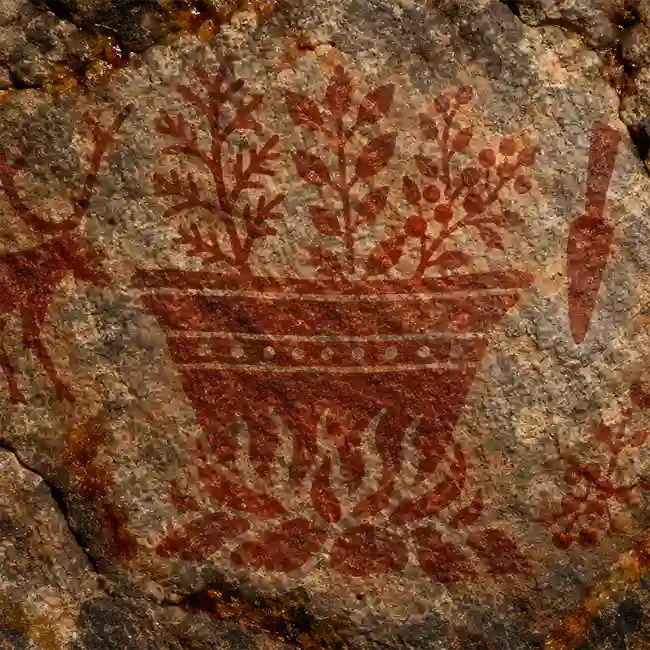
🍵 Recipe: The Funnel Beaker Forest Hearth Infusion (Birch, Juniper & Lingonberry)
📜 Legends Behind This Excavated Secret
Every old recipe has a story, and this one is wrapped in the mist of the northern woods.
In Nordic folk tradition, the birch was a tree of new beginnings. It's one of the first trees to grow back after the ice melts or after a forest fire, which made it a symbol of renewal and spring. People in the North have been making tea from young birch leaves for generations, and older folk traditions linked birch with cleansing and fresh starts.
Juniper is the tough little guardian of the landscape. It grows in poor soil, cold wind, and rocky ground where almost nothing else survives. In later Scandinavian folk customs, juniper branches were burned to "purify" homes and barns, and the smoke was believed to keep bad luck away. Its berries (which are actually tiny cones) add a sharp, piney flavor that cuts through the cold like a knife.
Then there's the lingonberry, the little red jewel of the Nordic forest floor. These berries last a surprisingly long time because of their natural acidity, which made them a precious winter food in the North.
Imagine a village elder, the keeper of the forest's secrets, teaching the young ones which leaves to pick in early summer, which berries to dry for winter, and how many juniper berries to add before the drink turns too bitter. That's the spirit of this recipe: a little bit of science, a little bit of story, and a whole lot of forest.
🌿 Ingredients & The Noble Pantry
✨ The Ancestral Staples
The Neolithic Nordic pantry was seasonal and wild. In spring and early summer, people could gather tender birch leaves and fresh spruce or pine tips. Late summer and autumn brought lingonberries, wild raspberries, rose hips, and hazelnuts. Juniper berries could be picked most of the year. Meadowsweet, a creamy-flowered plant that loves wet meadows, bloomed in midsummer and had a soft, honey-almond scent.
Honey was a rare treat. There's evidence from beeswax residue on pottery that people across Neolithic Europe used bee products, so a touch of wild honey fits right into our story. Everything else came straight from the land, gathered by hand and dried near the hearth to last through the long, dark winter.
🛒 Modern Substitutes (So You Can Actually Make This!)
Don't live next to a Scandinavian forest? No worries. Here's how to make this work from almost anywhere:
• Birch leaves: Buy dried birch leaf tea from herbal shops or online. If you can't find it, use dried nettle leaf for a similar green, earthy taste.
• Juniper berries: Find them in the spice aisle of most big supermarkets. They're used in sauerkraut and meat dishes.
• Lingonberries: Use dried lingonberries if you can find them. Dried cranberries (unsweetened if possible) are the best and easiest swap. Fresh or frozen red currants also work.
• Spruce or pine tips: Only use these if you know your trees, or buy dried spruce tips from a forager supplier. As a swap, add a small sprig of fresh rosemary for a resinous, woodsy note.
• Rose hips: Dried rose hips or rose hip tea bags are easy to find. Hibiscus works too and gives a deeper red color.
• Meadowsweet: It's optional. Use dried chamomile with a tiny drop of vanilla for a similar soft, sweet scent.
• Wild honey: Any raw local honey will do. Maple syrup or birch syrup are good options if you'd like to keep it plant-based.
• Spring water: Fresh filtered water is perfect.
⚖️ Ancient Proportions (Makes about 1 liter, 4 mugs)
• 1 liter (about 4 cups) fresh spring or filtered water
• 2 tablespoons dried birch leaves (or a small handful of about 12–15 fresh young leaves)
• 6 juniper berries, lightly crushed
• 3 tablespoons dried lingonberries or unsweetened dried cranberries
• 1 tablespoon dried rose hips, lightly crushed
• 1 tablespoon fresh spruce tips (or 1 teaspoon dried, or 1 small rosemary sprig)
• 1 teaspoon dried meadowsweet flowers (optional, or 1 teaspoon dried chamomile)
• 1 to 2 teaspoons raw honey, to taste (optional)
• 1 thin slice of fresh apple (optional, for extra natural sweetness)
Easy ratio to remember: For every 1 cup of water, use roughly ½ tablespoon of leaves, 1 to 2 juniper berries, and about 1 tablespoon of fruit.
🕯️ The Chef's Ancient Ritual
Okay, this is where it gets fun. Treat it like a ritual and not a chore. Slow down, breathe in the steam, and enjoy every step.
✦ Step 1: The Gathering Lay all your ingredients out on a wooden board or in small bowls. Ancient cooks worked with what the season gave them, so take a moment to look at, touch, and smell each one. The juniper should smell sharp and piney. The birch leaves should be grassy and fresh.
✦ Step 2: Awakening the Berries Gently crush the juniper berries and rose hips with the flat side of a knife or a mortar and pestle. You only want to crack them open, not grind them to powder. This releases their oils and flavor, just like a Neolithic cook would have done with a smooth stone.
✦ Step 3: The Fruit Simmer Pour the water into a pot. Add the lingonberries (or cranberries), rose hips, apple slice, and crushed juniper. Bring it to a gentle simmer and let it bubble softly for 5 minutes. Tough, dried fruits need this little bit of heat to give up their color and tartness.
✦ Step 4: Calling in the Forest Turn off the heat. Now add the delicate stuff: birch leaves, spruce tips (or rosemary), and meadowsweet. Don't boil these. High heat makes leaves bitter and destroys their light, fresh aroma.
✦ Step 5: The Covered Steep Put a lid on the pot right away and let everything steep for 10 to 12 minutes. The lid keeps the fragrant oils from escaping with the steam. Think of it as letting the forest "speak" to the water.
✦ Step 6: The Straining Pour the infusion through a fine strainer or a clean cotton cloth into a jug or teapot. Press the berries gently to get out every last drop of flavor.
✦ Step 7: The Sweet Blessing Stir in honey while the drink is warm, adding a little at a time until it tastes right to you. Serve in clay or ceramic mugs if you have them. It just feels right.
🔥 Optional: The Hot-Stone Method (for the adventurous!) If you're outdoors with a safe fire pit and want the full ancient experience, you can heat clean, dense stones such as granite or proper sauna stones in the fire, then lift them with metal tongs into a heat-safe wooden or metal vessel of water. Safety first: never use river stones or porous rocks, because trapped water can make them crack or burst. Always wear heat-proof gloves and keep children and pets well away. If you have any doubt, the stovetop method above works perfectly.
🧙 Secrets of the Ancestral Hearth
These are the little tricks (and common mistakes) that make the difference between "nice tea" and "wow, what IS this?"
◦ Don't boil the leaves. This is the number one mistake. Boiling birch and spruce makes the infusion harsh and bitter. Simmer the fruit only, then steep the leaves off the heat.
◦ Go easy on the juniper. Six berries per liter is plenty. Too many and your drink will taste like a pine-scented cleaning product. You can always add more next time.
◦ Always cover the pot. That beautiful forest smell is made of volatile oils that escape with steam. Keep the lid on while it steeps.
◦ Know your trees. If you're foraging spruce or pine tips, be 100% sure of what you're picking. Never use yew. It looks a bit like other conifers and is highly toxic. When in doubt, buy from a trusted supplier.
◦ Pick birch leaves young. In late spring, birch leaves are soft, sticky, and sweet. Old summer leaves are tougher and more bitter.
◦ Dry your own harvest the ancient way. Spread leaves and berries on a cloth in a warm, airy spot out of direct sunlight. Store them in glass jars for a winter supply, just like the old hearth keepers did.
◦ Try it cold. This infusion is lovely chilled over ice on a summer day. Make it a little stronger, since ice will thin it out.
◦ Health note: Juniper and meadowsweet aren't recommended during pregnancy or breastfeeding, or for people with kidney problems. Meadowsweet contains natural salicylates, so skip it if you're allergic to aspirin. If you have a health condition or take medication, check with your doctor before drinking new herbal infusions often.
⛓️❓ Ancient Civilization Origins FAQ
Q1: Is this really a 5,000-year-old recipe?
A: It's a reconstruction, and we want to be upfront about that. No written recipes exist from Neolithic Scandinavia, because writing hadn't arrived there yet. This recipe uses plants that grew in the region about 5,000 years ago, ancient methods like hot-stone heating, and ideas from Nordic folk traditions. It's as close as we can get to the flavors these people would have known.
Q2: What does this Nordic forest infusion taste like?
A: Picture a fresh, woodsy herbal tea with a bright, tart berry finish. The birch gives a soft green flavor, juniper adds a crisp pine note, and the lingonberries and rose hips bring a fruity tang. A touch of honey rounds it all out.
Q3: Can I make it without birch leaves?
A: Absolutely! Dried nettle leaf is a great substitute, and green rooibos or a mild green tea works in a pinch (though green tea adds caffeine, which the original wouldn't have had). The berries and juniper carry a lot of the flavor anyway.
Q4: How long does it keep?
A: Store the strained infusion in a sealed glass jar in the fridge for up to 3 days. Dried ingredient mixes keep for several months in an airtight jar away from light and moisture.
🏺 The Taste of Archeology
There's something kind of magical about drinking history. Every sip of this infusion connects you to people who lived through brutal winters, built massive stone monuments, and learned to read the forest like a book. They didn't have supermarkets or spice shops. They had their eyes, their hands, and the knowledge their ancestors handed down.
When you taste the sharp juniper and the tart red berries, you're tasting the same landscape they knew. It's archaeology you can sip: not dusty, not locked in a museum glass case, but alive, warm, and steaming in your favorite mug.
🏡 Final Thoughts: Bringing Antiquity to Your Modern Table
You don't need a timber longhouse or a smoky hearth to enjoy this ancient Nordic infusion. A stovetop, a pot, and about 20 minutes are all it takes. Make it on a rainy Sunday afternoon. Brew a big jug for friends on a chilly evening. Serve it iced on a summer picnic and watch people's faces when you tell them where the idea came from.
Even better, make it your own. Add wild raspberries in summer, extra rose hips in autumn, or a slice of fresh ginger in deep winter (not traditional, but who's counting?). Ancient cooks adapted to what the land offered, and you can do the same with what your kitchen offers.
The best part? Every time you brew it, you keep a 5,000-year-old story alive. And that's pretty special.
✨ The Golden Hook (The Sacred Union)
Here's the thing, friend. Every year, old food traditions quietly disappear. Grandmothers' recipes get lost, wild plant knowledge fades, and flavors that survived thousands of years slip away in just one generation.
That's why we do what we do: we dig up forgotten flavors, bring them back to life, and share them with curious cooks all over the world. And we'd love for you to join us.
• Brew this infusion and share your version with friends and family. Tell them the story behind it.
• Leave a comment below and tell us your favorite wild ingredient or a family recipe that's been passed down in your home.
• Bookmark and share this recipe with someone who loves history, herbal teas, or slow living.
• Stay with us as we explore more lost ancient recipes from the world's great civilizations.
Together, we become keepers of the world's culinary memory. Every mug you brew is a small act of preservation. Welcome to the circle. 🔥
🙏 Credit to the Keepers of the Culture (The Legacy)
This recipe wouldn't exist without the people who came long before us. We owe deep respect to the Neolithic communities of Scandinavia, the Funnel Beaker farmers and the forest-wise hunter-gatherers who shared the land with them, whose daily lives shaped the foundations of Nordic food culture.
We also honor the generations of Nordic and Sámi foragers, herbalists, and home cooks who kept wild plant knowledge alive through centuries of change, and passed down the wisdom of birch, juniper, and forest berries by word of mouth.
Finally, a heartfelt thank you to the archaeologists, archaeobotanists, and museum researchers across Denmark, Sweden, and Norway whose careful work on plant remains, pottery residues, and ancient sites helps us understand how people really ate and lived 5,000 years ago. Their research lets us reconstruct these flavors with respect and care.
This recipe is offered as a respectful, educational reconstruction inspired by their legacy. It isn't a claim to an exact historical formula. May we always cook with curiosity, gratitude, and honor for those who kept the fire burning before us.
| 🏰 🏛️🧪 < Back |