
🏠 Home > 🗺️ Recipes > 🏛️🍲 Clay-Pot Broths & Stews > 🗿 Pre-Classic Maya: Clay-Pot Broths & Stews Recipes > 🏛️🍲 1.Pre-Classic Maya Sacred Earth Stew (K'ak'al Wah & Ja' Stew)
🏛️🍲 Unearthing Mesoamerica's Lost Maya Ancestral Stew
Published by Supakorn | Updated: October 2026
⏳🏛️ Ancient Civilization Origins: Mesoamerica & The Maya Lowlands
📜 The Storyteller’s Intro: 3,000 Years of Ancestral Flavors
Imagine standing deep within the misty lowlands of the Petén Basin long before grand stone pyramids pierced the emerald canopy. The air smells of damp earth, burning pine wood, and smoked chili peppers floating from open-air hearths. This was the cradle of the Pre-Classic Maya—a resilient civilization that transformed wild botanicals and sacred crops into rich, body-warming concoctions. Long before modern pantries existed, the ancestors cooked with intention, treating every meal as a bridge between humanity, nature, and the heavens.
When you prepare a stew like this, you are not merely cooking dinner; you are engaging in a sensory time warp. The bubbling broth carries whispers of ancient rituals, trade gatherings, and family circles gathered around glowing embers. Every bowl serves as an edible time capsule, offering us a genuine taste of a world built on deep reverence for the soil and sky.
🌎 The Global Value of Antique Heritage
Uncovering ancient recipes does far more than satisfy our appetite for culinary novelty—it anchors us to human history. In an era dominated by processed ingredients and hyper-speed living, turning back to Pre-Classic Mesoamerican foodways helps us reclaim our foundational relationship with raw nature. The food culture of early Mesoamerica laid the foundation for global agriculture, introducing the world to foundational staples like corn, nightshades, legumes, and sacred cacao.
By studying and reviving these primal cooking methods, we preserve priceless cultural heritage. Understanding how ancient builders, farmers, and weavers nourished themselves gives us a profound respect for their wisdom and ingenuity. This isn't just nostalgia; it is living history that deserves a honored spot on our modern dining tables.
🕯️ The Culinary Resurrection
For centuries, many original Pre-Classic food traditions lay hidden beneath dense jungle vines and within ancient ceramic shards recovered by archaeologists. Modern culinary historians and anthropologists have pieced together these culinary mysteries by examining charred plant residue, ancient grinding stones, and murals depicting daily life.
Today, we bring one of the most revered ancient dishes back to life: a deeply savory, rich chili and squash stew slow-simmered with aromatic wild herbs. By resurrecting this sacred recipe, we honor the ancient hands that tended the first cornfields and crafted the original recipes of Central America. Get ready to awaken an ancient culinary legend right in your own kitchen!
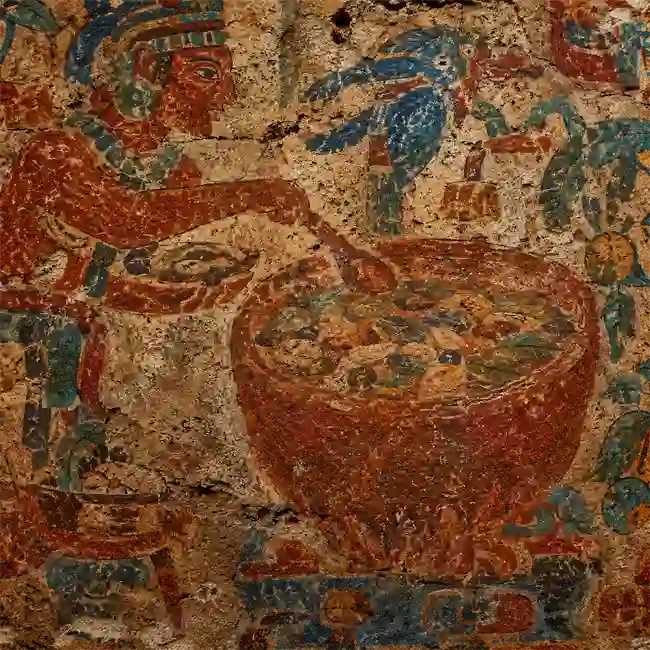
🍲 Recipe: Pre-Classic Maya Sacred Earth Stew (K'ak'al Wah & Ja' Stew)
🗿 Legends Behind This Excavated Secret
According to Maya lore, agriculture was a divine gift bestowed upon humanity by the gods of creation. Food was treated as a sacred bond—a daily offering that maintained balance across the earth and cosmos. Excavations around early ceremonial sites have uncovered large ceramic simmering jars coated in traces of toasted pumpkin seeds, mild chilies, roasted tomatoes, and fragrant native greens.
Legend tells us that this vibrant stew was prepared during season changes and harvest gatherings to honor the land's bounty. Community elders would gather around the central hearth fire, carefully tending the pot while chanting songs of gratitude. The rich aroma was said to soothe weary travelers and lift the spirits of anyone who inhaled its warmth. Now, this once-hidden treasure is yours to recreate and cherish.
🌿 Ingredients & The Noble Pantry
✨ The Ancestral Staples
The foundation of Pre-Classic cooking relied on the revered "Three Sisters" agricultural trio—maize, beans, and squash—supplemented by wild herbs, aromatic roots, and native fruits. Maize provided life-giving sustenance, squash offered creamy texture and sweetness, while chili peppers added heat and natural preservation. Together, these earthy staples forged a nutrient-rich, deeply satisfying diet that sustained one of history's greatest civilizations.
✨ Modern Substitutes
You don't need access to a Guatemalan jungle to make this authentic stew today! Here is how you can easily match ancient ingredients with easily accessible supermarket finds:
• Native heirloom squash or pumpkin > Butternut squash, acorn squash, or kabocha squash
• Masa de maíz (ground fresh corn dough) > Store-bought fine masa harina or yellow cornmeal
• Ancient wild greens (Chaya) > Fresh baby spinach, Tuscan kale, or Swiss chard
• Wild Mesoamerican allium (Xonacatl) > Scallions, spring onions, or mild shallots
• Native chili varieties > Mild dried ancho chilies combined with fresh poblano peppers
• Epoch clay pot simmering liquid > Rich vegetable stock or dark mushroom broth
✨ Ancient Proportions
• 2 pounds butternut or kabocha squash, peeled and cut into bit-sized cubes
• 1 cup raw heirloom pumpkin seeds (pepitas), raw and unsalted
• 2 dried ancho chilies, stemmed and seeded
• 2 medium poblano peppers, roasted, peeled, and diced
• 1 pound fresh red tomatoes, quartered
• 1 cup masa harina mixed with 1.5 cups warm water to form a smooth thickening paste
• 4 green scallions, finely chopped
• 3 garlic cloves, gently smashed
• 4 cups rich dark vegetable stock
• 3 cups fresh baby spinach or chopped Tuscan kale
• 2 tablespoons cold-pressed avocado oil
• 1 teaspoon coarse sea salt
• 1 half bundle fresh cilantro, coarsely chopped
• 1 pinch of unsweetened cocoa powder (pure cacao) for genuine ancient depth
🔥 The Chef’s Ancient Ritual
1. Toasting the Sacred Seeds: Place a dry heavy skillet or clay pan over medium heat. Toss in the raw pumpkin seeds. Dry-roast them gently for 4 to 5 minutes until they begin to pop, turn golden brown, and emit a warm, nutty aroma. Remove from heat immediately and allow them to cool completely.
2. Grinding the Flavor Base: Once cooled, place the toasted pumpkin seeds into a food processor or traditional mortar. Pulse or grind until they form a coarse, aromatic meal. Set this seed meal aside to serve as your rich, natural thickening agent.
3. Charring the Earthly Produce: On the same skillet, place the quartered tomatoes, fresh poblano peppers, smashed garlic cloves, and chopped scallions. Dry-char them over medium-high heat until the skins show black blister marks and the aroma turns wonderfully smoky.
4. Rehydrating the Ancient Chilies: Submerge the dried ancho chilies in a bowl of boiling hot water for 10 minutes until soft and pliable. Once softened, blend the chilies along with the charred tomatoes, garlic, and scallions until you achieve a silky, dark-red aromatic paste.
5. Building the Aromatic Foundation: Heat two tablespoons of cold-pressed avocado oil in a heavy Dutch oven or large clay vessel over medium heat. Pour in your blended chili-tomato paste and let it sizzle for 3 to 4 minutes, stirring constantly until the mixture darkens and thickens into a rich base.
6. Simmering the Harvest: Pour in the 4 cups of rich vegetable stock and bring the mixture to a gentle, rolling boil. Stir in the cubed squash, the toasted seed meal, and a generous pinch of sea salt. Lower the heat, cover the pot, and let it simmer gently for 20 minutes until the squash is tender when pierced with a fork.
7. Thickening with Sacred Maize: Slowly pour the slurry of masa harina and warm water into the simmering pot while whisking continuously. Watch as the stew transforms into a glossy, thick, satisfying velvet consistency over the next 5 to 7 minutes.
8. Infusing the Wild Greens & Cacao: Toss in the fresh green spinach or kale, along with the single pinch of pure unsweetened cocoa powder. Stir gently for 2 to 3 minutes until the greens wilt into a bright emerald color and the cacao dissolves into the background broth.
9. The Final Blessing: Remove the pot from heat. Ladle the hot stew into ceramic bowls and top generously with fresh cilantro and an extra sprinkle of toasted pepitas for crunch. Serve warm with freshly toasted corn tortillas.
💡 Secrets of the Ancestral Hearth
• Avoid Burning the Pumpkin Seeds: Raw pepitas burn very quickly on a hot skillet. Keep them moving continuously and remove them the second you hear them start popping to prevent bitterness.
• Char for Authentic Depth: Do not skip the dry-charring step for your tomatoes and peppers. That smoky skin recreates the open-woodfire flavor that defines ancient hearth cooking.
• Master the Masa Thickening: Always mix masa harina with warm water beforehand to form a liquid slurry. Adding dry masa directly to hot liquid will cause stubborn clumps.
• Balance the Heat: If your ancho chili paste feels too sharp, balance it by adding another pinch of pure cacao or a tiny drizzle of raw honey—a natural trick used by ancient Mesoamerican cooks.
• Select the Right Squash: Opt for dense winter squashes like kabocha or butternut. Soft summer squashes will break down too quickly and turn mushy during the slow simmer.
• Let It Rest Before Serving: Allow your finished stew to sit covered off the heat for 10 minutes before serving. This lets the corn, pumpkin seeds, and chilies marry into a harmonious flavor profile.
🌌❓ Ancient Civilization Origins FAQ
Q1: Did the ancient Maya really use cacao in savory dishes like stew?
A: Yes! While cacao was highly prized as a ceremonial drink, ancient cooks often incorporated raw, unsweetened cacao beans into savory broths and chili pastes to add rich color, complex earthy depth, and a slight satisfying bitterness.
Q2: Can I prepare this ancient Maya stew in advance?
A: Absolutely. In fact, like most traditional slow-cooked meals, this stew tastes even better the next day after the chili, garlic, roasted squash, and toasted pumpkin seeds have had time to meld together in the refrigerator.
Q3: Is this authentic recipe naturally plant-based and gluten-free?
A: Yes, it is naturally 100% plant-based, vegan, and gluten-free! Ancient Mesoamerican diets relied primarily on whole grains, seeds, vegetables, and native herbs, making this dish incredibly wholesome and light on the body.
Q4: What can I serve alongside this stew for a complete meal?
A: Serve it hot alongside freshly pressed warm corn tortillas, roasted sweet potatoes, or a side of seasoned black beans topped with fresh avocado slices and lime juice.
🏺 The Taste of Archeology
Tasting this finished stew is like stepping through a doorway back in time. The rich thickness from ground pumpkin seeds and masa creates an indulgent mouthfeel, while roasted poblano peppers and ancho chilies deliver a gentle, warming hug rather than harsh spice. Sweet chunks of tender squash balance the smoky tomato base, while fresh cilantro brightens every spoonful. It is a hearty, deeply comforting bowl that nourishes both body and soul, connecting your senses directly to the vibrant heritage of the ancient Americas.
🌽 Final Thoughts: Bringing Antiquity to Your Modern Table
Cooking lost historic recipes brings a wonderful sense of magic, purpose, and mindfulness back into our fast-paced modern lives. It reminds us that good food takes time, love, and a deep respect for simple, natural ingredients. When you serve this Pre-Classic Maya Sacred Earth Stew to your family and friends, you aren't just feeding them—you are sharing a fascinating historical story and celebrating human resilience.
So gather your ceramic pots, fire up your stove, and let the rich smells of ancient Mesoamerica fill your kitchen tonight. Your modern dinner table is about to become a vibrant piece of living history!
🤝 The Golden Hook (The Sacred Union)
Now that you hold the secret to this 3,000-year-old culinary treasure, the torch is in your hands! Don't keep this historic recipe hidden away in the digital vault. Cook it for your loved ones, pass it along to fellow food lovers, and help keep the rich agricultural history of ancient civilizations alive.
Did you try making this stew at home? Did you add your own twist with fresh wild herbs or unique squash varieties? Share your culinary creations, drop your thoughts below, and join our global community of home cooks passionate about keeping ancient food cultures vibrant and thriving!
👑 Credit to the Keepers of the Culture (The Legacy)
This recipe and cultural overview honor the incredible indigenous communities, Mesoamerican farmers, historians, and archaeologists who have dedicated their lives to preserving ancient Mesoamerican traditions. Through their tireless work, ancestral seed saving, and ongoing language and cultural stewardship, the brilliant legacy of the Maya people continues to inspire and nourish the world today. We bow in deep gratitude to these original keepers of the earth.
| 🗿 🏛️🍲 < Back |