
🏠 Home > 🗺️ Recipes > 🍨 Desserts > 🇲🇲 Myanmar Desserts
🇲🇲 🍨 Myanmar Desserts Recipes
Published by Supakorn | Updated: February 2026
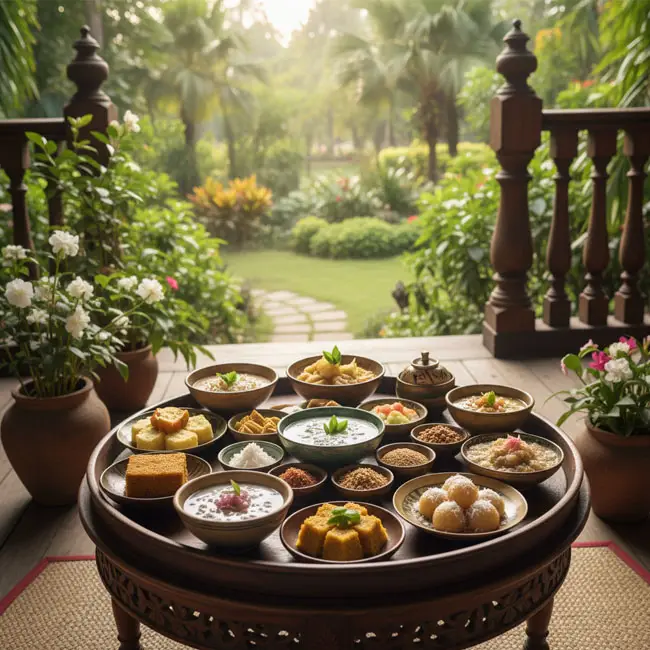
🍨 The Sweet Heart of Burmese Cuisine: An Introduction to 'Mont'
Hey there, fellow food lover! If you’ve ever explored the vibrant flavors of Southeast Asia, you probably know that Myanmar (formerly Burma) offers a culinary landscape as rich and diverse as its culture. While most people rave about classics like Mohinga (fish noodle soup) or Laphet Thoke (fermented tea leaf salad), the country’s dessert scene is an often-overlooked treasure trove of treats.
Welcome to the world of Mont, the collective term for traditional Burmese sweets, snacks, and cakes. Unlike Western desserts, Mont is usually enjoyed as a snack, during tea breaks (la phet yay), or to mark special occasions, rather than strictly after a meal.
🥥 A Symphony of Natural Ingredients
Burmese desserts masterfully balance the natural sweetness of local ingredients like coconut, jaggery (palm sugar), sticky rice, and semolina. They are wonderfully unique, drawing influences from neighboring India, China, and Thailand, yet standing proudly on their own. Forget the overly processed sugar rush; Mont offers a comforting, rustic sweetness and a texture that ranges from unbelievably gooey and sticky to delightfully cool and creamy.
🎋 The Philosophy of "Sweetness without Guilt"
In many Western cultures, dessert is the "finale." In Myanmar, sweetness is woven throughout the day. Because many of these treats are plant-based—relying on beans, rice, and fruit rather than heavy creams or chocolates—they feel lighter and more nourishing. It’s not uncommon to see a local enjoying a piece of palm sugar candy with a cup of bitter green tea in the middle of a workday. It’s all about balance, my friend!
🥮 Steamed, Baked, and Stirred: The Cozy Comfort of Burmese Cakes
If you’re a fan of textures that range from fudgy to bouncy, Burmese cakes are going to be your new obsession. They don't use much wheat flour; instead, they rely on rice and semolina to create a satisfying "bite."
🍮 Sanwin Makin (Burmese Semolina Cake)
Often considered the queen of Burmese cakes, Sanwin Makin (also called Shwe Gyi Mont) is a truly delectable semolina cake. This dessert hits all the right notes: it's rich, moist, and deeply satisfying.
• The Texture: The magic happens when semolina is slow-cooked with a generous amount of coconut milk, brown sugar (or jaggery), and often eggs, until it forms a thick, dough-like consistency. It’s then baked until the top is golden-brown and sprinkled generously with crunchy poppy or sesame seeds.
• The Experience: The texture is fudgy and custardy, almost like a cross between a Western pudding and an Indian halwa. Sanwin Makin is a popular offering at Buddhist ceremonies and social gatherings.
🖤 Kaala Halwa (Black Halwa)
Don't let the name intimidate you; Kaala Halwa is a rich, dark, and incredibly luxurious dessert that is often reserved for special occasions due to the sheer effort involved in its preparation.
• A Labor of Love: This "black halwa" is a masterpiece of patience, combining rice flour, jaggery, and coconut milk, all cooked slowly with oil until it thickens into a deep, dark caramel-like slab.
• The Flavor Profile: Once set, it’s cut into beautiful diamond shapes. Its deep flavor profile, with notes of burnt sugar and pure coconut cream, is an intense experience that truly sets it apart.
🍯 Htoe Mont (Mandalay’s Sticky Delicacy)
Hailing from the royal city of Mandalay, Htoe Mont is a famous sticky rice cake that resembles a very thick, gooey mochi.
• The Technique: It is primarily made from glutinous rice flour, sugar, oil, cashews, raisins, and coconut shavings. The distinguishing feature is its preparation: it must be "htoe" (prodded or stirred) continuously for hours over low heat.
• The Souvenir: It is traditionally packaged in halved coconut shells, making it a popular and highly sought-after souvenir for visitors to Central Myanmar.
❄️ Coolers, Jellies, and Rice Treats: Refreshing Mont for Hot Days
Myanmar can get seriously hot. When the sun is blazing in Yangon or Bagan, locals turn to "coolers"—liquid-based desserts served with plenty of ice.
🍹 Shwe Yin Aye (Golden Heart Cooler)
The name Shwe Yin Aye literally translates to "golden heart cooler," which is exactly what this dessert does! It's the ultimate Burmese cooler.
• The Mix: A typical bowl features a delightful mix of sweetened sticky rice, tapioca pearls, bright green pandan jelly noodles, and agar-agar jelly.
• The "Secret" Ingredient: Here’s the unexpected twist: a piece of plain white bread is often added to the mixture to soak up the creamy coconut goodness. It’s a delightful party of textures and temperatures!
⚪ Mont Lone Yay Paw (Floating Rice Balls)
If you're in Myanmar during the Thingyan (New Year Water Festival) in April, you will inevitably encounter these.
• Symbolism: These sweet treats are balls of glutinous rice flour filled with a piece of jaggery and boiled until they float. They symbolize unity and good fortune.
• The Prank: Be warned—some playful preparers occasionally sneak in a spicy chili or whole peppercorn instead of jaggery! It’s a hilarious traditional prank shared among friends.
🍮 Kyauk Kyaw (Coconut Milk Agar Jelly)
A beautiful, translucent dessert, Kyauk Kyaw is a two-layered agar-agar jelly.
• The Layers: The bottom layer is usually a clear mixture of agar-agar and sugar, while the top layer is a creamy, opaque white thanks to coconut milk.
• Plant-Based Power: Since it's made from seaweed-derived agar, it's naturally vegan and has a firm, clean snap when you bite into it.
🌴 Htanyet: The Ancient Soul of Burmese Sweetness
No discussion of Burmese sweets is complete without mentioning the country’s primary sweetener: Htanyet, or toddy palm jaggery.
🍽️ From Tree to Table
In the "Dry Zone" of Central Myanmar, you'll see tall, majestic Toddy Palms. Climbers scale these trees daily to collect the sap, which is then boiled down in large iron pots until it crystallizes into golden-brown jaggery.
🍬 A Natural Digestive
Htanyet is often served simply as a post-meal "digestive." If you visit a Burmese home, you might be offered a small piece of jaggery alongside green tea. It has a complex, smoky, caramel-like flavor that is much deeper than plain white sugar. It's the secret ingredient that makes Burmese desserts taste like "home."
🍵 The Tea House Culture: Where Desserts Live
To understand Myanmar's love for sweets, you have to spend an afternoon in a traditional tea house. These are more than just cafes; they are the social hubs of the nation.
🪑 The Atmosphere
Picture tiny wooden tables, low plastic stools, and the constant clink of spoons against glass. You don't just order a tea; you order a "vibe." You’ll see plates of E Kya Kway (fried dough) and various Mont sitting in the middle of the table. You only pay for what you eat!
🥛 La Phet Yay (Burmese Tea)
The perfect pairing for any dessert is Burmese tea. It’s a strong black tea mixed with condensed milk and evaporated milk. It’s thick, creamy, and sweet—the perfect companion to a piece of salty-sweet Sanwin Makin.
🎊 Desserts for the Soul: Festivals and Food
In Myanmar, food and spirituality are deeply intertwined. Desserts are almost always "merit-making" foods.
• Donations (Ah-lu): When someone holds a donation ceremony, they often prepare massive quantities of Mont to give away to neighbors, monks, and passersby.
• Full Moon Days: During various full moon festivals, specific desserts are prepared. For example, during the Tazaungdaing festival, you might find people making Mezali phu thoke, a bitter but sweet medicinal salad consumed at midnight.
💡 Why You Should Try Making Burmese Sweets
Even without a specific recipe in front of you yet, understanding the method of Burmese sweets is helpful. Most of them rely on Slow Cooking. Whether it's the hours of stirring required for Halwa or the careful steaming of rice cakes, these desserts are about patience.
When you eat a piece of traditional Mont, you aren't just eating sugar; you're eating hours of tradition and manual labor. It’s a beautiful way to connect with a culture that values the "slow" process of making things by hand.
🌟 Final Thoughts: A Sweet Journey Awaits
Whether you're stirring a pot of Kaala Halwa or sipping on a cool bowl of Shwe Yin Aye, enjoying Mont is a delightful way to connect with the heart of Burmese culture. The simple, natural, and communal nature of these desserts speaks volumes about the warmth and generosity of the Myanmar people.
So, next time you’re near a Burmese tea shop or feeling adventurous in your kitchen, give these sweet Mont a try—your "golden heart" will thank you!
❓ FAQ: Myanmar Desserts
Q1. What is the most popular street food dessert in Myanmar?
The most popular sweet street food is arguably Shwe Yin Aye. It is an extremely refreshing cold dessert made of sticky rice, jelly, and sago in sweetened coconut milk, often served with a piece of white bread and lots of ice.
Q2. What are the main ingredients used in traditional Mont?
Traditional Burmese sweets rely on core local ingredients: sticky rice (Kaut Nyin), coconut milk, jaggery (Htanyet), and various flours like rice flour or semolina. They emphasize natural, unrefined sweetness.
Q3. What is the difference between Sanwin Makin and Kaala Halwa?
Sanwin Makin is a semolina cake with a fudgy, custardy texture. Kaala Halwa is made from rice flour and is characterized by its deep, dark caramel color and intensely sticky, chewy texture.
Q4. Are Burmese desserts vegan?
Many are! Since they traditionally use coconut milk instead of dairy and agar-agar instead of gelatin, a large portion of "Mont" is naturally vegan. Just watch out for the occasional use of eggs in baked cakes like Sanwin Makin.
Q5. Why do they put bread in Shwe Yin Aye?
It sounds strange, right? But the bread acts like a sponge, soaking up the sweet, chilled coconut milk. It adds a soft, comforting texture that balances the chewy jellies and crunchy ice. Don't knock it until you try it!
🍨 Unlock the Sweet Secrets of Myanmar: 3 Classic Dessert Recipes You Can Master at Home
👉 Indulge in 3 Authentic Desserts
| 🌐 🍨 < Back | 🇲🇲 🍝 < Previous | Next > 🍷 🇲🇲 |