
🏠 Home > 🗺️ Recipes > 🍝 Main Dishes > 🇲🇲 Myanmar Main Dishes
🇲🇲 🍝 Myanmar Main Dishes Recipes
Published by Supakorn | Updated: February 2026
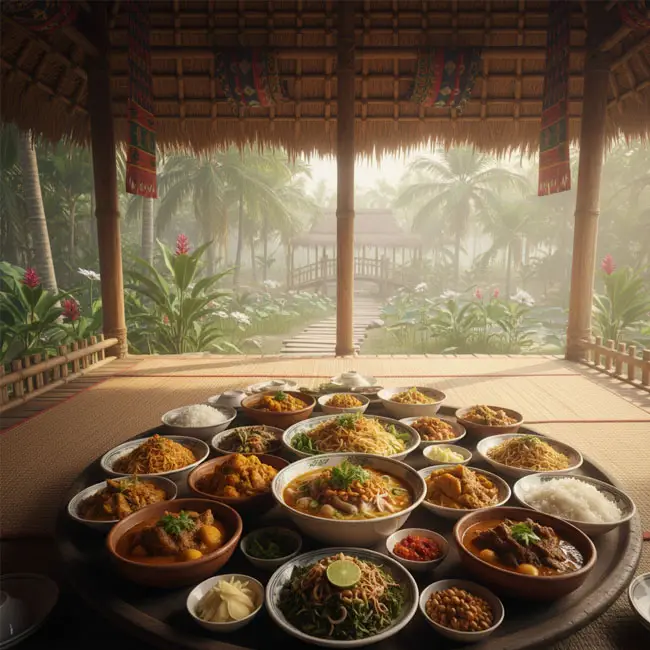
🌏 A Gentle Introduction to Myanmar’s Food Culture
Myanmar food isn’t loud. It doesn’t shout with extreme heat or heavy spice blends. Instead, it speaks softly but deeply, built on patience, balance, and everyday comfort. Burmese cuisine reflects the country itself—warm, layered, and deeply rooted in tradition.
Meals in Myanmar are not rushed. Eating is a shared experience, often centered around rice, complemented by curries, vegetables, soups, and small side dishes placed together on the table. Rather than one dramatic centerpiece, Burmese main dishes work as a harmonious group, where every element has a purpose.
What makes Myanmar main dishes special is how they blend influences from neighboring cultures—India, China, and Thailand—while still maintaining a personality that’s unmistakably Burmese. The result? Food that feels familiar yet refreshingly different.
🍜 The Noodle Powerhouses of Myanmar
Noodles are not just comfort food here—they are national treasures. From breakfast stalls to evening markets, noodle-based main dishes dominate daily life.
🍲 Mohinga: The Soul of the Nation
Mohinga isn’t just food; it’s identity in a bowl. Often eaten in the early morning, this dish brings people together across regions, generations, and lifestyles.
What sets Mohinga apart is its carefully layered broth—thick, savory, aromatic, and deeply comforting. It’s filling without being heavy, rich without being overwhelming. Each vendor adds their own subtle twist, making every bowl slightly different but instantly recognizable.
More than anything, Mohinga represents home. For many Burmese people, it’s the taste they grow up with, crave when they travel, and proudly introduce to visitors.
🥥 Ohn No Khao Swe: Creamy, Cozy, and Crowd-Pleasant
If Mohinga is tradition, Ohn No Khao Swe is pure comfort. This coconut-based noodle dish feels warm, gentle, and welcoming—perfect for newcomers to Burmese food.
The creamy broth coats the noodles beautifully, while garnishes add contrast and texture. It’s interactive, too—you season it to your liking at the table, adjusting tanginess, richness, and heat.
This dish perfectly showcases how Burmese main dishes balance soft flavors with customizable intensity, making them incredibly approachable.
🍛 Burmese Curries (Hin): The Heart of Daily Life
Curries in Myanmar are not about overpowering spice. They are about depth, time, and technique.
🧄 What Makes Burmese Curry Unique?
Burmese curries, known as Hin, are slow-cooked until the oil naturally rises to the top—a method called see-pyan. This isn’t accidental; it’s intentional. The oil seals flavor, preserves the dish, and creates a rich mouthfeel that defines Burmese cooking.
Unlike many Southeast Asian curries, coconut milk is not always the base. Instead, flavor comes from aromatics like garlic, ginger, onions, turmeric, and fermented ingredients.
🍽️ The Burmese Meal Set Experience
A traditional Burmese meal is served all at once, encouraging sharing and balance. A typical table includes:
• Steamed white rice
• One or more Hin (main curries)
• A light, clear soup
• Fresh or blanched vegetables
• Fermented or pickled accompaniments
• A flavorful dipping sauce
No single dish dominates—the beauty lies in how everything works together.
🍗 Popular Burmese Main Curries
🥩 Meat-Based Curries
Chicken, pork, and beef curries are staples, cooked until tender and deeply infused with flavor. These dishes feel rich but never heavy, designed to be eaten with rice over multiple bites.
🐟 Fish Curries
Given Myanmar’s rivers and coastline, fish plays a major role. Fish curries tend to be lighter, sometimes tangy, and often tomato-based. They highlight freshness and natural flavor rather than heaviness.
🥢 Beyond Soups: Dry Noodles & Rice Dishes
Myanmar cuisine shines just as brightly beyond broth-based dishes.
🍜 Shan Noodles (Shan Khao Swe)
Originating from Shan State, this dish is beloved for its versatility. Served either dry or with soup, Shan noodles are simple, satisfying, and endlessly comforting.
They reflect Shan cooking philosophy—clean flavors, balanced seasoning, and natural ingredients.
🍝 Nan Gyi Thoke: Burmese-Style Noodle Salad
Nan Gyi Thoke is bold, hearty, and hands-on. Mixing the noodles yourself is part of the experience, turning eating into an interaction rather than a passive act.
This dish shows how Burmese main dishes often blur the line between salad and comfort food, creating something uniquely satisfying.
🍚 Nga Htamin: Rice Done the Burmese Way
Rice is sacred in Myanmar, and Nga Htamin proves how simple ingredients can feel special. Brightly colored with turmeric and paired with seasoned fish, this dish highlights how texture and aroma matter just as much as taste.
It’s commonly enjoyed at home, making it one of the most genuine expressions of everyday Burmese life.
🌿 Regional Diversity Across Myanmar
Myanmar is home to many ethnic groups, each contributing flavors, techniques, and traditions.
🏔️ Shan State
Known for lighter dishes, herbal notes, and gentle seasoning.
🌊 Coastal Regions
Feature more fish-based mains and tangier profiles.
🌾 Central Myanmar
Leans toward rich curries, oil-based cooking, and deeply savory flavors.
This diversity ensures that Myanmar main dishes never feel repetitive—there’s always something new to discover.
🧘 Eating Habits & Daily Food Culture
Burmese people eat with intention. Meals are grounding moments in the day, often shared with family or coworkers.
• Breakfast tends to be filling and savory
• Lunch is practical but satisfying
• Dinner is communal and relaxed
Food isn’t rushed—it’s respected.
🌍 Why Myanmar Main Dishes Deserve Global Attention
Myanmar food is still underrepresented globally, but that’s changing—and for good reason.
These dishes offer:
• Comfort without heaviness
• Flavor without aggression
• Tradition without rigidity
They’re perfect for anyone seeking soulful Asian cuisine beyond the usual spotlight.
❓ Frequently Asked Questions (FAQ)
Q1.Is Burmese food beginner-friendly?
Absolutely. Many dishes are mild, customizable, and deeply comforting.
Q2.Can you adjust spice levels easily?
Yes. Heat is typically added at the table, not cooked in.
Q3.Is rice always served with main dishes?
Most of the time, yes. Rice is central to Burmese meals.
✨ Final Thoughts: Discovering Myanmar One Dish at a Time
Exploring Myanmar main dishes is like being welcomed into someone’s home kitchen—warm, unpretentious, and full of heart. Whether you start with noodles, curries, or rice-based dishes, you’ll quickly realize this cuisine isn’t about trends. It’s about connection, comfort, and quiet confidence.
If you’re ready to explore a cuisine that feels both new and deeply familiar, Myanmar is waiting for you—one delicious main dish at a time 🇲🇲🍽️
🍝 Traditional Myanmar Recipes: Your Ultimate Guide to Authentic Burmese Main Dishes
| 🌐 🍝 < Back | 🇲🇲 🥪 < Previous | Next > 🍨 🇲🇲 |