
🏠 Home > 🗺️ Recipes > 🍨 Desserts > 🇲🇲 Myanmar Desserts > 🍨 Sanwin Ma Kin (Burmese Semolina Cake) , Shwe Yin Aye (Golden Heart Cooler) , Mont Lin Ma Yar (Husband and Wife Snack)
🍨 Unlock the Sweet Secrets of Myanmar: 3 Classic Dessert Recipes You Can Master at Home
Published by Supakorn | Updated: February 2026
The Sweet Heart of Southeast Asia: Why Burmese Desserts Deserve a Spot on Your Table
Hey, friend! Are you ready to take your taste buds on a journey to a corner of the world whose cuisine is often overlooked but deeply rewarding? We're talking about Myanmar (formerly Burma), a country nestled between culinary giants like Thailand, India, and China, whose food boasts a unique blend of all its neighbors. And nowhere is this sweet, nuanced complexity more evident than in their traditional desserts, or Mont (မုန့်).
For too long, Myanmar's incredible sweets have remained hidden gems, known mainly to those who have traveled the dusty roads from Yangon to Bagan or those in the global Burmese diaspora. But lately, thanks to amazing home cooks and a growing curiosity in global flavors, these delicious, coconut-rich, and often textural marvels are finally gaining the recognition they deserve. You’ll find them everywhere—from bustling roadside stalls to elegant tea shops (laphet yay saing), often accompanied by a strong cup of Burmese sweet tea.
These desserts aren't just sugary treats; they are a vital part of Burmese culture, celebrated during festivals like Thingyan (Water Festival) and often prepared for special occasions. They carry the flavor of home and the warmth of a community that loves to share its bounty.
This comprehensive guide is your personal invitation to dive into the world of Burmese sweets. Forget the store-bought stuff—we’re going to walk you through how to make three of the most iconic and beloved classic Myanmar desserts right in your own kitchen. Whether you’re an experienced baker or just starting out, these authentic, easy-to-follow recipes are designed for the modern home cook.
Get ready to master:
1.Sanwin Ma Kin (Burmese Semolina Cake): The rich, comforting, and perfectly dense cake of celebrations.
2.Shwe Yin Aye (Golden Heart Cooler): The ultimate refreshing, creamy, and textural coconut milk dessert, perfect for hot days.
3.Mont Lin Ma Yar (Husband and Wife Snack): A fun, street-food style savory-sweet pancake that’s as delightful to make as it is to eat.
Let’s get cooking!
🔹 Recipe 1: Sanwin Ma Kin (Burmese Semolina Cake)
About this Recipe
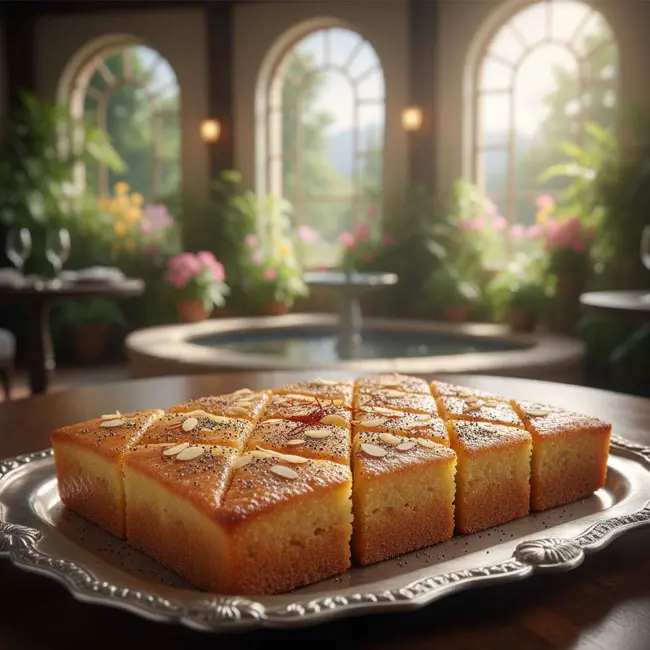
If there’s one dessert that embodies the warmth and generosity of Burmese hospitality, it’s Sanwin Ma Kin (ဆနွင်းမကင်း). The name literally means 'semolina dish,' and it’s a staple for any gathering, from wedding celebrations to pagoda offerings. Think of it as Myanmar’s answer to a rich, dense semolina cake or pudding.
What makes it so special is the luxurious texture and deep flavor profile. It combines semolina flour with a generous amount of rich coconut milk, butter (or ghee), sugar, and often eggs. The texture is key: it should be moist, slightly crumbly, and incredibly satisfying, with a tender crumb that melts in your mouth. Traditionally, it’s baked and finished with a scattering of crunchy poppy seeds or sesame seeds and sometimes cashews or raisins for extra pop. It’s comforting, aromatic (often with a hint of cardamom or vanilla), and truly unforgettable.
Ingredients & Measurements
This recipe yields a lovely 8x8 inch cake.
Ingredient - Measurement - Notes
- Fine Semolina Flour 1 cup (200g) Also known as Sooji or Cream of Wheat.
- Granulated Sugar 1 cup (200g) Adjust to your sweet preference.
- Thick Coconut Milk 1 cup (240ml) Use full-fat, canned coconut milk.
- Water or Evaporated Milk 1 cup (240ml) Evaporated milk adds richness.
- Unsalted Butter (melted) 1 stick (113g/½ cup) Ghee can be used for an even nuttier flavor.
- Large Eggs 2 Lightly beaten.
- Salt ½ teaspoon Balances the sweetness.
- Vanilla Extract 1 teaspoon (optional) Or ½ tsp cardamom powder for a traditional twist.
- Poppy Seeds or Sesame Seeds 1 tablespoon For topping and crunch.
- Raisins or Cashew pieces ¼ cup (optional) Mix into the batter for texture.
Step-by-Step Instructions
1.Prep: Preheat your oven to 350°F (175°C). Grease an 8x8-inch baking pan and line it with parchment paper, leaving an overhang to easily lift the cake later.
2.Toast the Semolina (Optional but Recommended): In a dry, heavy-bottomed pan, lightly toast the semolina over medium-low heat for about 3-5 minutes until it’s fragrant and slightly golden. Do not let it burn! Transfer it to a large mixing bowl.
3.Combine Wet Ingredients: In a separate bowl, whisk together the sugar, coconut milk, water (or evaporated milk), melted butter, beaten eggs, salt, and vanilla (or cardamom) until the sugar mostly dissolves and the mixture is well combined.
4.Create the Batter: Pour the wet mixture into the bowl with the toasted semolina. Whisk thoroughly until smooth. If using, stir in the raisins or cashews.
5.Rest the Batter: Cover the bowl and let the batter rest for 20-30 minutes. This allows the semolina to absorb the liquid, ensuring a moist cake.
6.Cook on the Stovetop (The Burmese Secret): This step is crucial for a great texture. Pour the rested batter into the same heavy-bottomed pan you used for toasting. Cook over medium-low heat, stirring continuously with a wooden spoon. Continue stirring for about 15-20 minutes until the mixture thickens significantly, pulls away from the sides of the pan, and forms a thick "dough" or paste.
7.Bake: Transfer the thick mixture to your prepared baking pan. Smooth the top with a spatula. Sprinkle generously with poppy seeds or sesame seeds.
8.Finish: Bake for 30-40 minutes, or until the top is golden brown and a skewer inserted into the center comes out clean.
9.Cool: Let the cake cool completely in the pan on a wire rack before lifting it out and cutting it into traditional diamond or square shapes.
Tips & Mistakes to Avoid
- Tip: Resting is Non-Negotiable: Don’t skip the 20-30 minute rest. It allows the semolina grains to soften and swell, resulting in a tender, moist cake instead of a dry, gritty one.
- Mistake: Skipping the Stovetop Cook: Cooking the batter on the stovetop before baking is the trick to that classic, dense, and chewy texture. If you just bake the liquid batter, you’ll get a different, more pudding-like result. Stir constantly during this phase to prevent sticking and scorching!
- Tip: For Maximum Flavor: Use ghee (clarified butter) instead of regular butter. It adds an incredible depth of nutty, buttery flavor that elevates the Sanwin Ma Kin.
FAQ
Q: Can I make Sanwin Ma Kin vegan?
A: Absolutely! Replace the eggs with an egg substitute like flax eggs or simply omit them and replace the butter with oil or plant-based margarine. The texture will be slightly different (less dense), but still delicious.
Q: How do I store leftovers?
A: Store at room temperature in an airtight container for up to 3 days, or in the refrigerator for up to a week. Reheat gently in the microwave or a low oven for that fresh-baked warmth.
Summary
Sanwin Ma Kin is a celebratory cake that’s all about luxurious texture and rich flavors. From toasting the semolina to the crucial stovetop cook, each step ensures you get that classic Burmese crumb. It’s a labor of love that rewards you with one of the finest cakes in Southeast Asia.

🔹 Recipe 2: Shwe Yin Aye (Golden Heart Cooler)
About this Recipe
When the Burmese heat hits, there is one dessert that everyone reaches for: Shwe Yin Aye (ရွှေရင်အေး), which translates wonderfully to “Golden Heart Cooler.” This is the ultimate refreshing, cold, and fun-to-eat street-food dessert. It's a sweet, creamy concoction that might remind you of other Southeast Asian favorites like Cendol or Halo-Halo, but it has its own distinct, delightfully complex set of textures.
It's essentially a bowl of sweet, chilled coconut milk packed with a vibrant medley of colorful ingredients. The stars are usually soft sago pearls or tapioca, strips of clear or pandan-flavored jelly (kyauk kyaw), and sometimes chewy sticky rice. The most unique ingredient is often a piece of white bread (yes, you read that right!) that soaks up the creamy coconut milk, adding a delightful sponginess. All of this goodness is doused in a generous helping of coconut milk and served chilled or over crushed ice. It’s a party for your mouth!
Ingredients & Measurements
This recipe makes 4 generous servings.
Ingredient - Measurement - Notes
- Thick Coconut Milk 2 cups (480ml) Full-fat is best for richness.
- Sugar (or Palm Sugar/Jaggery) ½ cup (100g) Adjust to taste.
- Water 1 cup (240ml) For the syrup/milk base.
- Salt A small pinch Enhances the sweetness.
- Cooked Sago Pearls ½ cup Small tapioca/sago pearls, cooked according to package directions.
- Pandan Jelly (Cendol) 1 cup Green, worm-shaped jelly noodles; available in Asian stores.
- Coconut Jelly Cubes 1 cup Cubes of coconut jelly (nata de coco) or agar-agar.
- Cooked Sticky Rice ½ cup Optional, but adds a traditional chewy element.
- Plain White Bread 2 slices Cut into small cubes, crusts removed.
- Ice Crushed or cubed Essential for the 'cooler' effect!
Step-by-Step Instructions
1.Prepare the Sweet Coconut Base: In a saucepan, combine the 1 cup of water and the sugar. Heat over medium until the sugar dissolves completely, creating a simple syrup. Let it cool slightly.
2.Mix the 'Cooler': Pour the simple syrup into the 2 cups of thick coconut milk. Add the pinch of salt. Stir well. Taste and adjust for sweetness.
3.Chill: Place the sweetened coconut milk mixture in the refrigerator to chill thoroughly for at least 2 hours. This is crucial for a truly refreshing dessert.
4.Prep the Mix-ins: While the milk chills, prepare your ingredients. Cook the sago pearls, drain them, and rinse them in cold water to prevent sticking. Cut your jelly and bread into bite-sized pieces.
5.Assemble the Dessert: When you’re ready to serve, grab a tall glass or bowl.
6.Layer: Start by spooning a little bit of the cooked sticky rice (if using) into the bottom. Layer in a scoop of sago pearls, pandan jelly, and coconut jelly.
7.Saturate: Pour the chilled, sweetened coconut milk over the mix-ins until they are mostly submerged.
8.The Finishing Touch: Place the cubes of white bread on top, followed by a generous scoop of crushed ice. The bread will quickly soak up the creamy coconut milk!
9.Serve Immediately: Give it a quick, gentle stir and enjoy the instant refreshment.
Tips & Mistakes to Avoid
- Tip: Make It Ahead: The sweet coconut base can be made a day in advance and stored in the fridge. The colder it is, the better the Shwe Yin Aye tastes!
- Mistake: Too Thin a Base: Don’t skimp on the coconut milk—use a high-quality, full-fat version for that creamy, rich mouthfeel that defines this dessert. If your base is too watery, it loses its satisfying indulgence.
- Tip: Get Creative with Jelly: If you can’t find kyauk kyaw (agar-agar), you can use any clear or colored fruit jelly, or even make your own simple agar-agar cubes flavored with a touch of pandan extract.
FAQ
Q: I can't find sago pearls. What can I use?
A: Small tapioca pearls work perfectly well. Even a small amount of boiled, softened mung beans can be used for a more savory/nutty texture variation.
Q: Why the bread?
A: It sounds weird, but trust the tradition! The plain white bread cubes are purely there to soak up the luscious coconut milk, adding a soft, spongy contrast to the chewy jellies and sago.
Summary
Shwe Yin Aye is a delightful riot of colors and textures, a perfectly balanced combination of creamy coconut, sweet syrup, and chewy elements. It’s the ultimate cool-down treat and a fantastic way to introduce friends to the layered complexity of Burmese sweets.
🔹 Recipe 3: Mont Lin Ma Yar (Husband and Wife Snack)
About this Recipe
Here's a snack that is as charming as its name: Mont Lin Ma Yar (မုန့်လုံးမယား), which translates to the adorable "Husband and Wife Snack." This is a savory-sweet, often savory-leaning, crispy-on-the-outside, soft-on-the-inside street food favorite. It’s not strictly a dessert, but its incredible popularity as a teatime treat makes it an essential part of the Burmese sweets landscape.
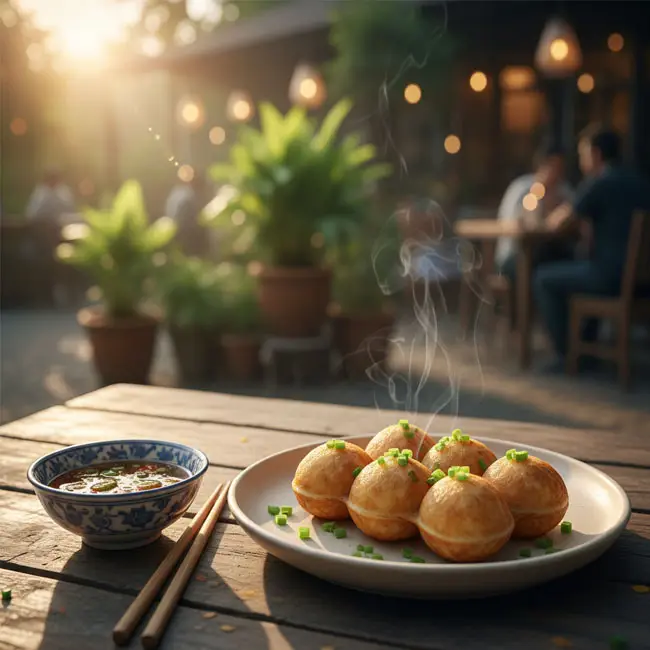
The name comes from the way it’s cooked: two small, hemisphere-shaped pancakes are cooked separately on a special cast-iron griddle, and then a street vendor will expertly clap them together, sandwiching the toppings in between to form one round, whole snack—just like a married couple!
The core is a simple batter made from rice flour and water, often with a touch of coconut milk for richness. The magic is in the fillings and the cooking technique. The traditional savory filling usually includes cooked yellow split peas, finely chopped scallions (spring onions), and sometimes a tiny quail egg. The two halves are then dusted with a mixture of toasted sesame seeds and salt. It’s the perfect blend of salty, savory, slightly sweet, and utterly addictive crunch.
Ingredients & Measurements
This recipe makes about 15-20 "couples" (30-40 halves). You will need a special spherical pan, like a Takoyaki pan, or a simple shallow frying pan to form small, thick circles.
Ingredient - Measurement - Notes
- Rice Flour 1 cup (150g) Fine rice flour is essential for the texture.
- Water ¾ cup (180ml) May need to adjust based on flour.
- Coconut Milk ¼ cup (60ml) Full-fat is recommended.
- Baking Soda ½ teaspoon Helps with the lift and texture.
- Salt ½ teaspoon For the batter.
- For the Filling:
- Cooked Yellow Split Peas ¼ cup Softly boiled or steamed.
- Chopped Scallions ¼ cup Use the green parts.
- Quail Eggs 6-8 Optional, crack one into the batter when cooking.
- For Topping/Seasoning:
- Toasted Sesame Seeds 1 tablespoon White or black.
- Salt ¼ teaspoon Mix with the sesame seeds.
- Oil For greasing the pan. Vegetable or peanut oil.
Step-by-Step Instructions
1.Prepare the Batter: In a large bowl, whisk together the rice flour, water, coconut milk, baking soda, and salt until you have a smooth, thin batter—a bit thinner than regular pancake batter. Cover and let rest for at least 30 minutes to allow the rice flour to hydrate.
2.Prepare Toppings: Finely chop the scallions and gently mash the cooked yellow split peas (you don't want a paste, just lightly broken up). Mix the toasted sesame seeds and ¼ teaspoon of salt in a small bowl.
3.Heat the Pan: Place your Takoyaki pan (or shallow frying pan) over medium heat. Once hot, brush the molds generously with oil.
4.Pour and Cook Halves: Pour the batter into each mold, filling it about three-quarters full. The batter should sizzle immediately.
5.Add Fillings: Immediately sprinkle a small pinch of the mashed split peas and chopped scallions into each half. If using, gently crack a small quail egg into the center of a few of the halves.
6.Flip and Close: As the edges begin to set and crisp up (after about 1-2 minutes), use a skewer or a small spoon to gently flip one half over onto the other, sandwiching the fillings inside. Press gently to fuse them into a single, spherical or domed snack.
7.Continue Cooking: Cook for another minute or two, rotating them slightly, until the exterior is a lovely golden-brown and crispy.
8.Serve: Transfer the finished Mont Lin Ma Yar to a plate and sprinkle with the sesame-salt mixture. Serve immediately while hot!
Tips & Mistakes to Avoid
- Tip: The Pan is Key: While a Takoyaki pan works perfectly, if you don't have one, just use a lightly oiled non-stick pan to make small, thick pancake rounds. They won't be perfectly round, but the taste will be the same.
- Mistake: Skipping the Rest: Allowing the rice flour batter to rest ensures a softer, more pliable center, preventing the final snack from being dry or tough.
- Tip: Sweet Variation: To make a sweet version, simply omit the scallions, split peas, and egg. Instead, fill with shredded sweet coconut and a drizzle of jaggery or brown sugar syrup before joining the halves.
FAQ
Q: What is the perfect texture for the batter?
A: It should be slightly runny, easily coating the back of a spoon, but not overly watery. If it’s too thick, the interior will be gummy; if it's too thin, it won't set properly. Adjust with a tablespoon of water or a teaspoon of rice flour if needed.
Q: Can I use regular chicken eggs instead of quail eggs?
A: Yes, but you will only use a tiny drop of the beaten chicken egg mixture per mold, as a whole chicken egg would be far too much and overpower the snack. Quail eggs are ideal for size.
Summary
Mont Lin Ma Yar is the Burmese version of "fast food" done right—fresh, flavorful, and textural. The satisfying crunch of the exterior giving way to a soft, savory interior filled with peas and scallions is a culinary delight you’ll want to make again and again.
Final Thoughts
See? Making these iconic Burmese desserts isn't a complex, faraway culinary dream. It's totally achievable, and honestly, it’s one of the most rewarding ways to connect with a beautiful and rich food culture.
You’ve got the power now to bake the creamy, celebratory Sanwin Ma Kin for your next gathering, whip up a truly refreshing Shwe Yin Aye for a hot afternoon, and impress your friends with the fun, savory-sweet street-food magic of Mont Lin Ma Yar.
So, which one are you going to try first? Don't worry about perfection; just jump in! Pick a recipe, gather your ingredients, and enjoy the process. Once you’ve made your first batch, please share your experience—we’d love to hear how your own Mont turned out! Happy cooking, friend!
| 🇲🇲 🍨 < Back |