
🏠 Home > 🗺️ Recipes > 🏛️🧪 Sacred Infusions & Botanical Tonics > 🛕 Mohenjo-Daro: Sacred Infusions & Botanical Tonics Recipes
🛕 🏛️🧪 Mohenjo-Daro: Sacred Infusions & Botanical Tonics Recipes
Published by Supakorn | Updated: July 2026
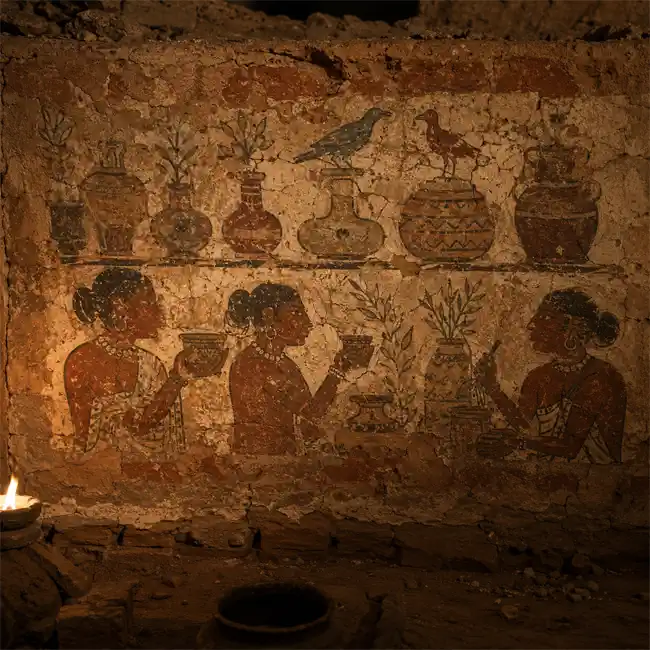
🛕 📜 The Storyteller’s Intro: 5,000 Years of Ancestral Flavors
Hey there, fellow history lovers, curious foodies, and wanderlust souls! Have you ever wondered what life actually tasted like thousands of years ago? If we hop into a time machine and set the coordinates back 5,000 years—around 2600 BCE—we would find ourselves standing right in the heart of the Indus Valley Civilization. Specifically, in the legendary, grid-planned metropolis of Mohenjo-Daro. Located in present-day Sindh, Pakistan, this wasn't just some primitive settlement. It was an absolute masterpiece of urban engineering, complete with sophisticated drainage systems, brick granaries, public baths, and a deeply harmonious relationship with nature.
When we think about ancient food, our minds often jump to grand Roman banquets or Egyptian pharaohs feasting near the pyramids. But the people of Mohenjo-Daro were brewing up something truly special long before those empires hit their peak. Their culinary philosophy wasn't about lavish, wasteful gluttony; it was an art form rooted in well-being, botanical wisdom, and sacred harmony. Imagine walking through the warm, dusty avenues of Mohenjo-Daro as the sun sets over the Indus River. The air isn't just filled with earth and brick; it carries the intoxicating aroma of crushed cardamom, wild mint, roasted mustard seeds, steeped barley, and earthy turmeric boiling over clay hearths.
To understand how these ancient flavors came to be, we have to look at the historical timeline that shaped the region. The story of the Indus culinary heritage unfolds across three distinct eras:
◦ The Early Harappan Phase (c. 3300 BCE – 2600 BCE): This was the formative era where nomadic pastoralists settled along the fertile plains of the Indus River basin. Early communities began experimenting with wild herbs, basic grain porridge, foraging local flora, and cultivating native millets and wheat.
◦ The Mature Harappan Phase (c. 2600 BCE – 1900 BCE): The golden age of Mohenjo-Daro! This is where urban planning met culinary innovation. City dwellers mastered crop rotation, spice blending, terracotta brewing, and created specialized botanical infusions for daily stamina, rituals, and seasonal health.
◦ The Late Harappan Phase (c. 1900 BCE – 1300 BCE): As climate shifts altered the river courses, people migrated and decentralized, spreading their deep botanical and herbal knowledge into surrounding regions, laying the foundational roots for ancient herbal medicine across the Indian subcontinent.
The real heart of Mohenjo-Daro's kitchen secrets lived in their infusions and tonics. Long before modern wellness trends brought green juices and herbal teas into our daily routine, the Indus citizens were steeping seeds, leaves, roots, and flowers into potent, nourishing drinks. These weren't alcoholic brews; they were clean, vibrant, restorative botanical beverages designed to cool the body down during scorching summers, bolster immunity, and honor the sacred forces of nature.
📜 Iconic Excavated Menus: From Clay Tablets to Pharaoh Tombs
Now, you might be asking: "How on earth do we know what people were sipping on 5,000 years ago if they didn't leave behind a modern cookbook?" That is where archaeological magic happens! Bio-archaeologists and archaeobotanists have spent decades excavating the Indus ruins, analyzing microscopic starch grains, phytoliths, lipid residues inside porous terracotta vessels, and comparing findings with contemporary tablet inscriptions from trade partners across the ancient world.
When we inspect the archaeological record—from the hearths of Mohenjo-Daro to the clay archives of Mesopotamia and royal tombs across the trade sea routes—a breathtaking menu of sacred, botanical preparations comes to light. Here are some of the iconic, historically verified menu names and restorative infusions that defined the ancient Bronze Age world:
◦ Soma-Veda Botanical Draught: A revered, mystical cold-steeped tonic made from mountain-harvested ephedra-like botanical stalks, wild holy basil, and crushed green cardamom, documented across ancient ritual texts and evidenced by herbal grinding stones.
◦ Harappan Turmeric & Mustard Leaf Elixir: A golden, warm decoction brewed from fresh root turmeric, wild mustard foliage, and black peppercorns, traditionally boiled in clay pots to soothe inflammation and sustain workers throughout long agricultural shifts.
◦ Meluhhan Roasted Barley & Lotus Stem Decoction: A cooling, nutty infusion prepared by simmering deeply roasted barley grains alongside sliced lotus stems and dried ginger root—a daily staple found in residential kitchen pottery fragments.
◦ Indus Sacred Basil & Forest Honey Infusion: A comforting, aromatic brew combining wild tulsi leaves, sweet forest honey, and crushed coriander seeds, routinely used during atmospheric seasonal transitions to boost vitality.
◦ Mesopotamian Date & Spiced Cardamom Nectar: A rich, naturally sweet elixir discovered referenced on cuneiform clay trade receipts, made by mashing dried dates, steeping them in pure spring water, and seasoning with imported Indus spices.
◦ Pharaonic Hibiscus & Tamarind Digestive Tonic: A tart, refreshing deep-red beverage identified through botanical sediment in tomb vessels, masterfully blending sour tamarind pulp with wild hibiscus petals to combat intense heat.
◦ Bronze Age Fennel & Licorice Root Cordial: A smooth, naturally sweet digestive infusion made by gently simmering bruised fennel seeds and sweet licorice root in terracotta cauldrons over low-burning embers.
◦ Ancient Cedar & Juniper Berry Cleansing Elixir: A resinous, piney botanical draught steeped with crushed juniper berries and aromatic cedar wood shavings, frequently used in purificatory rituals prior to communal gatherings.
🗺️ Ancient Culinary Tourism: Mapping Flavors to Historic Landscapes
If you are a traveler who loves hunting down the origins of authentic food culture, visiting the geographical homeland of Mohenjo-Daro is like taking a pilgrimage to the dawn of human civilization. Located in the Larkana District of Sindh, Pakistan, the UNESCO World Heritage site of Mohenjo-Daro offers a surreal experience. Walking through the quiet brick ruins today, you can literally feel the echoes of ancient life beneath your feet.
Connecting modern travel with ancient gastronomy gives you a whole new perspective on how geography directly shaped human flavor profiles. Here is how you can map out the ultimate culinary and historic landscape journey through the land of the Indus:
◦ The Great Bath & Upper Citadel Grounds: Stand beside the magnificent Great Bath, believed to be a central site for sacred purification rituals. Scholars suggest that after communal bathing, participants gathered to sip warm herbal tonics infused with holy basil, ginger, and cardamom to restore body heat and spiritual clarity.
◦ The Lower Town Residential Quarters: Wander through the meticulously aligned street grids of the residential quarters. Here, almost every home featured private wells, clay hearths, and specialized grinding stones (querns) used for pulverizing spices and botanicals for daily household infusions.
◦ The Massive Brick Granaries: Marvel at the grand architecture designed to store tons of surplus grain. These granaries held the economic lifeblood of the city—barley, wheat, sesame, and millets—which were not just ground into flour, but roasted and steeped to create rich, grain-based tonic beverages.
◦ The Indus River Alluvial Banks: Take a walk down toward the historical banks of the Indus River. The rich silt deposited by annual floodwaters provided the perfect microclimate for wild mint, sweet tamarind trees, turmeric roots, and green leafy botanicals that defined the regional palate.
◦ The Artifact Galleries of the Site Museum: Check out the preserved terracotta drinking cups (goblets with pointed bases), storage jars, and perforated pottery vessels. These perforated pots are widely believed to have acted as ancient strainers for brewing complex herbal decoctions and loose-leaf infusions!
🚣 The Fertile Crescent & Nile Sovereignty: Riverbed Agriculture
To fully appreciate the genius of Mohenjo-Daro's culinary creations, we have to look at the bigger geographical picture. Bronze Age civilizations didn't thrive by accident—they built their lives along powerful river systems. Just as the Nile nurtured Egypt and the Tigris and Euphrates sustained the Fertile Crescent, the mighty Indus River was the master key to Mohenjo-Daro's agricultural agricultural wealth and dietary diversity.
The annual monsoon seasons brought massive floods that overflowed the riverbanks, coating the surrounding agricultural fields with nutrient-rich black silt. This natural gift allowed the Indus people to develop a highly sophisticated, multi-crop agricultural system that kept their pantries stocked all year round.
Here is how the Indus riverbed ecosystem sustained their unique botanical and culinary lifestyle:
◦ Dual-Season Cropping Systems: Unlike many ancient societies that relied on single harvest cycles, the Indus farmers mastered two distinct growing seasons—cultivating wheat, barley, and peas in the winter (Rabi crops), and switching to sesame, cotton, and millets during the monsoon summer (Kharif crops).
◦ Abundant Native Legumes & Seeds: The rich river soil produced exceptional yields of chickpeas, lentils, sesame seeds, and mustard seeds. Sesame and mustard were cold-pressed for aromatic oils, while bruised seeds were steeped into savory, warming infusions for wellness.
◦ Wild Botanical Foraging: The lush, marshy riverbanks provided a natural garden filled with wild lotus roots, mint, holy basil, wild licorice, and medicinal herbs. Foragers collected these wild plants daily to craft fresh, restorative botanical drinks.
◦ Riverbed Fruit Groves: Along the fertile soil boundaries, orchards of dates, wild pomegranates, and jujube (Indian plum) flourished. These naturally sweet fruits were dried, stored, and later boiled into thick, sweet cordials without needing refined sugars.
◦ Pure Groundwater Wells: Mohenjo-Daro featured over 700 brick-lined water wells throughout the city! This access to clean, filtered groundwater meant that every herbal infusion, tea, and botanical tonic was brewed with exceptionally pure water—a crucial factor in urban health and sanitation.
🏜️ Oasis & Desert Trade Route Banquets: Caravan Luxuries
Mohenjo-Daro was far from isolated. It was a bustling, globally connected trade hub! The people of the Indus were legendary maritime and overland traders, known in ancient Mesopotamian cuneiform records as the prosperous land of Meluhha. Bronze Age trade networks spanned thousands of miles, crossing blistering deserts, high mountain passes, and open sea routes to connect the Indus Valley with Arabia, Oman, and the Persian Gulf.
These trade caravans were essentially ancient flavor pipelines. When long-distance merchants arrived at the desert oases and river ports of Mohenjo-Daro, they brought along exotic luxuries from far-off lands, while trading away the Indus Valley’s prized spices, cotton, and botanical formulations.
Here is a look at the caravan luxuries and exotic trade goods that elevated ancient trade route gatherings and banquets:
◦ Imported Mesopotamian Dates & Sweet Syrups: Caravan traders brought rich, sun-ripened dates and concentrated date syrups from the palm groves of the Persian Gulf, which were used to naturally sweeten heavy, spice-infused botanical cordials.
◦ High-Altitude Himalayan Botanicals: Traders traveling down from the northern mountain ranges brought rare herbs like spikenard, saffron crocuses, and wild mountain rock-resins (shilajit), adding deep, complex, resinous notes to sacred ceremonial drinks.
◦ Omani Frankincense & Myrrh Aromatics: Precious aromatic tree resins imported from the Arabian Peninsula were burned during evening trade banquets to clear the air, relax tired travelers, and infuse subtle resinous aromas into open earthenware drinking vessels.
◦ Southern Coastal Pepper & Spices: Early coastal trade brought wild black pepper and green cardamom pods from the tropical forests further south, adding a zesty, warming bite to traditional cold-weather botanical broths.
◦ Terracotta Caravan Flasks & Travel Potions: Merchants carried specialized, double-baked clay flasks filled with concentrated herbal decoctions, ensuring they stayed hydrated, healthy, and protected against desert sickness during long journeys across the arid landscape.
🛎️ Ancient Civilization FAQ: Unlocking Palace Kitchen Mysteries
Let’s dive into some of the most fascinating, deep-dive questions about the lifestyle, food habits, and kitchen secrets of ancient Mohenjo-Daro!
Q1.How did the people of Mohenjo-Daro keep their herbal tonics and botanical drinks cool in the desert heat?
The citizens of Mohenjo-Daro were absolute masters of thermodynamics! They utilized specialized porous terracotta vessels made from local river clay. When liquid was stored in these unglazed clay pots, tiny amounts of water seeped through the porous walls and evaporated on the outside surface in the dry air. This natural evaporative cooling process chilled the herbal infusions inside by several degrees, providing refreshing, ice-cool botanical drinks even during the hottest summer months without electricity!
Q2.What kind of sweeteners did they use in their sacred infusions before refined sugar existed?
Long before refined white sugar was invented, the Indus people relied on nature’s richest, wholesome sweeteners. The primary source of sweetness was raw, wild forest honey harvested from native bee hives. They also made extensive use of concentrated date paste, boiled down date palm sap, and crushed dried fruit like figs and jujubes. These natural sweeteners didn't just add a delicious flavor; they infused the beverages with vital minerals, energy, and natural antioxidants.
Q3.Did the food and drink of Mohenjo-Daro influence modern South Asian cooking?
Absolutely! Modern culinary historians consider the Indus Valley Civilization to be the primary birthplace of South Asian flavor profiles. Excavated clay pots from Mohenjo-Daro have yielded microscopic trace evidence of turmeric, ginger, garlic, mustard seeds, cumin, and cardamom—the exact same core spices used in modern curries and chai blends today! Their early practice of steeping spices and herbs in hot water laid the direct historical foundation for modern herbal decoctions (kadha) and spiced drinks still enjoyed across the world today.
🧠 Final Thoughts: The Timeless Allure of Antique Gastronomy
Stepping back to explore the ancient flavors of Mohenjo-Daro reminds us that food has always been so much more than just basic fuel for the body. To our ancestors 5,000 years ago, every plant, root, seed, and leaf carried a story, a sacred energy, and a purpose. They understood how to live in complete harmony with the changing seasons, using simple, pure botanical infusions to maintain health, connect with their community, and honor the natural world around them.
The beauty of studying Bronze Age gastronomy lies in its refreshing simplicity. In a modern world filled with artificial flavors, processed ingredients, and hyper-complicated wellness trends, turning our attention back to the natural, wholesome tonics of the Indus Valley feels like a much-needed breath of fresh air. It proves that true wellness doesn't require synthetic additives—just pure spring water, fresh botanical herbs, earthy spices, and a touch of wild honey.
Are you excited to bring a piece of this ancient, 5,000-year-old culinary magic into your own modern kitchen? Keep your eyes open and stay tuned, because in our upcoming feature, we are going to break down the exact, step-by-step master recipes for these ancient botanical infusions and restorative tonics. You will learn how to source, blend, and steep these timeless ingredients right in your own home!
🏛️ Credit to the Keepers of the Culture (The Legacy)
We owe an immense debt of gratitude to the dedicated archaeobotanists, historians, bio-anthropologists, and field researchers whose tireless work brings the ancient world back to life. Special credit goes to the groundbreaking excavations led by Sir John Marshall, Ernest Mackay, and Dr. F.A. Khan, as well as modern research initiatives like the Harappa Archaeological Research Project (HARP).
Their meticulous efforts in analyzing ancient soil samples, pottery lipid residues, and plant phytoliths allow us to accurately honor the culinary legacy of the Indus Valley people. By studying and respecting their ancient botanical traditions, we keep the vibrant heritage, wisdom, and culture of Mohenjo-Daro alive for generations to come.
🏛️🧪 Unlocking the Lost Botanical Elixirs of the Ancient Indus Valley Civilization
👉 Sip Mohenjo-Daro's Botanical Tonics
| 🌐 🏛️🧪 < Back | 🛕 🍯 < Previous |