
🏠 Home > 🗺️ Recipes > 🏛️🍖 Hearth-Roasted Mains > 🛕 Mohenjo-Daro: Hearth-Roasted Mains Recipes > 🏛️🍖 1.Rare Mohenjo-daro Spiced Roast (Earthen Flame & Ancestral Rub)t
🏛️🍖 Unearthing Indus Secrets: The 5,000-Year-Old Sacred Spiced Roast
Published by Supakorn | Updated: July 2026
🛕 🏛️ Ancient Civilization Origins: Indus Valley Civilization (Sindh, Modern-Day Pakistan)
📜 The Storyteller’s Intro: 5,000 Years of Ancestral Flavors
Imagine standing on the sun-baked mud-brick parapets of Mohenjo-daro around 2500 BCE. The air isn't just warm; it’s thick, rich, and heavily perfumed with aromatic smoke drifting from underground earthen hearths. You aren't smelling modern fast food or fancy fusion cuisine. You are breathing in the sacred, primal essence of roasted meats, crushed riverbed mustard seeds, wild turmeric, and slow-smoldering acacia firewood.
Hey friend! Welcome back to our ancient culinary corner. Today, we are taking a deep dive into one of humanity’s most mysterious, technologically advanced, yet unfairly forgotten urban civilizations: the Indus Valley Civilization (also known as the Harappan Culture). While ancient Egypt was busy hauling massive granite blocks for pyramids and Mesopotamia was carving cuneiform tax receipts into clay, the master builders of Mohenjo-daro were busy perfecting urban sanitation, brick ovens, and an unbelievably sophisticated spice culture.
For generations, mainstream history textbooks told us that ancient people ate plain, boring, unseasoned roasted meat just to survive. But archaeological digs, soil residue analyses, and preserved clay cooking pots tell a completely different story! The people of the ancient Indus Valley were absolute foodies. They combined earthy turmeric, pungent wild ginger, crushed mustard, sour tamarind, and aromatic tree resins to transform simple cuts of cured meat into sacred culinary masterpieces. Today, we aren't just reading history; we are firing up our ovens, bringing those lost ancestral hearths back to life, and recreating a legendary dish that hasn't been tasted in thousands of years!
🌍 The Global Value of Antique Heritage
When we talk about ancient heritage, we often think about monumental brick structures, complex bronze statuary like the famous "Dancing Girl," or elaborate underground drainage systems. But real, living human culture doesn't just exist in stone and mortar—it thrives on the tongue and inside the kitchen. The Indus Valley was a thriving global trade nexus. Harappan merchants sailed across the Persian Gulf, trading precious lapis lazuli, timber, and exotic spices with Mesopotamian cities like Ur and Akkad.
Understanding what our ancestors cooked gives us a direct, intimate portal into their daily hopes, sacred rituals, and technological genius. Food was their medicine, their currency, their ultimate social bond, and their sacred offering to the earth spirits. When you recreate a 5,000-year-old culinary formula, you aren't just making dinner—you are preserving a priceless piece of global human history. You are honoring the anonymous home cooks, ancient butcher guilds, and hearth tenders whose culinary wisdom laid the groundwork for modern South Asian and global flavor profiles.
🔥 The Culinary Resurrection
How do we actually "resurrect" a recipe when ancient Harappans left behind no written cookbooks or deciphered script? Archaeologists use a brilliant field called archaeobotanical analysis. By examining the microscopic starch grains trapped in the cracks of excavated ceramic cooking pots, ancient hearth stones, and human dental calculus at sites like Mohenjo-daro and Harappa, scientists have identified traces of cultivated mustard seeds, wild ginger, raw turmeric, garlic, green barley, and native pulses.
By combining these scientific findings with traditional clay-pot roasting techniques still preserved in regional Sindh and Punjab folk traditions, we have reconstructed this forgotten sacred feast. We’ve carefully adjusted the archaic methods so you can easily recreate this mind-blowing, deeply aromatic roast in your modern home kitchen without needing a prehistoric underground clay pit!
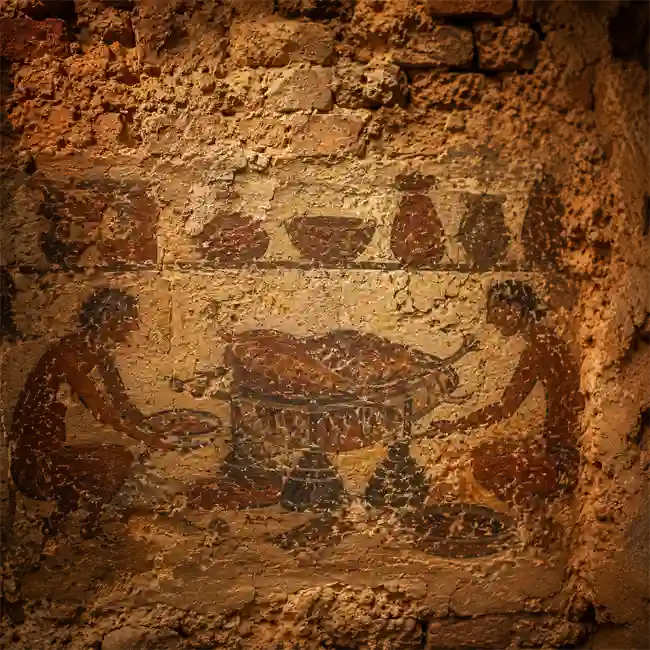
🍗 Recipe: Rare Mohenjo-daro Spiced Roast (Earthen Flame & Ancestral Rub)
🏺 Legends Behind This Excavated Secret
Local folklore around the Lower Indus Basin speaks of sacred hearth fires kept burning continuously inside specialized brick-lined pit ovens called tandoors or earthen bhattis. Legend says that during major seasonal solstice gatherings and agricultural festivals, master cooks would rub prime cuts of preserved, salt-cured meat with a fiery yellow-and-black paste made from freshly ground river-bank roots and aromatic seed oils.
The meat was wrapped tightly in fragrant, wild green leaves, tied with plant fibers, and buried deep within dying wood embers inside sealed terracotta vessels. As the clay pots baked under the earth overnight, the meat absorbed the woodsmoke, native spices, and natural juices, resulting in a roast so tender and deeply spiced that it was deemed fit for high priest-kings and ancestral deities. Today, we unearth that secret just for you.
🧺 Ingredients & The Noble Pantry
• The Ancestral Staples
Back in 2500 BCE, the kitchen cupboard was filled with organic, unrefined, earth-grown powerhouses. The base of this sacred roast relies on deep roots like wild turmeric and ginger, which provided vibrant natural color, preservative anti-microbial properties, and a sharp bite. Pungent black mustard oil and toasted seeds acted as the rich, lingering flavor carrier, while native rock salt and crushed black pepper (or long pepper, pipali) provided an intense, warming heat that balanced the rich savory meat.
• Modern Substitutes
Don't worry, you won't need to go excavating an archaeological trench to get these ingredients! Here is how you can easily match the ancient flavor profile using accessible modern grocery store staples:
◦ Bone-in Leg of Lamb, Goat, or Beef Roast: Traditionally, wild game or native cattle/goat was used. A bone-in leg of lamb or beef chuck roast works fantastically well today.
◦ Black Mustard Oil: You can find this at any South Asian market. If unavailable, use extra virgin sesame oil mixed with a tiny pinch of mustard powder to get that authentic sharp, nutty pungency.
◦ Fresh Turmeric Root: Freshly grated yellow turmeric gives an unmistakable woody flavor. If you can only find ground turmeric powder, that is totally fine!
◦ Fresh Ginger and Garlic: Essential for depth and aroma. Use fresh roots instead of pre-made pastes for the best result.
◦ Coarse Rock Salt or Sea Salt: Mimics the unrefined mineral salt mined near the Indus basin.
◦ Crushed Black Peppercorns: Delivers authentic ancient heat before chili peppers arrived from the Americas centuries later.
◦ Fresh Banana Leaves or Parchment Paper: Used to wrap the meat to hold in moisture during roasting, mimicking the ancient clay-pot leaf wrap.
• Ancient Proportions
Here are the exact ratios to create your sacred ancestral marinade. Everything is listed in clear, simple kitchen measurements:
◦ Primary Cut: 3.5 to 4 pounds (1.5 to 1.8 kilograms) bone-in lamb leg, goat shoulder, or beef roast
◦ Coarse Sea Salt: 1.5 tablespoons
◦ Black Peppercorns (coarsely cracked): 1 tablespoon
◦ Fresh Turmeric Root (peeled and finely grated): 2 tablespoons (or 1 tablespoon ground turmeric powder)
◦ Fresh Ginger Root (peeled and crushed): 2.5 tablespoons
◦ Garlic Cloves (crushed into a paste): 6 large cloves
◦ Whole Black Mustard Seeds: 1 tablespoon
◦ Black Mustard Oil or Toasted Sesame Oil: 4 tablespoons
◦ Crushed Coriander Seeds: 1 tablespoon
◦ Lemon Juice or Raw Apple Cider Vinegar: 2 tablespoons (acts as the ancient acidic tenderizer in place of sour tamarind)
◦ Fresh Banana Leaves or Unbleached Baking Parchment: 2 to 3 large sheets for wrapping
◦ Kitchen Twine: 1 meter for securing the leaf wrap
🌿 The Chef’s Ancient Ritual
1.The Meat Preparation: Take your cut of meat and pat it completely dry using clean kitchen paper towels. Using a sharp knife, make small 1-inch deep slits diagonally all over the meat. This allows the sacred spice paste to penetrate deep into the center.
2.Grinding the Sacred Paste: In a heavy mortar and pestle (or a modern small spice grinder), crush the whole black mustard seeds and coriander seeds until cracked and fragrant. Add the crushed ginger, garlic, grated turmeric, sea salt, black pepper, acidic lemon juice, and mustard oil. Pound and stir until it forms a thick, vibrant golden-amber paste.
3.Anointing the Meat: Rub the spice paste thoroughly all over the meat, ensuring you press the paste deep into every slit and crevice. Massage the meat for at least 3 minutes with love and respect—this is your ancient ritual!
4.The Curing Rest: Wrap the seasoned meat tightly in parchment or plastic film and let it marinate in the refrigerator for at least 6 to 8 hours, though overnight (12 hours) is ideal for maximum flavor infusion.
5.The Ancestral Leaf Wrapping: Remove the meat from the fridge 45 minutes before cooking to bring it to room temperature. Pass your banana leaves quickly over an open stove flame for a few seconds until pliable. Wrap the marinated meat snugly in the banana leaves (or thick parchment paper), overlapping the layers. Tie securely with kitchen twine. This simulates the subterranean, moisture-locking clay pot environment!
6.Firing up the Oven: Preheat your oven to 325°F (160°C). Place your wrapped roast inside a heavy Dutch oven, cast-iron skillet, or deep terracotta baking dish. Cover tightly with a lid or heavy foil.
7.The Slow Earthen Roast: Slide the dish into the oven and let it slow-roast undisturbed for 3 to 3.5 hours. The low, slow heat gently breaks down the connective tissues while trapping the woodsy spice aromas inside the steam envelope.
8.The Fire Crisp Finish: Carefully remove the lid and unwrap the top layer of leaves/parchment. Increase oven temperature to 425°F (220°C) and roast uncovered for an additional 15 to 20 minutes to create a rich, dark, aromatic outer crust.
9.Resting the Sacred Roast: Remove from the oven, loosely tent with foil, and let the meat rest for 20 minutes before carving. This redistributes all the concentrated savory juices back into every bite.
🔥 Secrets of the Ancestral Hearth
◦ Mastering the Mustard Oil Heat: Raw mustard oil can be very sharp and pungent! Ancient cooks naturally tamed this by heating the oil until it lightly wisps smoke, then letting it cool down before mixing it into the spices. Doing this removes bitter harshness while keeping a incredible nutty depth.
◦ Don't Skip the Acidic Component: The ancient Indus Valley didn't have modern chemical meat tenderizers. They relied on natural plant acids like green mango, wild tamarind, or fermented plant juices. Using fresh lemon juice or cider vinegar is crucial because the acid breaks down tough fibers, resulting in melt-in-your-mouth tenderness.
◦ Preserving Moisture with Double Wrapping: If your banana leaves rip, don't panic! Simply wrap a layer of damp parchment paper around the meat first, followed by a layer of heavy-duty aluminum foil on the outside to prevent the precious juices from evaporating into dry oven air.
◦ Avoiding Burnt Turmeric Bitterness: Ground spices, especially turmeric, can burn quickly if exposed directly to high broiling heat for too long. Keep the roast wrapped tight for 90% of the cooking process, and only expose it briefly at the end to get that dark crispy bark.
🙋♂️ Ancient Civilization Origins FAQ
Q1: Did people in Mohenjo-daro really eat spiced meat like this?
Yes, absolutely! Archaeobotanical research led by researchers at the University of Cambridge and Gujarat University uncovered starch residues of turmeric, ginger, and garlic on cooking pottery shards and human teeth excavated from Harappan sites dating back to 2500 BCE. They were undoubtedly making complex spiced stews and roasts.
Q2: What kind of meat was used in ancient Indus Valley cooking?
Archaeological excavations reveal that the Harappan diet included a variety of meats including zebu cattle, sheep, goats, water buffalo, river fish, and wild game like deer and boar. They were expert pastoralists and hunters who utilized cured and slow-cooked meats extensively.
Q3: Can I make this dish inside an outdoor smoker or charcoal grill?
Yes! In fact, using an outdoor charcoal grill or offset smoker with oak, hickory, or fruitwood chunks will bring you even closer to the authentic earthen fire experience of 5,000 years ago. Cook low and slow over indirect heat at 300°F (150°C).
Q4: Why are there no tomatoes or red chili peppers in this ancient recipe?
Tomatoes and fiery red chili peppers are native to the Americas and were only introduced to Asia by Portuguese traders in the 16th century CE! Ancient Indus cooking relied on black pepper, long pepper, mustard, and fresh ginger for warmth and spice.
🌾 The Taste of Archeology
Taking your first bite of this Mohenjo-daro roast is an unforgettable experience. The initial taste delivers a warm, earthy bite from the turmeric and garlic, followed immediately by the rich, nutty pungency of toasted mustard oil and cracked pepper. The leaf wrap seals in every drop of natural moisture, making the meat so tender it pulls apart effortlessly with a wooden spoon. It tastes deeply comforting, intensely aromatic, and unmistakably ancient. It is literally history served on a plate!
🍽️ Final Thoughts: Bringing Antiquity to Your Modern Table
Cooking isn't just a mechanical chore to fill our stomachs; it is a living bridge through time. When you step into your kitchen today, slice open fresh ginger, crack whole black peppercorns, and slow-roast meat wrapped in green leaves, you are performing the exact same physical motions that an ancient home cook performed along the banks of the Indus River five millennia ago.
You don't need a time machine to travel back into the past. You just need curiosity, good ingredients, and a willingness to step outside modern recipe norms. Serve this ancient sacred roast with simple flatbreads, steamed barley, or roasted root vegetables, gather your friends and family around the dinner table, and share the legendary story of Mohenjo-daro while enjoying an incredible meal!
🤝 The Golden Hook (The Sacred Union)
Food secrets stay alive only when we share them, cook them, and pass them down to the next generation! Are you ready to become a guardian of ancient world food history?
If you tried recreating this lost Mohenjo-daro sacred roast at home, we want to hear all about your hearth adventures! Did you use banana leaves? How did your kitchen smell while it was slow-baking? Drop a comment below, share photos of your golden ancestral roast, and pass this article along to your fellow foodies, history buffs, and home chefs. Let’s keep humanity’s oldest, most sacred recipes alive together!
🏛️ Credit to the Keepers of the Culture (The Legacy)
This recipe is inspired by the ancient culinary archives, archaeobotanical excavations, and ceramic residue analyses of the Indus Valley Civilization (Mohenjo-daro & Harappa). We have carefully adapted the measurements and roasting techniques for modern home kitchens while preserving its sacred ancestral soul.
| 🛕 🏛️🍖 < Back |