
🏠 Home > 🗺️ Recipes > 🍲 Soups > 🇫🇲 Micronesia Soups
🇫🇲 🍲 Micronesia Soups Recipes
Published by Supakorn | Updated: June 2026
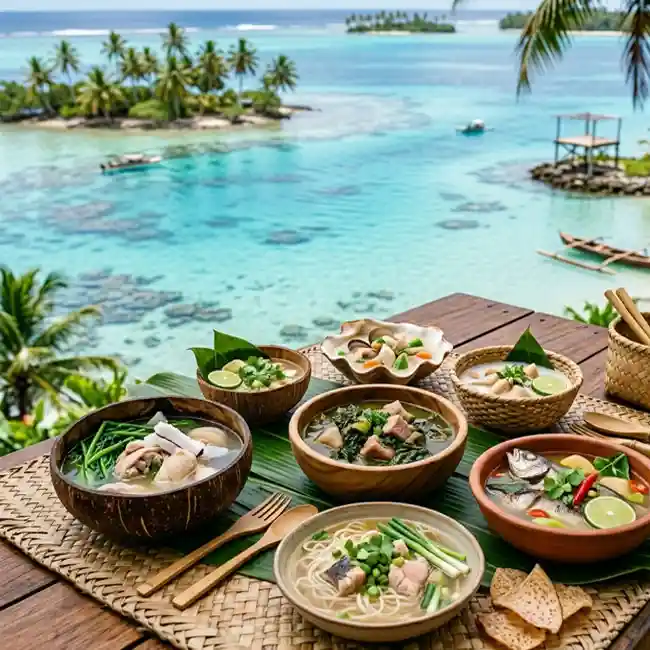
Hey there, fellow food lover! Have you ever closed your eyes and imagined what a tropical paradise tastes like? If you are thinking about sweet, predictable cocktails or basic grilled pineapples, let me stop you right there. There is a whole secret world of culinary magic tucked away in the Western Pacific Ocean, and it comes bubbling hot in a deep ceramic bowl. Welcome to the wonderful, cozy, and vibrant world of authentic Micronesia soups!
When we talk about Micronesia, we are talking about thousands of small, stunning islands scattered across a massive blue canvas. This region includes places like Palau, Guam, the Marshall Islands, Kiribati, and the Federated States of Micronesia (Chuuk, Kosrae, Pohnpei, and Yap). For centuries, the people living here have mastered the art of survival, community, and pure deliciousness using only what the ocean provides and what the volcanic soil allows to grow.
In this ultimate guide, we are going to take a long, mouth-watering stroll through the heart of Micronesian food culture. We will look at how geographic isolation shaped an incredible way of eating, explore the most iconic soup varieties you absolutely must try, check out what daily life looks like around the dinner table, and map out where you should travel to get the most genuine culinary experience. Grab your favorite spoon, get comfortable, and let’s dive into the comforting, steamy world of island broths!
🇫🇲 🍲 The Core Essence of Micronesian Food Culture
To truly understand why a hot bowl of soup matters so much to someone living on a tiny island surrounded by thousands of miles of open water, you have to look at the history and environment of Micronesia. This isn't just food; it is history, geography, and a love letter to nature all simmered together.
• The Power of Local Staples: For thousands of years, Micronesian cooking relied entirely on things grown right in the backyard or caught just beyond the coral reef. There were no supermarkets or fast-food joints. Instead, the kitchen was fueled by hard work and local flora. The main star players of the diet are taro root (a dense, starchy tuber), yams, breadfruit, cassava, and banana. When you need a base for a thick, hearty soup that keeps you full for a long day of fishing, these root vegetables are your best friends.
• The Magic of Coconut Liquid Gold: You cannot talk about Micronesian food culture without praising the coconut tree, often called the "Tree of Life" across the Pacific. Coconut water provides hydration, while the rich, creamy milk squeezed by hand from grated mature coconut meat serves as the ultimate soup broth. It adds a natural, velvety fat that balances out the mineral-rich sea salt flavors.
• A Natural Seafood Paradise: The Pacific Ocean acts as a massive, wild pantry. From small, colorful reef fish to large, deep-sea tuna, mackerel, and snappers, seafood is the primary source of protein here. In Micronesia, fish is rarely treated with heavy spices or masks. The goal is always to showcase the natural, clean sweetness of the fresh catch, which makes their clear fish broths exceptionally refreshing.
• The Beautiful Impact of Cultural Exchanges: While the ancient roots of Micronesian cuisine are entirely traditional, centuries of global seafaring, trade, and history brought subtle influences from neighboring regions. Over the generations, traders and travelers from Southeast Asia, Spain, Germany, Japan, and the United States passed through. You can see these faint footsteps in the way locals use specific ingredients like soy sauce, citrus fruits, and rice, turning simple ancestral broths into beautiful, layered fusion creations.
🐟 Iconic Must-Try Micronesia Soups
Now, let's look at the absolute stars of the show. If you ever find yourself sitting in an island kitchen or looking at a local menu, these are the signature Micronesia soups that will completely change your perspective on tropical comfort food. Each one tells a story of its specific home island.
🍲 1. Chuukese Fish Soup (The Classic Clear Ocean Broth)
If you want to taste the ocean in its purest form, this is where you start. Hailing from the stunning lagoon of Chuuk, this traditional broth is all about minimalism and fresh ingredients.
• The Main Vibe: It is a remarkably clean, lightweight, clear soup featuring chunks of fresh reef fish, often simmered directly with local root vegetables like taro or sliced green bananas.
• The Flavor Profile: The base is often nothing more than pristine water, sea salt, and the natural juices released by the cooking fish. In modern variations, a touch of crushed garlic, ginger, or green onions is added to give it a sharp, aromatic kick that warms you up from the inside out.
• Why It Wins Hearts: It proves that you do not need fifty different shelf-stable spices to create a memorable masterpiece. It tastes pure, healthy, and incredibly restorative after a long afternoon swimming or boating.
🍲 2. Kosraean Taro and Coconut Soup (The Creamy Dream)
Moving over to the beautiful island of Kosrae, the culinary style shifts beautifully toward rich, comforting textures. This soup is a staple during traditional feasts and rainy island days.
• The Main Vibe: This is a dense, creamy, slightly sweet and heavily savory soup where soft, melt-in-your-mouth chunks of taro root are simmered gently in freshly pressed coconut milk.
• The Flavor Profile: The natural earthiness and nutty character of the taro bleed perfectly into the rich coconut fat. To create a balanced meal, locals often drop in thick pieces of freshly caught white fish or crab claws.
• Why It Wins Hearts: The texture is velvet on a spoon. It feels less like a simple starter dish and more like a heavy, deeply satisfying hug from a friendly local grandmother.
🍲 3. Palauan Chicken and Taro Leaf Soup (Demok)
Palau is famous for its jaw-dropping rock islands, but its kitchen tradition holds a true secret culinary treasure known locally as Demok.
• The Main Vibe: This exotic soup utilizes the young, tender leaves of the taro plant, which are cooked down slowly until they reach a beautiful, soft, spinach-like consistency.
• The Flavor Profile: Cooked with shredded chicken or smoked fish bits, rich coconut cream, and a splash of fresh lemon or lime juice, Demok hits a marvelous balance of earthy, creamy, and bright sour notes.
• Why It Wins Hearts: Taro leaves lend a unique, deep herbal flavor that you cannot replicate with standard greens. It is an authentic taste of dense island forests and ancient agriculture.
🍲 4. Pohnpeian Yam and Seafood Medley Broth
Pohnpei is a lush, green island famous for growing massive, prestigious yams that play a huge role in local status and chieftain culture. It only makes sense that their yams make it into the soup pot!
• The Main Vibe: A hearty, chunky starchy soup featuring Pohnpeian yams blended with whatever the ocean provided that morning—clams, shrimp, or reef fish chunks.
• The Flavor Profile: As the yams simmer, they slightly thicken the water, creating a semi-clear, comforting broth that carries the sweet undertones of the yam and the salty brine of fresh shellfish.
• Why It Wins Hearts: It is the ultimate fisherman's fuel. It represents the wealth of the land meeting the wealth of the sea in one harmonious bowl.
🏡 The Island Way of Life: Eating, Sharing, and Community
In Micronesia, food is never a lonely experience. You don't grab a bowl of soup, hide in your room, and scroll through your phone. Eating is an interactive, communal event that binds family and village life together.
• The Golden Rule of Sharing: If you cook a pot of Micronesia soup, you are automatically cooking for your neighbors, your cousins, and any random traveler who happens to walk past your front porch. Generosity is the currency of the islands. Serving a guest a warm bowl of broth with the prime cut of the fish is the highest sign of respect.
• The Traditional Earth Oven (Umu/Mwei): While daily soups are boiled down in large metal pots today, big celebrations still call for traditional cooking methods. An earth oven is built by heating volcanic rocks in a pit, wrapping foods like fish, taro, and coconut cream inside large, green banana leaves, and burying the parcels under soil to steam slowly for hours. The smoky juices collected from these leaf packets are often poured directly into pots to form the deep, complex base of celebratory soups.
• Slowing Down the Clock: Island life moves at its own beautiful pace, often referred to by travelers as "Island Time." Meals are a time to completely disconnect from stress. People sit together on woven pandanus mats, share stories from the day's fishing trip, talk about village news, and slowly enjoy their food. Soup is perfect for this because it forces you to sit, blow on your spoon, pace yourself, and talk.
✈️ Wandering & Tasting: Travel Destinations for Soup Lovers
If you are an adventurous foodie looking to plan a trip that satisfies your wanderlust and your taste buds, Micronesia offers stunning backdrops where you can enjoy these legendary soups in their natural habitat.
• Palau (The Ultimate Marine Culinary Escape): Come for the famous Jellyfish Lake and scuba diving, stay for the beachfront night markets. In Koror, you can find small, family-owned diners serving authentic Demok soup right alongside beautiful views of the turquoise ocean. Eating fresh seafood soup while watching the sunset over rock islands is a core memory waiting to happen.
• Pohnpei (Ancient Ruins and Hearty Broths): Pohnpei is home to Nan Madol, an incredible, mysterious ancient city built entirely on stone canals, often called the "Venice of the Pacific." After a long day trekking through wet jungles and exploring ruins, heading into Kolonia town to find a local food stall serving up piping hot yam and fish soup is the best way to re-energize your body.
• Chuuk Lagoon (Wreck Diving and Pure Comfort): Chuuk is a world-renowned destination for scuba divers because its lagoon holds an entire sunken fleet from World War II, now covered in gorgeous living coral reef. Once you come up from a deep, chilly dive among history, nothing beats sitting with a local family and sharing a simple, steaming bowl of clear Chuukese fish soup to warm your bones.
• The Outer Atolls (True Unplugged Gastronomy): For the ultimate off-the-beaten-path explorer, taking a local boat to the smaller, flat coral atolls offers a time-capsule experience. Here, you will see fresh coconuts being climbed for, shucked, and squeezed by hand right before your eyes to create the freshest coconut soup base you will ever experience in your lifetime.
💡 Beyond the Bowl: Fascinating Extra Tidbits
Let's look at a few fast, interesting details about Micronesian food culture that show just how deeply connected these islanders are to their environment.
• No Food Waste Philosophy: When a fish is caught for a Micronesian soup, almost nothing goes to waste. The head and tail are prized parts of the soup pot because they contain the highest concentration of healthy oils, gelatin, and deep flavor that makes a broth taste incredibly rich without adding store-bought artificial stocks.
• Food as Natural Medicine: Many traditional Micronesia soups are treated as wellness tonics. If you are feeling under the weather, down with a fever, or exhausted from hard labor, the elders will brew a hot, clear fish broth infused with wild ginger, local citrus leaves, or green papaya. It is packed with natural electrolytes and vitamins designed to get you back on your feet quickly.
• The Seasonal Dance of Breadfruit: Even though root vegetables are around most of the year, breadfruit seasons bring a huge shift in the kitchen. When breadfruit is abundant, it replaces taro in almost every soup recipe, lending a lighter, fluffier, bread-like texture to the broths that perfectly soops up the savory coconut cream.
🙋 Frequently Asked Questions (FAQ)
Q1.What makes Micronesia soups different from Asian soups?
While many Southeast Asian soups rely heavily on complex dried spices, hot chili oils, lemongrass, and fish sauces, traditional Micronesian soups focus on ultra-fresh, minimalist profiles. They highlight the natural sweetness of fresh seafood and earthiness of local roots, using sea salt and coconut cream rather than heavy spices to create depth.
Q2.Is it easy to find authentic Micronesia soups in modern restaurants?
In major tourist hubs like Guam or Palau, you will find modern fusion restaurants, but the most authentic soups are best discovered at small, local village food stalls, night markets, or by staying at local eco-lodges where traditional home-cooking is emphasized over westernized menus.
Q3.Do Micronesian soups use a lot of meat like beef or pork?
Historically, no. Mammals were rare on small islands before western contact, so traditional soups rely almost exclusively on fresh reef fish, crabs, clams, and sometimes chicken. Seafood remains the absolute heart and soul of the authentic soup pot.
Q4.Can you recreate these island flavors at home outside the Pacific?
Absolutely! While getting fresh, local volcanic taro or breadfruit can be tough in cold climates, you can get very close to the true spirit of Micronesian soups by using fresh white fish from your local market, high-quality unsweetened coconut milk, and standard root vegetables like yams or sweet potatoes as a substitute.
What do you think? Are you ready to trade your usual chicken noodle soup for a creamy, tropical bowl of fish and coconut taro broth? Let me know if you want to explore the specific cooking techniques or steps for any of these island delicacies!
🍲 Affordable Pacific Comfort: 3 Traditional Micronesian Soups Anyone Can Make On a Budget
👉 Indulge in 3 Ultimate Micronesian Soups Under $10!
| 🌐 🍲 < Back | 🇫🇲 🍷 < Previous | Next > 🥗 🇫🇲 |