
🏠 Home > 🗺️ Recipes > 🍷 Drinks > 🇫🇲 Micronesia Drinks
🇫🇲 🍷 Micronesia Drinks Recipes
Published by Supakorn | Updated: June 2026
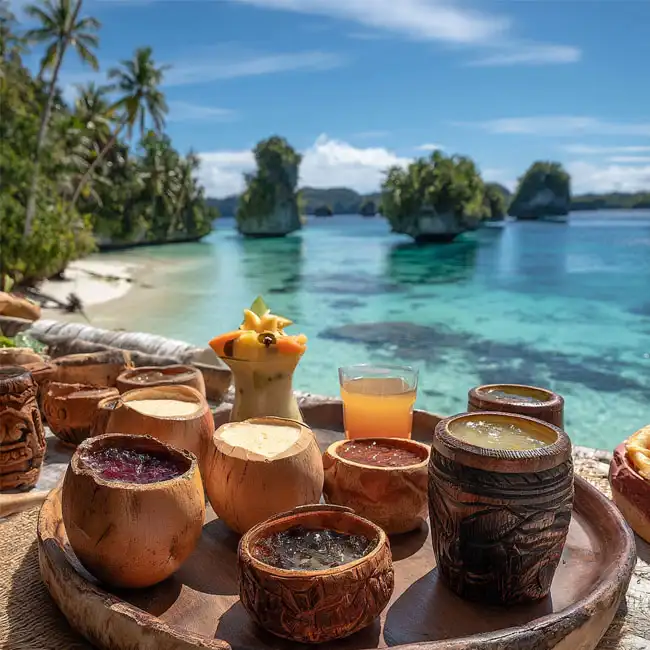
🇫🇲 🍷 Why Micronesia Drinks Are an Irresistible Part of Island Life
If you’ve ever dreamed of sipping something cold under a palm tree while the Pacific breeze hits your face, then Micronesia drinks are basically your love letter from the islands. We’re talking about a corner of the world made up of 600+ islands scattered across the western Pacific, where each atoll and high island has its own vibe, its own stories, and yep — its own signature sips.
Micronesia isn’t just one place. It’s the Federated States of Micronesia with four main states: Yap, Chuuk, Pohnpei, and Kosrae. Plus, nearby islands like Palau, Guam, and the Marshall Islands all share similar flavor DNA. What ties them together? A deep respect for nature, community gatherings, and drinks that are made to refresh, nourish, and celebrate.
Here’s the coolest part: Micronesia drinks aren’t just about quenching thirst. They’re about connection. Every glass tells you something about the land, the people, and the rhythm of island life. No alcohol, no fuss — just pure, authentic tropical goodness that locals have been enjoying for generations.
🥥 Food Culture Meets Island Hospitality: The Role of Drinks
In Micronesia, you don’t just “grab a drink.” You share a drink. It’s a whole social ritual.
◦ Family first: After fishing or farming, families gather and pass around large bowls or coconut shells filled with fresh island beverages. It’s how you say “welcome home” without words.
◦ Community events: From village fiestas to church gatherings, drinks are always on the table. They cool you down during long ceremonies and keep conversations flowing.
◦ Respect for elders: In many islands, the first serving of a traditional drink goes to the chief or eldest person present. It’s a sign of honor you’ll see everywhere from Yap to Pohnpei.
◦ Daily life: Farmers carry flasks of chilled local drinks to the taro patches. Kids come home from school to a glass of something sweet and fruity. It’s woven into everyday life.
So when you explore Micronesia drinks, you’re not just tasting fruit and coconut. You’re tasting history, hospitality, and that “island time” mindset we all secretly want more of.
🗺️ Top Micronesia Drink Ingredients: What Makes Them So Iconic
Micronesia’s drinks hit different because the ingredients are literally grown steps away from the kitchen. No imports, no artificial syrups. Just what the land and sea provide. Let’s break down the MVP ingredients:
🥭 Tropical Fruits That Steal the Show
Micronesia is basically a natural smoothie bar. The volcanic soils and year-round sun mean fruit is always in season somewhere.
◦ Mango: Pohnpei mangoes are legendary — super sweet, low fiber, perfect for blending into thick, golden drinks. Locals call them the “king of fruits” for a reason.
◦ Papaya: Served chilled, blended, or just scooped with lime. It’s the go-to breakfast drink for energy before heading out to fish.
◦ Banana: Not your grocery store bananas. Here we have apple bananas, red bananas, and cooking bananas that get mashed into creamy, naturally sweet beverages.
◦ Pineapple: Kosrae grows pineapples so juicy they barely need any prep. Just crush, strain, add ice, done.
◦ Soursop: A bit tart, a bit custardy. When blended with a splash of coconut water, it’s the most refreshing thing you’ll drink in 90°F heat.
◦ Calamansi & Local Limes: Tiny citrus bombs that balance every sweet drink. Every household has a tree in the yard.
🌴 Coconut: The Ultimate Island Multi-Tasker
If Micronesia had a national mascot, it would be the coconut. And for drinks, it plays three roles:
◦ Coconut Water: Straight from young green nuts, or “kurun” in Chuukese. It’s nature’s sports drink — packed with electrolytes. Farmers drink it by the liter.
◦ Coconut Milk: Grated from mature coconuts and squeezed by hand. It makes every drink richer and creamier. Think of it as the island version of oat milk, but better.
◦ Coconut Sap: Called “karuo” in some areas. It’s collected fresh in the morning and used as a natural sweetener. No fermentation here — we keep it fresh and non-alcoholic.
🌺 Other Secret Local Stars You Need to Know
◦ Sakau Root: This is Pohnpei’s most famous traditional plant. When prepared fresh without fermentation, it’s served as a ceremonial, earthy, calming drink for community gatherings. It’s cultural, not alcoholic, when served in its traditional non-fermented form.
◦ Turmeric & Ginger: Grown in backyard gardens, both are boiled into “island teas” that locals swear by for health. Served hot or iced.
◦ Pandanas Fruit: Looks wild, tastes like a sweet, floral mango-pineapple hybrid. Kosrae locals blend it into thick, orange-colored drinks for special occasions.
◦ Breadfruit: When in season, ripe breadfruit is blended into creamy, malt-like beverages. It’s filling, naturally sweet, and a harvest-time favorite.
◦ Hibiscus & Local Flowers: Steeped into ruby-red teas that are tart, floral, and served cold with calamansi. The most Instagrammable drink on the islands.
🏝️ Must-Try Micronesia Drinks by Destination: Sip Your Way Across the Islands
Each island state has its own drink personality. If you’re island-hopping, here’s your cheat sheet for what to look for.
🌊 Yap: Stone Money and Fresh Coconut Coolers
Yap is famous for its stone money and incredible ocean culture. The drink vibe here? Simple, fresh, and functional.
◦ Fresh Kurun: Young coconut water served in the shell. You’ll see roadside stands where someone will hack one open for you with a machete in 10 seconds flat. Best after diving or exploring the stone money banks.
◦ Coconut-Ginger Blend: Grated coconut, fresh ginger, and chilled water. It’s spicy, creamy, and wakes you up better than coffee.
◦ Taro Smoothie Style: Yap grows amazing taro. When blended with coconut milk and a touch of local honey, it’s like an island power shake.
Travel tip: Visit during Yap Day in March. Every village brings their best traditional drinks to share. It’s the ultimate taste test.
🤿 Chuuk Lagoon: Tropical Fruit Medleys for Divers
Chuuk is world-famous for wreck diving, but the post-dive drink scene is just as iconic. After hours in the water, locals refuel with:
◦ Mixed Tropical Punch: Papaya, mango, banana, and calamansi all crushed together. No recipe needed — just whatever’s ripe that morning.
◦ Chilled Soursop Cooler: Locals blend soursop pulp with shaved ice and a splash of coconut water. It’s the #1 “I just got out of the ocean” drink.
◦ Breadfruit Nectar: When breadfruit season hits June-August, this thick, sweet drink shows up at every family table. It’s like a tropical milkshake without dairy.
Travel tip: The Blue Lagoon Resort area has small family vendors who make the best fruit blends. Ask for “what’s fresh today” and you’ll never be disappointed.
💦 Pohnpei: Home of Sakau and Waterfall Picnic Drinks
Pohnpei is lush, rainy, and green. It’s the “Garden Island” of Micronesia, and the drinks reflect that.
◦ Fresh Sakau: The most authentic Pohnpeian experience. In its non-fermented, ceremonial form, it’s prepared fresh for community gatherings. Earthy, peppery, and deeply cultural. Always served in a shared coconut shell as a sign of unity.
◦ Kepir Waterfall Blend: Named after the famous Kepir Waterfall, locals pack bottles of mango, lime, and mountain spring water for hikes. It’s the unofficial hiking drink of Pohnpei.
◦ Iced Turmeric Tea: Pohnpei grows incredible turmeric. Boiled, chilled, and served with calamansi, it’s both refreshing and a local wellness staple.
Travel tip: Do a “sakau tour” in a traditional nahs, or feast house. You’ll learn the cultural meaning while trying the fresh, non-alcoholic version. Plus, Nan Madol ruins + a cold drink = perfect day.
🍍 Kosrae: The Island of Pineapples and Pandanus
Kosrae is small, pristine, and crazy fertile. If you love sweet, fragrant drinks, this is your spot.
◦ Kosrae Pineapple Juice: No sugar added needed. These pineapples are so sweet they taste like candy. Sold chilled in recycled bottles at roadside stands.
◦ Pandanus Nectar: Pandanus fruit is boiled and strained into a thick, bright orange drink. It’s served during celebrations and has a honey-floral taste you won’t find anywhere else.
◦ Hibiscus Calamansi Iced Tea: The national colors in a glass. Tart, sweet, and the most refreshing drink for Kosrae’s hot afternoons.
Travel tip: Visit the Lelu Ruins, then cool down with pandanus nectar from a local family. Most don’t have shops — just ask around and someone’s auntie will hook you up.
🍽️ How Locals Drink: Daily Life, Celebrations, and the Art of Sharing
Understanding how people drink in Micronesia is just as important as what they drink. It’s never just about the beverage.
🥥 The Daily Routine: From Sunrise to Sunset Sips
◦ Morning: Start with warm ginger or turmeric “tea” to wake up the body. Kids get fruit blends before school.
◦ Midday: Coconut water is king. Farmers and fishermen drink it straight from the nut to stay hydrated in the heat.
◦ Afternoon: Iced calamansi water or hibiscus tea. It’s the 3 PM pick-me-up, island style.
◦ Evening: Families gather and share a large bowl of mixed fruit drink or fresh sakau. It’s how the day winds down — together.
🎉 Celebrations and Ceremonies: Drinks as a Centerpiece
◦ Weddings: Towering displays of coconut and fruit drinks. The couple serves elders first.
◦ Funerals: Sharing sakau or coconut water is part of honoring the person who passed. It symbolizes community strength.
◦ Church Events: After service, everyone hangs out with cold hibiscus tea and fruit punch. It’s where news is shared and plans are made.
◦ Harvest Season: Breadfruit, pandanus, and mango drinks take over. Each village competes for the “best harvest blend” bragging rights.
🤝 The Unspoken Rules of Island Drinking
1.Never refuse a drink offered to you. It’s considered rude. Just take a sip if you’re full.
2.Always pass the cup with two hands in formal settings, especially with sakau. It shows respect.
3.The oldest person drinks first. Wait your turn, even if you’re thirsty.
4.Compliment the maker. “This is so refreshing” will make someone’s entire day.
✈️ Micronesia Drinks and Travel: Where to Find the Most Authentic Sips
You can’t fully experience Micronesia without following the drinks. Here’s how to plan your trip around them:
🏡 Village Markets and Roadside Stands Are Gold
Forget cafes. The best drinks are sold by families outside their homes. Look for:
◦ Coolers on the road: Usually coconut water, pineapple juice, or calamansi blends. 1-2 and worth every cent.
◦ Saturday markets: Pohnpei’s Kolonia market and Chuuk’s Weno market have vendors with huge jars of fresh blends.
◦ Sunday after church: The unofficial “drink social hour.” Follow the crowds and you’ll find the best hibiscus tea.
🌿 Eco-Lodges and Cultural Tours Do It Right
Many locally-owned guesthouses now offer “drink tasting” as part of cultural tours. You’ll learn how to:
◦ Husk a coconut in under 30 seconds
◦ Prepare fresh sakau the traditional way
◦ Identify which mango tree makes the sweetest juice
◦ Make hibiscus tea from flowers you pick yourself
Pro tip: Stay in a family-run homestay. You’ll get drinks that never make it to restaurants because they’re made in small batches daily.
📸 The Most Photogenic Drink Spots
Want that perfect travel shot? Try these:
1.Kepir Waterfall, Pohnpei: Bottle of mango-lime drink with the falls in the background.
2.Stone Money Bank, Yap: Fresh coconut with ancient stone money. History + refreshment.
3.Lelu Ruins, Kosrae: Pandanus nectar at sunset. The orange drink matches the orange sky.
4.Chuuk Lagoon Overlook: Soursop cooler after a dive. You’ll look as refreshed as you feel.
💚 Why Micronesia Drinks Matter: Health, Sustainability, and Island Pride
This isn’t just about tasty beverages. There’s a deeper story here.
🌿 Naturally Healthy, No Labels Needed
Micronesia drinks are basically the original “clean eating” trend:
◦ No refined sugar: Sweetness comes from fruit, coconut sap, or nothing at all.
◦ Hydration heroes: Coconut water and calamansi blends replace electrolytes naturally.
◦ Packed with vitamins: Papaya, mango, soursop = vitamin C and A for days.
◦ Gut-friendly: Fresh ginger and turmeric are used daily for digestion.
Locals don’t call it “wellness.” They just call it “what we’ve always done.”
🌏 Zero-Waste Island Style
◦ Cups: Coconut shells, bamboo, or banana leaves. No plastic needed.
◦ Straws: Papaya stems or reusable bamboo.
◦ Ingredients: Grown within walking distance. Food miles? More like food feet.
◦ Leftovers: Fruit pulp goes to pigs or compost. Nothing is wasted.
When you drink like a local, you’re automatically eco-friendly.
🇫🇲 Cultural Preservation in Every Sip
With climate change and modernization, some traditions fade. But drinks keep culture alive:
◦ Youth learn from elders how to prepare sakau and identify fruit trees.
◦ Language stays strong because drink names, chants, and preparation steps are all in local languages like Yapese, Chuukese, Pohnpeian, and Kosraean.
◦ Pride in local ingredients means less reliance on imported soda and more love for what the islands grow.
So when you choose a Micronesia drink, you’re voting for culture to continue.
🧭 Final Sip: How to Bring Micronesia Drink Vibes Home
You might not have a breadfruit tree in your backyard, but you can still channel island drink energy.
◦ Shop local, seasonal: Use what’s fresh near you — that’s the Micronesian way.
◦ Keep it simple: Best drinks have 3-4 ingredients max. Let fruit be the star.
◦ Share it: Don’t drink alone. Make a big batch and invite friends over. That’s the point.
◦ Respect the source: Learn where your ingredients come from. Gratitude makes everything taste better.
Micronesia drinks aren’t a trend. They’re a lifestyle built on community, land, and really, really good fruit. Once you try them, plain water just feels… boring.
So next time you’re planning a Pacific trip, don’t just book the flight. Book your taste buds too. The islands are ready to pour you something unforgettable.
🙋♂️ FAQ: Top 4 Questions About Micronesia Drinks
Q1. What is the most popular non-alcoholic drink in Micronesia?
Fresh coconut water, called “kurun” in many local languages, is the #1 daily drink across all islands. It’s served straight from young green coconuts and is used for hydration, ceremonies, and welcoming guests. After that, mixed tropical fruit blends with mango, papaya, and calamansi are super common in every household.
Q2. Can tourists try traditional sakau in Micronesia?
Yes! Tourists can try sakau in Pohnpei, especially in its fresh, non-fermented form during cultural tours or community events. It’s a traditional ceremonial drink made from the sakau plant. Always join a guided cultural experience to understand the proper etiquette — like waiting for elders to drink first and using two hands to accept the cup.
Q3. Are Micronesia drinks healthy?
Most traditional Micronesia drinks are naturally healthy because they use fresh, local ingredients with no refined sugar or additives. Coconut water provides electrolytes, tropical fruits are high in vitamins A and C, and ingredients like ginger and turmeric are used for wellness. They’re hydrating, nutrient-rich, and made from what’s grown locally.
Q4. Where can I find the most authentic Micronesia drinks as a traveler?
Skip restaurants and head to village markets, roadside stands, and family-run homestays. Saturday markets in Kolonia, Pohnpei and Weno, Chuuk are great spots. For the best experience, join a cultural tour or stay with a local family — they’ll serve you drinks made fresh that day from ingredients in their own yard.
🍷 Sip the Islands for Less: 3 Micronesian Drinks You Can Make on a Tiny Budget
👉 Sip 3 Irresistible, Affordable Micronesian Drinks Under $2!
| 🌐 🍷 < Back | 🇫🇲 🍨 < Previous | Next > 🍲 🇫🇲 |