
🏠 Home > 🗺️ Recipes > 🍲 Soups > 🇰🇮 Kiribati Soups
🇰🇮 🍲 Kiribati Soups Recipes
Published by Supakorn | Updated: June 2026
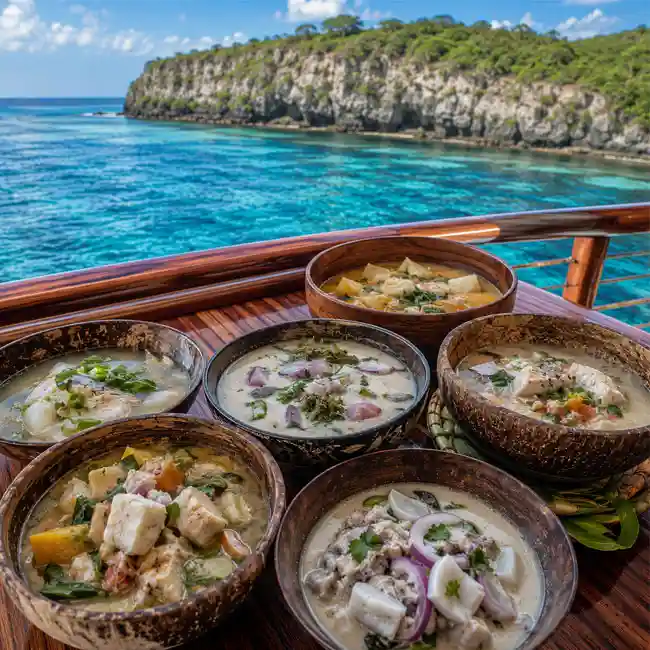
🇰🇮 🍲⛰️ Discover the Heartwarming World of Kiribati Soups
When people think about Pacific Island cuisine, they often imagine fresh seafood, tropical fruits, coconut-based dishes, and meals enjoyed beside crystal-clear lagoons. While all of these are certainly part of the experience, soups also play a meaningful role in the everyday food culture of Kiribati.
Located in the central Pacific Ocean, Kiribati consists of dozens of coral atolls and islands spread across a vast area of ocean. Life here is deeply connected to nature, the sea, family traditions, and resourceful cooking practices. As a result, many traditional soups reflect the ingredients readily available from the surrounding environment.
Kiribati soups are not usually known for being overly complex or heavily seasoned. Instead, they focus on freshness, natural flavors, and nourishing ingredients. Many recipes feature seafood, coconut, root vegetables, leafy greens, and local crops that have sustained island communities for generations.
For travelers seeking authentic Pacific flavors, exploring Kiribati soups offers a fascinating glimpse into local life. Every bowl tells a story about island survival, community gatherings, cultural traditions, and the close relationship between people and the ocean.
🍲 What Makes Kiribati Soups Unique?
Unlike soups from colder regions of the world that are often rich and heavy, Kiribati soups tend to be light, refreshing, and naturally flavorful.
Several characteristics make these soups stand out:
• Fresh ingredients are prioritized whenever possible.
• Seafood frequently serves as the main protein source.
• Coconut plays an important role in creating creamy textures.
• Traditional recipes are often passed down through families.
• Seasonal availability influences ingredient choices.
• Simplicity is valued over excessive seasoning.
• Soups are commonly prepared for family meals and community gatherings.
The beauty of Kiribati cuisine lies in its ability to create satisfying dishes from relatively simple ingredients. This approach has helped island communities thrive despite limited agricultural resources.
🐟 Famous Soups Found Across Kiribati
Although recipes vary from island to island and family to family, several soup styles are commonly associated with Kiribati food culture.
🌊 Fresh Fish Soup
Fish is one of the most important foods throughout Kiribati.
Freshly caught reef fish often become the centerpiece of comforting soups enjoyed by local families. These soups typically highlight the natural sweetness of the fish rather than covering it with strong spices.
Popular fish varieties may include:
• Reef fish
• Tuna
• Skipjack
• Lagoon fish species
• Deep-water catches depending on location
The result is often a clean, satisfying soup that reflects the abundance of the Pacific Ocean.
🥥 Coconut Fish Soup
Coconut is a treasured ingredient throughout Kiribati.
When coconut milk is added to fish soup, it creates a rich yet balanced dish that combines ocean flavors with tropical creaminess.
This style of soup is especially popular because:
• Coconut trees grow widely across the islands.
• Coconut complements seafood naturally.
• The broth becomes silky and comforting.
• The flavor remains light despite its richness.
For many visitors, coconut-based fish soup becomes one of the most memorable tastes of Kiribati cuisine.
🌿 Island Vegetable Soup
While seafood receives much attention, vegetables also contribute significantly to local cooking.
Island vegetable soups may feature:
• Leafy greens
• Local herbs
• Root vegetables
• Seasonal garden produce
These soups showcase the agricultural side of Kiribati and demonstrate how island communities maximize available resources.
🦀 Seafood Combination Soups
In coastal communities, a variety of seafood may appear together in a single pot.
Possible ingredients include:
• Fish
• Crab
• Shellfish
• Sea snails
• Other locally harvested marine foods
These soups often reflect the diversity of marine life surrounding the atolls.
🌺 The Role of Coconut in Kiribati Soups
Few ingredients are as important to Kiribati cuisine as coconut.
Across the islands, coconut is used in numerous forms:
• Fresh coconut flesh
• Coconut cream
• Coconut milk
• Grated coconut
• Young coconut products
In soups, coconut serves several purposes:
• Adds natural sweetness
• Creates creamy texture
• Balances seafood flavors
• Increases nutritional value
• Enhances overall richness
Because coconut palms thrive throughout Kiribati, they have become a cornerstone of traditional food culture.
Visitors quickly notice that many authentic island soups would not feel complete without coconut.
🏝️ How Geography Shapes Kiribati Soup Traditions
Kiribati's geography directly influences its culinary identity.
The nation consists primarily of low-lying coral atolls surrounded by vast ocean waters. This unique environment affects food production in several ways.
🌊 Ocean Resources
The sea provides:
• Fish
• Shellfish
• Crustaceans
• Sea vegetables
As a result, seafood-based soups naturally became common.
🌴 Limited Farmland
Agriculture can be challenging on coral islands.
Therefore, traditional recipes often rely on:
• Coconut
• Breadfruit
• Giant swamp taro
• Pandanus
• Imported staples when necessary
This combination of ocean harvests and island crops creates distinctive soup traditions found nowhere else in the world.
🍃 Traditional Ingredients Often Found in Kiribati Soups
The ingredient list for Kiribati soups reflects centuries of adaptation to island living.
Common ingredients include:
• Fresh fish
• Tuna
• Coconut milk
• Coconut cream
• Breadfruit
• Giant swamp taro
• Leafy greens
• Pumpkin
• Local herbs
• Root vegetables
• Onions
• Sea salt
Many families adjust recipes according to seasonal availability and local preferences.
This flexibility has helped preserve traditional cooking methods across generations.
👨👩👧👦 Soups and Community Life in Kiribati
Food in Kiribati is about much more than nourishment.
Meals frequently bring together:
• Extended families
• Neighbors
• Friends
• Community members
Soups fit naturally into this communal lifestyle because they:
• Can be prepared in large quantities.
• Are easy to share.
• Stretch available ingredients.
• Provide comfort during gatherings.
• Encourage conversation around the table.
Whether served during celebrations or ordinary family meals, soups continue to strengthen social bonds.
🛶 Soups and Cultural Heritage
Traditional food knowledge remains an important part of Kiribati heritage.
Many soup recipes represent:
• Family traditions
• Local customs
• Island-specific ingredients
• Historical cooking methods
• Generational knowledge
Older family members often pass cooking techniques to younger generations, helping preserve culinary traditions despite changing lifestyles.
This cultural transmission keeps authentic Kiribati flavors alive.
🌅 Why Travelers Love Kiribati Soups
Food tourism is becoming increasingly popular throughout the Pacific.
Visitors who try Kiribati soups often appreciate:
• Authentic local ingredients
• Fresh seafood
• Unique island flavors
• Traditional preparation methods
• Cultural connections behind each dish
Unlike heavily commercialized tourist foods found elsewhere, many Kiribati meals remain closely tied to everyday local life.
This authenticity creates memorable dining experiences.
📍 Best Places to Experience Traditional Kiribati Soups
Travelers interested in local cuisine often find authentic soups in:
• Family-run eateries
• Community events
• Village gatherings
• Local food markets
• Cultural festivals
• Traditional celebrations
Some of the most memorable meals are not necessarily found in formal restaurants but rather in community-centered environments where traditional cooking practices continue to thrive.
🌺 The Connection Between Soup and Island Sustainability
Kiribati communities have long practiced resourceful cooking.
Traditional soups reflect sustainable principles such as:
• Using locally available ingredients
• Minimizing food waste
• Respecting seasonal harvests
• Sharing resources among families
• Making full use of seafood catches
These practices developed naturally through generations of island living and remain relevant today.
🍲 Must-Know Kiribati Soup Varieties
When exploring Kiribati cuisine, several soup categories deserve special attention:
🐠 Reef Fish Soup
A classic island favorite highlighting freshly caught fish.
🥥 Coconut Seafood Soup
Combining seafood and coconut into a comforting tropical dish.
🌿 Garden Vegetable Soup
Featuring locally grown greens and seasonal produce.
🦀 Mixed Seafood Broth
Celebrating the diversity of Pacific marine life.
🌴 Root Crop Soup
Using traditional island staples such as taro and breadfruit.
Each variety reflects a different aspect of Kiribati food culture.
🌏 Kiribati Soups and Pacific Island Cuisine
Kiribati shares some culinary similarities with neighboring Pacific nations, yet its soups retain a distinctive identity.
Common regional influences include:
• Seafood-based cooking
• Coconut usage
• Root vegetables
• Community-centered meals
However, Kiribati's unique geography, cultural history, and ingredient availability create flavors that are unmistakably its own.
For food enthusiasts exploring Micronesian cuisine, Kiribati soups provide an excellent introduction to the region's culinary heritage.
✨ Why Kiribati Soups Deserve More Recognition
Around the world, many people are familiar with famous Asian, European, or American soups. Yet Pacific Island soups often remain overlooked.
Kiribati soups deserve attention because they offer:
• Authentic cultural experiences
• Sustainable food traditions
• Fresh ocean ingredients
• Unique tropical flavors
• Deep historical roots
• Strong community connections
Every bowl reflects the resilience, creativity, and hospitality that characterize life across the islands of Kiribati.
For travelers, food lovers, and cultural explorers alike, discovering Kiribati soups opens a window into one of the Pacific's most fascinating culinary traditions.
🌴 Final Thoughts on Kiribati Soups
Kiribati soups are far more than simple meals. They represent centuries of adaptation to island life, a profound connection to the ocean, and the enduring importance of family and community.
From delicate fish broths and creamy coconut soups to vegetable-based island favorites, these dishes showcase the natural beauty of Pacific ingredients while preserving traditions that continue to shape everyday life across the atolls.
Whether you're researching Pacific Island cuisine, planning a future trip, or simply looking to expand your culinary horizons, Kiribati soups offer an inspiring journey into authentic island flavors that remain deeply connected to culture, sustainability, and heritage.
⁉️ FAQ
Q1.What are the most popular soups in Kiribati?
Fish soup, coconut fish soup, seafood soups, vegetable soups, and root crop-based soups are among the most recognized traditional options.
Q2.Why is coconut important in Kiribati soups?
Coconut adds creaminess, natural sweetness, nutrition, and flavor while reflecting one of the islands' most abundant resources.
Q3.Are Kiribati soups mainly seafood-based?
Many are seafood-based because the ocean provides abundant fish and marine resources, though vegetable and root crop soups are also common.
Q4.Can travelers easily find traditional Kiribati soups?
Yes. Visitors can often discover authentic soups through local eateries, community events, cultural gatherings, and traditional family-style dining experiences.
🍲 Traditional I-Kiribati Soups You Can Make Fast at Home
👉 Master 3 Secret I-Kiribati 30-Minute Soups
| 🌐 🍲 < Back | 🇰🇮 🍷 < Previous | Next > 🥗 🇰🇮 |